
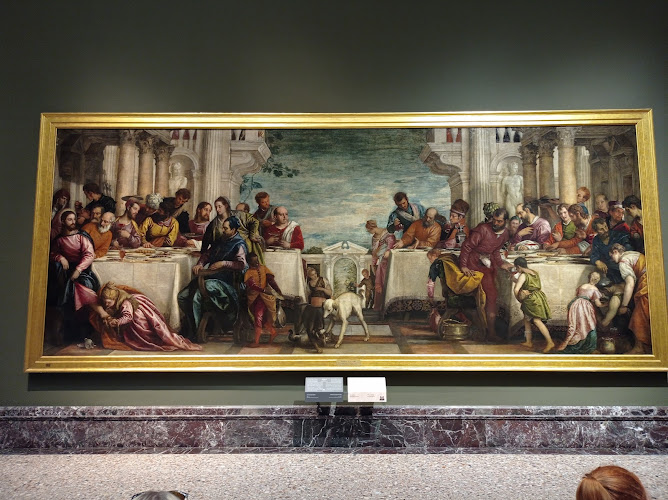
Pinacoteca di Brera
About Pinacoteca di Brera
Description
The Pinacoteca di Brera is the kind of place that reshuffles your ideas about Italian art faster than you’d expect. Housed in an elegant palazzo whose history actually includes Napoleon himself—not just as some guy on a coin, but as someone who shaped the museum's early identity—this gallery draws both casual wanderers and die-hard art lovers. The building itself has that stately Milanese charm you catch in so many classic European museums: marble staircases, big windows, the hushed shuffle of sneakers on old polished floors. Yet inside, I’d say it feels surprisingly personal, almost welcoming—especially by the standards of highbrow art institutions.
What really makes Brera stand out? For starters, Northern Italian medieval and Renaissance art lovers, you’re in luck. The collection is absolutely loaded with masterpieces—from Caravaggio’s intense, shadowy drama in his famous Supper at Emmaus to the pretty mind-bending perspectives in Mantegna’s Dead Christ. I remember standing in front of that one, thinking: this changes the way you see everything else in the room. There are big, recognizable names like Raphael and Bellini, but plenty of works you probably didn’t memorize in school. That’s what’s refreshing about Brera—yes, you get the classics, but also these odd, wonderful surprises tucked into quiet corners.
It’s not just the paintings, though. The whole approach is thoughtful, almost academic, but never stuffy. Curators really make an effort to put pieces into context with clever captions and arrangements—so you’re not just staring at old things, you’re seeing how and why they mattered. That sense of care runs through every room. I once overheard a guide hilariously debating Caravaggio’s bad-boy reputation with a group of teenagers—it was surprisingly engaging, not a dry lecture at all.
Accessibility is also top-notch. Whether you’re rolling in with a stroller or using a wheelchair, this place doesn’t box visitors out. They’ve got elevators wherever you need, accessible restrooms, and staff that seem (at least in my experiences) genuinely happy to help.
Key Features
- Exceptional Collection of Northern Italian Art: The gallery is particularly known for its focus on regional works from the medieval to Renaissance periods, featuring celebrated artists like Caravaggio, Raphael, and Mantegna.
- Historic Building: The palazzo boasts a rich history, having once served as a Napoleonic headquarters. Its architecture is both graceful and imposing, a piece of Milan’s heritage in itself.
- Live Performances: Art truly comes to life with occasional live performances held in the main courtyard, blending classical visual art with music and contemporary interpretation.
- Accessible for All: Includes wheelchair accessible entrances, parking, and restrooms. Accessibility is thoughtfully integrated, not just an afterthought.
- Onsite Amenities: If you need a break, there’s a well-reviewed restaurant and modern restrooms (sometimes a rarity in older European museums!).
- Family-Friendly Environment: Staff are relaxed about kids, making this spot surprisingly good for families. There are programs and tours tailored for young visitors, so you don’t need to worry about wide-eyed little ones getting bored or overwhelmed.
- Free Parking Lot: Unlike many city-center museums, you can actually snag a parking space for free. No circling endless blocks, which is honestly a little luxury in Milan.
- Advance Ticketing Recommended: While you can usually get in without much of a queue, weekends and special exhibitions can pack out quickly. Booking ahead means less time waiting, more time ogling art.
- Rotating Exhibitions and Educational Programs: Brera doesn’t rest on its laurels; you’ll often find contemporary artists in temporary exhibitions, as well as classes and seminars for visitors who want to dig deeper.
Best Time to Visit
If you’re like me and prefer a bit of elbow room when taking in great art, late mornings on weekdays are the sweet spot. Right after opening and before lunchtime is usually calm—except maybe on public holidays, when all bets are off. I've noticed that Milanese schools sometimes take field trips here, mostly in spring, so if you bump into a crowd of enthusiastic kids, just duck into another wing for a breather.
Peak tourist months—June, July, August—can get a bit bustling. Not chaos, just that subtle hum of extra cameras clicking. If you visit in winter (especially January and February), you’ll have a shot at those luxuriously empty galleries, where you can linger in front of a Caravaggio for as long as you want, without someone’s head poking into your photo. Some claim the golden hour of the afternoon, pre-closing, has the best light for viewing the art—maybe a bit romanticized, but there’s something lovely about how the sun filters into those old gallery windows at the end of the day.
How to Get There
Getting to the Pinacoteca di Brera is pretty straightforward, even if you’re new to Milan’s dense, zig-zagging streets. If you’re coming by metro, the M2 (Green) line is your ticket—Hop off at Lanza, it’s a short amble from there. For walkers, Brera is smack-dab in the heart of the artsy Brera district—one of those picturesque neighborhoods where you’ll want to meander. A cab can drop you right at the main entrance—useful if you’re wrangling a stroller, walking stick, or just feeling a bit footsore from pounding Milan’s pavements.
If you’re driving, here’s the rare traveler’s win: free parking onsite. In Milan! In a part of town where you can sometimes pay as much for a parking spot as for your entire lunch, this almost feels like an insider secret. (Though remember, on busy days or special events, the lot does fill up quickly. I’ve learned this lesson the hard way. A little patience or an early arrival pays off.)
City buses and trams are also reliable, especially if you’re up for that authentic local commuter vibe. Just keep an eye out for tram 1 or 2 if you want to get dropped nearly at the door. Plan your route ahead, especially on weekends when some routes run less often.
Tips for Visiting
Let me throw a bit of practical wisdom your way—things I wish someone had told me before my first Brera visit, to save myself from rookie mistakes.
- Book tickets ahead, if you can. While last-minute entry is often possible, weekends and special exhibits can mean long waits or even sold-out time slots. Booking online is easy, and you walk right in like a VIP.
- Allow yourself 2 to 3 hours minimum, especially if you tend to linger or want to use the café. There’s more here than you think, and each gallery unlocks new layers—plus you’ll want a few moments just to rest and gaze out those beautiful old windows.
- Don’t skip the temporary exhibitions. While the permanent collection gets most of the attention, the lineup of visiting artists and themed displays often surprises even seasoned art fans. I stumbled into an exhibit on contemporary Italian abstractionism last year and—didn’t expect to love it, but I’m still thinking about it months later.
- Check performance schedules. Those live events in the courtyard can add a whole new dimension to your visit. It’s wild how music or performance art in such a historic setting can feel so alive.
- Bring your own headphones. Audio guides are available, true, but plugging into your own set is a bit more comfortable (especially if you find the provided ones a little clunky).
- Photography is allowed (but be tasteful!) Flashes and tripods are a no-go, as you'd expect, but you can absolutely snap your favorites for your Instagram or future daydreaming.
- Kids are more welcome than you think. Truly. The staff doesn’t blink at lively little ones—plus there are often scavenger hunts or activity sheets. If you’re worried about meltdowns, plan a snack stop at the café midway through.
- Wear comfy shoes. The floors are beautiful, but harder than a Milanese January. Trust me, this is a “good sneakers” or “cushy insoles” kind of day.
- Make time for the restaurant. Museum cafés often get a bad rap, but this one’s miles above the norm. You can sit out in the courtyard with a coffee and just decompress—great people-watching, too.
- Accessibility is a breeze, but check maps if you need lifts or ramps. Staff are eager to help, but the building is big. If you have specific needs, ask at the front desk—they’ll give you the inside scoop on the easiest paths.
Key Features
- Key Features
- Best Time to Visit
- How to Get There
- Tips for Visiting
More Details
Updated July 4, 2025
Table of Contents
Description
The Pinacoteca di Brera is the kind of place that reshuffles your ideas about Italian art faster than you’d expect. Housed in an elegant palazzo whose history actually includes Napoleon himself—not just as some guy on a coin, but as someone who shaped the museum’s early identity—this gallery draws both casual wanderers and die-hard art lovers. The building itself has that stately Milanese charm you catch in so many classic European museums: marble staircases, big windows, the hushed shuffle of sneakers on old polished floors. Yet inside, I’d say it feels surprisingly personal, almost welcoming—especially by the standards of highbrow art institutions.
What really makes Brera stand out? For starters, Northern Italian medieval and Renaissance art lovers, you’re in luck. The collection is absolutely loaded with masterpieces—from Caravaggio’s intense, shadowy drama in his famous Supper at Emmaus to the pretty mind-bending perspectives in Mantegna’s Dead Christ. I remember standing in front of that one, thinking: this changes the way you see everything else in the room. There are big, recognizable names like Raphael and Bellini, but plenty of works you probably didn’t memorize in school. That’s what’s refreshing about Brera—yes, you get the classics, but also these odd, wonderful surprises tucked into quiet corners.
It’s not just the paintings, though. The whole approach is thoughtful, almost academic, but never stuffy. Curators really make an effort to put pieces into context with clever captions and arrangements—so you’re not just staring at old things, you’re seeing how and why they mattered. That sense of care runs through every room. I once overheard a guide hilariously debating Caravaggio’s bad-boy reputation with a group of teenagers—it was surprisingly engaging, not a dry lecture at all.
Accessibility is also top-notch. Whether you’re rolling in with a stroller or using a wheelchair, this place doesn’t box visitors out. They’ve got elevators wherever you need, accessible restrooms, and staff that seem (at least in my experiences) genuinely happy to help.
Key Features
- Exceptional Collection of Northern Italian Art: The gallery is particularly known for its focus on regional works from the medieval to Renaissance periods, featuring celebrated artists like Caravaggio, Raphael, and Mantegna.
- Historic Building: The palazzo boasts a rich history, having once served as a Napoleonic headquarters. Its architecture is both graceful and imposing, a piece of Milan’s heritage in itself.
- Live Performances: Art truly comes to life with occasional live performances held in the main courtyard, blending classical visual art with music and contemporary interpretation.
- Accessible for All: Includes wheelchair accessible entrances, parking, and restrooms. Accessibility is thoughtfully integrated, not just an afterthought.
- Onsite Amenities: If you need a break, there’s a well-reviewed restaurant and modern restrooms (sometimes a rarity in older European museums!).
- Family-Friendly Environment: Staff are relaxed about kids, making this spot surprisingly good for families. There are programs and tours tailored for young visitors, so you don’t need to worry about wide-eyed little ones getting bored or overwhelmed.
- Free Parking Lot: Unlike many city-center museums, you can actually snag a parking space for free. No circling endless blocks, which is honestly a little luxury in Milan.
- Advance Ticketing Recommended: While you can usually get in without much of a queue, weekends and special exhibitions can pack out quickly. Booking ahead means less time waiting, more time ogling art.
- Rotating Exhibitions and Educational Programs: Brera doesn’t rest on its laurels; you’ll often find contemporary artists in temporary exhibitions, as well as classes and seminars for visitors who want to dig deeper.
Best Time to Visit
If you’re like me and prefer a bit of elbow room when taking in great art, late mornings on weekdays are the sweet spot. Right after opening and before lunchtime is usually calm—except maybe on public holidays, when all bets are off. I’ve noticed that Milanese schools sometimes take field trips here, mostly in spring, so if you bump into a crowd of enthusiastic kids, just duck into another wing for a breather.
Peak tourist months—June, July, August—can get a bit bustling. Not chaos, just that subtle hum of extra cameras clicking. If you visit in winter (especially January and February), you’ll have a shot at those luxuriously empty galleries, where you can linger in front of a Caravaggio for as long as you want, without someone’s head poking into your photo. Some claim the golden hour of the afternoon, pre-closing, has the best light for viewing the art—maybe a bit romanticized, but there’s something lovely about how the sun filters into those old gallery windows at the end of the day.
How to Get There
Getting to the Pinacoteca di Brera is pretty straightforward, even if you’re new to Milan’s dense, zig-zagging streets. If you’re coming by metro, the M2 (Green) line is your ticket—Hop off at Lanza, it’s a short amble from there. For walkers, Brera is smack-dab in the heart of the artsy Brera district—one of those picturesque neighborhoods where you’ll want to meander. A cab can drop you right at the main entrance—useful if you’re wrangling a stroller, walking stick, or just feeling a bit footsore from pounding Milan’s pavements.
If you’re driving, here’s the rare traveler’s win: free parking onsite. In Milan! In a part of town where you can sometimes pay as much for a parking spot as for your entire lunch, this almost feels like an insider secret. (Though remember, on busy days or special events, the lot does fill up quickly. I’ve learned this lesson the hard way. A little patience or an early arrival pays off.)
City buses and trams are also reliable, especially if you’re up for that authentic local commuter vibe. Just keep an eye out for tram 1 or 2 if you want to get dropped nearly at the door. Plan your route ahead, especially on weekends when some routes run less often.
Tips for Visiting
Let me throw a bit of practical wisdom your way—things I wish someone had told me before my first Brera visit, to save myself from rookie mistakes.
- Book tickets ahead, if you can. While last-minute entry is often possible, weekends and special exhibits can mean long waits or even sold-out time slots. Booking online is easy, and you walk right in like a VIP.
- Allow yourself 2 to 3 hours minimum, especially if you tend to linger or want to use the café. There’s more here than you think, and each gallery unlocks new layers—plus you’ll want a few moments just to rest and gaze out those beautiful old windows.
- Don’t skip the temporary exhibitions. While the permanent collection gets most of the attention, the lineup of visiting artists and themed displays often surprises even seasoned art fans. I stumbled into an exhibit on contemporary Italian abstractionism last year and—didn’t expect to love it, but I’m still thinking about it months later.
- Check performance schedules. Those live events in the courtyard can add a whole new dimension to your visit. It’s wild how music or performance art in such a historic setting can feel so alive.
- Bring your own headphones. Audio guides are available, true, but plugging into your own set is a bit more comfortable (especially if you find the provided ones a little clunky).
- Photography is allowed (but be tasteful!) Flashes and tripods are a no-go, as you’d expect, but you can absolutely snap your favorites for your Instagram or future daydreaming.
- Kids are more welcome than you think. Truly. The staff doesn’t blink at lively little ones—plus there are often scavenger hunts or activity sheets. If you’re worried about meltdowns, plan a snack stop at the café midway through.
- Wear comfy shoes. The floors are beautiful, but harder than a Milanese January. Trust me, this is a “good sneakers” or “cushy insoles” kind of day.
- Make time for the restaurant. Museum cafés often get a bad rap, but this one’s miles above the norm. You can sit out in the courtyard with a coffee and just decompress—great people-watching, too.
- Accessibility is a breeze, but check maps if you need lifts or ramps. Staff are eager to help, but the building is big. If you have specific needs, ask at the front desk—they’ll give you the inside scoop on the easiest paths.
Key Highlights
- Key Features
- Best Time to Visit
- How to Get There
- Tips for Visiting
Location
Places to Stay Near Pinacoteca di Brera
Find and Book a Tour
Explore More Travel Guides
No reviews found! Be the first to review!
Traveler Reviews for Pinacoteca di Brera
There are no reviews yet. Be the first one to write one.
Have you visited Pinacoteca di Brera? Help other travelers by sharing your review.
You Might Also Like
Pirelli HangarBicocca
P.za del Duomo
Poldi Pezzoli Museum
Find Accommodations Nearby
Recommended Tours & Activities
Visitor Reviews
There are no reviews yet. Be the first one to write one.
Share Your Experience
Have you visited Pinacoteca di Brera? Help other travelers by leaving a review.