

Piazza della Signoria
About Piazza della Signoria
Description
Piazza della Signoria isn’t the kind of place you just “see” and move on from. It’s the sort of square that grabs you by the sleeve and says, stay a minute, or an hour, or maybe all afternoon. This is Florence’s beating heart, and it has been for centuries. The space is dominated by the hulking, crenellated tower of the Palazzo Vecchio, which dates back to the 14th century and still looks like it’s on guard duty. And honestly, it kind of is.
Standing here, you’re surrounded by layers of Florentine history that don’t politely sit behind glass. They’re right out in the open. Political drama, public celebrations, executions (yes, really), art, gossip, revolutions — it all happened here. I remember the first time I walked into the piazza, jet-lagged and clutching a bad espresso, and thinking, wow, this place feels serious. Not stiff, but serious. Like it’s seen things. And it has.
The square functions as an open-air museum, yet it’s still very much alive. Locals cut across it on their way to work. Street performers set up shop near the statues. Tour guides wave little flags and whisper scandalous Medici stories. And you, the traveler, end up somewhere in the middle, trying to take it all in while dodging pigeons with strong opinions.
Palazzo Vecchio anchors the scene, its tower visible from all over Florence, acting as a kind of medieval GPS. The building still serves as the city’s town hall, which I love. It’s not frozen in time. It works. And that’s part of the charm of Piazza della Signoria: history here is functional, not precious.
The square is fully accessible, too, which matters more than people often admit. Wheelchair users can navigate the area, and onsite services help keep things running smoothly. It’s a public space first, tourist attraction second, and you feel that balance when you’re there.
Key Features
- Palazzo Vecchio: The fortress-like town hall with its iconic tower, still governing Florence today.
- Statue-filled Loggia dei Lanzi: An open-air sculpture gallery that you can wander into without a ticket.
- Replica of Michelangelo’s David: Standing where the original once did, quietly photogenic and slightly intimidating.
- Neptune’s Fountain: Locals once nicknamed it “Il Biancone,” and yes, it has stories and scars to prove it’s lived a life.
- Open public square: No gates, no closing time, just Florence doing its thing around you.
- Political history on display: This was the stage for public speeches, protests, and power plays.
- Wheelchair accessible layout: Flat stone paving and wide open spaces make movement easier.
Best Time to Visit
If you ask me, early morning is the sweet spot. Before 9 a.m., Piazza della Signoria feels almost private. The stones are still cool, delivery trucks are disappearing, and the statues seem to stretch a bit before the crowds arrive. I once sat on the edge of the square with a cornetto, watching the light hit Palazzo Vecchio’s tower, and it felt like Florence was whispering instead of shouting.
Late evening is a close second. After dinner, when the day-trippers have retreated and the lights come on, the piazza takes on a more theatrical mood. Shadows deepen, the sculptures look dramatic, and the whole place feels… conspiratorial. Like it’s about to tell you a secret.
Midday, especially in peak travel months, can be intense. The square fills up fast, and summer heat bounces off the stone in a way that tests your patience and your deodorant. But if midday is your only option, don’t skip it. Just slow down. Find a spot, observe. Piazza della Signoria isn’t meant to be rushed through like a checklist item.
Season-wise, spring and fall are ideal. Fewer crowds than summer, kinder weather, and a generally calmer vibe. Winter has its own charm, though. Fewer people, moody skies, and a sense that you’re seeing Florence without makeup on.
How to Get There
Getting to Piazza della Signoria is refreshingly simple. Florence’s historic center is compact, and this square sits right at its core. If you’re walking — and you probably are — you’ll stumble upon it almost by accident, following the flow of people or the sudden appearance of Palazzo Vecchio’s tower above the rooftops.
Public transportation can get you close, but walking the last stretch is unavoidable and, frankly, preferable. The surrounding streets are narrow and full of distractions: little shops, unexpected churches, the occasional waft of something delicious. Don’t fight it. That meandering approach is part of the experience.
If mobility is a concern, the square itself is accessible, with wide open spaces and manageable surfaces. Florence’s center isn’t perfect, but Piazza della Signoria does a decent job of being welcoming.
Tips for Visiting
1. Don’t just photograph, linger.
Yes, you’ll take photos. Everyone does. But give yourself permission to stop. Sit on the steps, lean against a wall, people-watch. The square reveals itself slowly. The first five minutes are impressive. The next twenty are memorable.
2. Learn a bit of the dark history.
This isn’t all Renaissance sunshine. Executions took place here, including that of Girolamo Savonarola. Knowing that adds weight to the space. It’s not morbid, just honest. History wasn’t tidy.
3. The statues deserve attention.
The Loggia dei Lanzi alone could occupy you for an hour. Perseus holding Medusa’s head, the Rape of the Sabine Women — these aren’t background decorations. They’re bold, political statements carved in stone. And they’re right there, no ticket required.
4. Watch how locals use the square.
This is one of my favorite travel habits. Notice how Florentines cross the piazza, where they pause, where they don’t. It tells you a lot about how the space actually functions beyond tourism.
5. Be mindful of crowds, but don’t fear them.
Yes, it gets busy. But crowds are part of the story here. This square has always been public, loud, opinionated. A little chaos feels appropriate.
6. Accessibility matters.
If you or someone you’re traveling with needs wheelchair access, Piazza della Signoria is one of the easier historic spaces to navigate. It’s not perfect, but it’s thoughtful.
7. Return more than once.
This might sound excessive, but hear me out. Visit once in the morning and once at night. It’s like meeting the same person in two very different moods. Both are worth knowing.
Piazza della Signoria isn’t trying to charm you. It doesn’t need to. It stands there, solid and unbothered, having outlasted centuries of change. And when you stand in it, really stand there, you feel like part of that long, messy, fascinating timeline. And that’s a pretty rare travel experience, if you ask me.
Key Features
- Key Features
- Best Time to Visit
- How to Get There
- Tips for Visiting
More Details
Updated December 31, 2025
Table of Contents
Description
Piazza della Signoria isn’t the kind of place you just “see” and move on from. It’s the sort of square that grabs you by the sleeve and says, stay a minute, or an hour, or maybe all afternoon. This is Florence’s beating heart, and it has been for centuries. The space is dominated by the hulking, crenellated tower of the Palazzo Vecchio, which dates back to the 14th century and still looks like it’s on guard duty. And honestly, it kind of is.
Standing here, you’re surrounded by layers of Florentine history that don’t politely sit behind glass. They’re right out in the open. Political drama, public celebrations, executions (yes, really), art, gossip, revolutions — it all happened here. I remember the first time I walked into the piazza, jet-lagged and clutching a bad espresso, and thinking, wow, this place feels serious. Not stiff, but serious. Like it’s seen things. And it has.
The square functions as an open-air museum, yet it’s still very much alive. Locals cut across it on their way to work. Street performers set up shop near the statues. Tour guides wave little flags and whisper scandalous Medici stories. And you, the traveler, end up somewhere in the middle, trying to take it all in while dodging pigeons with strong opinions.
Palazzo Vecchio anchors the scene, its tower visible from all over Florence, acting as a kind of medieval GPS. The building still serves as the city’s town hall, which I love. It’s not frozen in time. It works. And that’s part of the charm of Piazza della Signoria: history here is functional, not precious.
The square is fully accessible, too, which matters more than people often admit. Wheelchair users can navigate the area, and onsite services help keep things running smoothly. It’s a public space first, tourist attraction second, and you feel that balance when you’re there.
Key Features
- Palazzo Vecchio: The fortress-like town hall with its iconic tower, still governing Florence today.
- Statue-filled Loggia dei Lanzi: An open-air sculpture gallery that you can wander into without a ticket.
- Replica of Michelangelo’s David: Standing where the original once did, quietly photogenic and slightly intimidating.
- Neptune’s Fountain: Locals once nicknamed it “Il Biancone,” and yes, it has stories and scars to prove it’s lived a life.
- Open public square: No gates, no closing time, just Florence doing its thing around you.
- Political history on display: This was the stage for public speeches, protests, and power plays.
- Wheelchair accessible layout: Flat stone paving and wide open spaces make movement easier.
Best Time to Visit
If you ask me, early morning is the sweet spot. Before 9 a.m., Piazza della Signoria feels almost private. The stones are still cool, delivery trucks are disappearing, and the statues seem to stretch a bit before the crowds arrive. I once sat on the edge of the square with a cornetto, watching the light hit Palazzo Vecchio’s tower, and it felt like Florence was whispering instead of shouting.
Late evening is a close second. After dinner, when the day-trippers have retreated and the lights come on, the piazza takes on a more theatrical mood. Shadows deepen, the sculptures look dramatic, and the whole place feels… conspiratorial. Like it’s about to tell you a secret.
Midday, especially in peak travel months, can be intense. The square fills up fast, and summer heat bounces off the stone in a way that tests your patience and your deodorant. But if midday is your only option, don’t skip it. Just slow down. Find a spot, observe. Piazza della Signoria isn’t meant to be rushed through like a checklist item.
Season-wise, spring and fall are ideal. Fewer crowds than summer, kinder weather, and a generally calmer vibe. Winter has its own charm, though. Fewer people, moody skies, and a sense that you’re seeing Florence without makeup on.
How to Get There
Getting to Piazza della Signoria is refreshingly simple. Florence’s historic center is compact, and this square sits right at its core. If you’re walking — and you probably are — you’ll stumble upon it almost by accident, following the flow of people or the sudden appearance of Palazzo Vecchio’s tower above the rooftops.
Public transportation can get you close, but walking the last stretch is unavoidable and, frankly, preferable. The surrounding streets are narrow and full of distractions: little shops, unexpected churches, the occasional waft of something delicious. Don’t fight it. That meandering approach is part of the experience.
If mobility is a concern, the square itself is accessible, with wide open spaces and manageable surfaces. Florence’s center isn’t perfect, but Piazza della Signoria does a decent job of being welcoming.
Tips for Visiting
1. Don’t just photograph, linger.
Yes, you’ll take photos. Everyone does. But give yourself permission to stop. Sit on the steps, lean against a wall, people-watch. The square reveals itself slowly. The first five minutes are impressive. The next twenty are memorable.
2. Learn a bit of the dark history.
This isn’t all Renaissance sunshine. Executions took place here, including that of Girolamo Savonarola. Knowing that adds weight to the space. It’s not morbid, just honest. History wasn’t tidy.
3. The statues deserve attention.
The Loggia dei Lanzi alone could occupy you for an hour. Perseus holding Medusa’s head, the Rape of the Sabine Women — these aren’t background decorations. They’re bold, political statements carved in stone. And they’re right there, no ticket required.
4. Watch how locals use the square.
This is one of my favorite travel habits. Notice how Florentines cross the piazza, where they pause, where they don’t. It tells you a lot about how the space actually functions beyond tourism.
5. Be mindful of crowds, but don’t fear them.
Yes, it gets busy. But crowds are part of the story here. This square has always been public, loud, opinionated. A little chaos feels appropriate.
6. Accessibility matters.
If you or someone you’re traveling with needs wheelchair access, Piazza della Signoria is one of the easier historic spaces to navigate. It’s not perfect, but it’s thoughtful.
7. Return more than once.
This might sound excessive, but hear me out. Visit once in the morning and once at night. It’s like meeting the same person in two very different moods. Both are worth knowing.
Piazza della Signoria isn’t trying to charm you. It doesn’t need to. It stands there, solid and unbothered, having outlasted centuries of change. And when you stand in it, really stand there, you feel like part of that long, messy, fascinating timeline. And that’s a pretty rare travel experience, if you ask me.
Key Highlights
- Key Features
- Best Time to Visit
- How to Get There
- Tips for Visiting
Location
Places to Stay Near Piazza della Signoria
Find and Book a Tour
Explore More Travel Guides
No reviews found! Be the first to review!
Traveler Reviews for Piazza della Signoria
There are no reviews yet. Be the first one to write one.
Have you visited Piazza della Signoria? Help other travelers by sharing your review.
You Might Also Like
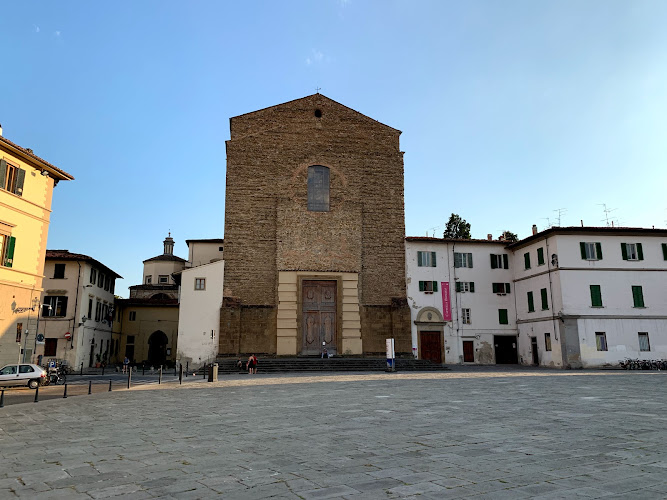
Chiesa di Santa Maria del Carmine
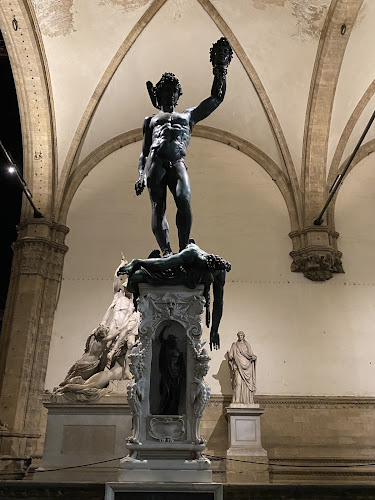
Loggia dei Lanzi
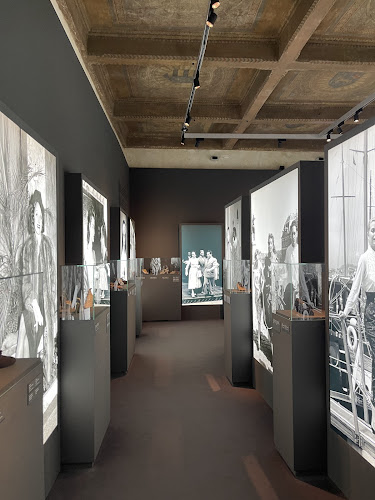
Museo Ferragamo
Find Accommodations Nearby
Recommended Tours & Activities
Visitor Reviews
There are no reviews yet. Be the first one to write one.
Share Your Experience
Have you visited Piazza della Signoria? Help other travelers by leaving a review.