
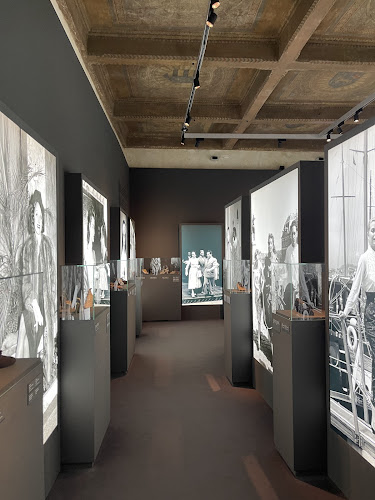
Museo Ferragamo
About Museo Ferragamo
Description
The Museo Ferragamo is one of those places that quietly rewires how you think about fashion. Not runway drama, not influencer hype. Shoes. Craft. Obsession with detail. Set inside a medieval palazzo in Florence, the museum tells the story of Salvatore Ferragamo, a local boy who left, learned, failed, learned again, and came back with ideas that changed how shoes were made forever. And honestly, even if you think you’re “not really into fashion,” this place has a sneaky way of pulling you in.
The building itself matters. Thick stone walls, cool interiors, that slightly echoey feeling you get in old Florentine palaces. It grounds the experience. You’re not in a glossy showroom; you’re in a space that has lived through centuries, now filled with footwear that once walked red carpets, film sets, and everyday streets. The museum doesn’t just show beautiful shoes. It explains why they were beautiful, and more importantly, how they were built.
What stood out to me the first time was how technical it all is. Ferragamo studied anatomy. He dissected shoes (and feet) to understand balance and comfort. So you’ll see X-rays, wooden lasts, early prototypes that look almost clumsy compared to the final product. And that honesty is refreshing. Not everything here screams perfection. Some designs feel experimental, even odd. But that’s the point. Progress usually looks a bit weird at first.
The museum changes its exhibitions regularly, which keeps things interesting. One year it might focus on Hollywood connections—Ferragamo worked with film stars long before celebrity collaborations were a thing. Another time, it zooms in on sustainability, materials, or craftsmanship traditions. There’s a strong narrative thread: fashion isn’t just about looking good, it’s about problem-solving. How do you make a shoe elegant when materials are scarce? How do you support the foot without sacrificing style? These questions still matter today.
And yes, it is family-friendly, which surprised me. Kids don’t usually care about shoes, but interactive displays and visual storytelling help. I once overheard a child explaining arch support to their parent. That alone felt like a win. The museum balances education with accessibility, and while some visitors breeze through in under an hour, others linger, reading every panel like it’s a novel.
It’s not perfect, and that’s okay. Some people expect more glitz, more “wow.” Others wish it were bigger. But if you approach it with curiosity instead of expectations, the Museo Ferragamo rewards you. It’s thoughtful, focused, and deeply Florentine in its pride for craft over flash.
Key Features
- Historic setting inside a medieval Florentine palazzo that adds atmosphere and context
- Permanent and rotating exhibitions dedicated to shoe design, fashion history, and craftsmanship
- Original Ferragamo shoes worn by film stars, artists, and everyday clients
- Detailed explanations of shoe construction, anatomy, and materials
- Archival sketches, prototypes, wooden lasts, and experimental designs
- Assisted listening devices for enhanced accessibility
- Wheelchair-accessible entrance and restrooms
- Kid-friendly activities and discounted tickets for children
- Onsite restrooms and Wi‑Fi for visitor convenience
- A calmer, more reflective experience compared to Florence’s blockbuster museums
Best Time to Visit
Timing matters here, but not in the stressful, alarm-setting way. The Museo Ferragamo is busiest during peak Florence season—late spring through early fall—yet it rarely feels chaotic. Still, mornings are your friend. Aim for opening hours if you want space to think, read, and maybe sit for a moment without someone hovering behind you.
I personally like visiting on a weekday afternoon, when tour groups thin out and the museum feels almost private. There’s something nice about standing in front of a display of hand-painted shoes with only your own thoughts buzzing. Weekends can be a bit busier, especially if there’s a popular temporary exhibition, but it’s manageable.
If you’re in Florence during the summer heat, this museum is a gift. The thick walls keep it pleasantly cool, and you’ll appreciate that more than you expect. Winter visits have their own charm too. Fewer crowds, slower pace, and time to really absorb the details. Rainy days? Perfect excuse. Honestly, I’ve ducked in here to escape a downpour and ended up staying two hours.
How to Get There
The museum sits right in Florence’s historic center, which means you’ll almost certainly be on foot. And that’s a good thing. Florence is best experienced by walking, getting a bit lost, then finding something unexpected. The Museo Ferragamo often becomes one of those “oh, let’s pop in” moments.
If you’re coming from major landmarks like the Duomo or Ponte Vecchio, it’s an easy stroll. The streets around the palazzo are busy but manageable, and you’ll pass shops, cafés, and the usual Florentine chaos. Public transportation can get you close, but honestly, walking is faster and less confusing unless you’re staying far out.
For travelers with mobility needs, the area is relatively accessible, though like much of Florence, the sidewalks can be uneven. Once inside, the museum itself is well set up, with accessible entrances and facilities. That makes a real difference, and it’s something not all historic buildings manage well.
Tips for Visiting
First tip: don’t rush. This isn’t a museum you blitz through in 20 minutes unless you really want to. Give yourself at least an hour, more if you enjoy reading and design processes. The captions are actually worth your time, and that’s not something I say lightly.
Second, keep an open mind. You might walk in expecting glamour and walk out fascinated by cork soles and steel shanks. Let that happen. Some of the most interesting displays are the least flashy ones. The half-finished shoe, the failed experiment, the sketch with notes scribbled in the margins.
If you’re traveling with kids, lean into the interactive parts. Ask them questions. Let them guess why a shoe was designed a certain way. You might be surprised how engaged they get. Discounts for children help, but the real value is how approachable the content is.
Photography rules can vary by exhibition, so check before snapping away. And even if photos are allowed, try to put the phone down for a bit. I know, ironic advice on the internet. But some details—textures, stitching, balance—you notice better when you’re not framing a shot.
There’s no restaurant inside, so plan accordingly. Grab a coffee before or after. I usually pair a visit here with a slow lunch nearby, letting the ideas from the museum linger. You’ll start noticing shoes differently as you walk. Arch support. Heel height. Balance. It kind of ruins you, but in a good way.
Lastly, remember that this museum reflects one designer’s philosophy, not the whole fashion world. And that focus is its strength. It’s intimate, opinionated, and proud of its roots. If you let it, the Museo Ferragamo will show you that even something as everyday as a shoe carries history, science, and a lot of stubborn creativity. And yeah, you might leave eyeing your own shoes a little more critically. I always do.
Key Features
- Historic setting inside a medieval Florentine palazzo that adds atmosphere and context
- Permanent and rotating exhibitions dedicated to shoe design, fashion history, and craftsmanship
- Original Ferragamo shoes worn by film stars, artists, and everyday clients
- Detailed explanations of shoe construction, anatomy, and materials
- Archival sketches, prototypes, wooden lasts, and experimental designs
- Assisted listening devices for enhanced accessibility
- Wheelchair-accessible entrance and restrooms
- Kid-friendly activities and discounted tickets for children
More Details
Updated December 31, 2025
Table of Contents
Description
The Museo Ferragamo is one of those places that quietly rewires how you think about fashion. Not runway drama, not influencer hype. Shoes. Craft. Obsession with detail. Set inside a medieval palazzo in Florence, the museum tells the story of Salvatore Ferragamo, a local boy who left, learned, failed, learned again, and came back with ideas that changed how shoes were made forever. And honestly, even if you think you’re “not really into fashion,” this place has a sneaky way of pulling you in.
The building itself matters. Thick stone walls, cool interiors, that slightly echoey feeling you get in old Florentine palaces. It grounds the experience. You’re not in a glossy showroom; you’re in a space that has lived through centuries, now filled with footwear that once walked red carpets, film sets, and everyday streets. The museum doesn’t just show beautiful shoes. It explains why they were beautiful, and more importantly, how they were built.
What stood out to me the first time was how technical it all is. Ferragamo studied anatomy. He dissected shoes (and feet) to understand balance and comfort. So you’ll see X-rays, wooden lasts, early prototypes that look almost clumsy compared to the final product. And that honesty is refreshing. Not everything here screams perfection. Some designs feel experimental, even odd. But that’s the point. Progress usually looks a bit weird at first.
The museum changes its exhibitions regularly, which keeps things interesting. One year it might focus on Hollywood connections—Ferragamo worked with film stars long before celebrity collaborations were a thing. Another time, it zooms in on sustainability, materials, or craftsmanship traditions. There’s a strong narrative thread: fashion isn’t just about looking good, it’s about problem-solving. How do you make a shoe elegant when materials are scarce? How do you support the foot without sacrificing style? These questions still matter today.
And yes, it is family-friendly, which surprised me. Kids don’t usually care about shoes, but interactive displays and visual storytelling help. I once overheard a child explaining arch support to their parent. That alone felt like a win. The museum balances education with accessibility, and while some visitors breeze through in under an hour, others linger, reading every panel like it’s a novel.
It’s not perfect, and that’s okay. Some people expect more glitz, more “wow.” Others wish it were bigger. But if you approach it with curiosity instead of expectations, the Museo Ferragamo rewards you. It’s thoughtful, focused, and deeply Florentine in its pride for craft over flash.
Key Features
- Historic setting inside a medieval Florentine palazzo that adds atmosphere and context
- Permanent and rotating exhibitions dedicated to shoe design, fashion history, and craftsmanship
- Original Ferragamo shoes worn by film stars, artists, and everyday clients
- Detailed explanations of shoe construction, anatomy, and materials
- Archival sketches, prototypes, wooden lasts, and experimental designs
- Assisted listening devices for enhanced accessibility
- Wheelchair-accessible entrance and restrooms
- Kid-friendly activities and discounted tickets for children
- Onsite restrooms and Wi‑Fi for visitor convenience
- A calmer, more reflective experience compared to Florence’s blockbuster museums
Best Time to Visit
Timing matters here, but not in the stressful, alarm-setting way. The Museo Ferragamo is busiest during peak Florence season—late spring through early fall—yet it rarely feels chaotic. Still, mornings are your friend. Aim for opening hours if you want space to think, read, and maybe sit for a moment without someone hovering behind you.
I personally like visiting on a weekday afternoon, when tour groups thin out and the museum feels almost private. There’s something nice about standing in front of a display of hand-painted shoes with only your own thoughts buzzing. Weekends can be a bit busier, especially if there’s a popular temporary exhibition, but it’s manageable.
If you’re in Florence during the summer heat, this museum is a gift. The thick walls keep it pleasantly cool, and you’ll appreciate that more than you expect. Winter visits have their own charm too. Fewer crowds, slower pace, and time to really absorb the details. Rainy days? Perfect excuse. Honestly, I’ve ducked in here to escape a downpour and ended up staying two hours.
How to Get There
The museum sits right in Florence’s historic center, which means you’ll almost certainly be on foot. And that’s a good thing. Florence is best experienced by walking, getting a bit lost, then finding something unexpected. The Museo Ferragamo often becomes one of those “oh, let’s pop in” moments.
If you’re coming from major landmarks like the Duomo or Ponte Vecchio, it’s an easy stroll. The streets around the palazzo are busy but manageable, and you’ll pass shops, cafés, and the usual Florentine chaos. Public transportation can get you close, but honestly, walking is faster and less confusing unless you’re staying far out.
For travelers with mobility needs, the area is relatively accessible, though like much of Florence, the sidewalks can be uneven. Once inside, the museum itself is well set up, with accessible entrances and facilities. That makes a real difference, and it’s something not all historic buildings manage well.
Tips for Visiting
First tip: don’t rush. This isn’t a museum you blitz through in 20 minutes unless you really want to. Give yourself at least an hour, more if you enjoy reading and design processes. The captions are actually worth your time, and that’s not something I say lightly.
Second, keep an open mind. You might walk in expecting glamour and walk out fascinated by cork soles and steel shanks. Let that happen. Some of the most interesting displays are the least flashy ones. The half-finished shoe, the failed experiment, the sketch with notes scribbled in the margins.
If you’re traveling with kids, lean into the interactive parts. Ask them questions. Let them guess why a shoe was designed a certain way. You might be surprised how engaged they get. Discounts for children help, but the real value is how approachable the content is.
Photography rules can vary by exhibition, so check before snapping away. And even if photos are allowed, try to put the phone down for a bit. I know, ironic advice on the internet. But some details—textures, stitching, balance—you notice better when you’re not framing a shot.
There’s no restaurant inside, so plan accordingly. Grab a coffee before or after. I usually pair a visit here with a slow lunch nearby, letting the ideas from the museum linger. You’ll start noticing shoes differently as you walk. Arch support. Heel height. Balance. It kind of ruins you, but in a good way.
Lastly, remember that this museum reflects one designer’s philosophy, not the whole fashion world. And that focus is its strength. It’s intimate, opinionated, and proud of its roots. If you let it, the Museo Ferragamo will show you that even something as everyday as a shoe carries history, science, and a lot of stubborn creativity. And yeah, you might leave eyeing your own shoes a little more critically. I always do.
Key Highlights
- Historic setting inside a medieval Florentine palazzo that adds atmosphere and context
- Permanent and rotating exhibitions dedicated to shoe design, fashion history, and craftsmanship
- Original Ferragamo shoes worn by film stars, artists, and everyday clients
- Detailed explanations of shoe construction, anatomy, and materials
- Archival sketches, prototypes, wooden lasts, and experimental designs
- Assisted listening devices for enhanced accessibility
- Wheelchair-accessible entrance and restrooms
- Kid-friendly activities and discounted tickets for children
Location
Places to Stay Near Museo Ferragamo
Find and Book a Tour
Explore More Travel Guides
No reviews found! Be the first to review!
Traveler Reviews for Museo Ferragamo
There are no reviews yet. Be the first one to write one.
Have you visited Museo Ferragamo? Help other travelers by sharing your review.
You Might Also Like

Giardino delle Rose
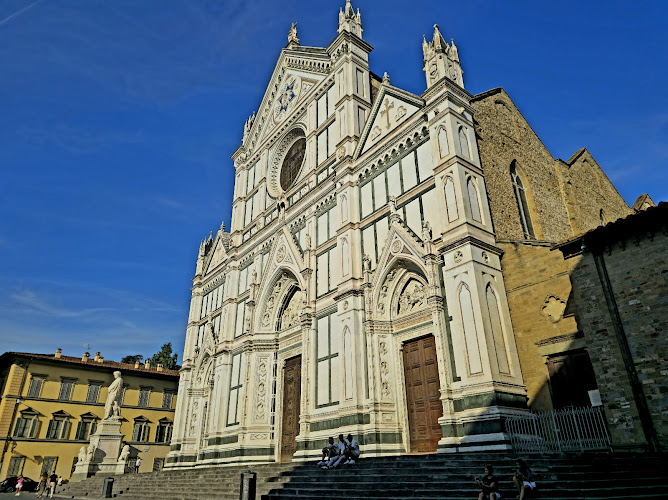
Basilica of Santa Croce in Florence

Fontana del forcone
Find Accommodations Nearby
Recommended Tours & Activities
Visitor Reviews
There are no reviews yet. Be the first one to write one.
Share Your Experience
Have you visited Museo Ferragamo? Help other travelers by leaving a review.