
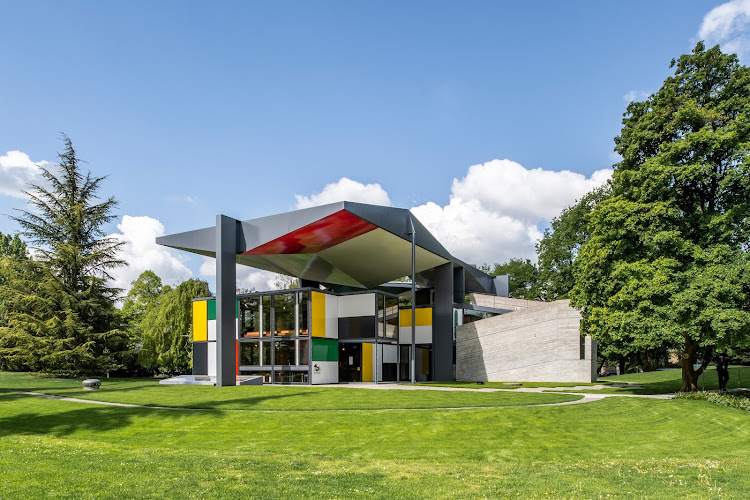
Pavillon Le Corbusier
About Pavillon Le Corbusier
Description
The Pavillon Le Corbusier stands as a remarkable testament to modernist architecture, representing the final completed work of Charles-Édouard Jeanneret, better known as Le Corbusier. This striking steel-and-glass structure catches your eye immediately with its bold color-block design that seems almost playful compared to typical museum buildings. And honestly, that's exactly what makes it so special. When you first approach this building, you'll notice how it defies conventional architectural expectations. The pavilion was completed in 1967, just two years after Le Corbusier's death, and it embodies everything the legendary architect stood for throughout his career. The structure showcases his famous five points of architecture while simultaneously pushing boundaries in ways that still feel fresh and innovative today. What really strikes visitors is how the building itself becomes part of the exhibition experience. You're not just looking at art within walls – you're experiencing a piece of architectural art that happens to house other collections. The interplay of light through those colored glass panels creates an ever-changing atmosphere throughout the day, something that photographs honestly can't quite capture. You've got to see it for yourself to understand how those primary colors transform the interior spaces. The pavilion originally served as a venue for temporary exhibitions, and today it continues that tradition while also celebrating Le Corbusier's own legacy. Walking through these spaces, you get a real sense of how the architect envisioned modern living and cultural spaces. It's not a massive museum where you'll spend an entire day, but the concentrated experience it offers is genuinely memorable.Key Features
The Pavillon Le Corbusier offers several distinctive characteristics that make it worth adding to any traveler's itinerary:- Architectural Masterpiece - Le Corbusier's last completed building showcases his revolutionary design principles in a compact, accessible format that even architecture novices can appreciate
- Steel and Glass Construction - The innovative use of industrial materials combined with vibrant color blocks creates a structure that feels both permanent and surprisingly light
- Color Block Design - Primary colors integrated into the glass and structural elements transform natural light into an artistic element throughout the day
- Live Performances - The pavilion regularly hosts cultural events and performances, adding an unexpected dynamic layer to the typical museum experience
- Wheelchair Accessible - Full accessibility means everyone can experience this architectural gem without barriers
- Family-Friendly Environment - The compact size and visual appeal make it engaging for visitors of all ages, though young children might get through it pretty quickly
- LGBTQ+ Welcoming Space - The pavilion maintains an explicitly inclusive environment for all visitors
- Rotating Exhibitions - Temporary displays keep the experience fresh for repeat visitors while honoring Le Corbusier's original vision for the space
- Restroom Facilities - Basic amenities are available on site, though there's no restaurant or café within the pavilion itself
- Photogenic Exterior and Interior - The building's distinctive appearance makes it a favorite for photography enthusiasts and architecture students alike
Best Time to Visit
Timing your visit to the Pavillon Le Corbusier can significantly impact your experience, and I've learned through conversations with frequent visitors that certain periods definitely work better than others. The pavilion shines brightest – literally – during sunny days when natural light filters through those colored glass panels. Morning visits between 10am and noon offer particularly beautiful lighting conditions as the sun illuminates the structure from favorable angles. The colors become more pronounced during these hours, creating that magical effect Le Corbusier intended. Weekday mornings tend to be quieter, giving you more space to appreciate the architecture without crowds blocking your view or interrupting your photographs. Tuesdays through Thursdays typically see fewer visitors compared to weekends when locals and tourists alike descend upon the pavilion. But honestly, even during busier periods, the space doesn't feel overwhelmingly packed due to its relatively modest size. Summer months from June through August bring longer daylight hours, allowing you to experience the building in different light conditions if you have time for multiple visits. However, this is also peak tourist season, so expect more company. Spring and early autumn offer a sweet spot – pleasant weather, decent lighting, and moderate crowd levels. Winter visits have their own charm, particularly when snow surrounds the building, creating a stark contrast with those bright primary colors. Just be aware that shorter days mean less time to catch optimal natural lighting conditions. If you're planning to attend one of the live performances or special events held at the pavilion, check the schedule in advance and book accordingly. These events can draw substantial crowds but offer a completely different perspective on how the space functions. Avoid visiting during heavy rain if possible – not because the building isn't beautiful in all weather, but because the exterior grounds become less enjoyable to explore, and the lighting effects that make the pavilion so special get diminished under thick cloud cover.How to Get There
Getting to the Pavillon Le Corbusier is straightforward, though it does require a bit of planning depending on where you're staying in the city. Public transportation offers the most convenient option for most travelers. The local tram system provides direct access relatively close to the pavilion, and the walk from the nearest stop takes about ten minutes. You'll want to grab a day pass if you're planning to visit other attractions in the same trip – it'll save you money and hassle. If you're coming by bus, several lines service the area surrounding the pavilion. The routes are well-marked and run frequently during daytime hours. Just make sure you check the schedule for return trips, especially if you're visiting later in the afternoon. For those who prefer cycling, bike paths lead directly to the pavilion area, and bike racks are available for securing your ride. The city's bike-share program makes this an affordable and enjoyable option, particularly during pleasant weather. And honestly, cycling lets you appreciate the surrounding area's character in ways you'd miss while underground on public transit. Driving remains an option, though parking can get tricky during peak visiting hours and summer months. There's parking available within reasonable walking distance, but spots fill up quickly on weekends. If you must drive, arrive early or plan for a slightly longer walk from more distant parking areas. Taxi and rideshare services can drop you directly at the entrance, which works well if you're combining your visit with other nearby attractions or have mobility concerns. The accessible entrance makes this a practical choice for visitors who need accommodation. Many travelers successfully combine their pavilion visit with exploration of the surrounding district, which features several other cultural attractions within walking distance. This makes sense from both a logistical and experiential standpoint.Tips for Visiting
Making the most of your Pavillon Le Corbusier experience requires some insider knowledge that guidebooks sometimes skip over. First off, don't rush through this place. Yeah, it's not enormous, but the architecture deserves careful observation. Plan to spend at least 45 minutes to an hour, longer if there's a special exhibition that catches your interest. I've seen too many visitors breeze through in twenty minutes and miss the subtle details that make this building special. Photography is generally permitted, but be respectful of other visitors and any specific restrictions around temporary exhibitions. The colored light effects photograph beautifully, though getting the exposure right can be tricky – consider bringing your camera rather than relying solely on your phone if you're serious about capturing the experience. Since there's no restaurant or café within the pavilion itself, eat before you visit or plan to grab food afterward in the surrounding neighborhood. Several good options exist within walking distance, and exploring local restaurants adds another dimension to your trip. Check the pavilion's schedule before visiting to see if any live performances or special events coincide with your planned visit. These events can enhance your experience significantly, though they may also mean different visiting hours or areas temporarily closed to general admission. Wear comfortable shoes – you'll be standing and walking on various surfaces, and the building's design encourages movement through different levels and spaces. The accessible entrance means everyone can navigate the space, but comfortable footwear helps regardless of mobility level. Consider timing your visit to allow for exploring the exterior grounds as well. The pavilion's relationship with its surroundings was important to Le Corbusier, and viewing the building from different external angles provides valuable context for understanding his design intentions. If you're genuinely interested in architecture or Le Corbusier's work specifically, doing some background reading before your visit pays off. You'll catch references and design elements that might otherwise go unnoticed. Even just fifteen minutes of research can transform your experience from "that's a cool building" to "I understand what makes this revolutionary." Bring a light jacket even during warmer months – the steel and glass construction means interior temperatures can vary, and you want to be comfortable enough to spend adequate time inside. Don't skip the museum shop if there is one during your visit. Architectural books and souvenirs related to Le Corbusier's work make meaningful mementos, and you're unlikely to find the same selection elsewhere. Finally, remember that this is a working cultural space, not just a static monument. Respect any guidelines around noise levels, photography restrictions in certain areas, and exhibition-specific rules. The pavilion maintains its welcoming, inclusive atmosphere partly through visitors' consideration for others and the space itself.Key Features
- Last completed building by Le Corbusier, showcasing his mature architectural ideas
- Striking steel-and-glass construction with primary-colour accents
- Intimate galleries designed for paintings, drawings and models
- Picturesque lakeside setting at Zürichhorn with views of Lake Zurich
- Regular guided tours, talks and occasional evening events
More Details
Updated January 17, 2026
Table of Contents
Description
The Pavillon Le Corbusier stands as a remarkable testament to modernist architecture, representing the final completed work of Charles-Édouard Jeanneret, better known as Le Corbusier. This striking steel-and-glass structure catches your eye immediately with its bold color-block design that seems almost playful compared to typical museum buildings. And honestly, that’s exactly what makes it so special.
When you first approach this building, you’ll notice how it defies conventional architectural expectations. The pavilion was completed in 1967, just two years after Le Corbusier’s death, and it embodies everything the legendary architect stood for throughout his career. The structure showcases his famous five points of architecture while simultaneously pushing boundaries in ways that still feel fresh and innovative today.
What really strikes visitors is how the building itself becomes part of the exhibition experience. You’re not just looking at art within walls – you’re experiencing a piece of architectural art that happens to house other collections. The interplay of light through those colored glass panels creates an ever-changing atmosphere throughout the day, something that photographs honestly can’t quite capture. You’ve got to see it for yourself to understand how those primary colors transform the interior spaces.
The pavilion originally served as a venue for temporary exhibitions, and today it continues that tradition while also celebrating Le Corbusier’s own legacy. Walking through these spaces, you get a real sense of how the architect envisioned modern living and cultural spaces. It’s not a massive museum where you’ll spend an entire day, but the concentrated experience it offers is genuinely memorable.
Key Features
The Pavillon Le Corbusier offers several distinctive characteristics that make it worth adding to any traveler’s itinerary:
- Architectural Masterpiece – Le Corbusier’s last completed building showcases his revolutionary design principles in a compact, accessible format that even architecture novices can appreciate
- Steel and Glass Construction – The innovative use of industrial materials combined with vibrant color blocks creates a structure that feels both permanent and surprisingly light
- Color Block Design – Primary colors integrated into the glass and structural elements transform natural light into an artistic element throughout the day
- Live Performances – The pavilion regularly hosts cultural events and performances, adding an unexpected dynamic layer to the typical museum experience
- Wheelchair Accessible – Full accessibility means everyone can experience this architectural gem without barriers
- Family-Friendly Environment – The compact size and visual appeal make it engaging for visitors of all ages, though young children might get through it pretty quickly
- LGBTQ+ Welcoming Space – The pavilion maintains an explicitly inclusive environment for all visitors
- Rotating Exhibitions – Temporary displays keep the experience fresh for repeat visitors while honoring Le Corbusier’s original vision for the space
- Restroom Facilities – Basic amenities are available on site, though there’s no restaurant or café within the pavilion itself
- Photogenic Exterior and Interior – The building’s distinctive appearance makes it a favorite for photography enthusiasts and architecture students alike
Best Time to Visit
Timing your visit to the Pavillon Le Corbusier can significantly impact your experience, and I’ve learned through conversations with frequent visitors that certain periods definitely work better than others.
The pavilion shines brightest – literally – during sunny days when natural light filters through those colored glass panels. Morning visits between 10am and noon offer particularly beautiful lighting conditions as the sun illuminates the structure from favorable angles. The colors become more pronounced during these hours, creating that magical effect Le Corbusier intended.
Weekday mornings tend to be quieter, giving you more space to appreciate the architecture without crowds blocking your view or interrupting your photographs. Tuesdays through Thursdays typically see fewer visitors compared to weekends when locals and tourists alike descend upon the pavilion. But honestly, even during busier periods, the space doesn’t feel overwhelmingly packed due to its relatively modest size.
Summer months from June through August bring longer daylight hours, allowing you to experience the building in different light conditions if you have time for multiple visits. However, this is also peak tourist season, so expect more company. Spring and early autumn offer a sweet spot – pleasant weather, decent lighting, and moderate crowd levels.
Winter visits have their own charm, particularly when snow surrounds the building, creating a stark contrast with those bright primary colors. Just be aware that shorter days mean less time to catch optimal natural lighting conditions.
If you’re planning to attend one of the live performances or special events held at the pavilion, check the schedule in advance and book accordingly. These events can draw substantial crowds but offer a completely different perspective on how the space functions.
Avoid visiting during heavy rain if possible – not because the building isn’t beautiful in all weather, but because the exterior grounds become less enjoyable to explore, and the lighting effects that make the pavilion so special get diminished under thick cloud cover.
How to Get There
Getting to the Pavillon Le Corbusier is straightforward, though it does require a bit of planning depending on where you’re staying in the city.
Public transportation offers the most convenient option for most travelers. The local tram system provides direct access relatively close to the pavilion, and the walk from the nearest stop takes about ten minutes. You’ll want to grab a day pass if you’re planning to visit other attractions in the same trip – it’ll save you money and hassle.
If you’re coming by bus, several lines service the area surrounding the pavilion. The routes are well-marked and run frequently during daytime hours. Just make sure you check the schedule for return trips, especially if you’re visiting later in the afternoon.
For those who prefer cycling, bike paths lead directly to the pavilion area, and bike racks are available for securing your ride. The city’s bike-share program makes this an affordable and enjoyable option, particularly during pleasant weather. And honestly, cycling lets you appreciate the surrounding area’s character in ways you’d miss while underground on public transit.
Driving remains an option, though parking can get tricky during peak visiting hours and summer months. There’s parking available within reasonable walking distance, but spots fill up quickly on weekends. If you must drive, arrive early or plan for a slightly longer walk from more distant parking areas.
Taxi and rideshare services can drop you directly at the entrance, which works well if you’re combining your visit with other nearby attractions or have mobility concerns. The accessible entrance makes this a practical choice for visitors who need accommodation.
Many travelers successfully combine their pavilion visit with exploration of the surrounding district, which features several other cultural attractions within walking distance. This makes sense from both a logistical and experiential standpoint.
Tips for Visiting
Making the most of your Pavillon Le Corbusier experience requires some insider knowledge that guidebooks sometimes skip over.
First off, don’t rush through this place. Yeah, it’s not enormous, but the architecture deserves careful observation. Plan to spend at least 45 minutes to an hour, longer if there’s a special exhibition that catches your interest. I’ve seen too many visitors breeze through in twenty minutes and miss the subtle details that make this building special.
Photography is generally permitted, but be respectful of other visitors and any specific restrictions around temporary exhibitions. The colored light effects photograph beautifully, though getting the exposure right can be tricky – consider bringing your camera rather than relying solely on your phone if you’re serious about capturing the experience.
Since there’s no restaurant or café within the pavilion itself, eat before you visit or plan to grab food afterward in the surrounding neighborhood. Several good options exist within walking distance, and exploring local restaurants adds another dimension to your trip.
Check the pavilion’s schedule before visiting to see if any live performances or special events coincide with your planned visit. These events can enhance your experience significantly, though they may also mean different visiting hours or areas temporarily closed to general admission.
Wear comfortable shoes – you’ll be standing and walking on various surfaces, and the building’s design encourages movement through different levels and spaces. The accessible entrance means everyone can navigate the space, but comfortable footwear helps regardless of mobility level.
Consider timing your visit to allow for exploring the exterior grounds as well. The pavilion’s relationship with its surroundings was important to Le Corbusier, and viewing the building from different external angles provides valuable context for understanding his design intentions.
If you’re genuinely interested in architecture or Le Corbusier’s work specifically, doing some background reading before your visit pays off. You’ll catch references and design elements that might otherwise go unnoticed. Even just fifteen minutes of research can transform your experience from “that’s a cool building” to “I understand what makes this revolutionary.”
Bring a light jacket even during warmer months – the steel and glass construction means interior temperatures can vary, and you want to be comfortable enough to spend adequate time inside.
Don’t skip the museum shop if there is one during your visit. Architectural books and souvenirs related to Le Corbusier’s work make meaningful mementos, and you’re unlikely to find the same selection elsewhere.
Finally, remember that this is a working cultural space, not just a static monument. Respect any guidelines around noise levels, photography restrictions in certain areas, and exhibition-specific rules. The pavilion maintains its welcoming, inclusive atmosphere partly through visitors’ consideration for others and the space itself.
Key Highlights
- Last completed building by Le Corbusier, showcasing his mature architectural ideas
- Striking steel-and-glass construction with primary-colour accents
- Intimate galleries designed for paintings, drawings and models
- Picturesque lakeside setting at Zürichhorn with views of Lake Zurich
- Regular guided tours, talks and occasional evening events
Location
Places to Stay Near Pavillon Le Corbusier
Find and Book a Tour
Explore More Travel Guides
No reviews found! Be the first to review!
Traveler Reviews for Pavillon Le Corbusier
There are no reviews yet. Be the first one to write one.
Have you visited Pavillon Le Corbusier? Help other travelers by sharing your review.
Nearby Attractions
You Might Also Like
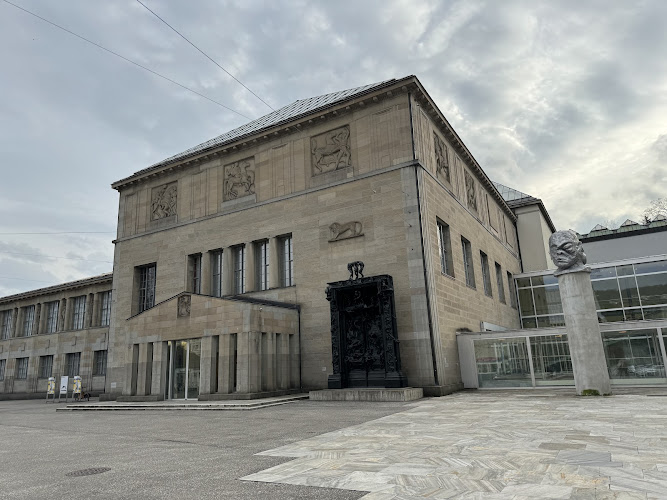
Kunsthaus Zürich
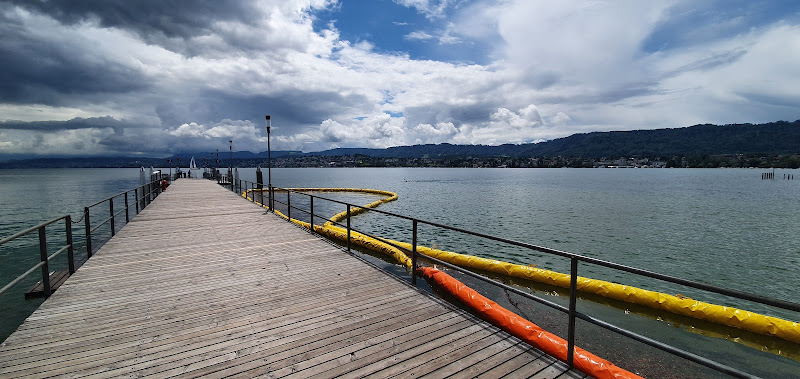
Zürichhorn

Old Botanical Garden
Find Accommodations Nearby
Recommended Tours & Activities
Visitor Reviews
There are no reviews yet. Be the first one to write one.
Share Your Experience
Have you visited Pavillon Le Corbusier? Help other travelers by leaving a review.