
Nagaragawa Ukai Museum
About Nagaragawa Ukai Museum
Description
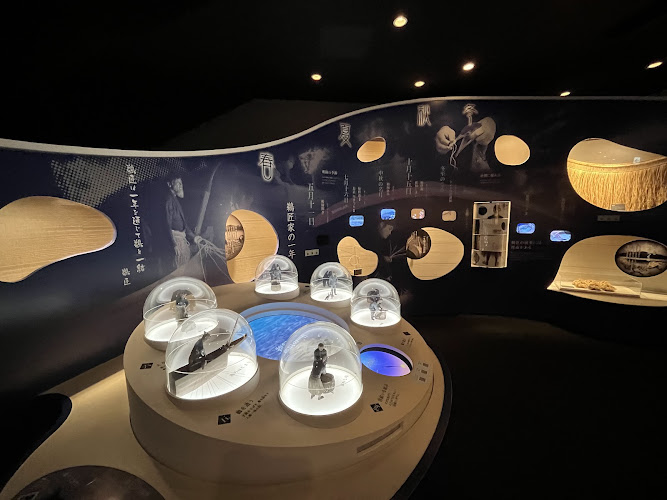
The Nagaragawa Ukai Museum is the kind of place that quietly pulls you in. It doesn’t shout for attention, and that’s sort of the point. Dedicated to the centuries-old tradition of Japanese cormorant fishing, this modern museum sits close to the Nagara River, where the practice still happens seasonally. Walking through it feels like stepping into a living timeline rather than a dusty history lesson. And honestly, that surprised me the first time I visited. I expected a small local museum. What I found instead was thoughtful, tech-forward storytelling mixed with deep respect for tradition.
The museum focuses on ukai, a fishing method that dates back more than 1,300 years. Fishermen use trained cormorants to catch sweetfish at night, guiding them with ropes and firelight. It sounds theatrical, and it is, but the museum does a solid job of explaining the daily grind behind the romance. There are interactive displays, life-sized boats, and videos that show how much skill and patience goes into this work. And yes, even if you’ve never been to a museum that made you say “huh, that’s actually cool,” this one might do it.
What really sticks is the balance. It’s not overly academic, but it’s also not dumbed down. Kids can press buttons and watch animations, while adults can linger over detailed explanations of tools, clothing, and seasonal rituals. I remember overhearing a local grandfather explaining ukai to his grandkid, adding his own little flourishes. That kind of intergenerational moment seems to happen a lot here.
The building itself is clean and contemporary, with wide windows and a calm, airy feel. It’s wheelchair accessible throughout, which makes a huge difference for families and older travelers. There’s even a restaurant on-site, which, trust me, you’ll appreciate after wandering around longer than planned. And you probably will wander. Time sort of slips.
For travelers who want to understand Gifu beyond the usual sightseeing checklist, the Nagaragawa Ukai Museum offers context. It explains why the river matters. Why summer nights are special here. And why locals still care deeply about a fishing method that could’ve easily faded into history.
Key Features
- Interactive exhibits that explain cormorant fishing step by step, without assuming prior knowledge
- Life-sized replicas of ukai boats and fishing gear you can see up close
- Immersive video presentations showing real fishermen at work on the Nagara River
- Displays focused on the daily lives of cormorant masters, not just the spectacle
- Hands-on sections designed for kids, but secretly fun for adults too
- On-site restaurant with views connected to the river landscape
- Fully wheelchair accessible facilities, including restrooms and parking
- Calm, modern architecture that doesn’t distract from the content
Best Time to Visit
If you’re asking purely from a museum standpoint, the Nagaragawa Ukai Museum works year-round. Rainy day? Too hot outside? This is a safe bet. But if you want the full emotional payoff, summer is the sweet spot. The ukai fishing season typically runs from late spring through early autumn, and visiting the museum before or after seeing an actual fishing demonstration makes everything click.
I went once in early July, sweaty and slightly grumpy from walking around all day. But the museum was cool, quiet, and oddly grounding. Later that evening, watching the real boats glide across the river, I caught myself recognizing tools and techniques I’d just learned about. That “ohhh, now I get it” feeling is gold when traveling.
Weekdays tend to be calmer, especially in the mornings. Weekends and holidays can draw families and tour groups, which adds energy but also noise. If you’re the type who likes reading every panel without feeling rushed, aim for a weekday morning. And if you’re traveling with kids, afternoons are fine; the museum is designed to handle that buzz.
Winter visits are quieter and more reflective. You won’t see live fishing, but the museum almost feels more intimate then. Fewer people, more space to think. Depends on your travel style, really.
How to Get There
Getting to the Nagaragawa Ukai Museum is pretty straightforward, even if you’re not fluent in Japanese or used to regional travel. From central Gifu, public transportation and taxis are both realistic options. Buses run toward the Nagara River area, and the signage around the museum is clear enough that you won’t feel lost.
If you’re coming by taxi, most drivers recognize the museum name instantly. That’s always reassuring. And if you’re driving yourself, there’s accessible parking available, which is a big plus in this part of the city where parking can sometimes feel like a puzzle.
One thing I’ll say: give yourself extra time. Not because it’s hard to reach, but because the area around the museum is worth a slow stroll. The riverbanks, the distant mountains, the pace of life there. It’s the kind of place where rushing feels wrong.
Tips for Visiting
First tip, and I say this from experience: don’t skim. The museum rewards patience. Take your time with the exhibits, especially the video sections. They’re not background noise; they’re central to understanding ukai.
Second, if you’re visiting with kids, let them lead for a bit. The interactive elements are genuinely engaging, and watching children piece together how cormorant fishing works is half the fun. Plus, it gives you an excuse to slow down.
Third, consider pairing your visit with an evening ukai boat tour during the fishing season. The museum doesn’t sell the experience; it explains it. Seeing the real thing afterward turns information into memory. And memory is what sticks.
Fourth, eat at the restaurant if you can. Museum restaurants are usually hit or miss, but this one is solid. Simple food, comforting, and well-timed. You don’t want to be hangry while absorbing cultural history. Trust me on that.
Accessibility-wise, the museum does a good job. Wheelchair users and those with mobility challenges won’t feel like an afterthought here. Elevators, restrooms, entrances, all thoughtfully done.
Lastly, manage expectations. This isn’t a massive, all-day museum like you’d find in Tokyo. And that’s okay. It’s focused. Purposeful. You’ll likely spend one to two hours here, maybe more if you’re really into cultural history. But you’ll leave knowing something meaningful about Gifu that most travelers never bother to learn.
The Nagaragawa Ukai Museum isn’t perfect. Some exhibits could go deeper, and a few displays feel slightly dated. But overall, it delivers an honest, engaging look at a tradition that’s still alive. And for travelers who value understanding a place, not just photographing it, that’s more than enough.
Key Features
- Interactive exhibits that explain cormorant fishing step by step, without assuming prior knowledge
- Life-sized replicas of ukai boats and fishing gear you can see up close
- Immersive video presentations showing real fishermen at work on the Nagara River
- Displays focused on the daily lives of cormorant masters, not just the spectacle
- Hands-on sections designed for kids, but secretly fun for adults too
- On-site restaurant with views connected to the river landscape
- Fully wheelchair accessible facilities, including restrooms and parking
- Calm, modern architecture that doesn’t distract from the content
More Details
Updated December 31, 2025
Table of Contents
Description
The Nagaragawa Ukai Museum is the kind of place that quietly pulls you in. It doesn’t shout for attention, and that’s sort of the point. Dedicated to the centuries-old tradition of Japanese cormorant fishing, this modern museum sits close to the Nagara River, where the practice still happens seasonally. Walking through it feels like stepping into a living timeline rather than a dusty history lesson. And honestly, that surprised me the first time I visited. I expected a small local museum. What I found instead was thoughtful, tech-forward storytelling mixed with deep respect for tradition.
The museum focuses on ukai, a fishing method that dates back more than 1,300 years. Fishermen use trained cormorants to catch sweetfish at night, guiding them with ropes and firelight. It sounds theatrical, and it is, but the museum does a solid job of explaining the daily grind behind the romance. There are interactive displays, life-sized boats, and videos that show how much skill and patience goes into this work. And yes, even if you’ve never been to a museum that made you say “huh, that’s actually cool,” this one might do it.
What really sticks is the balance. It’s not overly academic, but it’s also not dumbed down. Kids can press buttons and watch animations, while adults can linger over detailed explanations of tools, clothing, and seasonal rituals. I remember overhearing a local grandfather explaining ukai to his grandkid, adding his own little flourishes. That kind of intergenerational moment seems to happen a lot here.
The building itself is clean and contemporary, with wide windows and a calm, airy feel. It’s wheelchair accessible throughout, which makes a huge difference for families and older travelers. There’s even a restaurant on-site, which, trust me, you’ll appreciate after wandering around longer than planned. And you probably will wander. Time sort of slips.
For travelers who want to understand Gifu beyond the usual sightseeing checklist, the Nagaragawa Ukai Museum offers context. It explains why the river matters. Why summer nights are special here. And why locals still care deeply about a fishing method that could’ve easily faded into history.
Key Features
- Interactive exhibits that explain cormorant fishing step by step, without assuming prior knowledge
- Life-sized replicas of ukai boats and fishing gear you can see up close
- Immersive video presentations showing real fishermen at work on the Nagara River
- Displays focused on the daily lives of cormorant masters, not just the spectacle
- Hands-on sections designed for kids, but secretly fun for adults too
- On-site restaurant with views connected to the river landscape
- Fully wheelchair accessible facilities, including restrooms and parking
- Calm, modern architecture that doesn’t distract from the content
Best Time to Visit
If you’re asking purely from a museum standpoint, the Nagaragawa Ukai Museum works year-round. Rainy day? Too hot outside? This is a safe bet. But if you want the full emotional payoff, summer is the sweet spot. The ukai fishing season typically runs from late spring through early autumn, and visiting the museum before or after seeing an actual fishing demonstration makes everything click.
I went once in early July, sweaty and slightly grumpy from walking around all day. But the museum was cool, quiet, and oddly grounding. Later that evening, watching the real boats glide across the river, I caught myself recognizing tools and techniques I’d just learned about. That “ohhh, now I get it” feeling is gold when traveling.
Weekdays tend to be calmer, especially in the mornings. Weekends and holidays can draw families and tour groups, which adds energy but also noise. If you’re the type who likes reading every panel without feeling rushed, aim for a weekday morning. And if you’re traveling with kids, afternoons are fine; the museum is designed to handle that buzz.
Winter visits are quieter and more reflective. You won’t see live fishing, but the museum almost feels more intimate then. Fewer people, more space to think. Depends on your travel style, really.
How to Get There
Getting to the Nagaragawa Ukai Museum is pretty straightforward, even if you’re not fluent in Japanese or used to regional travel. From central Gifu, public transportation and taxis are both realistic options. Buses run toward the Nagara River area, and the signage around the museum is clear enough that you won’t feel lost.
If you’re coming by taxi, most drivers recognize the museum name instantly. That’s always reassuring. And if you’re driving yourself, there’s accessible parking available, which is a big plus in this part of the city where parking can sometimes feel like a puzzle.
One thing I’ll say: give yourself extra time. Not because it’s hard to reach, but because the area around the museum is worth a slow stroll. The riverbanks, the distant mountains, the pace of life there. It’s the kind of place where rushing feels wrong.
Tips for Visiting
First tip, and I say this from experience: don’t skim. The museum rewards patience. Take your time with the exhibits, especially the video sections. They’re not background noise; they’re central to understanding ukai.
Second, if you’re visiting with kids, let them lead for a bit. The interactive elements are genuinely engaging, and watching children piece together how cormorant fishing works is half the fun. Plus, it gives you an excuse to slow down.
Third, consider pairing your visit with an evening ukai boat tour during the fishing season. The museum doesn’t sell the experience; it explains it. Seeing the real thing afterward turns information into memory. And memory is what sticks.
Fourth, eat at the restaurant if you can. Museum restaurants are usually hit or miss, but this one is solid. Simple food, comforting, and well-timed. You don’t want to be hangry while absorbing cultural history. Trust me on that.
Accessibility-wise, the museum does a good job. Wheelchair users and those with mobility challenges won’t feel like an afterthought here. Elevators, restrooms, entrances, all thoughtfully done.
Lastly, manage expectations. This isn’t a massive, all-day museum like you’d find in Tokyo. And that’s okay. It’s focused. Purposeful. You’ll likely spend one to two hours here, maybe more if you’re really into cultural history. But you’ll leave knowing something meaningful about Gifu that most travelers never bother to learn.
The Nagaragawa Ukai Museum isn’t perfect. Some exhibits could go deeper, and a few displays feel slightly dated. But overall, it delivers an honest, engaging look at a tradition that’s still alive. And for travelers who value understanding a place, not just photographing it, that’s more than enough.
Key Highlights
- Interactive exhibits that explain cormorant fishing step by step, without assuming prior knowledge
- Life-sized replicas of ukai boats and fishing gear you can see up close
- Immersive video presentations showing real fishermen at work on the Nagara River
- Displays focused on the daily lives of cormorant masters, not just the spectacle
- Hands-on sections designed for kids, but secretly fun for adults too
- On-site restaurant with views connected to the river landscape
- Fully wheelchair accessible facilities, including restrooms and parking
- Calm, modern architecture that doesn’t distract from the content
Location
Places to Stay Near Nagaragawa Ukai Museum
Find and Book a Tour
Explore More Travel Guides
No reviews found! Be the first to review!
Traveler Reviews for Nagaragawa Ukai Museum
There are no reviews yet. Be the first one to write one.
Have you visited Nagaragawa Ukai Museum? Help other travelers by sharing your review.
You Might Also Like
Kanotenjinmachi
Kashimori Shrine
Gifu City Museum of History
Find Accommodations Nearby
Recommended Tours & Activities
Visitor Reviews
There are no reviews yet. Be the first one to write one.
Share Your Experience
Have you visited Nagaragawa Ukai Museum? Help other travelers by leaving a review.