
Maritiman
About Maritiman
Description
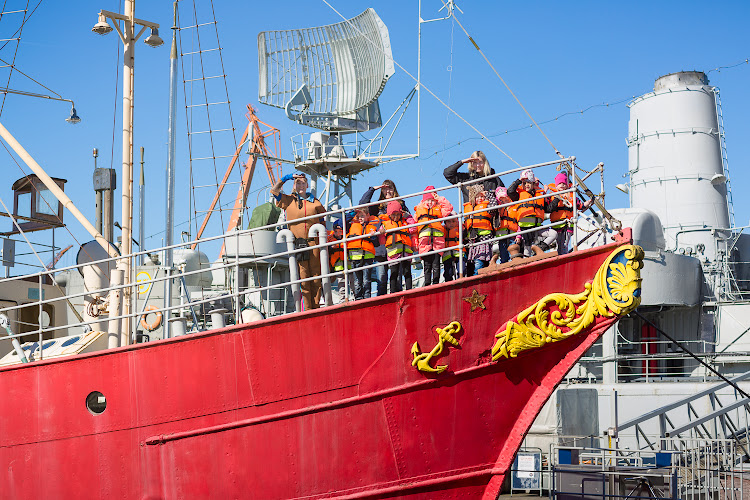
The Maritiman stands as one of Sweden's most remarkable floating museums, offering travelers a chance to step aboard actual maritime vessels that once sailed the world's oceans. Located along the waterfront, this collection of ships isn't your typical museum where you stare at displays behind glass - you're actually climbing through real vessels, touching history, and experiencing what life was like for sailors and naval personnel. What makes this place genuinely special is the sheer variety of vessels you can explore. We're talking about a destroyer, a submarine, firefighting ships, lightships, and more. Each vessel tells its own story, and honestly, it's pretty incredible to think about the journeys these ships made before they found their permanent home here. I've visited my fair share of maritime museums around Europe, and there's something uniquely engaging about being able to walk through tight submarine corridors or stand on the deck of a destroyer where crews once kept watch. The museum doesn't just cater to maritime enthusiasts either. Families find it fascinating because kids absolutely love the adventure of exploring real ships - it's like a massive playground meets history lesson. And for those who appreciate engineering and military history, you'll find yourself spending hours examining the intricate systems that kept these vessels operational.Key Features
Visitors to the Maritiman can expect to encounter an impressive array of maritime vessels and facilities: • Multiple floating vessels available for exploration, including a real submarine where you can see crew quarters, torpedo rooms, and control stations • The destroyer Småland, one of the largest ships in the collection, offering expansive deck space and insight into naval warfare capabilities • Several support vessels including firefighting boats and lightships that played crucial roles in maritime safety • Interactive displays throughout the ships that explain their functions, history, and the daily lives of their crews • Original equipment and furnishings preserved within the vessels, giving an authentic feel to the experience • Wheelchair accessible entrance and seating areas, making the museum welcoming to visitors with mobility considerations • Onsite restaurant where you can grab food and take a break between ship explorations • Good facilities for families with children, including areas designed with younger visitors in mind • Paid parking available nearby for those arriving by car • Self-guided exploration that allows you to move at your own pace through the various vesselsBest Time to Visit
Timing your visit to the Maritiman really depends on what kind of experience you're after. The summer months from June through August bring the warmest weather and longest daylight hours, which is ideal since you'll be spending time outdoors moving between vessels. But here's the thing - summer also means more tourists, and navigating narrow submarine corridors with crowds can feel a bit claustrophobic. I'd actually recommend visiting in late spring (May) or early autumn (September) if your schedule allows it. The weather's still pleasant enough that you won't be freezing on deck, but you'll encounter fewer crowds. There's something quite atmospheric about exploring these historic vessels when it's a bit quieter - you can really take your time and imagine what life was like aboard these ships. Winter visits are possible, but you'll want to bundle up properly since much of the experience involves being outside or in unheated ship areas. The cold can make metal surfaces uncomfortable to touch, and some areas might have restricted access depending on weather conditions. However, if you don't mind the chill, winter visits offer incredible solitude and photo opportunities without other tourists in your shots. Weekday visits generally offer a more relaxed experience compared to weekends, particularly during school holiday periods when families flock to the museum. If you're traveling with kids and want them to really engage with the exhibits without feeling rushed, aim for a Tuesday or Wednesday morning. The museum typically operates with seasonal hours, so checking before you go is essential. During peak season, you'll have more time to explore in the evening hours, which can be lovely when the light hits the water just right.How to Get There
Getting to the Maritiman is straightforward whether you're staying in the city center or coming from further afield. Public transportation provides excellent access, and the museum's waterfront location makes it easy to incorporate into a broader day of sightseeing. For those using public transit, tram lines serve the area well, and you can walk from several central stops. The journey itself offers nice views of the waterfront, and you'll likely spot the ships before you even reach the entrance. Bus routes also connect to nearby stops, making it accessible from various parts of the city. If you're driving, there's paid parking available in the vicinity. During busy periods, parking spaces can fill up quickly, so arriving earlier in the day gives you better chances of finding a spot close by. The parking fees are pretty standard for a major tourist area, but factor this into your budget if you're watching expenses. Many travelers find that combining a visit to the Maritiman with waterfront walks creates a perfect half-day or full-day itinerary. The location integrates well with other nearby attractions, and the maritime atmosphere of the surrounding area adds to the overall experience. Cycling is another viable option, as the waterfront areas typically have good bike infrastructure. You'll find places to secure your bike near the museum entrance.Tips for Visiting
Plan to spend at least two to three hours here if you want to properly explore the vessels. Rushing through defeats the purpose - these ships deserve your attention, and there's a lot to see. Some visitors easily spend four or five hours if they're really into maritime history. Wear comfortable, practical shoes. You'll be climbing stairs, stepping over thresholds, and navigating sometimes slippery surfaces. Those cute sandals or dress shoes? Leave them at the hotel. Sneakers or walking shoes with good grip are essential. The submarine is probably the highlight for most people, but it's not for everyone. If you experience claustrophobia, be honest with yourself about whether squeezing through tight spaces underground (well, underwater technically) will be enjoyable or anxiety-inducing. There's no shame in skipping it and spending more time on the surface vessels. Bring layers of clothing regardless of the season. Even on warm days, it can get cool in the ships' interiors, and being out on deck with wind coming off the water drops the temperature considerably. You don't want to cut your visit short because you're uncomfortable. Photography enthusiasts should bring their cameras - you'll find amazing shots everywhere. The interiors of the ships offer dramatic lighting conditions, and the exteriors against the water create beautiful compositions. But watch your step when you're focused on getting that perfect shot. If you're visiting with young children, keep a close eye on them. While the museum is good for kids, there are steep stairs, low ceilings, and areas where little ones could potentially get hurt if they're running around unsupervised. It's an adventure, but safety comes first. The restaurant onsite is convenient, but prices reflect the captive audience situation. Consider eating before you arrive or bringing snacks if you're budget-conscious. That said, taking a break with a coffee or meal while looking out at the vessels can be a nice part of the experience. Don't skip the smaller vessels in favor of just seeing the submarine and destroyer. The firefighting boats and other support ships offer unique perspectives on maritime operations that you won't get from the bigger, flashier vessels. Accessibility is decent with the wheelchair-accessible entrance and seating, but understand that not all areas of all ships will be accessible to everyone. The nature of historic vessels means there are inherent limitations. Contact the museum beforehand if you have specific accessibility concerns. Finally, take your time reading the information provided throughout the exhibits. The technical details and personal stories add so much context to what you're seeing. It's the difference between just looking at old equipment and actually understanding the human experience of life at sea.Key Features
- Key Features
- Best Time to Visit
- How to Get There
- Tips for Visiting
More Details
Updated March 30, 2026
Table of Contents
Description
The Maritiman stands as one of Sweden’s most remarkable floating museums, offering travelers a chance to step aboard actual maritime vessels that once sailed the world’s oceans. Located along the waterfront, this collection of ships isn’t your typical museum where you stare at displays behind glass – you’re actually climbing through real vessels, touching history, and experiencing what life was like for sailors and naval personnel.
What makes this place genuinely special is the sheer variety of vessels you can explore. We’re talking about a destroyer, a submarine, firefighting ships, lightships, and more. Each vessel tells its own story, and honestly, it’s pretty incredible to think about the journeys these ships made before they found their permanent home here. I’ve visited my fair share of maritime museums around Europe, and there’s something uniquely engaging about being able to walk through tight submarine corridors or stand on the deck of a destroyer where crews once kept watch.
The museum doesn’t just cater to maritime enthusiasts either. Families find it fascinating because kids absolutely love the adventure of exploring real ships – it’s like a massive playground meets history lesson. And for those who appreciate engineering and military history, you’ll find yourself spending hours examining the intricate systems that kept these vessels operational.
Key Features
Visitors to the Maritiman can expect to encounter an impressive array of maritime vessels and facilities:
• Multiple floating vessels available for exploration, including a real submarine where you can see crew quarters, torpedo rooms, and control stations
• The destroyer Småland, one of the largest ships in the collection, offering expansive deck space and insight into naval warfare capabilities
• Several support vessels including firefighting boats and lightships that played crucial roles in maritime safety
• Interactive displays throughout the ships that explain their functions, history, and the daily lives of their crews
• Original equipment and furnishings preserved within the vessels, giving an authentic feel to the experience
• Wheelchair accessible entrance and seating areas, making the museum welcoming to visitors with mobility considerations
• Onsite restaurant where you can grab food and take a break between ship explorations
• Good facilities for families with children, including areas designed with younger visitors in mind
• Paid parking available nearby for those arriving by car
• Self-guided exploration that allows you to move at your own pace through the various vessels
Best Time to Visit
Timing your visit to the Maritiman really depends on what kind of experience you’re after. The summer months from June through August bring the warmest weather and longest daylight hours, which is ideal since you’ll be spending time outdoors moving between vessels. But here’s the thing – summer also means more tourists, and navigating narrow submarine corridors with crowds can feel a bit claustrophobic.
I’d actually recommend visiting in late spring (May) or early autumn (September) if your schedule allows it. The weather’s still pleasant enough that you won’t be freezing on deck, but you’ll encounter fewer crowds. There’s something quite atmospheric about exploring these historic vessels when it’s a bit quieter – you can really take your time and imagine what life was like aboard these ships.
Winter visits are possible, but you’ll want to bundle up properly since much of the experience involves being outside or in unheated ship areas. The cold can make metal surfaces uncomfortable to touch, and some areas might have restricted access depending on weather conditions. However, if you don’t mind the chill, winter visits offer incredible solitude and photo opportunities without other tourists in your shots.
Weekday visits generally offer a more relaxed experience compared to weekends, particularly during school holiday periods when families flock to the museum. If you’re traveling with kids and want them to really engage with the exhibits without feeling rushed, aim for a Tuesday or Wednesday morning.
The museum typically operates with seasonal hours, so checking before you go is essential. During peak season, you’ll have more time to explore in the evening hours, which can be lovely when the light hits the water just right.
How to Get There
Getting to the Maritiman is straightforward whether you’re staying in the city center or coming from further afield. Public transportation provides excellent access, and the museum’s waterfront location makes it easy to incorporate into a broader day of sightseeing.
For those using public transit, tram lines serve the area well, and you can walk from several central stops. The journey itself offers nice views of the waterfront, and you’ll likely spot the ships before you even reach the entrance. Bus routes also connect to nearby stops, making it accessible from various parts of the city.
If you’re driving, there’s paid parking available in the vicinity. During busy periods, parking spaces can fill up quickly, so arriving earlier in the day gives you better chances of finding a spot close by. The parking fees are pretty standard for a major tourist area, but factor this into your budget if you’re watching expenses.
Many travelers find that combining a visit to the Maritiman with waterfront walks creates a perfect half-day or full-day itinerary. The location integrates well with other nearby attractions, and the maritime atmosphere of the surrounding area adds to the overall experience.
Cycling is another viable option, as the waterfront areas typically have good bike infrastructure. You’ll find places to secure your bike near the museum entrance.
Tips for Visiting
Plan to spend at least two to three hours here if you want to properly explore the vessels. Rushing through defeats the purpose – these ships deserve your attention, and there’s a lot to see. Some visitors easily spend four or five hours if they’re really into maritime history.
Wear comfortable, practical shoes. You’ll be climbing stairs, stepping over thresholds, and navigating sometimes slippery surfaces. Those cute sandals or dress shoes? Leave them at the hotel. Sneakers or walking shoes with good grip are essential.
The submarine is probably the highlight for most people, but it’s not for everyone. If you experience claustrophobia, be honest with yourself about whether squeezing through tight spaces underground (well, underwater technically) will be enjoyable or anxiety-inducing. There’s no shame in skipping it and spending more time on the surface vessels.
Bring layers of clothing regardless of the season. Even on warm days, it can get cool in the ships’ interiors, and being out on deck with wind coming off the water drops the temperature considerably. You don’t want to cut your visit short because you’re uncomfortable.
Photography enthusiasts should bring their cameras – you’ll find amazing shots everywhere. The interiors of the ships offer dramatic lighting conditions, and the exteriors against the water create beautiful compositions. But watch your step when you’re focused on getting that perfect shot.
If you’re visiting with young children, keep a close eye on them. While the museum is good for kids, there are steep stairs, low ceilings, and areas where little ones could potentially get hurt if they’re running around unsupervised. It’s an adventure, but safety comes first.
The restaurant onsite is convenient, but prices reflect the captive audience situation. Consider eating before you arrive or bringing snacks if you’re budget-conscious. That said, taking a break with a coffee or meal while looking out at the vessels can be a nice part of the experience.
Don’t skip the smaller vessels in favor of just seeing the submarine and destroyer. The firefighting boats and other support ships offer unique perspectives on maritime operations that you won’t get from the bigger, flashier vessels.
Accessibility is decent with the wheelchair-accessible entrance and seating, but understand that not all areas of all ships will be accessible to everyone. The nature of historic vessels means there are inherent limitations. Contact the museum beforehand if you have specific accessibility concerns.
Finally, take your time reading the information provided throughout the exhibits. The technical details and personal stories add so much context to what you’re seeing. It’s the difference between just looking at old equipment and actually understanding the human experience of life at sea.
Key Highlights
- Key Features
- Best Time to Visit
- How to Get There
- Tips for Visiting
Location
Places to Stay Near Maritiman
Find and Book a Tour
Explore More Travel Guides
No reviews found! Be the first to review!
Maritiman is a prominent museums located in Gothenburg.
Visit us at: Packhusplatsen 12, 411 13 Göteborg, Sweden.
Traveler Reviews for Maritiman
There are no reviews yet. Be the first one to write one.
Have you visited Maritiman? Help other travelers by sharing your review.
You Might Also Like

Röhsska museet

Gothenburg Botanical Garden

Masthugget Church
Find Accommodations Nearby
Recommended Tours & Activities
Visitor Reviews
There are no reviews yet. Be the first one to write one.
Share Your Experience
Have you visited Maritiman? Help other travelers by leaving a review.