
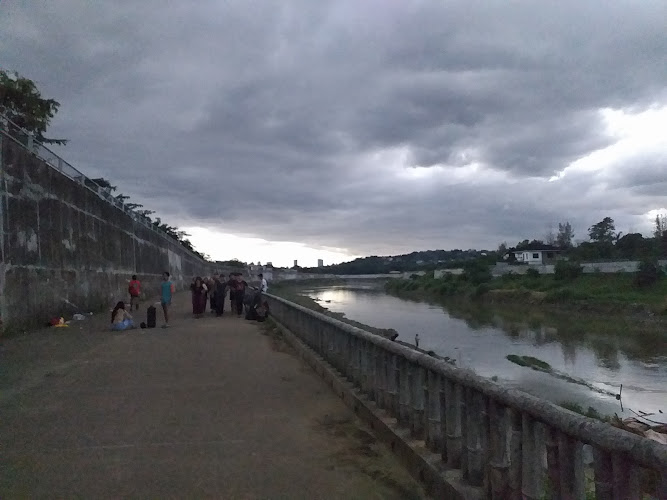
Marikina River, Viewing Area
About Marikina River, Viewing Area
Description
The Marikina River Viewing Area offers visitors an unexpected perspective on one of Metro Manila's most historically significant waterways. Standing at this vantage point, you'll witness the transformation of what was once considered one of the Philippines' most polluted rivers into a waterway that's slowly regaining its former glory. I remember my first visit here—honestly, I didn't expect much. But there's something genuinely peaceful about watching the water flow past while the city buzzes in the background. This viewing area serves as more than just a spot to observe the river. It's become a gathering place for locals who jog, cycle, and spend their evenings watching the sunset paint the sky above the water. The park atmosphere makes it family-friendly, and you'll often see children running around while their parents take in the views. The area has evolved into a testament to environmental rehabilitation efforts, and whether you're a nature enthusiast, a photography buff, or just someone looking for a quiet moment away from Manila's chaos, this spot delivers in ways you might not anticipate. What strikes most visitors is how the viewing area manages to create a sense of calm despite being in such an urban setting. The river stretches out before you, bordered by concrete barriers and greenery that's been carefully maintained. And yes, while it's not the pristine mountain streams you might find in other Philippine destinations, there's something authentic about seeing a city's relationship with its natural resources up close.Key Features
- Panoramic views of the Marikina River that stretch for considerable distances both upstream and downstream
- Well-maintained pathways perfect for walking, jogging, or cycling along the riverbank
- Dedicated viewing platforms that provide unobstructed sightlines of the water and surrounding landscape
- Child-friendly open spaces where families can relax and kids can play safely
- Benches and seating areas strategically placed for optimal river viewing and rest stops
- Educational markers and information boards detailing the river's history and ongoing rehabilitation efforts
- Photo opportunities showcasing urban river management and environmental recovery
- Access to the broader Marikina River Park system with its network of trails and facilities
- Proximity to local food vendors and small eateries where you can grab refreshments
- Open-air setting that provides natural ventilation and a break from air-conditioned spaces
Best Time to Visit
Timing your visit to the Marikina River Viewing Area can make the difference between a mediocre experience and a memorable one. The golden hours—early morning and late afternoon—are hands down the best times to show up. I've been there at different times, and trust me, the harsh midday sun doesn't do this place any favors. Early mornings, particularly between 5:30 and 7:30 AM, offer cooler temperatures and a chance to see the river when it's relatively quiet. You'll encounter locals doing their morning exercise routines, and there's this almost meditative quality to watching the river as the city slowly wakes up. The air is fresher too, which makes a real difference when you're in Metro Manila. Late afternoons from around 4:00 PM until sunset are equally magical. The temperature drops, the light becomes softer and more forgiving for photography, and you get to witness the sky changing colors over the water. But here's the thing—weekends during these hours can get crowded with families, so if you prefer solitude, weekday evenings might be your better bet. Weather-wise, the dry season from November through April is ideal. The rainy season brings its own concerns, particularly since Marikina has experienced significant flooding in past years. During heavy rains, the viewing area might be closed for safety reasons, and the river's water level can rise dramatically. I wouldn't recommend visiting during typhoon season unless you're specifically interested in seeing the river's power during high water conditions—but even then, safety should be your primary concern. Avoid visiting right after prolonged rainfall. The water becomes murky and debris often floats downstream, which isn't particularly pleasant to observe. Give it a few days of clear weather, and the river settles back into its usual state.How to Get There
Getting to the Marikina River Viewing Area is surprisingly straightforward, especially if you're already somewhere in Metro Manila. The city of Marikina has made accessibility a priority, which travelers definitely appreciate. If you're using public transportation, jeepneys going to Marikina City are your most economical option. From various points in Metro Manila, you can catch jeepneys that pass through the main Marikina areas. Once you're in the city proper, local tricycles can take you directly to the viewing area. Just tell the driver "viewing area" or "river park" and most will know exactly where you mean. The tricycle fare is minimal—usually around 10 to 20 pesos depending on your starting point within Marikina. For those preferring ride-hailing services like Grab, you can easily book a ride straight to the viewing area. This option gives you more comfort and convenience, particularly if you're traveling with children or elderly family members. The fare varies depending on where you're coming from, but it's generally affordable compared to other transportation options in the metro. If you're driving your own vehicle, parking can be found along nearby streets and designated parking areas, though spaces fill up quickly during weekends and holidays. Navigation apps will guide you directly there—just search for "Marikina River Park" or "Marikina Riverbanks." The LRT-2 also provides access to Marikina, with the Santolan station being the closest. From there, you'll need to take a jeepney or tricycle to reach the viewing area. It's not a long journey, maybe 15-20 minutes depending on traffic.Tips for Visiting
Wear comfortable footwear—this isn't negotiable. You'll be doing more walking than you might expect, and those Instagram-worthy shoes won't feel so great after thirty minutes on concrete pathways. I learned this the hard way during my second visit when I thought sandals would be fine. They weren't. Bring water and snacks, especially if you're visiting with children. While there are vendors around, they're not always positioned right at the viewing area, and prices can be slightly inflated. A small backpack with drinks and light refreshments will save you money and keep everyone comfortable. Sun protection is essential. Even during late afternoon, the sun can be intense. Sunscreen, hats, and sunglasses should be in your bag. There's limited shade at the actual viewing platforms, so you'll be exposed to direct sunlight for much of your visit. For photographers, bring a polarizing filter if you're shooting with a proper camera. It helps cut through the haze and enhances the water's appearance. Your phone camera will work fine too, but the best shots come during golden hour when the light is naturally more flattering. Keep an eye on your belongings. While the area is generally safe, it's still part of Metro Manila, and pickpocketing can occur in crowded spaces. Don't flash expensive equipment or leave bags unattended. Respect the local environment. The rehabilitation of Marikina River has been an ongoing effort, and visitors should contribute by not throwing trash into the water or leaving litter around the viewing area. Trash bins are available—use them. If you're visiting with kids, establish clear boundaries about how close they can get to the water's edge. The barriers are there for safety, and children should understand not to climb or lean over them. Check the weather forecast before heading out. Seriously, this matters more here than at many other attractions. A sudden downpour can not only ruin your visit but also create potentially dangerous situations if the river level rises quickly. Engage with locals if you get the chance. The people who regularly visit this spot—the joggers, the retirees who come to relax, the vendors—they have stories about how this area has changed over the years. Some remember when the river was in much worse condition, and their perspective adds depth to your visit. Consider combining your trip with exploration of other Marikina attractions. The Shoe Museum, local markets, and various heritage sites are nearby, making it easy to turn a quick viewing area stop into a full day of discovering what this city offers. Lastly, manage your expectations appropriately. This isn't going to be a pristine natural wonder. It's an urban river viewing area with all that entails. But if you approach it with curiosity and appreciation for the environmental comeback story it represents, you'll find the experience worthwhile and maybe even inspiring.Key Features
- Panoramic views of the Marikina River that stretch for considerable distances both upstream and downstream
- Well-maintained pathways perfect for walking, jogging, or cycling along the riverbank
- Dedicated viewing platforms that provide unobstructed sightlines of the water and surrounding landscape
- Child-friendly open spaces where families can relax and kids can play safely
- Benches and seating areas strategically placed for optimal river viewing and rest stops
- Educational markers and information boards detailing the river's history and ongoing rehabilitation efforts
- Photo opportunities showcasing urban river management and environmental recovery
- Access to the broader Marikina River Park system with its network of trails and facilities
More Details
Updated January 18, 2026
Table of Contents
Description
The Marikina River Viewing Area offers visitors an unexpected perspective on one of Metro Manila’s most historically significant waterways. Standing at this vantage point, you’ll witness the transformation of what was once considered one of the Philippines’ most polluted rivers into a waterway that’s slowly regaining its former glory. I remember my first visit here—honestly, I didn’t expect much. But there’s something genuinely peaceful about watching the water flow past while the city buzzes in the background.
This viewing area serves as more than just a spot to observe the river. It’s become a gathering place for locals who jog, cycle, and spend their evenings watching the sunset paint the sky above the water. The park atmosphere makes it family-friendly, and you’ll often see children running around while their parents take in the views. The area has evolved into a testament to environmental rehabilitation efforts, and whether you’re a nature enthusiast, a photography buff, or just someone looking for a quiet moment away from Manila’s chaos, this spot delivers in ways you might not anticipate.
What strikes most visitors is how the viewing area manages to create a sense of calm despite being in such an urban setting. The river stretches out before you, bordered by concrete barriers and greenery that’s been carefully maintained. And yes, while it’s not the pristine mountain streams you might find in other Philippine destinations, there’s something authentic about seeing a city’s relationship with its natural resources up close.
Key Features
- Panoramic views of the Marikina River that stretch for considerable distances both upstream and downstream
- Well-maintained pathways perfect for walking, jogging, or cycling along the riverbank
- Dedicated viewing platforms that provide unobstructed sightlines of the water and surrounding landscape
- Child-friendly open spaces where families can relax and kids can play safely
- Benches and seating areas strategically placed for optimal river viewing and rest stops
- Educational markers and information boards detailing the river’s history and ongoing rehabilitation efforts
- Photo opportunities showcasing urban river management and environmental recovery
- Access to the broader Marikina River Park system with its network of trails and facilities
- Proximity to local food vendors and small eateries where you can grab refreshments
- Open-air setting that provides natural ventilation and a break from air-conditioned spaces
Best Time to Visit
Timing your visit to the Marikina River Viewing Area can make the difference between a mediocre experience and a memorable one. The golden hours—early morning and late afternoon—are hands down the best times to show up. I’ve been there at different times, and trust me, the harsh midday sun doesn’t do this place any favors.
Early mornings, particularly between 5:30 and 7:30 AM, offer cooler temperatures and a chance to see the river when it’s relatively quiet. You’ll encounter locals doing their morning exercise routines, and there’s this almost meditative quality to watching the river as the city slowly wakes up. The air is fresher too, which makes a real difference when you’re in Metro Manila.
Late afternoons from around 4:00 PM until sunset are equally magical. The temperature drops, the light becomes softer and more forgiving for photography, and you get to witness the sky changing colors over the water. But here’s the thing—weekends during these hours can get crowded with families, so if you prefer solitude, weekday evenings might be your better bet.
Weather-wise, the dry season from November through April is ideal. The rainy season brings its own concerns, particularly since Marikina has experienced significant flooding in past years. During heavy rains, the viewing area might be closed for safety reasons, and the river’s water level can rise dramatically. I wouldn’t recommend visiting during typhoon season unless you’re specifically interested in seeing the river’s power during high water conditions—but even then, safety should be your primary concern.
Avoid visiting right after prolonged rainfall. The water becomes murky and debris often floats downstream, which isn’t particularly pleasant to observe. Give it a few days of clear weather, and the river settles back into its usual state.
How to Get There
Getting to the Marikina River Viewing Area is surprisingly straightforward, especially if you’re already somewhere in Metro Manila. The city of Marikina has made accessibility a priority, which travelers definitely appreciate.
If you’re using public transportation, jeepneys going to Marikina City are your most economical option. From various points in Metro Manila, you can catch jeepneys that pass through the main Marikina areas. Once you’re in the city proper, local tricycles can take you directly to the viewing area. Just tell the driver “viewing area” or “river park” and most will know exactly where you mean. The tricycle fare is minimal—usually around 10 to 20 pesos depending on your starting point within Marikina.
For those preferring ride-hailing services like Grab, you can easily book a ride straight to the viewing area. This option gives you more comfort and convenience, particularly if you’re traveling with children or elderly family members. The fare varies depending on where you’re coming from, but it’s generally affordable compared to other transportation options in the metro.
If you’re driving your own vehicle, parking can be found along nearby streets and designated parking areas, though spaces fill up quickly during weekends and holidays. Navigation apps will guide you directly there—just search for “Marikina River Park” or “Marikina Riverbanks.”
The LRT-2 also provides access to Marikina, with the Santolan station being the closest. From there, you’ll need to take a jeepney or tricycle to reach the viewing area. It’s not a long journey, maybe 15-20 minutes depending on traffic.
Tips for Visiting
Wear comfortable footwear—this isn’t negotiable. You’ll be doing more walking than you might expect, and those Instagram-worthy shoes won’t feel so great after thirty minutes on concrete pathways. I learned this the hard way during my second visit when I thought sandals would be fine. They weren’t.
Bring water and snacks, especially if you’re visiting with children. While there are vendors around, they’re not always positioned right at the viewing area, and prices can be slightly inflated. A small backpack with drinks and light refreshments will save you money and keep everyone comfortable.
Sun protection is essential. Even during late afternoon, the sun can be intense. Sunscreen, hats, and sunglasses should be in your bag. There’s limited shade at the actual viewing platforms, so you’ll be exposed to direct sunlight for much of your visit.
For photographers, bring a polarizing filter if you’re shooting with a proper camera. It helps cut through the haze and enhances the water’s appearance. Your phone camera will work fine too, but the best shots come during golden hour when the light is naturally more flattering.
Keep an eye on your belongings. While the area is generally safe, it’s still part of Metro Manila, and pickpocketing can occur in crowded spaces. Don’t flash expensive equipment or leave bags unattended.
Respect the local environment. The rehabilitation of Marikina River has been an ongoing effort, and visitors should contribute by not throwing trash into the water or leaving litter around the viewing area. Trash bins are available—use them.
If you’re visiting with kids, establish clear boundaries about how close they can get to the water’s edge. The barriers are there for safety, and children should understand not to climb or lean over them.
Check the weather forecast before heading out. Seriously, this matters more here than at many other attractions. A sudden downpour can not only ruin your visit but also create potentially dangerous situations if the river level rises quickly.
Engage with locals if you get the chance. The people who regularly visit this spot—the joggers, the retirees who come to relax, the vendors—they have stories about how this area has changed over the years. Some remember when the river was in much worse condition, and their perspective adds depth to your visit.
Consider combining your trip with exploration of other Marikina attractions. The Shoe Museum, local markets, and various heritage sites are nearby, making it easy to turn a quick viewing area stop into a full day of discovering what this city offers.
Lastly, manage your expectations appropriately. This isn’t going to be a pristine natural wonder. It’s an urban river viewing area with all that entails. But if you approach it with curiosity and appreciation for the environmental comeback story it represents, you’ll find the experience worthwhile and maybe even inspiring.
Key Highlights
- Panoramic views of the Marikina River that stretch for considerable distances both upstream and downstream
- Well-maintained pathways perfect for walking, jogging, or cycling along the riverbank
- Dedicated viewing platforms that provide unobstructed sightlines of the water and surrounding landscape
- Child-friendly open spaces where families can relax and kids can play safely
- Benches and seating areas strategically placed for optimal river viewing and rest stops
- Educational markers and information boards detailing the river's history and ongoing rehabilitation efforts
- Photo opportunities showcasing urban river management and environmental recovery
- Access to the broader Marikina River Park system with its network of trails and facilities
Location
Places to Stay Near Marikina River, Viewing Area
Find and Book a Tour
Explore More Travel Guides
No reviews found! Be the first to review!
Traveler Reviews for Marikina River, Viewing Area
There are no reviews yet. Be the first one to write one.
Have you visited Marikina River, Viewing Area? Help other travelers by sharing your review.
You Might Also Like
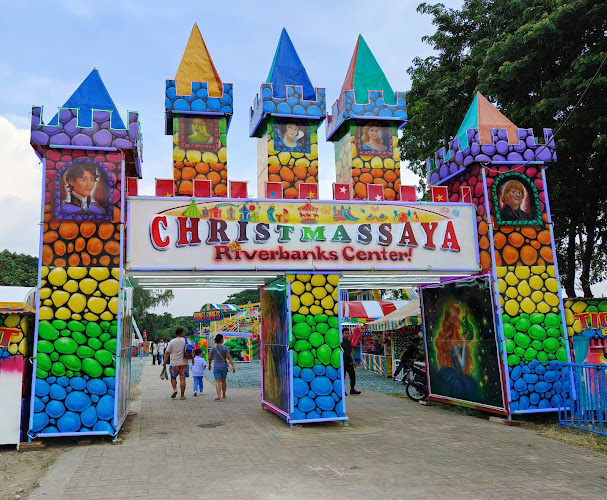
Christmas Saya Carnivals @ Riverbanks Center
Marikina City Transportation Management and Development Office
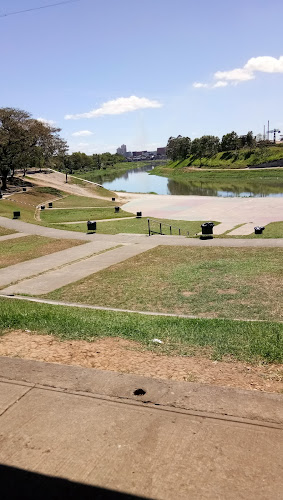
Marikina River Park
Find Accommodations Nearby
Recommended Tours & Activities
Visitor Reviews
There are no reviews yet. Be the first one to write one.
Share Your Experience
Have you visited Marikina River, Viewing Area? Help other travelers by leaving a review.