
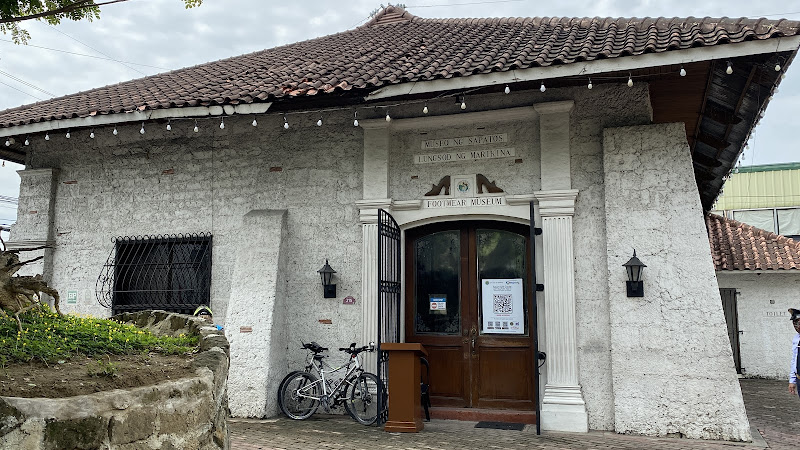
Shoe Museum of Marikina
About Shoe Museum of Marikina
Description
The Shoe Museum of Marikina stands as one of those wonderfully quirky attractions that you just don't expect until you stumble upon it. And honestly, that's part of its charm. This isn't your typical stuffy museum where you whisper and tiptoe around dusty artifacts. Instead, it celebrates something most of us wear every single day but rarely think twice about – shoes. Located in what's known as the "Shoe Capital of the Philippines," this museum tells the fascinating story of Marikina's footwear industry, which has been the lifeblood of this city for generations. The collection houses hundreds of pairs of shoes, from everyday wear to the absolutely extraordinary. You'll find yourself staring at footwear that belonged to famous personalities, presidents, and yes – the museum's most talked-about collection comes from former First Lady Imelda Marcos, whose shoe obsession became legendary worldwide. But here's what surprised me when I first learned about this place – it's not just about gawking at fancy shoes behind glass cases. The museum actually does a pretty impressive job of weaving together the cultural, economic, and social threads that make footwear such an important part of Filipino heritage. The exhibits showcase traditional shoemaking techniques that have been passed down through families, and you get this real sense of pride that Marikina craftspeople have in their work. The building itself occupies a space that feels appropriate for its purpose – not too grand, not too modest. It's accessible to visitors with mobility needs, which honestly more museums should prioritize. The whole experience tends to take about an hour or two, depending on how much you like to linger and read every placard (I'm definitely that person, no shame).Key Features
- Over 800 pairs of shoes spanning different eras, styles, and purposes from formal presidential footwear to traditional Filipino designs
- The famous Imelda Marcos shoe collection, featuring designer pieces that offer a glimpse into Philippine political history from an unusual angle
- Exhibits showcasing the traditional craftsmanship and shoemaking techniques that made Marikina famous throughout Asia
- Historical documentation of how the local shoe industry evolved from small family workshops to an internationally recognized trade
- Displays of enormous novelty shoes and miniature footwear that kids absolutely love pointing at
- Full wheelchair accessibility including entrance ramps, parking areas, and restroom facilities
- An onsite restaurant where visitors can grab a bite after browsing the collections
- Educational materials that explain the economic importance of the footwear industry to the local community
- Rotating special exhibits that sometimes feature contemporary shoe designers and artists
- Photo-worthy displays that make for unique social media content (because let's be real, that matters to travelers these days)
Best Time to Visit
Timing your visit to the Shoe Museum can make a real difference in your experience. The museum tends to be quietest on weekday mornings, particularly Tuesday through Thursday. If you're someone who likes to take your time without dodging crowds or waiting for that perfect photo opportunity, aim for a 10 AM arrival on a Wednesday. Weekends bring families and local visitors, which creates a livelier atmosphere but also means more people navigating the same exhibition spaces. I'd say the energy is actually kind of nice on Saturdays – you get to observe how local families interact with their own cultural history, which adds another layer to the experience. The hot season in Metro Manila runs from March through May, and museum-going becomes particularly appealing during these months when air-conditioned indoor activities feel like a blessing. But don't let the rainy season (June through November) discourage you either. The museum provides a perfect refuge when tropical downpours make outdoor exploration less pleasant. Special holidays and festival periods sometimes feature extended hours or special programming. The museum occasionally hosts events during Marikina's citywide celebrations, though you'll want to check ahead since these don't follow a strict annual schedule. Here's something most guidebooks won't tell you – avoid visiting right after lunch on any day. There's this weird lull between 1 PM and 2 PM when the lighting seems a bit dim and the overall energy just feels off. Morning visits consistently provide better natural light for viewing the exhibits and snapping photos.How to Get There
Getting to the Shoe Museum requires a bit of navigation, but it's totally manageable even for first-time visitors to Metro Manila. The museum sits within Marikina City, which is in the eastern part of the metropolitan area. If you're staying anywhere in Metro Manila, your easiest option is probably grabbing a ride-hailing service like Grab. Just type in "Marikina Shoe Museum" and the app will get you there without any confusion. The fare from central Manila areas like Makati or Bonifacio Global City typically runs between 200-350 pesos depending on traffic conditions. For the more adventurous budget traveler, public transportation is definitely doable though it requires some patience. You can take the LRT-2 line to Santolan Station, then catch a jeepney heading to Marikina. Tell the driver you're going to the Shoe Museum and they'll know exactly where to drop you off. Jeepney drivers in this area are genuinely helpful – I've heard countless stories of them going out of their way to make sure tourists don't miss their stop. If you're driving yourself, the museum provides accessible parking including designated spaces for visitors with disabilities. Coming from EDSA, you'll take the Marikina-Infanta Highway and follow signs toward the city center. GPS apps work pretty reliably in this area, though be prepared for traffic during rush hours (7-9 AM and 5-8 PM on weekdays). One thing to know about Marikina – the city actually has better flood control than it used to, but heavy rains can still cause street flooding. Check weather conditions before heading out during monsoon season, and maybe have a backup date in mind just in case.Tips for Visiting
Bring your camera but be respectful about flash photography. Some of the older shoe materials are sensitive to bright lights, and while staff typically allow photos, excessive flashing isn't appreciated. Natural lighting works surprisingly well for most of the displays anyway. Wear comfortable walking shoes – and yes, I recognize the irony of that statement given where you're going. The museum floors are hard and you'll be on your feet for at least an hour. Plus, sensible footwear feels somehow appropriate when you're learning about the craft of shoemaking. The onsite restaurant is convenient but honestly pretty basic. If you're particular about food, consider this a light snack spot rather than your main meal destination. That said, their halo-halo isn't bad on a hot day, and sometimes you just need something cold and sweet to cap off a museum visit. Kids generally enjoy this museum more than you might expect. There's something about seeing ridiculously huge shoes next to impossibly tiny ones that captures children's imagination. The exhibits aren't overly text-heavy either, which keeps younger visitors from getting bored. Set aside time to browse the small gift shop. They sell locally-made shoes at reasonable prices, and the quality genuinely reflects Marikina's shoemaking reputation. If you need comfortable walking shoes for the rest of your Philippines trip, this is actually a smart place to buy them. Don't rush through the historical sections just to get to the Imelda Marcos collection. I get it – the 3,000-pair shoe collection story draws people in. But the exhibits about traditional craftsmanship and the evolution of local industry are actually more interesting than you'd think. Give them a fair chance. Engage with the staff if you have questions. Many of them have family connections to the shoe industry and can share stories that won't appear on any information placard. Filipinos are generally warm and chatty, especially when visitors show genuine interest in their local heritage. Check if there's a guided tour starting soon after you arrive. While self-guided exploration works fine, guides often share anecdotes and context that makes the experience richer. Tours don't run constantly though, so you might need to wait a bit or just proceed on your own. Combine your museum visit with exploring the wider Marikina area. The Riverbanks area nearby has dining options and a weekend market that's worth checking out. The city itself has cleaned up nicely over the years and offers a different perspective on Metro Manila life compared to the usual tourist zones. Finally, manage your expectations appropriately. This isn't the Smithsonian or the British Museum. It's a specialized local museum celebrating a specific industry and cultural tradition. Approach it with curiosity rather than comparing it to world-class institutions, and you'll find the experience genuinely enjoyable and educational. Sometimes the best travel memories come from these unexpected, slightly offbeat attractions that you almost didn't visit.Key Features
- Over 800 pairs of shoes spanning different eras, styles, and purposes from formal presidential footwear to traditional Filipino designs
- The famous Imelda Marcos shoe collection, featuring designer pieces that offer a glimpse into Philippine political history from an unusual angle
- Exhibits showcasing the traditional craftsmanship and shoemaking techniques that made Marikina famous throughout Asia
- Historical documentation of how the local shoe industry evolved from small family workshops to an internationally recognized trade
- Displays of enormous novelty shoes and miniature footwear that kids absolutely love pointing at
- Full wheelchair accessibility including entrance ramps, parking areas, and restroom facilities
- An onsite restaurant where visitors can grab a bite after browsing the collections
- Educational materials that explain the economic importance of the footwear industry to the local community
More Details
Updated January 18, 2026
Table of Contents
Description
The Shoe Museum of Marikina stands as one of those wonderfully quirky attractions that you just don’t expect until you stumble upon it. And honestly, that’s part of its charm. This isn’t your typical stuffy museum where you whisper and tiptoe around dusty artifacts. Instead, it celebrates something most of us wear every single day but rarely think twice about – shoes.
Located in what’s known as the “Shoe Capital of the Philippines,” this museum tells the fascinating story of Marikina’s footwear industry, which has been the lifeblood of this city for generations. The collection houses hundreds of pairs of shoes, from everyday wear to the absolutely extraordinary. You’ll find yourself staring at footwear that belonged to famous personalities, presidents, and yes – the museum’s most talked-about collection comes from former First Lady Imelda Marcos, whose shoe obsession became legendary worldwide.
But here’s what surprised me when I first learned about this place – it’s not just about gawking at fancy shoes behind glass cases. The museum actually does a pretty impressive job of weaving together the cultural, economic, and social threads that make footwear such an important part of Filipino heritage. The exhibits showcase traditional shoemaking techniques that have been passed down through families, and you get this real sense of pride that Marikina craftspeople have in their work.
The building itself occupies a space that feels appropriate for its purpose – not too grand, not too modest. It’s accessible to visitors with mobility needs, which honestly more museums should prioritize. The whole experience tends to take about an hour or two, depending on how much you like to linger and read every placard (I’m definitely that person, no shame).
Key Features
- Over 800 pairs of shoes spanning different eras, styles, and purposes from formal presidential footwear to traditional Filipino designs
- The famous Imelda Marcos shoe collection, featuring designer pieces that offer a glimpse into Philippine political history from an unusual angle
- Exhibits showcasing the traditional craftsmanship and shoemaking techniques that made Marikina famous throughout Asia
- Historical documentation of how the local shoe industry evolved from small family workshops to an internationally recognized trade
- Displays of enormous novelty shoes and miniature footwear that kids absolutely love pointing at
- Full wheelchair accessibility including entrance ramps, parking areas, and restroom facilities
- An onsite restaurant where visitors can grab a bite after browsing the collections
- Educational materials that explain the economic importance of the footwear industry to the local community
- Rotating special exhibits that sometimes feature contemporary shoe designers and artists
- Photo-worthy displays that make for unique social media content (because let’s be real, that matters to travelers these days)
Best Time to Visit
Timing your visit to the Shoe Museum can make a real difference in your experience. The museum tends to be quietest on weekday mornings, particularly Tuesday through Thursday. If you’re someone who likes to take your time without dodging crowds or waiting for that perfect photo opportunity, aim for a 10 AM arrival on a Wednesday.
Weekends bring families and local visitors, which creates a livelier atmosphere but also means more people navigating the same exhibition spaces. I’d say the energy is actually kind of nice on Saturdays – you get to observe how local families interact with their own cultural history, which adds another layer to the experience.
The hot season in Metro Manila runs from March through May, and museum-going becomes particularly appealing during these months when air-conditioned indoor activities feel like a blessing. But don’t let the rainy season (June through November) discourage you either. The museum provides a perfect refuge when tropical downpours make outdoor exploration less pleasant.
Special holidays and festival periods sometimes feature extended hours or special programming. The museum occasionally hosts events during Marikina’s citywide celebrations, though you’ll want to check ahead since these don’t follow a strict annual schedule.
Here’s something most guidebooks won’t tell you – avoid visiting right after lunch on any day. There’s this weird lull between 1 PM and 2 PM when the lighting seems a bit dim and the overall energy just feels off. Morning visits consistently provide better natural light for viewing the exhibits and snapping photos.
How to Get There
Getting to the Shoe Museum requires a bit of navigation, but it’s totally manageable even for first-time visitors to Metro Manila. The museum sits within Marikina City, which is in the eastern part of the metropolitan area.
If you’re staying anywhere in Metro Manila, your easiest option is probably grabbing a ride-hailing service like Grab. Just type in “Marikina Shoe Museum” and the app will get you there without any confusion. The fare from central Manila areas like Makati or Bonifacio Global City typically runs between 200-350 pesos depending on traffic conditions.
For the more adventurous budget traveler, public transportation is definitely doable though it requires some patience. You can take the LRT-2 line to Santolan Station, then catch a jeepney heading to Marikina. Tell the driver you’re going to the Shoe Museum and they’ll know exactly where to drop you off. Jeepney drivers in this area are genuinely helpful – I’ve heard countless stories of them going out of their way to make sure tourists don’t miss their stop.
If you’re driving yourself, the museum provides accessible parking including designated spaces for visitors with disabilities. Coming from EDSA, you’ll take the Marikina-Infanta Highway and follow signs toward the city center. GPS apps work pretty reliably in this area, though be prepared for traffic during rush hours (7-9 AM and 5-8 PM on weekdays).
One thing to know about Marikina – the city actually has better flood control than it used to, but heavy rains can still cause street flooding. Check weather conditions before heading out during monsoon season, and maybe have a backup date in mind just in case.
Tips for Visiting
Bring your camera but be respectful about flash photography. Some of the older shoe materials are sensitive to bright lights, and while staff typically allow photos, excessive flashing isn’t appreciated. Natural lighting works surprisingly well for most of the displays anyway.
Wear comfortable walking shoes – and yes, I recognize the irony of that statement given where you’re going. The museum floors are hard and you’ll be on your feet for at least an hour. Plus, sensible footwear feels somehow appropriate when you’re learning about the craft of shoemaking.
The onsite restaurant is convenient but honestly pretty basic. If you’re particular about food, consider this a light snack spot rather than your main meal destination. That said, their halo-halo isn’t bad on a hot day, and sometimes you just need something cold and sweet to cap off a museum visit.
Kids generally enjoy this museum more than you might expect. There’s something about seeing ridiculously huge shoes next to impossibly tiny ones that captures children’s imagination. The exhibits aren’t overly text-heavy either, which keeps younger visitors from getting bored.
Set aside time to browse the small gift shop. They sell locally-made shoes at reasonable prices, and the quality genuinely reflects Marikina’s shoemaking reputation. If you need comfortable walking shoes for the rest of your Philippines trip, this is actually a smart place to buy them.
Don’t rush through the historical sections just to get to the Imelda Marcos collection. I get it – the 3,000-pair shoe collection story draws people in. But the exhibits about traditional craftsmanship and the evolution of local industry are actually more interesting than you’d think. Give them a fair chance.
Engage with the staff if you have questions. Many of them have family connections to the shoe industry and can share stories that won’t appear on any information placard. Filipinos are generally warm and chatty, especially when visitors show genuine interest in their local heritage.
Check if there’s a guided tour starting soon after you arrive. While self-guided exploration works fine, guides often share anecdotes and context that makes the experience richer. Tours don’t run constantly though, so you might need to wait a bit or just proceed on your own.
Combine your museum visit with exploring the wider Marikina area. The Riverbanks area nearby has dining options and a weekend market that’s worth checking out. The city itself has cleaned up nicely over the years and offers a different perspective on Metro Manila life compared to the usual tourist zones.
Finally, manage your expectations appropriately. This isn’t the Smithsonian or the British Museum. It’s a specialized local museum celebrating a specific industry and cultural tradition. Approach it with curiosity rather than comparing it to world-class institutions, and you’ll find the experience genuinely enjoyable and educational. Sometimes the best travel memories come from these unexpected, slightly offbeat attractions that you almost didn’t visit.
Key Highlights
- Over 800 pairs of shoes spanning different eras, styles, and purposes from formal presidential footwear to traditional Filipino designs
- The famous Imelda Marcos shoe collection, featuring designer pieces that offer a glimpse into Philippine political history from an unusual angle
- Exhibits showcasing the traditional craftsmanship and shoemaking techniques that made Marikina famous throughout Asia
- Historical documentation of how the local shoe industry evolved from small family workshops to an internationally recognized trade
- Displays of enormous novelty shoes and miniature footwear that kids absolutely love pointing at
- Full wheelchair accessibility including entrance ramps, parking areas, and restroom facilities
- An onsite restaurant where visitors can grab a bite after browsing the collections
- Educational materials that explain the economic importance of the footwear industry to the local community
Location
Places to Stay Near Shoe Museum of Marikina
Find and Book a Tour
Explore More Travel Guides
No reviews found! Be the first to review!
Traveler Reviews for Shoe Museum of Marikina
There are no reviews yet. Be the first one to write one.
Have you visited Shoe Museum of Marikina? Help other travelers by sharing your review.
You Might Also Like
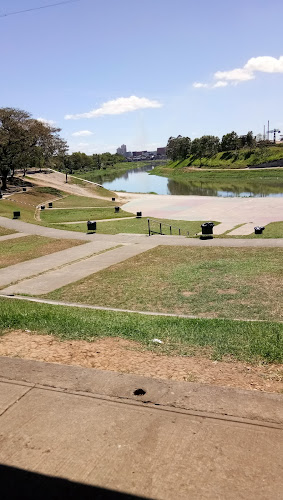
Marikina River Park
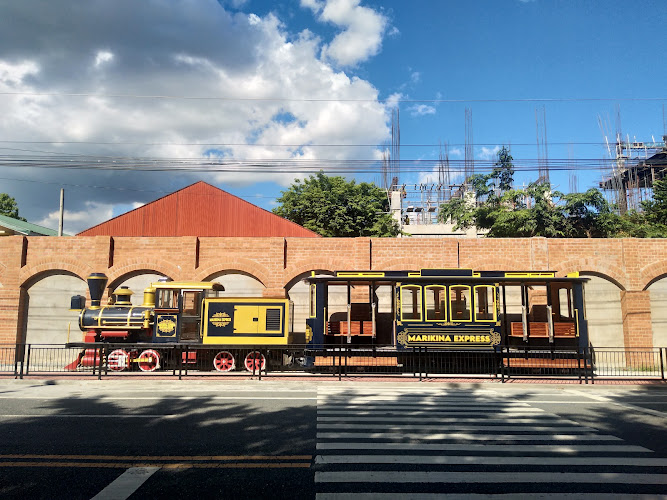
Marikina Express
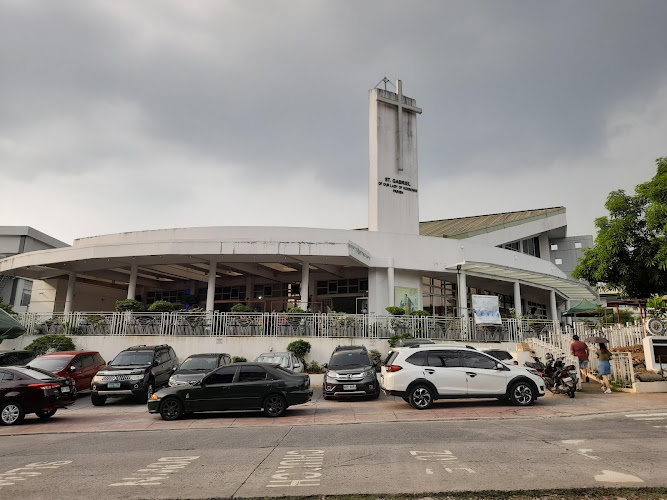
St. Gabriel of Our Lady Of Sorrows Parish Church - Marikina Heights, Marikina City (Diocese of Antipolo)
Find Accommodations Nearby
Recommended Tours & Activities
Visitor Reviews
There are no reviews yet. Be the first one to write one.
Share Your Experience
Have you visited Shoe Museum of Marikina? Help other travelers by leaving a review.