
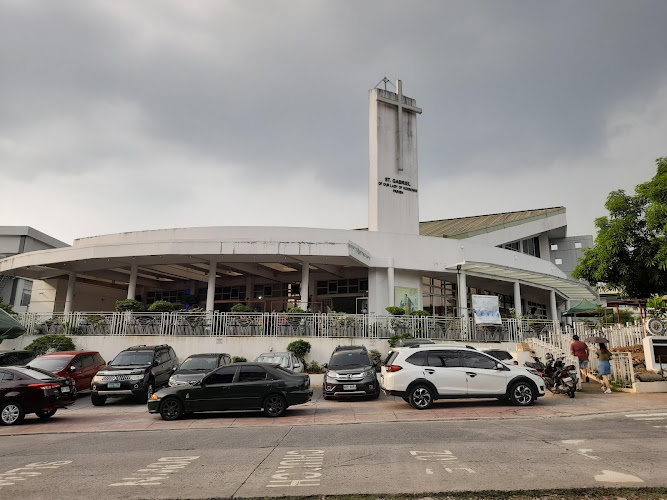
St. Gabriel of Our Lady Of Sorrows Parish Church – Marikina Heights, Marikina City (Diocese of Antipolo)
About St. Gabriel of Our Lady Of Sorrows Parish Church – Marikina Heights, Marikina City (Diocese of Antipolo)
Description
St. Gabriel of Our Lady of Sorrows Parish Church stands as one of Marikina Heights' most cherished spiritual landmarks, drawing both devoted parishioners and curious travelers to its welcoming grounds. Part of the Diocese of Antipolo, this Catholic church has become more than just a place of worship—it's actually evolved into a genuine tourist attraction that captures the essence of Filipino faith and community spirit. When you first approach the church, there's something remarkably peaceful about the atmosphere that surrounds it. I've visited quite a few churches across the Philippines, and this one has a distinct character that doesn't try too hard to impress. Instead, it offers an authentic glimpse into everyday Filipino Catholic life, which honestly feels more valuable than any ornate cathedral experience. The parish serves as a spiritual home for the Marikina Heights community, and you can really feel that sense of belonging when you step inside. What makes St. Gabriel of Our Lady of Sorrows particularly interesting for travelers is its role as both an active worship space and a cultural touchpoint. The church reflects the deep religious devotion that characterizes much of Philippine society, where faith and daily life intertwine in ways that might surprise visitors from more secular cultures. And let me tell you, experiencing Mass here—even if you're not Catholic—gives you incredible insight into the Filipino soul. The parish has built a solid reputation over the years, with locals and visitors alike appreciating its accessibility and the genuine warmth of its community. It's not the oldest church in the region, but it's earned its place as a significant spiritual center in Marikina City. The church manages to balance tradition with modernity, maintaining sacred practices while ensuring everyone feels welcome regardless of where they come from.Key Features
The St. Gabriel of Our Lady of Sorrows Parish Church offers several noteworthy features that enhance the visitor experience:- Complete Accessibility - The church provides wheelchair accessible entrances and designated parking spaces, making it genuinely inclusive for visitors with mobility challenges. This isn't always a given in older Philippine churches, so it's worth noting.
- On-Site Parking Facilities - Finding parking in Marikina can be tricky, but the church maintains parking areas for visitors and parishioners. This practical amenity removes a significant travel headache.
- Modern Restroom Facilities - Clean, accessible restrooms are available on the premises, which any seasoned traveler knows is worth its weight in gold when exploring a new area.
- Active Community Atmosphere - The parish hosts regular Masses and religious activities, giving visitors authentic exposure to Filipino Catholic traditions and practices.
- Peaceful Surroundings - Despite being in a residential area, the church grounds maintain a tranquil environment suitable for prayer, reflection, or simply taking a moment away from Manila's intensity.
- Welcoming Parish Community - The local congregation and parish staff create an atmosphere that embraces visitors, whether you're there for spiritual reasons or cultural exploration.
- Strategic Location in Marikina Heights - The church's position makes it a convenient stop when exploring other Marikina attractions, fitting nicely into broader itineraries.
Best Time to Visit
Timing your visit to St. Gabriel of Our Lady of Sorrows really depends on what kind of experience you're after. If you want to witness the church at its most alive and experience genuine Filipino Catholic worship, attending Sunday Mass is your best bet. The services usually see the biggest crowds, with families dressed in their Sunday best and the whole community coming together. There's something special about Sunday mornings here—the energy is different, more purposeful. For travelers who prefer a quieter, more contemplative visit, weekday mornings offer a completely different atmosphere. You'll find fewer people, which means you can actually sit in the pews, absorb the space, and maybe even chat with a friendly parish worker who has time to share stories about the church's history. I've always found that visiting religious sites during off-peak hours lets you connect with the space in ways that crowded moments don't allow. The church takes on special significance during major Catholic celebrations. Holy Week brings elaborate processions and ceremonies that showcase Filipino religious devotion at its most fervent. Christmas season transforms the parish with decorations and special Masses, including the famous Simbang Gabi (dawn Masses) leading up to Christmas Day. If you're in Marikina during these periods, experiencing them at St. Gabriel offers authentic cultural immersion you simply can't replicate. Weather-wise, the dry season from November to April generally provides more comfortable visiting conditions. The Philippines' tropical climate means rain can interrupt outdoor activities during monsoon months, though the church itself remains accessible year-round. Early morning visits, regardless of season, tend to be cooler and more pleasant than midday trips when Metro Manila's heat becomes intense. But honestly? There isn't really a "bad" time to visit. The church maintains its welcoming atmosphere throughout the year, and each season brings its own character to the parish experience.How to Get There
Getting to St. Gabriel of Our Lady of Sorrows Parish Church in Marikina Heights requires a bit of navigation, but it's definitely manageable once you understand the local transportation landscape. Marikina City sits in the eastern part of Metro Manila, and reaching the Heights area involves some planning. If you're staying in central Manila or Makati, your most comfortable option is probably grabbing a ride-hailing service like Grab. The drivers usually know the area, and you won't need to worry about navigating public transport with luggage or dealing with the confusion of unfamiliar routes. The ride takes anywhere from 45 minutes to over an hour depending on Manila's notorious traffic, so factor that into your schedule. For budget-conscious travelers, public transportation works but requires patience and maybe a small spirit of adventure. You can take the LRT-2 to Santolan Station or Katipunan Station, then catch a jeepney heading toward Marikina. From there, you'll need to transfer to another jeepney or tricycle specifically going to Marikina Heights. Ask locals for directions—Filipinos are generally helpful to lost-looking foreigners, and someone will point you in the right direction. Tricycles are the primary local transport in Marikina Heights itself. Once you're in the general area, these motorcycle sidecars can zip you directly to the church. Just tell the driver "St. Gabriel Church" and they'll know exactly where you mean. It's an authentic local experience, though not always the most comfortable for taller visitors. If you're renting a car, GPS navigation apps work reasonably well in this part of Metro Manila. The church's parking facilities mean you won't be circling the block searching for a spot. Just be prepared for Manila driving culture, which can feel chaotic if you're not used to it.Tips for Visiting
Before you head to St. Gabriel of Our Lady of Sorrows, there's some practical wisdom that'll make your visit smoother and more meaningful. First off, dress appropriately. This is an active place of worship, not just a tourist photo opportunity. Modest clothing is expected—no shorts, sleeveless tops, or revealing outfits. Women might want to bring a scarf or shawl, and honestly, this applies to all genders. Filipinos take church dress codes seriously, and respecting that shows consideration for the community. Arrive a bit earlier than you might think necessary, especially if you're planning to attend Mass. Parking fills up quickly on Sundays, and you'll want time to find the church, get situated, and soak in the atmosphere before services begin. There's nothing worse than rushing into a spiritual space all flustered and sweaty. Bring some cash with you. While the church doesn't charge admission (it's a parish church, not a museum), donations are appreciated, and you might want money for candles or to drop in the collection during Mass. Plus, tricycle drivers and local vendors don't take credit cards, so having pesos on hand is just practical. Photography inside the church should be done respectfully and quietly. During Mass or other services, put your phone away—seriously. Nothing disrupts worship like the click of camera shutters or the glow of phone screens. If you want photos, come during off-hours and be discreet. Ask permission if you're unsure whether photography is appropriate at that moment. Take time to actually sit and observe. One of my regrets when traveling is rushing through meaningful spaces just to tick them off a list. St. Gabriel offers a window into Filipino spiritual life that you miss if you're in and out in ten minutes. Watch how people pray, notice the small devotional practices, observe the community interactions. These details tell stories that guidebooks can't capture. Interact with the community if opportunities arise naturally. Filipinos are generally warm and curious about visitors. A friendly smile and basic courtesy go a long way. If someone starts a conversation, don't brush them off—these spontaneous exchanges often become the most memorable parts of travel. Plan your visit around meal times if possible, because Marikina has some excellent local eateries nearby. After visiting the church, exploring the surrounding neighborhood gives you a fuller picture of life in this part of Metro Manila. The area isn't touristy, which means you get authentic experiences rather than sanitized versions created for visitors. Lastly, manage your expectations appropriately. St. Gabriel isn't a grand colonial cathedral with centuries of history and priceless art. It's a community parish church that serves real people's spiritual needs. Its value lies in its authenticity and the genuine faith practiced within its walls. If you approach it with curiosity and respect rather than expecting Instagram-perfect grandeur, you'll find the experience deeply rewarding.Key Features
- Key Features
- Best Time to Visit
- How to Get There
- Tips for Visiting
More Details
Updated January 18, 2026
Table of Contents
- Description
- Key Features
- Best Time to Visit
- How to Get There
- Tips for Visiting
- Key Highlights
- Location
- Places to Stay Near St. Gabriel of Our Lady Of Sorrows Parish Church - Marikina Heights, Marikina City (Diocese of Antipolo)
- Find and Book a Tour
- Explore More Travel Guides
- Nearby Places You Might Like
- Traveler Reviews for St. Gabriel of Our Lady Of Sorrows Parish Church – Marikina Heights, Marikina City (Diocese of Antipolo)
- Share Your Experience
Description
St. Gabriel of Our Lady of Sorrows Parish Church stands as one of Marikina Heights’ most cherished spiritual landmarks, drawing both devoted parishioners and curious travelers to its welcoming grounds. Part of the Diocese of Antipolo, this Catholic church has become more than just a place of worship—it’s actually evolved into a genuine tourist attraction that captures the essence of Filipino faith and community spirit.
When you first approach the church, there’s something remarkably peaceful about the atmosphere that surrounds it. I’ve visited quite a few churches across the Philippines, and this one has a distinct character that doesn’t try too hard to impress. Instead, it offers an authentic glimpse into everyday Filipino Catholic life, which honestly feels more valuable than any ornate cathedral experience. The parish serves as a spiritual home for the Marikina Heights community, and you can really feel that sense of belonging when you step inside.
What makes St. Gabriel of Our Lady of Sorrows particularly interesting for travelers is its role as both an active worship space and a cultural touchpoint. The church reflects the deep religious devotion that characterizes much of Philippine society, where faith and daily life intertwine in ways that might surprise visitors from more secular cultures. And let me tell you, experiencing Mass here—even if you’re not Catholic—gives you incredible insight into the Filipino soul.
The parish has built a solid reputation over the years, with locals and visitors alike appreciating its accessibility and the genuine warmth of its community. It’s not the oldest church in the region, but it’s earned its place as a significant spiritual center in Marikina City. The church manages to balance tradition with modernity, maintaining sacred practices while ensuring everyone feels welcome regardless of where they come from.
Key Features
The St. Gabriel of Our Lady of Sorrows Parish Church offers several noteworthy features that enhance the visitor experience:
- Complete Accessibility – The church provides wheelchair accessible entrances and designated parking spaces, making it genuinely inclusive for visitors with mobility challenges. This isn’t always a given in older Philippine churches, so it’s worth noting.
- On-Site Parking Facilities – Finding parking in Marikina can be tricky, but the church maintains parking areas for visitors and parishioners. This practical amenity removes a significant travel headache.
- Modern Restroom Facilities – Clean, accessible restrooms are available on the premises, which any seasoned traveler knows is worth its weight in gold when exploring a new area.
- Active Community Atmosphere – The parish hosts regular Masses and religious activities, giving visitors authentic exposure to Filipino Catholic traditions and practices.
- Peaceful Surroundings – Despite being in a residential area, the church grounds maintain a tranquil environment suitable for prayer, reflection, or simply taking a moment away from Manila’s intensity.
- Welcoming Parish Community – The local congregation and parish staff create an atmosphere that embraces visitors, whether you’re there for spiritual reasons or cultural exploration.
- Strategic Location in Marikina Heights – The church’s position makes it a convenient stop when exploring other Marikina attractions, fitting nicely into broader itineraries.
Best Time to Visit
Timing your visit to St. Gabriel of Our Lady of Sorrows really depends on what kind of experience you’re after. If you want to witness the church at its most alive and experience genuine Filipino Catholic worship, attending Sunday Mass is your best bet. The services usually see the biggest crowds, with families dressed in their Sunday best and the whole community coming together. There’s something special about Sunday mornings here—the energy is different, more purposeful.
For travelers who prefer a quieter, more contemplative visit, weekday mornings offer a completely different atmosphere. You’ll find fewer people, which means you can actually sit in the pews, absorb the space, and maybe even chat with a friendly parish worker who has time to share stories about the church’s history. I’ve always found that visiting religious sites during off-peak hours lets you connect with the space in ways that crowded moments don’t allow.
The church takes on special significance during major Catholic celebrations. Holy Week brings elaborate processions and ceremonies that showcase Filipino religious devotion at its most fervent. Christmas season transforms the parish with decorations and special Masses, including the famous Simbang Gabi (dawn Masses) leading up to Christmas Day. If you’re in Marikina during these periods, experiencing them at St. Gabriel offers authentic cultural immersion you simply can’t replicate.
Weather-wise, the dry season from November to April generally provides more comfortable visiting conditions. The Philippines’ tropical climate means rain can interrupt outdoor activities during monsoon months, though the church itself remains accessible year-round. Early morning visits, regardless of season, tend to be cooler and more pleasant than midday trips when Metro Manila’s heat becomes intense.
But honestly? There isn’t really a “bad” time to visit. The church maintains its welcoming atmosphere throughout the year, and each season brings its own character to the parish experience.
How to Get There
Getting to St. Gabriel of Our Lady of Sorrows Parish Church in Marikina Heights requires a bit of navigation, but it’s definitely manageable once you understand the local transportation landscape. Marikina City sits in the eastern part of Metro Manila, and reaching the Heights area involves some planning.
If you’re staying in central Manila or Makati, your most comfortable option is probably grabbing a ride-hailing service like Grab. The drivers usually know the area, and you won’t need to worry about navigating public transport with luggage or dealing with the confusion of unfamiliar routes. The ride takes anywhere from 45 minutes to over an hour depending on Manila’s notorious traffic, so factor that into your schedule.
For budget-conscious travelers, public transportation works but requires patience and maybe a small spirit of adventure. You can take the LRT-2 to Santolan Station or Katipunan Station, then catch a jeepney heading toward Marikina. From there, you’ll need to transfer to another jeepney or tricycle specifically going to Marikina Heights. Ask locals for directions—Filipinos are generally helpful to lost-looking foreigners, and someone will point you in the right direction.
Tricycles are the primary local transport in Marikina Heights itself. Once you’re in the general area, these motorcycle sidecars can zip you directly to the church. Just tell the driver “St. Gabriel Church” and they’ll know exactly where you mean. It’s an authentic local experience, though not always the most comfortable for taller visitors.
If you’re renting a car, GPS navigation apps work reasonably well in this part of Metro Manila. The church’s parking facilities mean you won’t be circling the block searching for a spot. Just be prepared for Manila driving culture, which can feel chaotic if you’re not used to it.
Tips for Visiting
Before you head to St. Gabriel of Our Lady of Sorrows, there’s some practical wisdom that’ll make your visit smoother and more meaningful. First off, dress appropriately. This is an active place of worship, not just a tourist photo opportunity. Modest clothing is expected—no shorts, sleeveless tops, or revealing outfits. Women might want to bring a scarf or shawl, and honestly, this applies to all genders. Filipinos take church dress codes seriously, and respecting that shows consideration for the community.
Arrive a bit earlier than you might think necessary, especially if you’re planning to attend Mass. Parking fills up quickly on Sundays, and you’ll want time to find the church, get situated, and soak in the atmosphere before services begin. There’s nothing worse than rushing into a spiritual space all flustered and sweaty.
Bring some cash with you. While the church doesn’t charge admission (it’s a parish church, not a museum), donations are appreciated, and you might want money for candles or to drop in the collection during Mass. Plus, tricycle drivers and local vendors don’t take credit cards, so having pesos on hand is just practical.
Photography inside the church should be done respectfully and quietly. During Mass or other services, put your phone away—seriously. Nothing disrupts worship like the click of camera shutters or the glow of phone screens. If you want photos, come during off-hours and be discreet. Ask permission if you’re unsure whether photography is appropriate at that moment.
Take time to actually sit and observe. One of my regrets when traveling is rushing through meaningful spaces just to tick them off a list. St. Gabriel offers a window into Filipino spiritual life that you miss if you’re in and out in ten minutes. Watch how people pray, notice the small devotional practices, observe the community interactions. These details tell stories that guidebooks can’t capture.
Interact with the community if opportunities arise naturally. Filipinos are generally warm and curious about visitors. A friendly smile and basic courtesy go a long way. If someone starts a conversation, don’t brush them off—these spontaneous exchanges often become the most memorable parts of travel.
Plan your visit around meal times if possible, because Marikina has some excellent local eateries nearby. After visiting the church, exploring the surrounding neighborhood gives you a fuller picture of life in this part of Metro Manila. The area isn’t touristy, which means you get authentic experiences rather than sanitized versions created for visitors.
Lastly, manage your expectations appropriately. St. Gabriel isn’t a grand colonial cathedral with centuries of history and priceless art. It’s a community parish church that serves real people’s spiritual needs. Its value lies in its authenticity and the genuine faith practiced within its walls. If you approach it with curiosity and respect rather than expecting Instagram-perfect grandeur, you’ll find the experience deeply rewarding.
Key Highlights
- Key Features
- Best Time to Visit
- How to Get There
- Tips for Visiting
Location
Places to Stay Near St. Gabriel of Our Lady Of Sorrows Parish Church - Marikina Heights, Marikina City (Diocese of Antipolo)
Find and Book a Tour
Explore More Travel Guides
No reviews found! Be the first to review!
Traveler Reviews for St. Gabriel of Our Lady Of Sorrows Parish Church – Marikina Heights, Marikina City (Diocese of Antipolo)
There are no reviews yet. Be the first one to write one.
Have you visited St. Gabriel of Our Lady Of Sorrows Parish Church – Marikina Heights, Marikina City (Diocese of Antipolo)? Help other travelers by sharing your review.
You Might Also Like
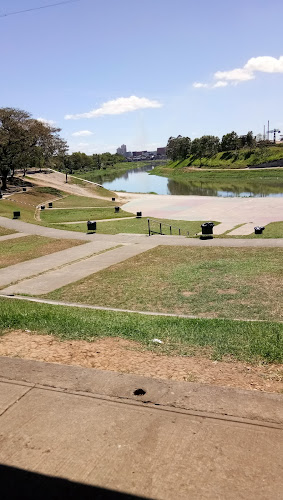
Marikina River Park
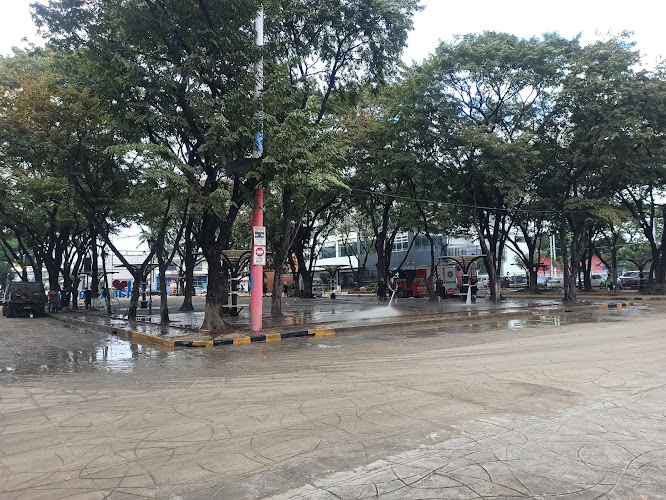
Marikina - 영도 ( Yeongdo ) Friendship Park
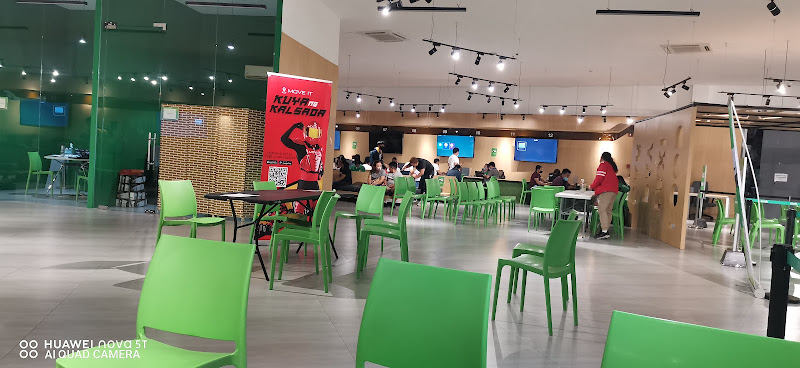
Grab Warehouse Marikina
Find Accommodations Nearby
Recommended Tours & Activities
Visitor Reviews
There are no reviews yet. Be the first one to write one.
Share Your Experience
Have you visited St. Gabriel of Our Lady Of Sorrows Parish Church – Marikina Heights, Marikina City (Diocese of Antipolo)? Help other travelers by leaving a review.