About Diocesan Shrine and Parish of Nuestra Señora de los Desamparados

Description

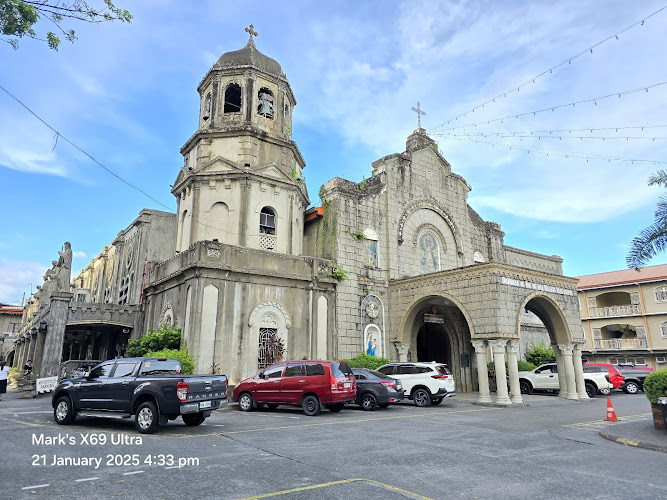
The Diocesan Shrine and Parish of Nuestra Señora de los Desamparados stands as one of those religious sites that somehow manages to feel both grand and intimate at the same time. Dedicated to Our Lady of the Abandoned, this Catholic church draws thousands of visitors each year who come seeking spiritual solace, architectural beauty, and a genuine connection to Filipino religious heritage. The shrine serves as an active parish, which means you're not just walking through a museum piece - you're stepping into a living, breathing center of faith that's woven into the daily lives of local worshippers. What strikes most travelers when they first arrive is how the shrine manages to balance its role as both a tourist attraction and a functioning place of worship. You'll find locals kneeling in prayer beside curious visitors snapping photos, and somehow it all works together in this beautiful harmony. The church's dedication to Nuestra Señora de los Desamparados - the patroness of the abandoned and forsaken - carries special significance in Philippine culture, where devotion to the Virgin Mary runs particularly deep. And let me tell you, there's something genuinely moving about witnessing the devotion of the faithful here. I've been to plenty of churches that felt more like tourist traps than spiritual spaces, but this shrine maintains its authenticity even with the steady stream of visitors. The atmosphere shifts throughout the day - early morning masses feel contemplative and quiet, while weekend services buzz with families and community energy. The architectural style reflects traditional Filipino Catholic design, with elements that speak to centuries of Spanish colonial influence mixed with distinctly local touches. But what really sets this shrine apart isn't just the building itself - it's the palpable sense of faith that permeates every corner. People don't just visit here; they come with intentions, prayers written on small pieces of paper, candles to light, and hopes to share with the Virgin.

Key Features

  • Full wheelchair accessibility including entrance and parking areas, making the shrine welcoming to visitors of all mobility levels
  • Active parish community that celebrates regular masses throughout the week, offering travelers a chance to participate in authentic Filipino Catholic worship services
  • Dedicated shrine space honoring Nuestra Señora de los Desamparados with devotional items, prayer candles, and a serene atmosphere for personal reflection
  • On-site parking facilities that eliminate the stress of finding a spot in busy areas - a real blessing for those driving their own vehicles or arriving in tour groups
  • Clean restroom facilities available for visitors, which honestly shouldn't be overlooked when you're planning a day of sightseeing
  • Beautiful religious artwork and statuary throughout the church grounds, each piece telling its own story of faith and devotion
  • Opportunities to observe or participate in traditional Filipino Catholic practices like novenas, rosary prayers, and special feast day celebrations
  • A welcoming atmosphere that doesn't make non-Catholic visitors feel excluded or uncomfortable while still maintaining its spiritual authenticity
  • Local vendors nearby selling religious items, souvenirs, and traditional offerings for those who wish to participate in devotional practices

Best Time to Visit

Timing your visit to the Diocesan Shrine and Parish of Nuestra Señora de los Desamparados really depends on what kind of experience you're after. For those seeking quiet contemplation and the chance to really soak in the spiritual atmosphere without crowds, weekday mornings between 8 AM and 10 AM hit that sweet spot. The early morning light filters through the windows just right, and you'll find mostly local devotees going about their prayers - it's peaceful without feeling empty. But here's the thing - if you want to experience the shrine at its most alive and culturally rich, weekend masses are where it's at. Sunday services especially showcase Filipino Catholic culture in full force, complete with choir music, families in their Sunday best, and a sense of community that's genuinely heartwarming. Just be prepared for larger crowds and less opportunity for quiet reflection. The feast day of Nuestra Señora de los Desamparados draws massive crowds and represents the shrine at its most celebratory. If your travel dates happen to align with this special occasion, you're in for a treat - processions, special masses, traditional music, and an energy that's absolutely electric. However, expect significant crowds and plan to arrive early if you want to get inside the church itself. Weather-wise, the dry season generally offers more comfortable visiting conditions. Nobody wants to navigate a religious site while dripping wet from tropical rain. That said, the shrine remains open and active year-round, and there's something almost poetic about hearing rain drum on the roof during a quiet moment of prayer. Avoid major Philippine holidays unless you're specifically interested in the crowds and celebrations, because getting anywhere near the shrine during peak religious seasons can turn into quite the adventure. And not always the good kind of adventure where you discover hidden gems - more like the kind where you're stuck in traffic for an hour. Early evening visits, particularly around 5 PM to 6 PM, offer another good option. The day's heat has mellowed, the afternoon rush has passed, and you often catch families stopping by for a quick prayer before heading home. There's something really authentic about these moments.

How to Get There

Getting to the shrine requires a bit of planning, but it's definitely manageable for travelers with various levels of Philippines experience. For those staying in nearby cities or tourist areas, hiring a private car or using ride-sharing services offers the most straightforward approach. You'll want to have the shrine's name written down clearly - preferably in both English and Tagalog - because not all drivers will be familiar with the English name. Public transportation is absolutely an option for budget-conscious travelers or those wanting a more authentic local experience. Jeepneys and buses serve the area, though you'll need to ask locals for the most current route information since these things tend to change. Don't be shy about asking - Filipinos are generally incredibly helpful to visitors trying to navigate public transport. Just prepare yourself for the uniquely Filipino jeepney experience, which can be both thrilling and slightly chaotic if you've never done it before. Tricycles can handle the last leg of your journey if you're coming from a nearby drop-off point. Negotiate the fare before hopping in, and don't be afraid to ask your hotel or accommodation for the going rate so you have a baseline. Most tricycle drivers are honest, but knowing the approximate cost prevents any awkward situations. For the more adventurous souls who've rented a car or motorcycle, the shrine's parking facilities make driving yourself a viable option. Just factor in Filipino traffic patterns, which can be... let's say "unpredictable" for the uninitiated. GPS apps generally work well in the Philippines, though having a physical map or written directions as backup never hurts. If you're joining an organized tour that includes religious sites, many packages incorporate the shrine into their itineraries. This takes all the navigation stress off your shoulders, though you'll have less flexibility in how long you can stay. The journey itself offers glimpses of local Philippine life - neighborhoods, street food vendors, schools letting out, daily commerce happening on every corner. Honestly, getting there is part of the experience, not just an inconvenience to endure.

Tips for Visiting

Dress appropriately - this is an active Catholic shrine, not a beach resort. Shoulders and knees should be covered at minimum, and you'll feel more comfortable blending in if you err on the side of modest. Some visitors bring a light scarf or shawl to cover up if they're coming from other activities and aren't dressed conservatively enough. The shrine welcomes everyone, but showing respect through your clothing choices goes a long way. Silence your phone completely before entering the church proper. And I mean actually silence it, not just putting it on vibrate. There's nothing quite like a loud ringtone echoing through a sacred space during prayers to make you want to disappear into the floor. Trust me on this one. Photography is generally permitted, but be mindful of active worship services and people who are clearly in prayer. That Instagram shot can wait if it means disrupting someone's spiritual moment. Flash photography during masses is a definite no-go. Some areas might have specific restrictions, so when in doubt, ask one of the church staff or volunteers. Arrive with small bills if you plan to light candles or make donations. The donation boxes accept whatever amount you feel moved to give - there's no minimum - but having exact change makes things smoother. The candles people light here represent prayers and intentions, and participating in this tradition can be meaningful even for non-Catholics. Take advantage of the wheelchair accessibility if you or your travel companions need it. The shrine has genuinely made efforts to be inclusive, which unfortunately isn't always the case at older religious sites. Don't hesitate to ask staff for assistance if needed. Restrooms are available, but come prepared with your own tissue or wet wipes. Philippine restrooms don't always stock toilet paper the way Western facilities do, and this applies even at well-maintained sites like the shrine. If you're interested in attending mass, check the schedule ahead of time. Services are typically held in Filipino languages, which adds to the cultural experience even if you don't understand every word. The rhythm and rituals of Catholic mass are fairly universal, so you can follow along with the general flow. Consider visiting during non-peak hours if you're sensitive to crowds or want time for personal reflection. The shrine's character changes dramatically between quiet weekday mornings and packed Sunday services - both experiences are valuable, just different. Respect the fact that this is someone's church home, not just a tourist site. The people praying around you have real spiritual needs and connections to this place. Treat the space with the same respect you'd want visitors to show at a place sacred to you. Bring water, especially if you're visiting during hotter parts of the day. There's no food or drink allowed inside the church, but staying hydrated before and after your visit matters. The surrounding area usually has vendors selling drinks and snacks. Don't rush. I know there's always that temptation to tick off sites quickly and move to the next thing on your itinerary, but shrines like this reveal themselves slowly. Sit for a while, watch the candle flames flicker, observe how locals interact with the sacred space. Some of my most memorable travel moments have come from simply being present rather than constantly moving. And finally - be open to the experience even if organized religion isn't your thing. There's something universally human about sacred spaces, about watching people express hope and faith, about witnessing traditions that have sustained communities for generations. You don't have to share the belief system to appreciate the beauty and meaning it holds for others.

Key Features

  • Historic founding dating to 17th century with consecration under Our Lady of the Abandoned (1791)
  • Enshrined image of Nuestra Señora de los Desamparados, a focal point for local devotion and pilgrimage
  • Colonial-era architectural features and well-preserved church interior suitable for photography and reflection
  • Active parish life with regular Masses, processions and feast-day celebrations
  • Central location in Marikina near public transport and local markets, making it easy to combine with other attractions

More Details

Updated January 18, 2026

Description

The Diocesan Shrine and Parish of Nuestra Señora de los Desamparados stands as one of those religious sites that somehow manages to feel both grand and intimate at the same time. Dedicated to Our Lady of the Abandoned, this Catholic church draws thousands of visitors each year who come seeking spiritual solace, architectural beauty, and a genuine connection to Filipino religious heritage. The shrine serves as an active parish, which means you’re not just walking through a museum piece – you’re stepping into a living, breathing center of faith that’s woven into the daily lives of local worshippers.

What strikes most travelers when they first arrive is how the shrine manages to balance its role as both a tourist attraction and a functioning place of worship. You’ll find locals kneeling in prayer beside curious visitors snapping photos, and somehow it all works together in this beautiful harmony. The church’s dedication to Nuestra Señora de los Desamparados – the patroness of the abandoned and forsaken – carries special significance in Philippine culture, where devotion to the Virgin Mary runs particularly deep.

And let me tell you, there’s something genuinely moving about witnessing the devotion of the faithful here. I’ve been to plenty of churches that felt more like tourist traps than spiritual spaces, but this shrine maintains its authenticity even with the steady stream of visitors. The atmosphere shifts throughout the day – early morning masses feel contemplative and quiet, while weekend services buzz with families and community energy.

The architectural style reflects traditional Filipino Catholic design, with elements that speak to centuries of Spanish colonial influence mixed with distinctly local touches. But what really sets this shrine apart isn’t just the building itself – it’s the palpable sense of faith that permeates every corner. People don’t just visit here; they come with intentions, prayers written on small pieces of paper, candles to light, and hopes to share with the Virgin.

Key Features

  • Full wheelchair accessibility including entrance and parking areas, making the shrine welcoming to visitors of all mobility levels
  • Active parish community that celebrates regular masses throughout the week, offering travelers a chance to participate in authentic Filipino Catholic worship services
  • Dedicated shrine space honoring Nuestra Señora de los Desamparados with devotional items, prayer candles, and a serene atmosphere for personal reflection
  • On-site parking facilities that eliminate the stress of finding a spot in busy areas – a real blessing for those driving their own vehicles or arriving in tour groups
  • Clean restroom facilities available for visitors, which honestly shouldn’t be overlooked when you’re planning a day of sightseeing
  • Beautiful religious artwork and statuary throughout the church grounds, each piece telling its own story of faith and devotion
  • Opportunities to observe or participate in traditional Filipino Catholic practices like novenas, rosary prayers, and special feast day celebrations
  • A welcoming atmosphere that doesn’t make non-Catholic visitors feel excluded or uncomfortable while still maintaining its spiritual authenticity
  • Local vendors nearby selling religious items, souvenirs, and traditional offerings for those who wish to participate in devotional practices

Best Time to Visit

Timing your visit to the Diocesan Shrine and Parish of Nuestra Señora de los Desamparados really depends on what kind of experience you’re after. For those seeking quiet contemplation and the chance to really soak in the spiritual atmosphere without crowds, weekday mornings between 8 AM and 10 AM hit that sweet spot. The early morning light filters through the windows just right, and you’ll find mostly local devotees going about their prayers – it’s peaceful without feeling empty.

But here’s the thing – if you want to experience the shrine at its most alive and culturally rich, weekend masses are where it’s at. Sunday services especially showcase Filipino Catholic culture in full force, complete with choir music, families in their Sunday best, and a sense of community that’s genuinely heartwarming. Just be prepared for larger crowds and less opportunity for quiet reflection.

The feast day of Nuestra Señora de los Desamparados draws massive crowds and represents the shrine at its most celebratory. If your travel dates happen to align with this special occasion, you’re in for a treat – processions, special masses, traditional music, and an energy that’s absolutely electric. However, expect significant crowds and plan to arrive early if you want to get inside the church itself.

Weather-wise, the dry season generally offers more comfortable visiting conditions. Nobody wants to navigate a religious site while dripping wet from tropical rain. That said, the shrine remains open and active year-round, and there’s something almost poetic about hearing rain drum on the roof during a quiet moment of prayer.

Avoid major Philippine holidays unless you’re specifically interested in the crowds and celebrations, because getting anywhere near the shrine during peak religious seasons can turn into quite the adventure. And not always the good kind of adventure where you discover hidden gems – more like the kind where you’re stuck in traffic for an hour.

Early evening visits, particularly around 5 PM to 6 PM, offer another good option. The day’s heat has mellowed, the afternoon rush has passed, and you often catch families stopping by for a quick prayer before heading home. There’s something really authentic about these moments.

How to Get There

Getting to the shrine requires a bit of planning, but it’s definitely manageable for travelers with various levels of Philippines experience. For those staying in nearby cities or tourist areas, hiring a private car or using ride-sharing services offers the most straightforward approach. You’ll want to have the shrine’s name written down clearly – preferably in both English and Tagalog – because not all drivers will be familiar with the English name.

Public transportation is absolutely an option for budget-conscious travelers or those wanting a more authentic local experience. Jeepneys and buses serve the area, though you’ll need to ask locals for the most current route information since these things tend to change. Don’t be shy about asking – Filipinos are generally incredibly helpful to visitors trying to navigate public transport. Just prepare yourself for the uniquely Filipino jeepney experience, which can be both thrilling and slightly chaotic if you’ve never done it before.

Tricycles can handle the last leg of your journey if you’re coming from a nearby drop-off point. Negotiate the fare before hopping in, and don’t be afraid to ask your hotel or accommodation for the going rate so you have a baseline. Most tricycle drivers are honest, but knowing the approximate cost prevents any awkward situations.

For the more adventurous souls who’ve rented a car or motorcycle, the shrine’s parking facilities make driving yourself a viable option. Just factor in Filipino traffic patterns, which can be… let’s say “unpredictable” for the uninitiated. GPS apps generally work well in the Philippines, though having a physical map or written directions as backup never hurts.

If you’re joining an organized tour that includes religious sites, many packages incorporate the shrine into their itineraries. This takes all the navigation stress off your shoulders, though you’ll have less flexibility in how long you can stay.

The journey itself offers glimpses of local Philippine life – neighborhoods, street food vendors, schools letting out, daily commerce happening on every corner. Honestly, getting there is part of the experience, not just an inconvenience to endure.

Tips for Visiting

Dress appropriately – this is an active Catholic shrine, not a beach resort. Shoulders and knees should be covered at minimum, and you’ll feel more comfortable blending in if you err on the side of modest. Some visitors bring a light scarf or shawl to cover up if they’re coming from other activities and aren’t dressed conservatively enough. The shrine welcomes everyone, but showing respect through your clothing choices goes a long way.

Silence your phone completely before entering the church proper. And I mean actually silence it, not just putting it on vibrate. There’s nothing quite like a loud ringtone echoing through a sacred space during prayers to make you want to disappear into the floor. Trust me on this one.

Photography is generally permitted, but be mindful of active worship services and people who are clearly in prayer. That Instagram shot can wait if it means disrupting someone’s spiritual moment. Flash photography during masses is a definite no-go. Some areas might have specific restrictions, so when in doubt, ask one of the church staff or volunteers.

Arrive with small bills if you plan to light candles or make donations. The donation boxes accept whatever amount you feel moved to give – there’s no minimum – but having exact change makes things smoother. The candles people light here represent prayers and intentions, and participating in this tradition can be meaningful even for non-Catholics.

Take advantage of the wheelchair accessibility if you or your travel companions need it. The shrine has genuinely made efforts to be inclusive, which unfortunately isn’t always the case at older religious sites. Don’t hesitate to ask staff for assistance if needed.

Restrooms are available, but come prepared with your own tissue or wet wipes. Philippine restrooms don’t always stock toilet paper the way Western facilities do, and this applies even at well-maintained sites like the shrine.

If you’re interested in attending mass, check the schedule ahead of time. Services are typically held in Filipino languages, which adds to the cultural experience even if you don’t understand every word. The rhythm and rituals of Catholic mass are fairly universal, so you can follow along with the general flow.

Consider visiting during non-peak hours if you’re sensitive to crowds or want time for personal reflection. The shrine’s character changes dramatically between quiet weekday mornings and packed Sunday services – both experiences are valuable, just different.

Respect the fact that this is someone’s church home, not just a tourist site. The people praying around you have real spiritual needs and connections to this place. Treat the space with the same respect you’d want visitors to show at a place sacred to you.

Bring water, especially if you’re visiting during hotter parts of the day. There’s no food or drink allowed inside the church, but staying hydrated before and after your visit matters. The surrounding area usually has vendors selling drinks and snacks.

Don’t rush. I know there’s always that temptation to tick off sites quickly and move to the next thing on your itinerary, but shrines like this reveal themselves slowly. Sit for a while, watch the candle flames flicker, observe how locals interact with the sacred space. Some of my most memorable travel moments have come from simply being present rather than constantly moving.

And finally – be open to the experience even if organized religion isn’t your thing. There’s something universally human about sacred spaces, about watching people express hope and faith, about witnessing traditions that have sustained communities for generations. You don’t have to share the belief system to appreciate the beauty and meaning it holds for others.

Key Highlights

  • Historic founding dating to 17th century with consecration under Our Lady of the Abandoned (1791)
  • Enshrined image of Nuestra Señora de los Desamparados, a focal point for local devotion and pilgrimage
  • Colonial-era architectural features and well-preserved church interior suitable for photography and reflection
  • Active parish life with regular Masses, processions and feast-day celebrations
  • Central location in Marikina near public transport and local markets, making it easy to combine with other attractions

Location

Places to Stay Near Diocesan Shrine and Parish of Nuestra Señora de los Desamparados

Find and Book a Tour

Explore More Travel Guides

No reviews found! Be the first to review!

Traveler Reviews for Diocesan Shrine and Parish of Nuestra Señora de los Desamparados

There are no reviews yet. Be the first one to write one.

Share Your Experience

Have you visited Diocesan Shrine and Parish of Nuestra Señora de los Desamparados? Help other travelers by sharing your review.

Nearby Attractions

Marikina River Park Marikina Shoe Museum SM City Marikina / local markets and dining along J.P. Rizal

Find Accommodations Nearby

Recommended Tours & Activities

Visitor Reviews

There are no reviews yet. Be the first one to write one.

Share Your Experience

Have you visited Diocesan Shrine and Parish of Nuestra Señora de los Desamparados? Help other travelers by leaving a review.