
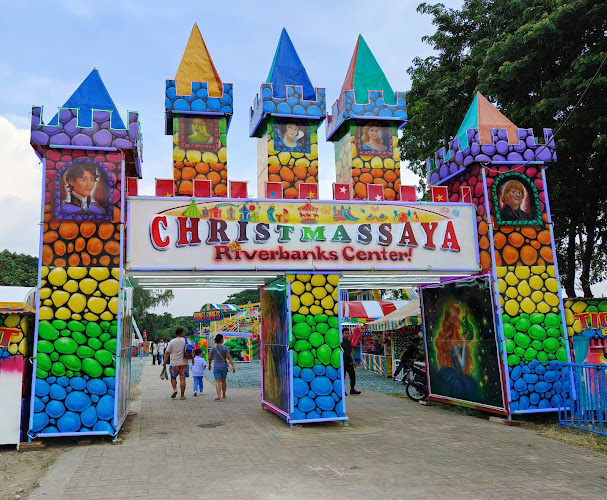
Christmas Saya Carnivals @ Riverbanks Center
About Christmas Saya Carnivals @ Riverbanks Center
Description
The Christmas Saya Carnivals at Riverbanks Center transforms the typical shopping and entertainment complex into a festive wonderland that captures the spirit of the Philippine holiday season. This seasonal attraction brings together the traditional Filipino celebration of Christmas with modern carnival entertainment, creating an experience that speaks to both locals and travelers seeking authentic cultural immersion during the most wonderful time of the year. What makes this particular Christmas carnival special is how it embraces the uniquely Filipino concept of "saya" – which translates to joy or happiness – and weaves it throughout every aspect of the event. You'll find that the atmosphere here isn't just about commercial holiday displays. Instead, it represents the genuine warmth and celebration that defines Christmas in the Philippines, where the season starts as early as September and stretches well into January. The carnival setup occupies a significant portion of the Riverbanks Center grounds, turning the area into an immersive holiday experience. Families gather here to create memories, couples find romantic spots among twinkling lights, and solo travelers discover the communal joy that characterizes Filipino holiday celebrations. The organizers have done a remarkable job making the space accessible to everyone, including those with mobility challenges, which honestly isn't always a given in many Philippine attractions. I've noticed that what really sets this apart from other holiday events is the blend of traditional carnival rides and games with distinctly Filipino Christmas elements. You're not just getting a generic winter wonderland transplanted to a tropical setting – though let's be honest, the irony of Christmas in 30-degree heat never gets old. Instead, you're experiencing how Filipinos have made the holiday season entirely their own.Key Features
The Christmas Saya Carnivals at Riverbanks Center offers visitors several distinctive attractions and experiences: • Carnival rides suitable for various age groups, from gentle kiddie rides to more thrilling options for teenagers and adults seeking adventure • Traditional Filipino Christmas decorations and light displays that showcase the country's famous parols (Christmas lanterns) alongside modern LED installations • Game booths offering both classic carnival challenges and local favorites, with prizes ranging from small toys to larger stuffed animals • Food stalls and vendors serving Filipino holiday specialties, including bibingka, puto bumbong, and other seasonal treats that you won't find year-round • Photo opportunities throughout the grounds with elaborate Christmas setups perfect for social media sharing or creating family albums • Live entertainment on select evenings featuring local performers, carolers, and sometimes surprise celebrity appearances • Shopping areas where visitors can purchase Christmas gifts, decorations, and handcrafted items from local artisans • A wheelchair-accessible layout ensuring that guests with mobility needs can fully participate in the festivities • Child-friendly zones with age-appropriate activities and safety measures that give parents peace of mind • Evening light shows that transform the entire carnival into a glittering spectacle once the sun setsBest Time to Visit
Timing your visit to the Christmas Saya Carnivals can make a huge difference in your experience. The carnival typically runs from late November through the first week of January, aligning with the extended Filipino Christmas season. But not all days are created equal when it comes to crowd sizes and overall atmosphere. Weekday evenings, particularly Tuesday through Thursday, offer the most relaxed experience. You'll encounter shorter lines for rides, easier navigation through the grounds, and more opportunities to really take in the decorations without being jostled by crowds. If you're traveling with young children who might get overwhelmed by too much stimulation, these quieter evenings are your best bet. Weekend visits bring maximum energy and atmosphere. Friday and Saturday nights see the largest crowds, with families, friend groups, and dating couples all converging on the carnival. The buzz and excitement during these peak times create an infectious energy that some visitors absolutely love. But be prepared – popular rides might have wait times of 30 minutes or more, and you'll need patience navigating through the thicker crowds. The absolute sweet spot? Sunday early evenings, right around 5 or 6 PM. You catch the transition from daylight to darkness, which is when the light displays really start to shine. The crowds haven't reached their peak yet, and there's still plenty of evening ahead to enjoy everything. Plus, many Filipino families attend evening mass on Sundays and arrive at the carnival afterward, so you get a slight window of opportunity before the rush. Weather-wise, you're dealing with the Philippine dry season during the carnival's run, but occasional rain showers can still happen. Actually, a light drizzle sometimes works in your favor – many locals clear out quickly, leaving shorter lines for the covered attractions. Just bring an umbrella or light rain jacket just in case. The period between Christmas Day and New Year's Eve sees particularly high attendance as people are off work and in full celebration mode. If you're visiting specifically for that festive holiday energy, this is perfect timing. If you prefer a calmer experience, aim for the early December weeks or the first few days of January.How to Get There
Getting to Riverbanks Center for the Christmas Saya Carnivals involves navigating the Marikina area, which is more straightforward than you might expect. The center's location makes it accessible from various parts of Metro Manila, though travel times vary significantly depending on traffic conditions. For travelers staying in Manila proper or Makati, the most common route involves taking EDSA northbound toward Quezon City, then transitioning to either Ortigas Avenue Extension or Marcos Highway. The journey typically takes 45 minutes to an hour under normal conditions, but during peak hours – particularly 4 to 8 PM on weekdays – you should budget at least 90 minutes. Ride-hailing services like Grab are the most convenient option for international travelers unfamiliar with the area. Simply input "Riverbanks Center" as your destination. The fare from Makati generally runs between 250 to 400 Philippine pesos depending on time and demand, while trips from Manila's tourist belt areas cost slightly less. During the Christmas season, surge pricing can kick in during evening hours, so factor that into your budget. Taxis remain an option, though ensure the driver uses the meter or agree on a fare beforehand. Many taxi drivers know Riverbanks Center well since it's a established landmark in Marikina. The advantage of taxis is that you can sometimes negotiate better rates for the return trip, though this requires decent haggling skills and basic Filipino or strong English communication. For budget-conscious travelers, jeepneys and UV Express vans service the area, but navigating the Philippine public transportation system requires some local knowledge. If you're adventurous and want that authentic experience, ask your hotel staff for specific route guidance. The savings are substantial – you might spend only 50 pesos compared to several hundred for private transport. Driving yourself is feasible if you're comfortable with Metro Manila traffic patterns and have rented a vehicle. Riverbanks Center provides parking facilities, though spaces fill quickly during peak carnival hours. Arriving before 5 PM on weekends gives you the best chance of finding convenient parking. The parking fees are reasonable and worth the independence of having your own transportation.Tips for Visiting
Bring cash, and I mean more than you think you'll need. While some vendors might accept digital payments or cards, many carnival game operators and food stalls work exclusively with physical pesos. Having denominations of 20, 50, and 100-peso bills makes transactions smoother since not everyone can break a 1000-peso note. Dress comfortably and practically. Yeah, you'll see some visitors dressed to the nines for photos, but you'll be walking on uneven carnival grounds, standing in lines, and dealing with the warm Philippine climate. Comfortable walking shoes are non-negotiable. Light, breathable clothing works better than heavy fabrics, even if you're trying to get into that "Christmas spirit" mindset. The food situation deserves strategy. The Filipino Christmas specialties sold here – particularly the bibingka and puto bumbong – are genuinely worth trying and represent authentic holiday cuisine that travelers should experience. But pace yourself. The combination of carnival food, sweet treats, and potentially adventurous dishes can overwhelm your digestive system. Start with small portions to see what appeals to you. If you're traveling with children, establish a meeting point in case anyone gets separated. The carnival grounds get surprisingly crowded, especially after dark, and phone reception can be spotty with thousands of people using their devices simultaneously. Pick a distinctive landmark within the carnival as your designated meeting spot and make sure everyone in your group knows where it is. Photography enthusiasts should arrive during the "golden hour" before sunset to capture the carnival in natural light, then stay through the evening for the illuminated shots. The light displays really come alive after full darkness, usually around 7 PM. Bring a small tripod or at least be prepared to stabilize your camera against poles or railings for those low-light shots without flash. The wheelchair-accessible features are genuinely helpful, but navigating with mobility aids still requires some patience during crowded times. Visitors with accessibility needs might find late afternoon visits on weekdays offer the easiest experience. Don't hesitate to ask carnival staff for assistance – Filipinos are generally very accommodating and helpful. Budget approximately 1,500 to 2,500 pesos per person for a full evening experience including rides, games, food, and perhaps a souvenir or two. You can certainly spend less if you're selective, but this range allows you to really enjoy what the carnival offers without constantly checking your wallet. Watch your belongings. This isn't meant to scare you – the Philippines is generally safe for tourists – but crowded carnival environments everywhere attract opportunistic pickpockets. Keep valuables in front pockets or secure bags, and don't flash expensive jewelry or large amounts of cash. And here's something I wish someone had told me: the carnival atmosphere really hits different when you embrace the communal aspect of it. Don't be surprised if Filipino families strike up conversations with you or invite you to join their photos. This warmth and openness define the local culture, especially during Christmas season. Leaning into these interactions rather than maintaining tourist distance often creates the most memorable experiences.Key Features
- Key Features
- Best Time to Visit
- How to Get There
- Tips for Visiting
More Details
Updated January 18, 2026
Table of Contents
- Description
- Key Features
- Best Time to Visit
- How to Get There
- Tips for Visiting
- Key Highlights
- Location
- Places to Stay Near Christmas Saya Carnivals @ Riverbanks Center
- Find and Book a Tour
- Explore More Travel Guides
- Nearby Places You Might Like
- Traveler Reviews for Christmas Saya Carnivals @ Riverbanks Center
- Share Your Experience
Description
The Christmas Saya Carnivals at Riverbanks Center transforms the typical shopping and entertainment complex into a festive wonderland that captures the spirit of the Philippine holiday season. This seasonal attraction brings together the traditional Filipino celebration of Christmas with modern carnival entertainment, creating an experience that speaks to both locals and travelers seeking authentic cultural immersion during the most wonderful time of the year.
What makes this particular Christmas carnival special is how it embraces the uniquely Filipino concept of “saya” – which translates to joy or happiness – and weaves it throughout every aspect of the event. You’ll find that the atmosphere here isn’t just about commercial holiday displays. Instead, it represents the genuine warmth and celebration that defines Christmas in the Philippines, where the season starts as early as September and stretches well into January.
The carnival setup occupies a significant portion of the Riverbanks Center grounds, turning the area into an immersive holiday experience. Families gather here to create memories, couples find romantic spots among twinkling lights, and solo travelers discover the communal joy that characterizes Filipino holiday celebrations. The organizers have done a remarkable job making the space accessible to everyone, including those with mobility challenges, which honestly isn’t always a given in many Philippine attractions.
I’ve noticed that what really sets this apart from other holiday events is the blend of traditional carnival rides and games with distinctly Filipino Christmas elements. You’re not just getting a generic winter wonderland transplanted to a tropical setting – though let’s be honest, the irony of Christmas in 30-degree heat never gets old. Instead, you’re experiencing how Filipinos have made the holiday season entirely their own.
Key Features
The Christmas Saya Carnivals at Riverbanks Center offers visitors several distinctive attractions and experiences:
• Carnival rides suitable for various age groups, from gentle kiddie rides to more thrilling options for teenagers and adults seeking adventure
• Traditional Filipino Christmas decorations and light displays that showcase the country’s famous parols (Christmas lanterns) alongside modern LED installations
• Game booths offering both classic carnival challenges and local favorites, with prizes ranging from small toys to larger stuffed animals
• Food stalls and vendors serving Filipino holiday specialties, including bibingka, puto bumbong, and other seasonal treats that you won’t find year-round
• Photo opportunities throughout the grounds with elaborate Christmas setups perfect for social media sharing or creating family albums
• Live entertainment on select evenings featuring local performers, carolers, and sometimes surprise celebrity appearances
• Shopping areas where visitors can purchase Christmas gifts, decorations, and handcrafted items from local artisans
• A wheelchair-accessible layout ensuring that guests with mobility needs can fully participate in the festivities
• Child-friendly zones with age-appropriate activities and safety measures that give parents peace of mind
• Evening light shows that transform the entire carnival into a glittering spectacle once the sun sets
Best Time to Visit
Timing your visit to the Christmas Saya Carnivals can make a huge difference in your experience. The carnival typically runs from late November through the first week of January, aligning with the extended Filipino Christmas season. But not all days are created equal when it comes to crowd sizes and overall atmosphere.
Weekday evenings, particularly Tuesday through Thursday, offer the most relaxed experience. You’ll encounter shorter lines for rides, easier navigation through the grounds, and more opportunities to really take in the decorations without being jostled by crowds. If you’re traveling with young children who might get overwhelmed by too much stimulation, these quieter evenings are your best bet.
Weekend visits bring maximum energy and atmosphere. Friday and Saturday nights see the largest crowds, with families, friend groups, and dating couples all converging on the carnival. The buzz and excitement during these peak times create an infectious energy that some visitors absolutely love. But be prepared – popular rides might have wait times of 30 minutes or more, and you’ll need patience navigating through the thicker crowds.
The absolute sweet spot? Sunday early evenings, right around 5 or 6 PM. You catch the transition from daylight to darkness, which is when the light displays really start to shine. The crowds haven’t reached their peak yet, and there’s still plenty of evening ahead to enjoy everything. Plus, many Filipino families attend evening mass on Sundays and arrive at the carnival afterward, so you get a slight window of opportunity before the rush.
Weather-wise, you’re dealing with the Philippine dry season during the carnival’s run, but occasional rain showers can still happen. Actually, a light drizzle sometimes works in your favor – many locals clear out quickly, leaving shorter lines for the covered attractions. Just bring an umbrella or light rain jacket just in case.
The period between Christmas Day and New Year’s Eve sees particularly high attendance as people are off work and in full celebration mode. If you’re visiting specifically for that festive holiday energy, this is perfect timing. If you prefer a calmer experience, aim for the early December weeks or the first few days of January.
How to Get There
Getting to Riverbanks Center for the Christmas Saya Carnivals involves navigating the Marikina area, which is more straightforward than you might expect. The center’s location makes it accessible from various parts of Metro Manila, though travel times vary significantly depending on traffic conditions.
For travelers staying in Manila proper or Makati, the most common route involves taking EDSA northbound toward Quezon City, then transitioning to either Ortigas Avenue Extension or Marcos Highway. The journey typically takes 45 minutes to an hour under normal conditions, but during peak hours – particularly 4 to 8 PM on weekdays – you should budget at least 90 minutes.
Ride-hailing services like Grab are the most convenient option for international travelers unfamiliar with the area. Simply input “Riverbanks Center” as your destination. The fare from Makati generally runs between 250 to 400 Philippine pesos depending on time and demand, while trips from Manila’s tourist belt areas cost slightly less. During the Christmas season, surge pricing can kick in during evening hours, so factor that into your budget.
Taxis remain an option, though ensure the driver uses the meter or agree on a fare beforehand. Many taxi drivers know Riverbanks Center well since it’s a established landmark in Marikina. The advantage of taxis is that you can sometimes negotiate better rates for the return trip, though this requires decent haggling skills and basic Filipino or strong English communication.
For budget-conscious travelers, jeepneys and UV Express vans service the area, but navigating the Philippine public transportation system requires some local knowledge. If you’re adventurous and want that authentic experience, ask your hotel staff for specific route guidance. The savings are substantial – you might spend only 50 pesos compared to several hundred for private transport.
Driving yourself is feasible if you’re comfortable with Metro Manila traffic patterns and have rented a vehicle. Riverbanks Center provides parking facilities, though spaces fill quickly during peak carnival hours. Arriving before 5 PM on weekends gives you the best chance of finding convenient parking. The parking fees are reasonable and worth the independence of having your own transportation.
Tips for Visiting
Bring cash, and I mean more than you think you’ll need. While some vendors might accept digital payments or cards, many carnival game operators and food stalls work exclusively with physical pesos. Having denominations of 20, 50, and 100-peso bills makes transactions smoother since not everyone can break a 1000-peso note.
Dress comfortably and practically. Yeah, you’ll see some visitors dressed to the nines for photos, but you’ll be walking on uneven carnival grounds, standing in lines, and dealing with the warm Philippine climate. Comfortable walking shoes are non-negotiable. Light, breathable clothing works better than heavy fabrics, even if you’re trying to get into that “Christmas spirit” mindset.
The food situation deserves strategy. The Filipino Christmas specialties sold here – particularly the bibingka and puto bumbong – are genuinely worth trying and represent authentic holiday cuisine that travelers should experience. But pace yourself. The combination of carnival food, sweet treats, and potentially adventurous dishes can overwhelm your digestive system. Start with small portions to see what appeals to you.
If you’re traveling with children, establish a meeting point in case anyone gets separated. The carnival grounds get surprisingly crowded, especially after dark, and phone reception can be spotty with thousands of people using their devices simultaneously. Pick a distinctive landmark within the carnival as your designated meeting spot and make sure everyone in your group knows where it is.
Photography enthusiasts should arrive during the “golden hour” before sunset to capture the carnival in natural light, then stay through the evening for the illuminated shots. The light displays really come alive after full darkness, usually around 7 PM. Bring a small tripod or at least be prepared to stabilize your camera against poles or railings for those low-light shots without flash.
The wheelchair-accessible features are genuinely helpful, but navigating with mobility aids still requires some patience during crowded times. Visitors with accessibility needs might find late afternoon visits on weekdays offer the easiest experience. Don’t hesitate to ask carnival staff for assistance – Filipinos are generally very accommodating and helpful.
Budget approximately 1,500 to 2,500 pesos per person for a full evening experience including rides, games, food, and perhaps a souvenir or two. You can certainly spend less if you’re selective, but this range allows you to really enjoy what the carnival offers without constantly checking your wallet.
Watch your belongings. This isn’t meant to scare you – the Philippines is generally safe for tourists – but crowded carnival environments everywhere attract opportunistic pickpockets. Keep valuables in front pockets or secure bags, and don’t flash expensive jewelry or large amounts of cash.
And here’s something I wish someone had told me: the carnival atmosphere really hits different when you embrace the communal aspect of it. Don’t be surprised if Filipino families strike up conversations with you or invite you to join their photos. This warmth and openness define the local culture, especially during Christmas season. Leaning into these interactions rather than maintaining tourist distance often creates the most memorable experiences.
Key Highlights
- Key Features
- Best Time to Visit
- How to Get There
- Tips for Visiting
Location
Places to Stay Near Christmas Saya Carnivals @ Riverbanks Center
Find and Book a Tour
Explore More Travel Guides
No reviews found! Be the first to review!
Traveler Reviews for Christmas Saya Carnivals @ Riverbanks Center
There are no reviews yet. Be the first one to write one.
Have you visited Christmas Saya Carnivals @ Riverbanks Center? Help other travelers by sharing your review.
You Might Also Like
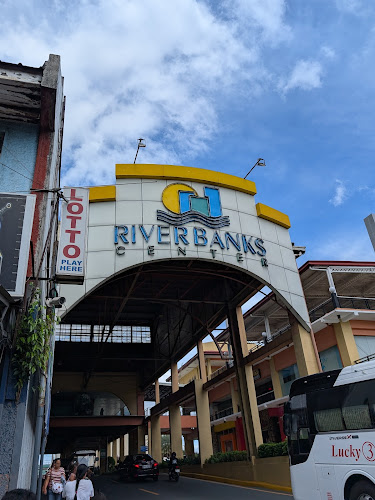
Riverbanks Center
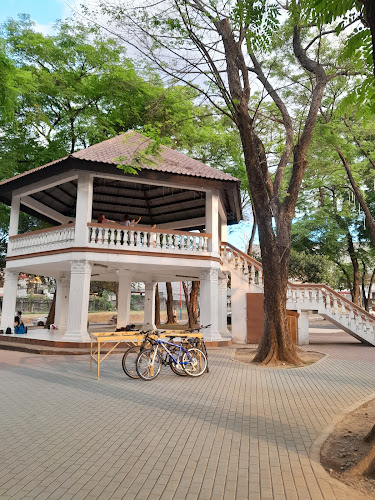
Marikina- Brampton Friendship Park
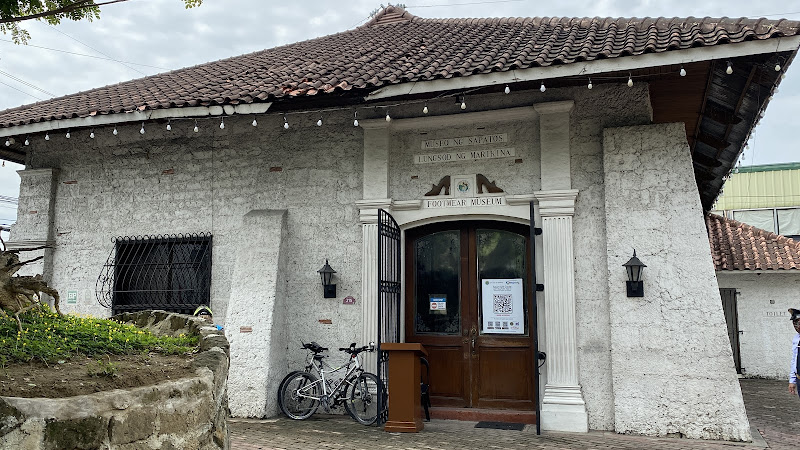
Shoe Museum of Marikina
Find Accommodations Nearby
Recommended Tours & Activities
Visitor Reviews
There are no reviews yet. Be the first one to write one.
Share Your Experience
Have you visited Christmas Saya Carnivals @ Riverbanks Center? Help other travelers by leaving a review.