About Kurskiy Krayevedcheskiy Muzey

Description

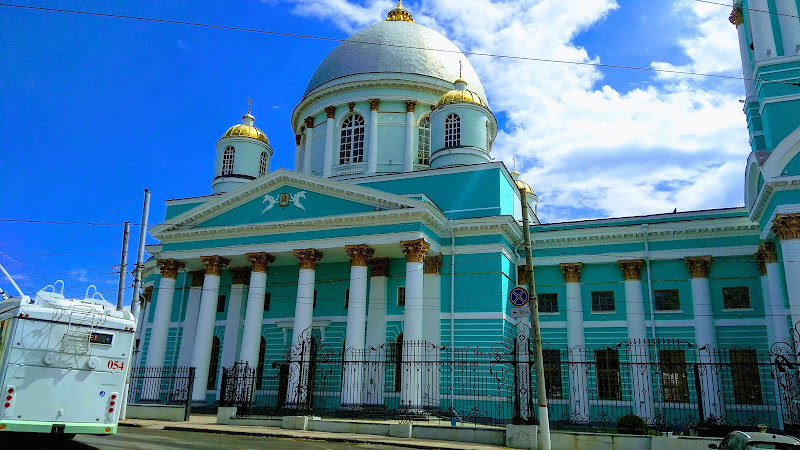
The Kurskiy Krayevedcheskiy Muzey stands as one of Russia's most comprehensive regional museums, offering visitors an fascinating journey through the cultural, natural, and historical fabric of the Kursk region. This isn't your typical dusty archive of artifacts behind glass cases. The museum has managed to create something genuinely engaging that pulls you into the story of this historically rich area of Russia. I remember the first time someone described a regional museum to me as "life-changing" and I thought they were being dramatic. But honestly, places like this one prove that local history museums can absolutely surprise you with their depth and presentation quality. The Kurskiy Krayevedcheskiy Muzey spreads across multiple halls, each dedicated to different aspects of the region's identity - from its geological formation millions of years ago to the folklore traditions that continue today. What makes this museum particularly worthwhile for travelers is its commitment to telling complete stories rather than just displaying objects. You'll find exhibits on regional science that explain the unique ecosystems of the Kursk area, nature displays featuring local flora and fauna that you might encounter during your Russian travels, and historical collections that trace human settlement in this region back through the centuries. The folklore section deserves special mention because it preserves traditions and customs that are slowly disappearing from modern Russian life. The museum building itself accommodates a substantial collection without feeling overwhelming. And yes, there are restrooms available - something I always appreciate mentioning because you'd be surprised how many cultural institutions overlook this basic necessity. The museum is genuinely suitable for families traveling with children, which isn't always the case with history-focused venues.

Key Features

The Kurskiy Krayevedcheskiy Muzey offers several distinctive elements that set it apart from other regional museums:
  • Comprehensive Regional Folklore Collection: Traditional costumes, household items, and cultural artifacts that showcase how people in the Kursk region lived, celebrated, and expressed themselves through generations
  • Natural History Exhibits: Detailed displays of the region's diverse ecosystems, including taxidermy specimens of local wildlife and geological samples that tell the story of the land's formation
  • Historical Archives and Documents: Original manuscripts, photographs, and personal belongings from significant figures in Kursk's history, providing intimate glimpses into the past
  • Scientific Collections: Exhibits exploring the scientific contributions and discoveries made by researchers from this region, including medical, astronomical, and agricultural advances
  • Interactive Educational Programs: The museum regularly hosts workshops and demonstrations, particularly focused on traditional crafts and historical practices
  • Temporary Exhibition Spaces: Rotating displays that bring fresh perspectives and specialized topics throughout the year, ensuring repeat visitors always find something new
  • Family-Friendly Presentations: Thoughtfully designed displays at varying heights and with engaging visual elements that capture younger visitors' attention
  • Multilingual Information: While primarily in Russian, key exhibits include English descriptions for international visitors

Best Time to Visit

Timing your visit to the Kurskiy Krayevedcheskiy Muzey can significantly impact your experience. The museum operates year-round, but certain periods offer distinct advantages depending on what you're looking for. The late spring months from April through early June provide an excellent window for museum visits. The weather in Kursk becomes pleasant enough for comfortable exploration of the surrounding city before or after your museum time, but you're visiting before the peak summer tourist season when tour groups can crowd the halls. I've found that museums breathe differently when you can stand in front of exhibits without jostling for position. September and October represent another sweet spot for your visit. The museum typically launches new temporary exhibitions during this period, and the autumn atmosphere in Kursk adds a certain reflective quality to historical exploration. Plus, the lighting during these months - that particular slant of fall sunshine - makes the museum's architecture look particularly beautiful if you're into photography. Winter visits from December through February have their own charm, especially if you're someone who doesn't mind the cold. The museum becomes a warm refuge from Kursk's sometimes harsh winter weather, and there's something fitting about exploring regional history while the landscape outside resembles how it might have looked to settlers centuries ago. However, do check the museum's holiday schedule as closures around New Year's and Orthodox Christmas can affect access. Weekday mornings, particularly Tuesday through Thursday between 10 AM and noon, typically see fewer visitors. If you're the type who really wants to absorb information without distractions, aim for these windows. Weekends and school holidays bring families, which creates a livelier atmosphere but also means more competition for viewing space at popular exhibits.

How to Get There

Reaching the Kurskiy Krayevedcheskiy Muzey requires some planning, but it's certainly manageable for international travelers with a bit of preparation. The city of Kursk itself sits on major rail lines connecting Moscow with southern Russia and Ukraine. If you're coming from Moscow, regular train services make the journey in approximately 6-8 hours depending on which train you select. The overnight train option actually works quite well - you board in the evening, sleep through the journey, and arrive refreshed in Kursk the next morning. I've always found overnight trains in Russia to be an experience in themselves, provided you book at least second class for reasonable comfort. From Kursk's main railway station, the museum is accessible via local transportation. Several bus routes service the area, and taxis are readily available outside the station. The taxi ride typically takes 15-20 minutes depending on traffic, and it's worth negotiating the fare beforehand or ensuring the meter is running. Local buses offer a more economical option, though you'll need basic Russian language skills to navigate the system effectively. For those flying into the region, Kursk has a small airport with limited connections, primarily to Moscow. Most international travelers find it more practical to fly into Moscow's airports and then take ground transportation to Kursk. The road journey by car or bus takes approximately 5-6 hours under normal conditions. Once you're in the general vicinity of the museum, signage helps guide visitors to the entrance. The building itself is a recognizable landmark in its neighborhood, so locals can easily point you in the right direction if you find yourself turned around.

Tips for Visiting

Making the most of your time at the Kurskiy Krayevedcheskiy Muzey involves some practical considerations that'll enhance your experience considerably. Budget at least two to three hours for a thorough visit. I know that might sound like a lot for a regional museum, but the collection is genuinely extensive, and rushing through defeats the purpose. The museum rewards slow, thoughtful exploration rather than a quick walkthrough. If you only have limited time, focus on one or two sections that most interest you rather than trying to see everything superficially. Bring a notebook or use your phone to take notes. Photography is typically allowed in most sections, but verify current policies when you arrive as these can change. Even so, I've found that writing down observations helps me remember details better than just snapping photos. There's something about the physical act of writing that makes information stick. The museum is genuinely appropriate for children, but keeping younger kids engaged requires some strategy. The natural history sections with animal displays typically capture their attention most effectively. Consider visiting these areas first when children's energy and focus are highest, then moving to more document-heavy historical sections if time and patience allow. Language can present challenges for non-Russian speakers. While key exhibits include English information, many detailed descriptions remain Russian-only. Consider downloading a translation app that works offline, or hiring a local guide if you want deeper understanding. The museum staff generally tries to be helpful despite language barriers, but don't expect extensive English fluency. Dress comfortably but respectfully. Museums in Russia tend to maintain cooler temperatures for artifact preservation, so bring a light jacket even during summer. Comfortable walking shoes are essential given the amount of ground you'll cover on hard floors. The museum shop near the exit offers some genuinely interesting regional crafts and books that make better souvenirs than typical tourist trinkets. But it's small, so if you see something you like, grab it rather than planning to return later. Don't skip the folklore section even if history isn't typically your thing. The traditional costume displays and household items provide context for understanding Russian culture that enriches the rest of your travels through the country. I've noticed that understanding regional folk traditions makes interactions with local people throughout Russia more meaningful and enjoyable. Finally, remember that this museum represents serious preservation work by dedicated professionals who care deeply about their regional heritage. Approaching the exhibits with respect and genuine curiosity will be noticed and appreciated, often leading to more enriching interactions with staff who might share additional insights or stories not included in the official displays.

Key Features

  • Key Features
  • Best Time to Visit
  • How to Get There
  • Tips for Visiting

More Details

Updated January 17, 2026

Description

The Kurskiy Krayevedcheskiy Muzey stands as one of Russia’s most comprehensive regional museums, offering visitors an fascinating journey through the cultural, natural, and historical fabric of the Kursk region. This isn’t your typical dusty archive of artifacts behind glass cases. The museum has managed to create something genuinely engaging that pulls you into the story of this historically rich area of Russia.

I remember the first time someone described a regional museum to me as “life-changing” and I thought they were being dramatic. But honestly, places like this one prove that local history museums can absolutely surprise you with their depth and presentation quality. The Kurskiy Krayevedcheskiy Muzey spreads across multiple halls, each dedicated to different aspects of the region’s identity – from its geological formation millions of years ago to the folklore traditions that continue today.

What makes this museum particularly worthwhile for travelers is its commitment to telling complete stories rather than just displaying objects. You’ll find exhibits on regional science that explain the unique ecosystems of the Kursk area, nature displays featuring local flora and fauna that you might encounter during your Russian travels, and historical collections that trace human settlement in this region back through the centuries. The folklore section deserves special mention because it preserves traditions and customs that are slowly disappearing from modern Russian life.

The museum building itself accommodates a substantial collection without feeling overwhelming. And yes, there are restrooms available – something I always appreciate mentioning because you’d be surprised how many cultural institutions overlook this basic necessity. The museum is genuinely suitable for families traveling with children, which isn’t always the case with history-focused venues.

Key Features

The Kurskiy Krayevedcheskiy Muzey offers several distinctive elements that set it apart from other regional museums:

  • Comprehensive Regional Folklore Collection: Traditional costumes, household items, and cultural artifacts that showcase how people in the Kursk region lived, celebrated, and expressed themselves through generations
  • Natural History Exhibits: Detailed displays of the region’s diverse ecosystems, including taxidermy specimens of local wildlife and geological samples that tell the story of the land’s formation
  • Historical Archives and Documents: Original manuscripts, photographs, and personal belongings from significant figures in Kursk’s history, providing intimate glimpses into the past
  • Scientific Collections: Exhibits exploring the scientific contributions and discoveries made by researchers from this region, including medical, astronomical, and agricultural advances
  • Interactive Educational Programs: The museum regularly hosts workshops and demonstrations, particularly focused on traditional crafts and historical practices
  • Temporary Exhibition Spaces: Rotating displays that bring fresh perspectives and specialized topics throughout the year, ensuring repeat visitors always find something new
  • Family-Friendly Presentations: Thoughtfully designed displays at varying heights and with engaging visual elements that capture younger visitors’ attention
  • Multilingual Information: While primarily in Russian, key exhibits include English descriptions for international visitors

Best Time to Visit

Timing your visit to the Kurskiy Krayevedcheskiy Muzey can significantly impact your experience. The museum operates year-round, but certain periods offer distinct advantages depending on what you’re looking for.

The late spring months from April through early June provide an excellent window for museum visits. The weather in Kursk becomes pleasant enough for comfortable exploration of the surrounding city before or after your museum time, but you’re visiting before the peak summer tourist season when tour groups can crowd the halls. I’ve found that museums breathe differently when you can stand in front of exhibits without jostling for position.

September and October represent another sweet spot for your visit. The museum typically launches new temporary exhibitions during this period, and the autumn atmosphere in Kursk adds a certain reflective quality to historical exploration. Plus, the lighting during these months – that particular slant of fall sunshine – makes the museum’s architecture look particularly beautiful if you’re into photography.

Winter visits from December through February have their own charm, especially if you’re someone who doesn’t mind the cold. The museum becomes a warm refuge from Kursk’s sometimes harsh winter weather, and there’s something fitting about exploring regional history while the landscape outside resembles how it might have looked to settlers centuries ago. However, do check the museum’s holiday schedule as closures around New Year’s and Orthodox Christmas can affect access.

Weekday mornings, particularly Tuesday through Thursday between 10 AM and noon, typically see fewer visitors. If you’re the type who really wants to absorb information without distractions, aim for these windows. Weekends and school holidays bring families, which creates a livelier atmosphere but also means more competition for viewing space at popular exhibits.

How to Get There

Reaching the Kurskiy Krayevedcheskiy Muzey requires some planning, but it’s certainly manageable for international travelers with a bit of preparation.

The city of Kursk itself sits on major rail lines connecting Moscow with southern Russia and Ukraine. If you’re coming from Moscow, regular train services make the journey in approximately 6-8 hours depending on which train you select. The overnight train option actually works quite well – you board in the evening, sleep through the journey, and arrive refreshed in Kursk the next morning. I’ve always found overnight trains in Russia to be an experience in themselves, provided you book at least second class for reasonable comfort.

From Kursk’s main railway station, the museum is accessible via local transportation. Several bus routes service the area, and taxis are readily available outside the station. The taxi ride typically takes 15-20 minutes depending on traffic, and it’s worth negotiating the fare beforehand or ensuring the meter is running. Local buses offer a more economical option, though you’ll need basic Russian language skills to navigate the system effectively.

For those flying into the region, Kursk has a small airport with limited connections, primarily to Moscow. Most international travelers find it more practical to fly into Moscow’s airports and then take ground transportation to Kursk. The road journey by car or bus takes approximately 5-6 hours under normal conditions.

Once you’re in the general vicinity of the museum, signage helps guide visitors to the entrance. The building itself is a recognizable landmark in its neighborhood, so locals can easily point you in the right direction if you find yourself turned around.

Tips for Visiting

Making the most of your time at the Kurskiy Krayevedcheskiy Muzey involves some practical considerations that’ll enhance your experience considerably.

Budget at least two to three hours for a thorough visit. I know that might sound like a lot for a regional museum, but the collection is genuinely extensive, and rushing through defeats the purpose. The museum rewards slow, thoughtful exploration rather than a quick walkthrough. If you only have limited time, focus on one or two sections that most interest you rather than trying to see everything superficially.

Bring a notebook or use your phone to take notes. Photography is typically allowed in most sections, but verify current policies when you arrive as these can change. Even so, I’ve found that writing down observations helps me remember details better than just snapping photos. There’s something about the physical act of writing that makes information stick.

The museum is genuinely appropriate for children, but keeping younger kids engaged requires some strategy. The natural history sections with animal displays typically capture their attention most effectively. Consider visiting these areas first when children’s energy and focus are highest, then moving to more document-heavy historical sections if time and patience allow.

Language can present challenges for non-Russian speakers. While key exhibits include English information, many detailed descriptions remain Russian-only. Consider downloading a translation app that works offline, or hiring a local guide if you want deeper understanding. The museum staff generally tries to be helpful despite language barriers, but don’t expect extensive English fluency.

Dress comfortably but respectfully. Museums in Russia tend to maintain cooler temperatures for artifact preservation, so bring a light jacket even during summer. Comfortable walking shoes are essential given the amount of ground you’ll cover on hard floors.

The museum shop near the exit offers some genuinely interesting regional crafts and books that make better souvenirs than typical tourist trinkets. But it’s small, so if you see something you like, grab it rather than planning to return later.

Don’t skip the folklore section even if history isn’t typically your thing. The traditional costume displays and household items provide context for understanding Russian culture that enriches the rest of your travels through the country. I’ve noticed that understanding regional folk traditions makes interactions with local people throughout Russia more meaningful and enjoyable.

Finally, remember that this museum represents serious preservation work by dedicated professionals who care deeply about their regional heritage. Approaching the exhibits with respect and genuine curiosity will be noticed and appreciated, often leading to more enriching interactions with staff who might share additional insights or stories not included in the official displays.

Key Highlights

  • Key Features
  • Best Time to Visit
  • How to Get There
  • Tips for Visiting

Location

Places to Stay Near Kurskiy Krayevedcheskiy Muzey

Find and Book a Tour

Explore More Travel Guides

No reviews found! Be the first to review!

Traveler Reviews for Kurskiy Krayevedcheskiy Muzey

There are no reviews yet. Be the first one to write one.

Share Your Experience

Have you visited Kurskiy Krayevedcheskiy Muzey? Help other travelers by sharing your review.

Find Accommodations Nearby

Recommended Tours & Activities

Visitor Reviews

There are no reviews yet. Be the first one to write one.

Share Your Experience

Have you visited Kurskiy Krayevedcheskiy Muzey? Help other travelers by leaving a review.