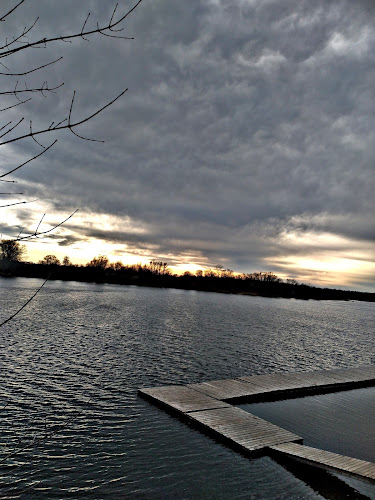
Description
The Wooden Bridge stands as one of those rare structures that manages to be both functionally essential and remarkably photogenic at the same time. Spanning across the river with its weathered planks and sturdy railings, this bridge has become more than just a way to cross water—it’s evolved into a genuine destination in its own right. And honestly, there’s something about wooden bridges that just hits different than their concrete or steel counterparts.
What makes this particular crossing special is how it invites you to slow down. You can’t really rush across a wooden bridge, not when each footstep produces that satisfying hollow thunk that echoes off the water below. I’ve watched countless travelers start their crossing with purpose, only to find themselves stopping midway to lean against the railing and just take it all in. The river flowing beneath, the way the wood has aged and taken on character over the years, the panoramic views that open up from this vantage point—it all combines to create an experience that’s genuinely worth your time.
The bridge serves as a fantastic spot for families, particularly those traveling with kids who tend to find endless fascination in watching the water flow below their feet. There’s an element of mild adventure here that children seem to instinctively appreciate, that feeling of being suspended above the river while still being completely safe. Parents appreciate the accessibility and the fact that it’s the kind of attraction where everyone can participate without needing special equipment or physical prowess.
Key Features
The Wooden Bridge offers visitors several distinctive characteristics that set it apart from typical river crossings:
• Traditional wooden construction that showcases craftsmanship often lost in modern infrastructure projects
• Panoramic river views accessible from multiple points along the crossing, perfect for photography enthusiasts
• Child-friendly design with secure railings that make it safe for families with young explorers
• Peaceful atmosphere that encourages contemplation and connection with the surrounding natural environment
• Accessible year-round, though conditions vary seasonally and affect the overall experience
• Strategic location that often connects to hiking trails or other attractions in the area
• Ideal spot for sunrise and sunset photography when golden light plays across the water and wooden surfaces
• Sound design—the natural creaking and footfall echoes create an immersive sensory experience
• Fishing spots accessible from certain sections, depending on local regulations
• Minimal crowds compared to more commercialized attractions, offering authentic moments of tranquility
Best Time to Visit
Timing your visit to the Wooden Bridge can make the difference between a pleasant walk and an unforgettable experience. Early morning hours, particularly around sunrise, transform this simple structure into something almost magical. The mist often rises from the river at dawn, creating an ethereal atmosphere that photographers dream about. Plus, you’ll likely have the bridge mostly to yourself, which is when you can really hear the river and feel connected to the place.
Late afternoon through sunset presents another prime window for visiting. The low angle of sunlight does wonderful things to wooden structures, bringing out textures and creating long shadows that add depth to photos. But beyond the visual appeal, there’s something about ending your day on a bridge over water that just feels right, you know? It’s contemplative without being heavy.
Seasonally speaking, autumn might just be the winner here. The surrounding foliage typically puts on a show that frames the bridge beautifully, and the cooler temperatures make for comfortable walking conditions. Spring runs a close second, especially if you’re visiting an area where wildflowers bloom along the riverbanks or where the river itself runs higher and more dramatic from snowmelt.
Summer brings its own advantages—warmer weather means you can linger longer, and kids especially enjoy the experience when they’re not bundled up against the cold. However, this is also when you’re more likely to encounter other visitors, so adjust your expectations accordingly.
Winter visits require more preparation but reward hardy travelers with potentially stunning scenes of frost-covered railings and possibly even ice formations along the river. Just be mindful that wooden surfaces can become slippery when wet or icy, so proper footwear becomes crucial.
Weekdays generally offer a quieter experience than weekends, particularly if the bridge has gained any local popularity as a recreational spot. And here’s a tip that applies across seasons: visit after a rainstorm has cleared. The wood takes on deeper, richer tones when wet, and the river runs with more energy, creating a more dynamic scene overall.
How to Get There
Reaching the Wooden Bridge typically requires a bit more intention than stumbling upon it accidentally, which honestly adds to its charm. Most wooden bridges that have become tourist attractions in their own right are located in areas where nature still maintains the upper hand over development.
For those driving, you’ll want to research the nearest parking area in advance. Sometimes these bridges are accessible via dedicated parking lots, but just as often they’re reached through informal pulloffs or shared parking with nearby trailheads. GPS coordinates tend to be more reliable than street addresses for these kinds of locations, so grab those before you head out.
If you’re relying on public transportation, the situation gets trickier. Rural bridges rarely have direct bus or train service nearby. Your best bet might involve getting to the nearest town and then arranging for a taxi or rideshare service. Some visitors combine a trip to the bridge with bicycle touring, which can be absolutely brilliant if you’re properly equipped and the roads are suitable.
Walking trails often provide the most scenic approach to the Wooden Bridge. Many of these structures were built to facilitate hiking routes, so arriving on foot might actually align with the bridge’s original purpose. Check local trail maps and be realistic about the distance and terrain difficulty before committing to this approach, especially if you’re traveling with children or have mobility considerations.
Weather conditions deserve serious consideration when planning your route. What’s an easy drive in summer might become challenging or impossible during winter months if roads aren’t regularly maintained. Similarly, heavy rains can occasionally make access roads temporarily impassable or affect the bridge’s accessibility itself.
Once you’re in the general vicinity, signage varies wildly depending on the location. Some wooden bridges enjoy official recognition with proper wayfinding signs, while others remain local secrets with only minimal marking. Don’t be shy about asking locals for directions—people who live near these landmarks often take pride in them and appreciate visitors who show genuine interest.
Tips for Visiting
Preparation makes all the difference when visiting the Wooden Bridge, starting with your footwear. Those wooden planks can be uneven, occasionally splinter-prone, and definitely slippery when wet. Closed-toe shoes with good traction aren’t just recommended—they’re essential. I’ve seen too many people in flip-flops regretting their choices halfway across.
Bring your camera or ensure your phone is charged, because you’ll want to capture this. But here’s the thing—spend at least some time experiencing the bridge without a screen between you and the moment. The best memories from places like this come from actual presence, not just documentation.
If you’re visiting with kids, turn it into an educational opportunity. Wooden bridges offer great chances to talk about engineering, nature, history, and environmental conservation. Count the planks, look for wildlife in the river, discuss how the bridge was built. Children who feel engaged intellectually are less likely to get bored or antsy.
Pack water and perhaps a small snack, especially if the bridge is part of a longer walk or hike. There’s often a temptation to sit on the bridge for a while, and having provisions makes that more comfortable. Just be absolutely certain you pack out everything you bring in—littering around these structures is particularly offensive given their natural settings.
Check local regulations regarding the bridge before your visit. Some wooden bridges have weight limits, restricted hours, or specific rules about fishing, swimming, or other activities in the area. Knowing these in advance prevents disappointment and potential fines.
Weather awareness goes beyond just checking if it’ll rain. Wind conditions matter more on bridges than you might expect, especially over open water. Strong gusts can be unsettling, particularly for children or anyone with balance concerns. Similarly, extreme heat can make wooden surfaces uncomfortably hot to touch.
Respect the structure itself. These bridges often represent significant investments of labor and materials, sometimes dating back decades or even longer. Don’t carve into the wood, don’t test the railings’ strength unnecessarily, and report any damage or safety concerns to appropriate authorities.
Finally, embrace the slower pace that wooden bridges naturally encourage. These aren’t structures designed for efficiency—they’re invitations to pause, to observe, to connect with the landscape in ways our hurried modern lives rarely permit. Let the bridge work its subtle magic on you, and you’ll leave with more than just photos. You’ll leave with an actual experience worth remembering.