Kursk State Picture Gallery
About Kursk State Picture Gallery
Description
The Kursk State Picture Gallery stands as one of Russia's remarkable regional art museums, housing an impressive collection that tells stories through canvas and sculpture. Walking through its halls, visitors discover a treasure trove of Russian fine art spanning several centuries, from classical masterpieces to contemporary works that challenge conventional perspectives. The gallery's permanent collection features over 10,000 pieces, though not all are displayed simultaneously, giving curators the flexibility to rotate exhibits and keep the experience fresh for repeat visitors. I remember the first time I visited a regional Russian art museum - there's something special about these institutions that major metropolitan galleries sometimes lack. They feel more intimate, more personal somehow. The Kursk State Picture Gallery embodies this quality perfectly, offering travelers an authentic cultural experience without the overwhelming crowds you'd encounter at Moscow's Tretyakov Gallery or the Hermitage in Saint Petersburg. The building itself reflects classical architectural sensibilities, creating an appropriate atmosphere for contemplating works of art. Many pieces in the collection represent the Golden Age of Russian painting, featuring landscapes that capture the country's dramatic natural beauty and portraits that reveal the social complexities of different historical periods. But what really makes this gallery special is its commitment to preserving regional artistic heritage alongside nationally recognized masters. Visitors will find works by renowned Russian artists whose names might not be familiar to international audiences but whose contributions to the nation's cultural fabric are undeniable. The gallery doesn't just preserve art - it educates, inspires, and connects past artistic movements with contemporary creative expressions. And honestly, that's what makes any art museum worth visiting, right? The ability to see how artists from different eras grappled with universal human themes through their unique cultural lenses.Key Features
The Kursk State Picture Gallery offers several distinctive features that enhance the visitor experience: • An extensive permanent collection featuring Russian art from the 18th through 21st centuries, including paintings, sculptures, and decorative arts • Rotating temporary exhibitions that showcase both established and emerging artists, keeping the gallery's offerings dynamic and current • Works by significant Russian masters whose pieces rarely travel outside their home institutions, making this a unique opportunity for art enthusiasts • Educational programs designed for various age groups, making the gallery particularly welcoming for families traveling with children • Restroom facilities available on-site for visitor convenience during extended viewing sessions • A well-curated selection of regional art that provides insight into Kursk's local cultural heritage and artistic traditions • Climate-controlled exhibition spaces that protect the artwork while maintaining comfortable viewing conditions year-round • Knowledgeable staff members who can provide context about specific pieces and artistic movements represented in the collection • Special thematic exhibitions that explore particular periods, styles, or individual artists in greater depth • Accessibility features that accommodate visitors with different mobility needsBest Time to Visit
Timing your visit to the Kursk State Picture Gallery requires considering both practical and experiential factors. The museum experiences its quietest periods during weekday mornings, particularly Tuesday through Thursday. If you're someone who prefers contemplating art without jostling for position or hearing constant chatter, these timeframes offer the most peaceful viewing conditions. Summer months from June through August bring increased tourist traffic to Kursk, which means the gallery sees more visitors during this period. However, summer also coincides with special exhibitions and cultural events that might make the crowds worthwhile. I've always believed that sometimes a bit of crowd energy actually enhances the museum experience - you overhear interesting observations, see how others react to particular pieces, and feel part of a shared cultural moment. Winter visits have their own appeal. The gallery becomes a warm refuge from Kursk's harsh cold, and there's something deeply satisfying about spending a snowy afternoon surrounded by beautiful art. Plus, visitor numbers drop considerably during January and February, giving you practically private viewings of the collection. The gallery occasionally hosts special evening events and exhibition openings, which provide an entirely different atmosphere compared to regular daytime visits. These events can be wonderful opportunities to experience art in a more social setting, though they may not suit travelers seeking quiet contemplation. Getting tickets in advance is definitely recommended, especially if you're visiting during weekends or holiday periods. This isn't just about avoiding disappointment - it's about maximizing your limited travel time. Nobody wants to stand in line for 45 minutes when they could be viewing masterpieces.How to Get There
Reaching the Kursk State Picture Gallery is relatively straightforward for travelers already in the city. The museum occupies a central location that makes it accessible through various transportation methods. Public buses serve the area well, with several routes stopping within easy walking distance of the gallery. For visitors unfamiliar with Kursk's public transportation system, taxi services provide a hassle-free alternative that won't break the budget. If you're staying in Kursk's city center, the gallery is often reachable on foot, depending on your hotel's exact location. Walking through Kursk's streets offers its own rewards - you'll pass architectural landmarks and get a genuine feel for daily life in this historic Russian city. Just make sure you're dressed appropriately for the weather, because Russian seasons don't mess around. For those arriving in Kursk by train, which is how many domestic travelers reach the city, the gallery lies approximately 2-3 kilometers from the main railway station. A short taxi ride or a slightly longer bus journey will get you there without difficulty. The train station area also has several hotels, making it a convenient base for travelers planning to visit multiple cultural sites around the city. Drivers won't face significant challenges finding parking near the gallery, though availability varies depending on the day and time. Street parking exists in the surrounding area, but familiarize yourself with local parking regulations to avoid any unpleasant surprises. International travelers typically reach Kursk through Moscow, either flying into one of the capital's airports and then taking a train, or connecting through other major Russian cities. The journey from Moscow to Kursk takes roughly 6-8 hours by train, making it feasible as either a day trip for the truly ambitious or, more realistically, a worthwhile overnight destination.Tips for Visiting
Making the most of your visit to the Kursk State Picture Gallery requires some thoughtful preparation. First and foremost, allocate sufficient time - rushing through an art museum defeats the entire purpose. Most visitors find that 2-3 hours provides adequate time to appreciate the permanent collection and any temporary exhibitions, though serious art enthusiasts might easily spend an entire afternoon here. Photography policies vary in different museum sections, so check current rules before starting to snap pictures. Some areas permit non-flash photography while others prohibit it entirely to protect delicate artworks. When in doubt, ask gallery staff rather than assuming. The gallery welcomes families with children, and honestly, introducing young people to art in a quality museum setting creates lasting impressions. However, parents should come prepared with strategies for keeping kids engaged. Many children respond well to turning gallery visits into gentle scavenger hunts - "Can you find a painting with a horse?" or "Let's look for artwork that uses mostly blue colors." This beats dragging reluctant children through room after room while repeatedly saying "Don't touch!" Comfortable shoes matter more than you might think. Museum floors can be unforgiving, and you'll be standing or walking slowly for extended periods. Those stylish but painful shoes? Leave them at the hotel. Since the gallery lacks an on-site restaurant, plan accordingly. Eat before arriving or bring water and snacks for afterwards. The surrounding neighborhood has dining options, but you'll need to exit the museum to access them. Consider hiring a guide or renting an audio guide if available. Even if you speak Russian, having expert commentary enriches the viewing experience immensely. Art doesn't always speak for itself - understanding the historical context, the artist's intentions, and the technical innovations represented in particular works transforms viewing from passive observation to active engagement. Visit the restroom before starting your tour through the galleries. Nothing disrupts appreciating a masterpiece quite like an urgent biological need. Check the gallery's schedule for any special exhibitions coinciding with your visit. Sometimes smaller regional museums host remarkable temporary shows that rival anything you'd find in major capitals. Missing these because you didn't check ahead would be a shame. Respect the space and other visitors. Keep conversations at reasonable volumes, silence your phone, and give others room to view popular pieces. We've all encountered that person who plants themselves directly in front of a famous painting for ten minutes while a dozen people wait behind them. Don't be that person. Finally, take time after your visit to sit and reflect. Many travelers rush from sight to sight, checking boxes on their itinerary without really processing what they've experienced. Find a nearby cafe, order some tea, and think about which artworks resonated with you and why. That's when museum visits transform from tourist activities into meaningful cultural experiences.Key Features
- Collection of ~10,000 works spanning 16th–20th centuries
- Strong holdings of Russian and Soviet-era paintings, including works by A. A. Deineka
- Mixed media: painting, sculpture, graphics, decorative and folk art
- Intimate exhibition rooms that allow close viewing of artworks
- Dedicated regional and thematic exhibitions showcasing Kursk artists and history
More Details
Updated January 18, 2026
Table of Contents
Description
The Kursk State Picture Gallery stands as one of Russia’s remarkable regional art museums, housing an impressive collection that tells stories through canvas and sculpture. Walking through its halls, visitors discover a treasure trove of Russian fine art spanning several centuries, from classical masterpieces to contemporary works that challenge conventional perspectives. The gallery’s permanent collection features over 10,000 pieces, though not all are displayed simultaneously, giving curators the flexibility to rotate exhibits and keep the experience fresh for repeat visitors.
I remember the first time I visited a regional Russian art museum – there’s something special about these institutions that major metropolitan galleries sometimes lack. They feel more intimate, more personal somehow. The Kursk State Picture Gallery embodies this quality perfectly, offering travelers an authentic cultural experience without the overwhelming crowds you’d encounter at Moscow’s Tretyakov Gallery or the Hermitage in Saint Petersburg.
The building itself reflects classical architectural sensibilities, creating an appropriate atmosphere for contemplating works of art. Many pieces in the collection represent the Golden Age of Russian painting, featuring landscapes that capture the country’s dramatic natural beauty and portraits that reveal the social complexities of different historical periods. But what really makes this gallery special is its commitment to preserving regional artistic heritage alongside nationally recognized masters.
Visitors will find works by renowned Russian artists whose names might not be familiar to international audiences but whose contributions to the nation’s cultural fabric are undeniable. The gallery doesn’t just preserve art – it educates, inspires, and connects past artistic movements with contemporary creative expressions. And honestly, that’s what makes any art museum worth visiting, right? The ability to see how artists from different eras grappled with universal human themes through their unique cultural lenses.
Key Features
The Kursk State Picture Gallery offers several distinctive features that enhance the visitor experience:
• An extensive permanent collection featuring Russian art from the 18th through 21st centuries, including paintings, sculptures, and decorative arts
• Rotating temporary exhibitions that showcase both established and emerging artists, keeping the gallery’s offerings dynamic and current
• Works by significant Russian masters whose pieces rarely travel outside their home institutions, making this a unique opportunity for art enthusiasts
• Educational programs designed for various age groups, making the gallery particularly welcoming for families traveling with children
• Restroom facilities available on-site for visitor convenience during extended viewing sessions
• A well-curated selection of regional art that provides insight into Kursk’s local cultural heritage and artistic traditions
• Climate-controlled exhibition spaces that protect the artwork while maintaining comfortable viewing conditions year-round
• Knowledgeable staff members who can provide context about specific pieces and artistic movements represented in the collection
• Special thematic exhibitions that explore particular periods, styles, or individual artists in greater depth
• Accessibility features that accommodate visitors with different mobility needs
Best Time to Visit
Timing your visit to the Kursk State Picture Gallery requires considering both practical and experiential factors. The museum experiences its quietest periods during weekday mornings, particularly Tuesday through Thursday. If you’re someone who prefers contemplating art without jostling for position or hearing constant chatter, these timeframes offer the most peaceful viewing conditions.
Summer months from June through August bring increased tourist traffic to Kursk, which means the gallery sees more visitors during this period. However, summer also coincides with special exhibitions and cultural events that might make the crowds worthwhile. I’ve always believed that sometimes a bit of crowd energy actually enhances the museum experience – you overhear interesting observations, see how others react to particular pieces, and feel part of a shared cultural moment.
Winter visits have their own appeal. The gallery becomes a warm refuge from Kursk’s harsh cold, and there’s something deeply satisfying about spending a snowy afternoon surrounded by beautiful art. Plus, visitor numbers drop considerably during January and February, giving you practically private viewings of the collection.
The gallery occasionally hosts special evening events and exhibition openings, which provide an entirely different atmosphere compared to regular daytime visits. These events can be wonderful opportunities to experience art in a more social setting, though they may not suit travelers seeking quiet contemplation.
Getting tickets in advance is definitely recommended, especially if you’re visiting during weekends or holiday periods. This isn’t just about avoiding disappointment – it’s about maximizing your limited travel time. Nobody wants to stand in line for 45 minutes when they could be viewing masterpieces.
How to Get There
Reaching the Kursk State Picture Gallery is relatively straightforward for travelers already in the city. The museum occupies a central location that makes it accessible through various transportation methods. Public buses serve the area well, with several routes stopping within easy walking distance of the gallery. For visitors unfamiliar with Kursk’s public transportation system, taxi services provide a hassle-free alternative that won’t break the budget.
If you’re staying in Kursk’s city center, the gallery is often reachable on foot, depending on your hotel’s exact location. Walking through Kursk’s streets offers its own rewards – you’ll pass architectural landmarks and get a genuine feel for daily life in this historic Russian city. Just make sure you’re dressed appropriately for the weather, because Russian seasons don’t mess around.
For those arriving in Kursk by train, which is how many domestic travelers reach the city, the gallery lies approximately 2-3 kilometers from the main railway station. A short taxi ride or a slightly longer bus journey will get you there without difficulty. The train station area also has several hotels, making it a convenient base for travelers planning to visit multiple cultural sites around the city.
Drivers won’t face significant challenges finding parking near the gallery, though availability varies depending on the day and time. Street parking exists in the surrounding area, but familiarize yourself with local parking regulations to avoid any unpleasant surprises.
International travelers typically reach Kursk through Moscow, either flying into one of the capital’s airports and then taking a train, or connecting through other major Russian cities. The journey from Moscow to Kursk takes roughly 6-8 hours by train, making it feasible as either a day trip for the truly ambitious or, more realistically, a worthwhile overnight destination.
Tips for Visiting
Making the most of your visit to the Kursk State Picture Gallery requires some thoughtful preparation. First and foremost, allocate sufficient time – rushing through an art museum defeats the entire purpose. Most visitors find that 2-3 hours provides adequate time to appreciate the permanent collection and any temporary exhibitions, though serious art enthusiasts might easily spend an entire afternoon here.
Photography policies vary in different museum sections, so check current rules before starting to snap pictures. Some areas permit non-flash photography while others prohibit it entirely to protect delicate artworks. When in doubt, ask gallery staff rather than assuming.
The gallery welcomes families with children, and honestly, introducing young people to art in a quality museum setting creates lasting impressions. However, parents should come prepared with strategies for keeping kids engaged. Many children respond well to turning gallery visits into gentle scavenger hunts – “Can you find a painting with a horse?” or “Let’s look for artwork that uses mostly blue colors.” This beats dragging reluctant children through room after room while repeatedly saying “Don’t touch!”
Comfortable shoes matter more than you might think. Museum floors can be unforgiving, and you’ll be standing or walking slowly for extended periods. Those stylish but painful shoes? Leave them at the hotel.
Since the gallery lacks an on-site restaurant, plan accordingly. Eat before arriving or bring water and snacks for afterwards. The surrounding neighborhood has dining options, but you’ll need to exit the museum to access them.
Consider hiring a guide or renting an audio guide if available. Even if you speak Russian, having expert commentary enriches the viewing experience immensely. Art doesn’t always speak for itself – understanding the historical context, the artist’s intentions, and the technical innovations represented in particular works transforms viewing from passive observation to active engagement.
Visit the restroom before starting your tour through the galleries. Nothing disrupts appreciating a masterpiece quite like an urgent biological need.
Check the gallery’s schedule for any special exhibitions coinciding with your visit. Sometimes smaller regional museums host remarkable temporary shows that rival anything you’d find in major capitals. Missing these because you didn’t check ahead would be a shame.
Respect the space and other visitors. Keep conversations at reasonable volumes, silence your phone, and give others room to view popular pieces. We’ve all encountered that person who plants themselves directly in front of a famous painting for ten minutes while a dozen people wait behind them. Don’t be that person.
Finally, take time after your visit to sit and reflect. Many travelers rush from sight to sight, checking boxes on their itinerary without really processing what they’ve experienced. Find a nearby cafe, order some tea, and think about which artworks resonated with you and why. That’s when museum visits transform from tourist activities into meaningful cultural experiences.
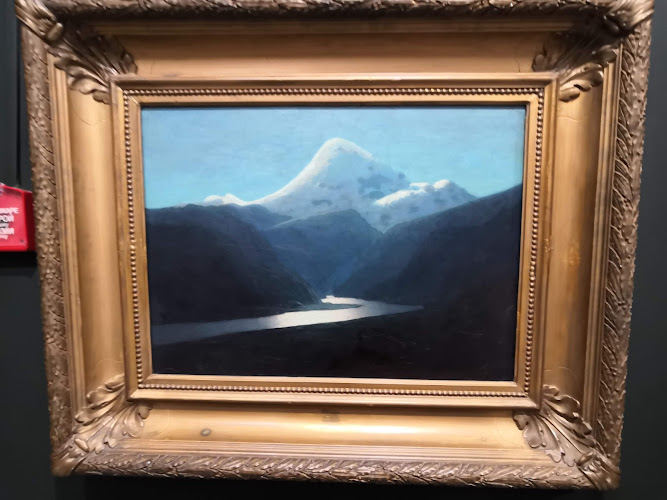
Key Highlights
- Collection of ~10,000 works spanning 16th–20th centuries
- Strong holdings of Russian and Soviet-era paintings, including works by A. A. Deineka
- Mixed media: painting, sculpture, graphics, decorative and folk art
- Intimate exhibition rooms that allow close viewing of artworks
- Dedicated regional and thematic exhibitions showcasing Kursk artists and history
Location
Places to Stay Near Kursk State Picture Gallery
Find and Book a Tour
Explore More Travel Guides
No reviews found! Be the first to review!
Traveler Reviews for Kursk State Picture Gallery
There are no reviews yet. Be the first one to write one.
Have you visited Kursk State Picture Gallery? Help other travelers by sharing your review.
Nearby Attractions
Find Accommodations Nearby
Recommended Tours & Activities
Visitor Reviews
There are no reviews yet. Be the first one to write one.
Share Your Experience
Have you visited Kursk State Picture Gallery? Help other travelers by leaving a review.
