About Kursk State Regional Museum of Archaeology

Description

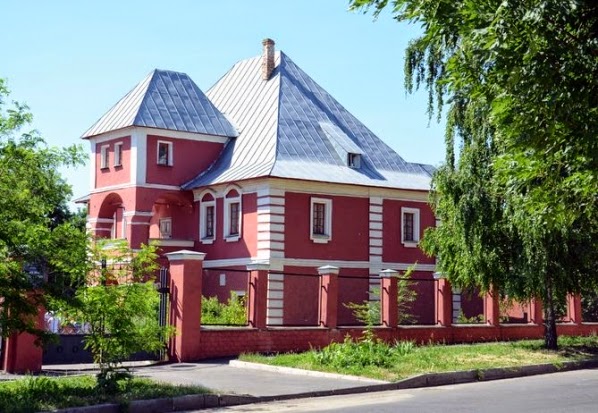
The Kursk State Regional Museum of Archaeology stands as one of Russia's most fascinating windows into the ancient past, and honestly, I think it's one of those places that doesn't get nearly enough attention from international travelers. Located in the historic city of Kursk, this museum houses an impressive collection of archaeological artifacts that tell the story of human settlement in this region spanning thousands of years. When I first heard about this place, I was surprised to learn just how rich the archaeological heritage of the Kursk region actually is – we're talking about discoveries that date back to the Stone Age. The museum itself focuses primarily on the archaeological discoveries made throughout the Kursk Oblast, which has proven to be remarkably fertile ground for historical finds. The collection includes everything from primitive tools used by our earliest ancestors to intricate medieval artifacts that showcase the sophisticated cultures that once thrived here. What makes this museum particularly special is its dedication to presenting the lesser-known chapters of Russian history, those periods that often get overshadowed by the grand narratives of Moscow and St. Petersburg. Visitors will find themselves walking through carefully curated exhibitions that bring ancient civilizations to life. The displays feature pottery, weaponry, jewelry, and everyday items that paint a vivid picture of how people lived, worked, and survived in this region across different historical epochs. And the thing is, these aren't just random objects behind glass – the museum does a commendable job of contextualizing each piece within its historical framework, helping visitors understand the significance of what they're looking at. The institution has earned a solid reputation among history enthusiasts and casual visitors alike, with the vast majority of people who visit coming away genuinely impressed by the depth and quality of the collection. It's not the Hermitage, sure, but it doesn't try to be – and that's precisely what makes it special.

Key Features

The Kursk State Regional Museum of Archaeology offers several distinctive features that make it worth adding to any traveler's itinerary:
  • Extensive Stone Age Collection: The museum houses remarkable artifacts from the Paleolithic and Neolithic periods, giving visitors a rare glimpse into the lives of the region's earliest inhabitants
  • Medieval Treasures: Beautifully preserved items from the medieval period, including weapons, ornaments, and domestic tools that showcase the craftsmanship of ancient artisans
  • Local Archaeological Discoveries: Exclusive displays of finds unique to the Kursk region, many of which you won't see anywhere else in the world
  • Educational Exhibits: Well-organized displays with informative descriptions that make complex archaeological concepts accessible to visitors of all ages
  • Ancient Burial Artifacts: Fascinating collections from excavated burial sites that reveal ancient funeral practices and beliefs about the afterlife
  • Bronze Age Metallurgy: Examples of early metalworking techniques that demonstrate the technological advances of ancient societies
  • Child-Friendly Presentations: The museum has made efforts to ensure that younger visitors can engage with the material, making it a good option for families traveling with kids
  • Regional Focus: Unlike larger national museums that try to cover everything, this institution's concentrated focus on local archaeology creates a more coherent and immersive experience
  • Authentic Artifacts: The collection consists primarily of genuine archaeological finds rather than replicas, adding to the authenticity of the experience

Best Time to Visit

Figuring out when to visit the Kursk State Regional Museum of Archaeology depends on several factors, and I'd say there's no single "perfect" time that works for everyone. But let me break down what you should consider when planning your trip. The museum operates year-round, which is great news for travelers with inflexible schedules. However, Kursk itself experiences pretty dramatic seasonal variations – winters here can be brutally cold with temperatures dropping well below freezing, while summers bring warm and pleasant weather that makes exploring the city much more enjoyable. If you're planning to combine your museum visit with exploring Kursk's outdoor sites and monuments, I'd strongly recommend visiting between late May and early September when the weather cooperates. That said, there's something to be said for visiting during the quieter winter months if you prefer a more solitary museum experience. Fewer tourists means more space to contemplate the exhibits without crowds jostling for position around popular displays. And honestly, there's a certain appropriateness to viewing ancient artifacts in a cold, quiet setting – it somehow feels more authentic. Weekdays tend to be less crowded than weekends, particularly during the school year when local families are less likely to visit. If you're someone who gets frustrated by noise and commotion in museums, aim for a Tuesday or Wednesday morning visit. Spring and autumn represent sweet spots – the weather in Kursk during these seasons is generally mild, tourist numbers are moderate, and you'll have a more balanced experience overall. One thing worth noting: Russian holidays can significantly impact museum attendance, so check the calendar before you go. Major holidays might mean either closures or unexpectedly large crowds, depending on the specific occasion.

How to Get There

Getting to the Kursk State Regional Museum of Archaeology requires a bit of planning, especially for international visitors, but it's definitely manageable with the right information. Kursk itself is a substantial regional center connected to Moscow and other major Russian cities by multiple transportation options. Most international travelers will probably start their journey from Moscow, which is roughly 500 kilometers north of Kursk. The train remains the most popular option – Russian Railways operates regular services between Moscow and Kursk, with journey times ranging from about 5 to 7 hours depending on which train you catch. I've always found Russian long-distance trains to be a experience in themselves, offering a authentic glimpse into how locals travel. If you're short on time, domestic flights connect Kursk with Moscow, though they're less frequent and can be pricier than rail options. The Kursk Vostochny Airport handles these flights, but you'll still need ground transportation to reach the city center and eventually the museum. Once you're actually in Kursk, getting to the museum depends on where you're staying. The city has a functional public transportation system including buses and marshrutkas (those quirky Russian minibuses that operate on fixed routes). Taxis are available, and ride-sharing apps have made getting around Russian cities increasingly straightforward for foreign visitors who might not speak Russian. For those who enjoy walking and want to soak up the local atmosphere, the museum's location makes it accessible on foot from many central areas of Kursk, though you'll want to check the specific distance from your accommodation. The city isn't enormous, so distances are generally manageable. One important consideration: signage in Kursk, like many Russian regional cities, is predominantly in Russian. Having a translation app on your phone or some basic Cyrillic reading ability will make navigation much less stressful.

Tips for Visiting

Having thought quite a bit about what would make a visit to this museum more enjoyable, here are some practical tips that should help you make the most of your time there. First off, prepare yourself for the accessibility situation – the museum doesn't have a wheelchair accessible entrance, which is unfortunately common in older Russian museum buildings. If you or anyone in your group has mobility challenges, this is something you'll need to plan around, and you might want to contact the museum in advance to see what accommodations might be possible. Language will likely be your biggest challenge here. While major museums in Moscow and St. Petersburg have increasingly embraced multilingual signage and audio guides, regional museums often lag behind in this regard. The Kursk State Regional Museum of Archaeology primarily caters to Russian speakers, so exhibition labels and descriptions are mostly in Russian. Bringing a translation app or, even better, hiring a local guide who speaks English can transform your experience from confusing to enlightening. Trust me on this – archaeological artifacts without context are just old objects, but with proper explanation they become fascinating stories. Plan for at least two to three hours if you want to properly appreciate the collection without rushing. Some visitors breeze through in an hour, but that seems like a waste when you've traveled all the way to Kursk. The museum has restroom facilities, which is convenient for longer visits, though there's no on-site restaurant. Eating before you come or bringing some snacks in your bag might be smart, though check current policies about food in the museum. Photography policies vary among Russian museums, so ask about taking pictures when you arrive. Some institutions allow photography without flash, while others restrict it entirely in certain galleries. Dress appropriately for the season if you're visiting in winter – you'll be walking through city streets to reach the museum, and Kursk winters don't mess around. Inside, museums tend to be well-heated, so layering makes sense. The museum is genuinely good for kids, according to most accounts, but keeping children engaged in archaeological exhibits requires some effort. Consider preparing them beforehand with stories about ancient peoples or bringing along a small notebook where they can sketch artifacts that interest them. Making it interactive helps immensely. Finally, and this might sound obvious, but approach your visit with realistic expectations. This isn't the British Museum or the Louvre – it's a regional Russian archaeology museum doing important work preserving and presenting local heritage. The collection might be smaller than what you'd find in major capitals, but the concentration on Kursk region discoveries gives it a focus and authenticity that larger institutions sometimes lack. Appreciate it for what it is rather than what it isn't, and you'll likely come away with a deeper appreciation for this often-overlooked corner of archaeological history.

Key Features

  • Key Features
  • Best Time to Visit
  • How to Get There
  • Tips for Visiting

More Details

Updated January 17, 2026

Description

The Kursk State Regional Museum of Archaeology stands as one of Russia’s most fascinating windows into the ancient past, and honestly, I think it’s one of those places that doesn’t get nearly enough attention from international travelers. Located in the historic city of Kursk, this museum houses an impressive collection of archaeological artifacts that tell the story of human settlement in this region spanning thousands of years. When I first heard about this place, I was surprised to learn just how rich the archaeological heritage of the Kursk region actually is – we’re talking about discoveries that date back to the Stone Age.

The museum itself focuses primarily on the archaeological discoveries made throughout the Kursk Oblast, which has proven to be remarkably fertile ground for historical finds. The collection includes everything from primitive tools used by our earliest ancestors to intricate medieval artifacts that showcase the sophisticated cultures that once thrived here. What makes this museum particularly special is its dedication to presenting the lesser-known chapters of Russian history, those periods that often get overshadowed by the grand narratives of Moscow and St. Petersburg.

Visitors will find themselves walking through carefully curated exhibitions that bring ancient civilizations to life. The displays feature pottery, weaponry, jewelry, and everyday items that paint a vivid picture of how people lived, worked, and survived in this region across different historical epochs. And the thing is, these aren’t just random objects behind glass – the museum does a commendable job of contextualizing each piece within its historical framework, helping visitors understand the significance of what they’re looking at.

The institution has earned a solid reputation among history enthusiasts and casual visitors alike, with the vast majority of people who visit coming away genuinely impressed by the depth and quality of the collection. It’s not the Hermitage, sure, but it doesn’t try to be – and that’s precisely what makes it special.

Key Features

The Kursk State Regional Museum of Archaeology offers several distinctive features that make it worth adding to any traveler’s itinerary:

  • Extensive Stone Age Collection: The museum houses remarkable artifacts from the Paleolithic and Neolithic periods, giving visitors a rare glimpse into the lives of the region’s earliest inhabitants
  • Medieval Treasures: Beautifully preserved items from the medieval period, including weapons, ornaments, and domestic tools that showcase the craftsmanship of ancient artisans
  • Local Archaeological Discoveries: Exclusive displays of finds unique to the Kursk region, many of which you won’t see anywhere else in the world
  • Educational Exhibits: Well-organized displays with informative descriptions that make complex archaeological concepts accessible to visitors of all ages
  • Ancient Burial Artifacts: Fascinating collections from excavated burial sites that reveal ancient funeral practices and beliefs about the afterlife
  • Bronze Age Metallurgy: Examples of early metalworking techniques that demonstrate the technological advances of ancient societies
  • Child-Friendly Presentations: The museum has made efforts to ensure that younger visitors can engage with the material, making it a good option for families traveling with kids
  • Regional Focus: Unlike larger national museums that try to cover everything, this institution’s concentrated focus on local archaeology creates a more coherent and immersive experience
  • Authentic Artifacts: The collection consists primarily of genuine archaeological finds rather than replicas, adding to the authenticity of the experience

Best Time to Visit

Figuring out when to visit the Kursk State Regional Museum of Archaeology depends on several factors, and I’d say there’s no single “perfect” time that works for everyone. But let me break down what you should consider when planning your trip.

The museum operates year-round, which is great news for travelers with inflexible schedules. However, Kursk itself experiences pretty dramatic seasonal variations – winters here can be brutally cold with temperatures dropping well below freezing, while summers bring warm and pleasant weather that makes exploring the city much more enjoyable. If you’re planning to combine your museum visit with exploring Kursk’s outdoor sites and monuments, I’d strongly recommend visiting between late May and early September when the weather cooperates.

That said, there’s something to be said for visiting during the quieter winter months if you prefer a more solitary museum experience. Fewer tourists means more space to contemplate the exhibits without crowds jostling for position around popular displays. And honestly, there’s a certain appropriateness to viewing ancient artifacts in a cold, quiet setting – it somehow feels more authentic.

Weekdays tend to be less crowded than weekends, particularly during the school year when local families are less likely to visit. If you’re someone who gets frustrated by noise and commotion in museums, aim for a Tuesday or Wednesday morning visit. Spring and autumn represent sweet spots – the weather in Kursk during these seasons is generally mild, tourist numbers are moderate, and you’ll have a more balanced experience overall.

One thing worth noting: Russian holidays can significantly impact museum attendance, so check the calendar before you go. Major holidays might mean either closures or unexpectedly large crowds, depending on the specific occasion.

How to Get There

Getting to the Kursk State Regional Museum of Archaeology requires a bit of planning, especially for international visitors, but it’s definitely manageable with the right information.

Kursk itself is a substantial regional center connected to Moscow and other major Russian cities by multiple transportation options. Most international travelers will probably start their journey from Moscow, which is roughly 500 kilometers north of Kursk. The train remains the most popular option – Russian Railways operates regular services between Moscow and Kursk, with journey times ranging from about 5 to 7 hours depending on which train you catch. I’ve always found Russian long-distance trains to be a experience in themselves, offering a authentic glimpse into how locals travel.

If you’re short on time, domestic flights connect Kursk with Moscow, though they’re less frequent and can be pricier than rail options. The Kursk Vostochny Airport handles these flights, but you’ll still need ground transportation to reach the city center and eventually the museum.

Once you’re actually in Kursk, getting to the museum depends on where you’re staying. The city has a functional public transportation system including buses and marshrutkas (those quirky Russian minibuses that operate on fixed routes). Taxis are available, and ride-sharing apps have made getting around Russian cities increasingly straightforward for foreign visitors who might not speak Russian.

For those who enjoy walking and want to soak up the local atmosphere, the museum’s location makes it accessible on foot from many central areas of Kursk, though you’ll want to check the specific distance from your accommodation. The city isn’t enormous, so distances are generally manageable.

One important consideration: signage in Kursk, like many Russian regional cities, is predominantly in Russian. Having a translation app on your phone or some basic Cyrillic reading ability will make navigation much less stressful.

Tips for Visiting

Having thought quite a bit about what would make a visit to this museum more enjoyable, here are some practical tips that should help you make the most of your time there.

First off, prepare yourself for the accessibility situation – the museum doesn’t have a wheelchair accessible entrance, which is unfortunately common in older Russian museum buildings. If you or anyone in your group has mobility challenges, this is something you’ll need to plan around, and you might want to contact the museum in advance to see what accommodations might be possible.

Language will likely be your biggest challenge here. While major museums in Moscow and St. Petersburg have increasingly embraced multilingual signage and audio guides, regional museums often lag behind in this regard. The Kursk State Regional Museum of Archaeology primarily caters to Russian speakers, so exhibition labels and descriptions are mostly in Russian. Bringing a translation app or, even better, hiring a local guide who speaks English can transform your experience from confusing to enlightening. Trust me on this – archaeological artifacts without context are just old objects, but with proper explanation they become fascinating stories.

Plan for at least two to three hours if you want to properly appreciate the collection without rushing. Some visitors breeze through in an hour, but that seems like a waste when you’ve traveled all the way to Kursk. The museum has restroom facilities, which is convenient for longer visits, though there’s no on-site restaurant. Eating before you come or bringing some snacks in your bag might be smart, though check current policies about food in the museum.

Photography policies vary among Russian museums, so ask about taking pictures when you arrive. Some institutions allow photography without flash, while others restrict it entirely in certain galleries.

Dress appropriately for the season if you’re visiting in winter – you’ll be walking through city streets to reach the museum, and Kursk winters don’t mess around. Inside, museums tend to be well-heated, so layering makes sense.

The museum is genuinely good for kids, according to most accounts, but keeping children engaged in archaeological exhibits requires some effort. Consider preparing them beforehand with stories about ancient peoples or bringing along a small notebook where they can sketch artifacts that interest them. Making it interactive helps immensely.

Finally, and this might sound obvious, but approach your visit with realistic expectations. This isn’t the British Museum or the Louvre – it’s a regional Russian archaeology museum doing important work preserving and presenting local heritage. The collection might be smaller than what you’d find in major capitals, but the concentration on Kursk region discoveries gives it a focus and authenticity that larger institutions sometimes lack. Appreciate it for what it is rather than what it isn’t, and you’ll likely come away with a deeper appreciation for this often-overlooked corner of archaeological history.

Key Highlights

  • Key Features
  • Best Time to Visit
  • How to Get There
  • Tips for Visiting

Location

Places to Stay Near Kursk State Regional Museum of Archaeology

Find and Book a Tour

Explore More Travel Guides

No reviews found! Be the first to review!

Traveler Reviews for Kursk State Regional Museum of Archaeology

There are no reviews yet. Be the first one to write one.

Share Your Experience

Have you visited Kursk State Regional Museum of Archaeology? Help other travelers by sharing your review.

Find Accommodations Nearby

Recommended Tours & Activities

Visitor Reviews

There are no reviews yet. Be the first one to write one.

Share Your Experience

Have you visited Kursk State Regional Museum of Archaeology? Help other travelers by leaving a review.