About Kursk

Description

Kursk stands as one of those Russian cities that doesn't always make the international travel headlines, but that's precisely what makes it interesting for travelers who want to experience authentic Russian culture without the tourist crowds. Located in western Russia, about 450 kilometers south of Moscow, this city has witnessed some of history's most dramatic moments while maintaining its own distinct character that sets it apart from the typical tourist trail. The city's story goes back to medieval times, though much of what you'll see today reflects its post-war reconstruction. And honestly, that's part of what makes Kursk fascinating – it's a place where you can feel the weight of history while watching modern Russian life unfold in real time. The architectural landscape mixes Soviet-era buildings with more recent developments, creating this unique urban tapestry that tells stories if you know where to look. What struck me most about reading accounts from travelers who've visited Kursk is how it serves as a living museum of Russian resilience. The city was virtually destroyed during World War II, particularly during the famous Battle of Kursk in 1943, which remains the largest tank battle in history. Walking through the city today, you'd never guess the devastation it once faced, and there's something quite moving about that transformation. The Tuskar River winds its way through the city, providing a natural backdrop that softens the urban landscape. Unlike some industrial Russian cities, Kursk has managed to preserve green spaces and create places where locals and visitors can actually breathe and enjoy nature within the city limits. The forested areas around Boyeva Dacha Park offer a proper escape from city streets, which is something you don't always find in cities of this size.

Key Features

  • The Kursk Regional Museum of Local History houses an impressive collection spanning centuries, including period furniture, military weapons, traditional costumes, and artifacts that tell the region's complex story from medieval times through the Soviet era
  • Deineka Picture Gallery showcases the works of Alexander Deineka, one of Russia's most important modernist painters who was actually born in Kursk, alongside collections of Russian and European art that rival galleries in much larger cities
  • Victory Memorial complex serves as a powerful tribute to Russian military history with its eternal flame, triumphal arch, and monuments commemorating the Battle of Kursk – one of the turning points of World War II
  • Boyeva Dacha Park provides extensive forested areas perfect for walking, picnicking, and experiencing nature without leaving the city boundaries
  • Red Square (not to be confused with Moscow's famous square) functions as the city's central gathering point with local shops, cafes, and a genuine slice of everyday Russian life
  • Znamensky Cathedral, with its distinctive architecture and spiritual significance, represents the city's religious heritage and offers stunning interior decorations worth seeing
  • The proximity to the Kursk Magnetic Anomaly, one of the world's largest iron ore deposits, makes this region geologically unique though this is more of a background fact than a tourist attraction

Best Time to Visit

Planning your trip to Kursk requires thinking about what you actually want to experience because the seasons here are dramatically different. Summer months from June through August bring warm weather with temperatures typically ranging from 20-25°C (68-77°F), making this the most comfortable time for walking around the city and exploring outdoor sites. But here's the thing – summers can also be quite busy with Russian domestic tourists, and accommodations might be pricier than you'd expect. I'd argue that late spring, particularly May, offers something special. The Victory Day celebrations on May 9th are incredibly significant throughout Russia, but in Kursk, with its profound military history, the commemorations take on extra meaning. You'll witness parades, ceremonies at the Victory Memorial, and get to see Russian patriotism in its most genuine form. The weather's usually decent by then too, though you might want to pack a light jacket for cooler evenings. Early autumn, specifically September, presents another excellent window for visiting. The summer crowds have dispersed, temperatures remain pleasant, and the parks around Kursk transform into these beautiful displays of fall colors. Plus, hotel rates typically drop after the summer season ends, which is always nice for budget-conscious travelers. Winter in Kursk is not for the faint of heart. Temperatures regularly plunge below freezing, sometimes dropping to -15°C (5°F) or lower. But if you're the type of traveler who wants to experience Russia in its full winter glory – snow-covered streets, frozen rivers, and that particular quality of light you only get in cold climates – then January or February might appeal to you. Just make sure you pack properly because Russian winter is no joke. Avoid visiting during the muddy seasons of early spring (March-April) and late autumn (November). These periods bring unpredictable weather, slush, and generally unpleasant conditions for sightseeing. The Russians even have a word for this muddy period – "rasputitsa" – which should tell you something about how challenging it can be.

How to Get There

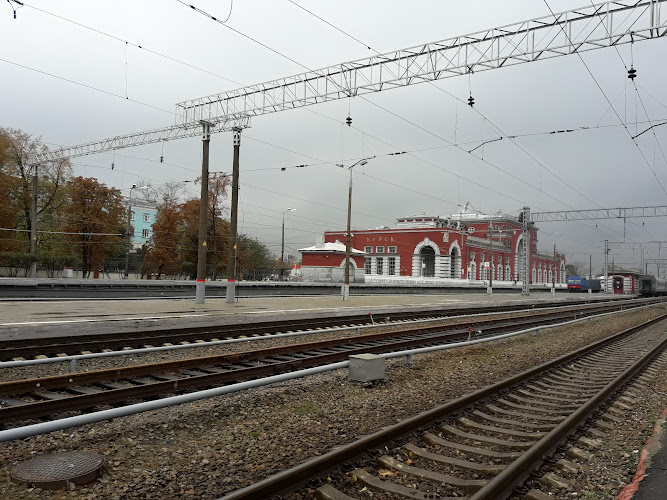
Getting to Kursk requires a bit more planning than reaching Russia's major tourist centers, but it's definitely manageable. The city sits along a major railway line connecting Moscow to southern Russia and Ukraine, which means train travel is actually your best bet for reaching the city. From Moscow, trains run regularly to Kursk, with the journey taking anywhere from 6 to 9 hours depending on which service you catch. The overnight train option works particularly well – you board in Moscow evening, sleep through the night, and wake up in Kursk the next morning. It's very Russian experience too, complete with tea from the samovar and conversations with fellow passengers if your Russian is up to it. The city does have an airport, Vostochny Airport, but international connections are limited. Most travelers flying into Russia will land in Moscow and make their way to Kursk from there. Some domestic flights connect Kursk to other Russian cities, though these routes can be seasonal and aren't always the most economical option. Driving to Kursk is possible if you're already in Russia with a car, as it sits along the M2 highway connecting Moscow to Crimea. The drive from Moscow takes about 7-8 hours in good conditions, but remember that Russian highway driving comes with its own challenges – from road conditions to navigation in a country where English signage is basically non-existent outside major cities. For Western travelers, you'll need to sort out your Russian visa well in advance. The process requires an invitation letter, application, and processing time that can take several weeks. Don't leave this to the last minute because Russian bureaucracy moves at its own pace.

Tips for Visiting

Let's be real about visiting Kursk – this isn't a city set up for international tourism like St. Petersburg or Moscow. English is not widely spoken here, and you'll need to be comfortable with some language barriers. Download a good translation app before you arrive, and consider learning basic Russian phrases. Even simple things like "thank you" (spasibo) and "please" (pozhaluysta) go a long way in showing respect and often open doors that might otherwise remain closed. Currency is another practical matter you can't ignore. While Moscow and St. Petersburg have become more card-friendly in recent years, Kursk still operates primarily on cash. Bring rubles or plan to exchange currency at banks rather than expecting to use cards everywhere. ATMs exist but aren't as plentiful as in larger cities. The museum hours can be quirky, with some institutions closing for lunch or having irregular schedules. Always check ahead if possible, and build flexibility into your plans. Russians also have this tradition of "sanitary days" when museums close for cleaning, usually once a month, which can catch visitors off guard. Dress appropriately for visiting religious sites like Znamensky Cathedral. Women should bring a scarf to cover their heads, and both men and women should ensure shoulders and knees are covered. This isn't just about following rules – it's about showing respect for local customs and spiritual spaces. Photography rules vary between sites. Some museums allow photos without flash, others prohibit photography entirely, and a few charge extra fees for camera use. When in doubt, ask first rather than risk getting scolded by a babushka museum guard – trust me on this one. The local food scene deserves attention. Kursk isn't known for fancy restaurants, but the traditional Russian cafes and stolovayas (Soviet-style canteens) offer authentic meals at incredibly reasonable prices. Try local specialties and don't be afraid of the cafeteria-style setup – you'll eat better and cheaper than sticking to hotel restaurants. Safety-wise, Kursk is generally safe for travelers, though standard precautions apply. Keep valuables secure, be aware of your surroundings, and avoid drawing unnecessary attention to yourself as a foreigner. The city doesn't see much crime targeting tourists simply because there aren't many tourists to target. Transportation within the city relies heavily on buses and marshrutkas (minibuses). Taxis exist but make sure to use official services or apps rather than unmarked cars. Walking is viable for the city center, though winter conditions can make sidewalks treacherous with ice and snow. Finally, approach Kursk with the right mindset. This isn't a place that will immediately wow you with obvious tourist attractions. Instead, it rewards patient travelers who take time to understand its history, observe daily Russian life, and appreciate the subtle layers of culture that don't always translate into guidebook highlights. Come curious, stay flexible, and you'll find Kursk has more to offer than its off-the-beaten-path status might suggest.

Key Features

  • Boyeva Dacha Park provides extensive forested areas perfect for walking, picnicking, and experiencing nature without leaving the city boundaries
  • Red Square (not to be confused with Moscow's famous square) functions as the city's central gathering point with local shops, cafes, and a genuine slice of everyday Russian life
  • Znamensky Cathedral, with its distinctive architecture and spiritual significance, represents the city's religious heritage and offers stunning interior decorations worth seeing
  • The proximity to the Kursk Magnetic Anomaly, one of the world's largest iron ore deposits, makes this region geologically unique though this is more of a background fact than a tourist attraction

More Details

Updated January 18, 2026

Description

Kursk stands as one of those Russian cities that doesn’t always make the international travel headlines, but that’s precisely what makes it interesting for travelers who want to experience authentic Russian culture without the tourist crowds. Located in western Russia, about 450 kilometers south of Moscow, this city has witnessed some of history’s most dramatic moments while maintaining its own distinct character that sets it apart from the typical tourist trail.

The city’s story goes back to medieval times, though much of what you’ll see today reflects its post-war reconstruction. And honestly, that’s part of what makes Kursk fascinating – it’s a place where you can feel the weight of history while watching modern Russian life unfold in real time. The architectural landscape mixes Soviet-era buildings with more recent developments, creating this unique urban tapestry that tells stories if you know where to look.

What struck me most about reading accounts from travelers who’ve visited Kursk is how it serves as a living museum of Russian resilience. The city was virtually destroyed during World War II, particularly during the famous Battle of Kursk in 1943, which remains the largest tank battle in history. Walking through the city today, you’d never guess the devastation it once faced, and there’s something quite moving about that transformation.

The Tuskar River winds its way through the city, providing a natural backdrop that softens the urban landscape. Unlike some industrial Russian cities, Kursk has managed to preserve green spaces and create places where locals and visitors can actually breathe and enjoy nature within the city limits. The forested areas around Boyeva Dacha Park offer a proper escape from city streets, which is something you don’t always find in cities of this size.

Key Features

  • The Kursk Regional Museum of Local History houses an impressive collection spanning centuries, including period furniture, military weapons, traditional costumes, and artifacts that tell the region’s complex story from medieval times through the Soviet era
  • Deineka Picture Gallery showcases the works of Alexander Deineka, one of Russia’s most important modernist painters who was actually born in Kursk, alongside collections of Russian and European art that rival galleries in much larger cities
  • Victory Memorial complex serves as a powerful tribute to Russian military history with its eternal flame, triumphal arch, and monuments commemorating the Battle of Kursk – one of the turning points of World War II
  • Boyeva Dacha Park provides extensive forested areas perfect for walking, picnicking, and experiencing nature without leaving the city boundaries
  • Red Square (not to be confused with Moscow’s famous square) functions as the city’s central gathering point with local shops, cafes, and a genuine slice of everyday Russian life
  • Znamensky Cathedral, with its distinctive architecture and spiritual significance, represents the city’s religious heritage and offers stunning interior decorations worth seeing
  • The proximity to the Kursk Magnetic Anomaly, one of the world’s largest iron ore deposits, makes this region geologically unique though this is more of a background fact than a tourist attraction

Best Time to Visit

Planning your trip to Kursk requires thinking about what you actually want to experience because the seasons here are dramatically different. Summer months from June through August bring warm weather with temperatures typically ranging from 20-25°C (68-77°F), making this the most comfortable time for walking around the city and exploring outdoor sites. But here’s the thing – summers can also be quite busy with Russian domestic tourists, and accommodations might be pricier than you’d expect.

I’d argue that late spring, particularly May, offers something special. The Victory Day celebrations on May 9th are incredibly significant throughout Russia, but in Kursk, with its profound military history, the commemorations take on extra meaning. You’ll witness parades, ceremonies at the Victory Memorial, and get to see Russian patriotism in its most genuine form. The weather’s usually decent by then too, though you might want to pack a light jacket for cooler evenings.

Early autumn, specifically September, presents another excellent window for visiting. The summer crowds have dispersed, temperatures remain pleasant, and the parks around Kursk transform into these beautiful displays of fall colors. Plus, hotel rates typically drop after the summer season ends, which is always nice for budget-conscious travelers.

Winter in Kursk is not for the faint of heart. Temperatures regularly plunge below freezing, sometimes dropping to -15°C (5°F) or lower. But if you’re the type of traveler who wants to experience Russia in its full winter glory – snow-covered streets, frozen rivers, and that particular quality of light you only get in cold climates – then January or February might appeal to you. Just make sure you pack properly because Russian winter is no joke.

Avoid visiting during the muddy seasons of early spring (March-April) and late autumn (November). These periods bring unpredictable weather, slush, and generally unpleasant conditions for sightseeing. The Russians even have a word for this muddy period – “rasputitsa” – which should tell you something about how challenging it can be.

How to Get There

Getting to Kursk requires a bit more planning than reaching Russia’s major tourist centers, but it’s definitely manageable. The city sits along a major railway line connecting Moscow to southern Russia and Ukraine, which means train travel is actually your best bet for reaching the city.

From Moscow, trains run regularly to Kursk, with the journey taking anywhere from 6 to 9 hours depending on which service you catch. The overnight train option works particularly well – you board in Moscow evening, sleep through the night, and wake up in Kursk the next morning. It’s very Russian experience too, complete with tea from the samovar and conversations with fellow passengers if your Russian is up to it.

The city does have an airport, Vostochny Airport, but international connections are limited. Most travelers flying into Russia will land in Moscow and make their way to Kursk from there. Some domestic flights connect Kursk to other Russian cities, though these routes can be seasonal and aren’t always the most economical option.

Driving to Kursk is possible if you’re already in Russia with a car, as it sits along the M2 highway connecting Moscow to Crimea. The drive from Moscow takes about 7-8 hours in good conditions, but remember that Russian highway driving comes with its own challenges – from road conditions to navigation in a country where English signage is basically non-existent outside major cities.

For Western travelers, you’ll need to sort out your Russian visa well in advance. The process requires an invitation letter, application, and processing time that can take several weeks. Don’t leave this to the last minute because Russian bureaucracy moves at its own pace.

Tips for Visiting

Let’s be real about visiting Kursk – this isn’t a city set up for international tourism like St. Petersburg or Moscow. English is not widely spoken here, and you’ll need to be comfortable with some language barriers. Download a good translation app before you arrive, and consider learning basic Russian phrases. Even simple things like “thank you” (spasibo) and “please” (pozhaluysta) go a long way in showing respect and often open doors that might otherwise remain closed.

Currency is another practical matter you can’t ignore. While Moscow and St. Petersburg have become more card-friendly in recent years, Kursk still operates primarily on cash. Bring rubles or plan to exchange currency at banks rather than expecting to use cards everywhere. ATMs exist but aren’t as plentiful as in larger cities.

The museum hours can be quirky, with some institutions closing for lunch or having irregular schedules. Always check ahead if possible, and build flexibility into your plans. Russians also have this tradition of “sanitary days” when museums close for cleaning, usually once a month, which can catch visitors off guard.

Dress appropriately for visiting religious sites like Znamensky Cathedral. Women should bring a scarf to cover their heads, and both men and women should ensure shoulders and knees are covered. This isn’t just about following rules – it’s about showing respect for local customs and spiritual spaces.

Photography rules vary between sites. Some museums allow photos without flash, others prohibit photography entirely, and a few charge extra fees for camera use. When in doubt, ask first rather than risk getting scolded by a babushka museum guard – trust me on this one.

The local food scene deserves attention. Kursk isn’t known for fancy restaurants, but the traditional Russian cafes and stolovayas (Soviet-style canteens) offer authentic meals at incredibly reasonable prices. Try local specialties and don’t be afraid of the cafeteria-style setup – you’ll eat better and cheaper than sticking to hotel restaurants.

Safety-wise, Kursk is generally safe for travelers, though standard precautions apply. Keep valuables secure, be aware of your surroundings, and avoid drawing unnecessary attention to yourself as a foreigner. The city doesn’t see much crime targeting tourists simply because there aren’t many tourists to target.

Transportation within the city relies heavily on buses and marshrutkas (minibuses). Taxis exist but make sure to use official services or apps rather than unmarked cars. Walking is viable for the city center, though winter conditions can make sidewalks treacherous with ice and snow.

Finally, approach Kursk with the right mindset. This isn’t a place that will immediately wow you with obvious tourist attractions. Instead, it rewards patient travelers who take time to understand its history, observe daily Russian life, and appreciate the subtle layers of culture that don’t always translate into guidebook highlights. Come curious, stay flexible, and you’ll find Kursk has more to offer than its off-the-beaten-path status might suggest.

Key Highlights

  • Boyeva Dacha Park provides extensive forested areas perfect for walking, picnicking, and experiencing nature without leaving the city boundaries
  • Red Square (not to be confused with Moscow's famous square) functions as the city's central gathering point with local shops, cafes, and a genuine slice of everyday Russian life
  • Znamensky Cathedral, with its distinctive architecture and spiritual significance, represents the city's religious heritage and offers stunning interior decorations worth seeing
  • The proximity to the Kursk Magnetic Anomaly, one of the world's largest iron ore deposits, makes this region geologically unique though this is more of a background fact than a tourist attraction

Location

Places to Stay Near Kursk

Find and Book a Tour

Explore More Travel Guides

No reviews found! Be the first to review!

Traveler Reviews for Kursk

There are no reviews yet. Be the first one to write one.

Share Your Experience

Have you visited Kursk? Help other travelers by sharing your review.

Find Accommodations Nearby

Recommended Tours & Activities

Visitor Reviews

There are no reviews yet. Be the first one to write one.

Share Your Experience

Have you visited Kursk? Help other travelers by leaving a review.