
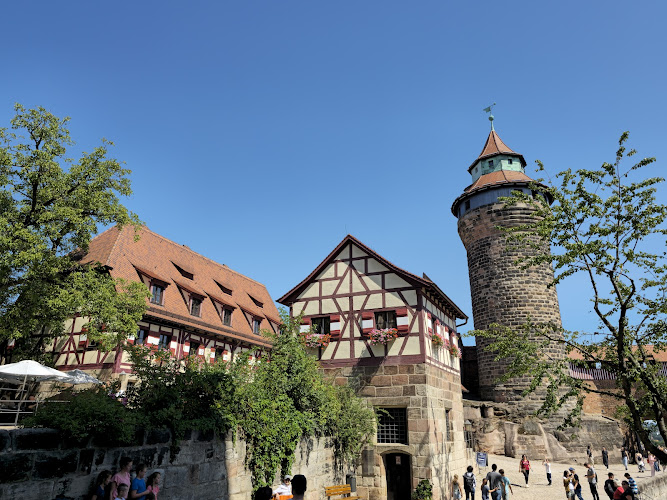
Imperial Castle of Nuremberg
About Imperial Castle of Nuremberg
Description
Standing tall over Nuremberg's historic old town, the Imperial Castle of Nuremberg (or Kaiserburg as locals call it) represents nearly a thousand years of German history packed into one incredible fortress complex. I've always thought there's something profoundly moving about walking through a place where emperors actually lived and made decisions that shaped Europe. This isn't just another castle you'll tick off your bucket list – it's a genuine journey back to medieval times when Nuremberg was at the heart of the Holy Roman Empire. The castle sits on sandstone rock overlooking the city, and honestly, the first time you catch sight of those red-roofed towers against a clear blue sky, you'll understand why this was considered such a strategic location. Built starting in the 11th century, the complex grew over the centuries as different emperors added their own touches, creating this fascinating architectural timeline you can explore today. What makes this castle particularly special is how it survived World War II. Sure, parts were damaged – Nuremberg took a real beating during the war – but the restoration work has been remarkable. Walking through the palace rooms and climbing the towers, you're experiencing both medieval grandeur and a testament to careful historical preservation. And let me tell you, the views from up there? Absolutely worth every single step of the climb. The castle complex is actually larger than most visitors expect. You've got the imperial palace with its magnificent double chapel, the deep well that'll make you wonder how they dug that far down with medieval tools, museums showcasing everything from weapons to domestic life, and gardens that offer peaceful spots to catch your breath between exploring. It's the kind of place where you could easily spend half a day and still feel like you've missed something.Key Features
The Imperial Castle offers travelers an impressive array of historical attractions and experiences:- The Imperial Palace (Palas) – Contains beautifully restored rooms where Holy Roman Emperors stayed when visiting Nuremberg, including the impressive Knights' Hall and Imperial Hall with their stunning wooden ceilings
- Deep Well (Tiefer Brunnen) – An engineering marvel that descends nearly 50 meters into the sandstone bedrock, complete with demonstrations showing just how deep it really goes
- Sinwell Tower – The cylindrical tower offering panoramic views across Nuremberg's old town and surrounding countryside that'll have your camera working overtime
- Double Chapel – A unique two-story chapel design that physically separated nobility from common folk during services, a fascinating glimpse into medieval social hierarchy
- Imperial Castle Museum – Houses weapons, armor, and artifacts from the castle's long history, bringing to life the military and domestic aspects of castle life
- Castle Gardens – Terraced gardens surrounding the complex that provide stunning photo opportunities and quiet corners for reflection
- Bower (Kemenate) – The heated living quarters that show how medieval royalty tried to stay comfortable during harsh winters
- Exhibition on WWII History – Documents and displays showing the castle's wartime damage and meticulous restoration, adding important 20th-century context to the medieval story
- Audio Guide System – Available in multiple languages with excellent commentary that brings the castle's history to life without overwhelming you with dates and names
Best Time to Visit
I'm gonna be straight with you – timing really matters when you're planning your visit to the Imperial Castle. The castle is open year-round, but your experience will vary dramatically depending on when you show up. Summer months from June through August bring the warmest weather and longest daylight hours, which means you'll get those gorgeous golden-hour photos from the towers. But here's the thing – everyone else has the same idea. The castle can get genuinely crowded during peak summer, especially in July and August when European school holidays are in full swing. You'll find yourself shuffling through the palace rooms behind tour groups and waiting your turn for those Instagram-worthy viewpoints. Late spring (April and May) and early autumn (September and October) are what I'd call the sweet spot. The weather's generally pleasant enough that you're comfortable walking around the grounds, but the crowds thin out considerably. And the gardens look particularly beautiful when spring flowers are blooming or when autumn colors start appearing. Plus, Nuremberg in September and October has this crisp energy that just feels right for exploring medieval fortresses. Winter visits have their own unique charm. December brings the famous Nuremberg Christmas Market, and seeing the castle towers rising above the market lights creates pure magic. However, some outdoor areas might be closed due to icy conditions, and those stone walls don't exactly trap heat. If you're visiting between November and March, dress warmer than you think you'll need. The absolute best time? I'd say early May or late September. You'll get decent weather, manageable crowd levels, and the kind of lighting that makes the sandstone walls practically glow. Weekday mornings are generally quieter than weekend afternoons, regardless of season. One more thing – if you're planning around Nuremberg's Christmas Market (late November through Christmas Eve), book everything well in advance. The city transforms into a winter wonderland, but accommodation prices jump and availability disappears fast.How to Get There
Getting to the Imperial Castle is refreshingly straightforward, especially compared to some European attractions that require elaborate journey planning. The castle sits right in Nuremberg's Altstadt (old town), which means once you're in the city center, you're basically there. If you're arriving by train at Nuremberg's main station (Hauptbahnhof), you've got options. The walk takes about 20-25 minutes through the old town, and honestly, it's a lovely introduction to the city. You'll pass through medieval streets and get a feel for Nuremberg's layout before reaching the castle. Just head northeast from the station, follow the signs for "Altstadt," and keep looking up – those castle towers are your landmark. Public transport works perfectly too. Take the U-Bahn (subway) U1, U2, or U3 lines to "Lorenzkirche" station, then it's about a 15-minute walk uphill to the castle. Alternatively, buses 36 and N7 stop near the castle area. Nuremberg's public transport system accepts the VGN network tickets, and you can buy them at machines in stations or use contactless payment on newer vehicles. For those driving, here's where it gets trickier. The old town has strict vehicle restrictions, and parking near the castle is extremely limited. Your best bet is using one of the park-and-ride facilities on the city outskirts or parking garages like the "Hauptmarkt" garage, then walking the rest of the way. The castle does have wheelchair-accessible parking, but spaces are few and must be reserved ahead. If you're staying anywhere in Nuremberg's city center, just walk. The castle is visible from many parts of the old town, making it nearly impossible to get seriously lost. And part of the castle's appeal is approaching it through those narrow medieval streets, watching it loom larger as you get closer. Coming from other cities? Nuremberg is well-connected by rail to major German cities. It's about 90 minutes from Munich, two hours from Frankfurt, and three hours from Berlin by ICE (high-speed train). The airport, Nuremberg Airport, is about 15 minutes from the city center by U-Bahn.Tips for Visiting
After talking with dozens of travelers who've visited the castle, I've picked up some wisdom worth passing along. First off, wear comfortable shoes with good grip. You'll be walking on uneven cobblestones, climbing spiral staircases, and navigating surfaces that've been polished smooth by centuries of footsteps. Those cute sandals or dress shoes? Leave them at the hotel. The climb to the castle involves hills and stairs – it's literally built on top of a rock outcrop. But don't let that scare you off if you're not super fit. Take your time, pause at the viewpoints along the way, and remember that accessibility options exist including wheelchair-accessible entrances (though not all areas of the historic complex can accommodate wheelchairs due to its age). Purchase your tickets at the castle entrance, but consider getting the combination ticket that includes both the palace and the tower. It's better value than buying separately, and you'd kick yourself for missing the tower views. They accept credit cards, debit cards, and contactless payments, so you don't need to worry about carrying exact change. Speaking of tickets – kids get discounts, which makes this a surprisingly affordable family attraction. And children generally love the well demonstration and climbing the towers, so it keeps their interest better than many museums. Download the audio guide or rent one onsite. The castle's history is complex, spanning nearly a millennium, and without context you're just looking at old rooms. The audio guide brings those empty halls to life with stories of emperors, sieges, and daily medieval life. It's worth the small additional cost. Visit the Deep Well early in your tour. Demonstrations happen at scheduled times, and they're genuinely fascinating – watching them drop a candle down into the darkness really drives home how deep 50 meters actually is. Check the demonstration schedule when you arrive. The castle museums close earlier than you'd expect, typically around 5 or 6 PM depending on season. Don't make the mistake of spending too long in the gardens only to find the interior sections closed when you finally get there. Tour the indoor areas first, then enjoy the gardens and exterior views afterward. Bring water and snacks. There's a small cafe on the grounds, but it gets busy and options are limited. You'll be doing more walking and climbing than you anticipate, and staying hydrated matters, especially in summer. Photography is allowed in most areas (check for posted restrictions), but those tower stairwells are narrow and dimly lit. If you're serious about photos, timing your visit for morning or late afternoon light gives you much better results than midday sun. And here's something most guidebooks won't tell you – the gardens on the northwest side of the castle are often quieter than the main courtyards. If you need a moment away from crowds or want a peaceful spot to eat that sandwich you brought, head there. Finally, combine your castle visit with exploring the rest of Nuremberg's old town. The castle is spectacular, but you'd be missing out if you didn't wander through the streets below, maybe grab some Nuremberg bratwurst, and soak in the whole medieval atmosphere this city offers. The castle makes sense as part of the larger Nuremberg experience, not just as an isolated attraction.Key Features
- Key Features
- Best Time to Visit
- How to Get There
- Tips for Visiting
More Details
Updated March 30, 2026
Table of Contents
Description
Standing tall over Nuremberg’s historic old town, the Imperial Castle of Nuremberg (or Kaiserburg as locals call it) represents nearly a thousand years of German history packed into one incredible fortress complex. I’ve always thought there’s something profoundly moving about walking through a place where emperors actually lived and made decisions that shaped Europe. This isn’t just another castle you’ll tick off your bucket list – it’s a genuine journey back to medieval times when Nuremberg was at the heart of the Holy Roman Empire.
The castle sits on sandstone rock overlooking the city, and honestly, the first time you catch sight of those red-roofed towers against a clear blue sky, you’ll understand why this was considered such a strategic location. Built starting in the 11th century, the complex grew over the centuries as different emperors added their own touches, creating this fascinating architectural timeline you can explore today.
What makes this castle particularly special is how it survived World War II. Sure, parts were damaged – Nuremberg took a real beating during the war – but the restoration work has been remarkable. Walking through the palace rooms and climbing the towers, you’re experiencing both medieval grandeur and a testament to careful historical preservation. And let me tell you, the views from up there? Absolutely worth every single step of the climb.
The castle complex is actually larger than most visitors expect. You’ve got the imperial palace with its magnificent double chapel, the deep well that’ll make you wonder how they dug that far down with medieval tools, museums showcasing everything from weapons to domestic life, and gardens that offer peaceful spots to catch your breath between exploring. It’s the kind of place where you could easily spend half a day and still feel like you’ve missed something.
Key Features
The Imperial Castle offers travelers an impressive array of historical attractions and experiences:
- The Imperial Palace (Palas) – Contains beautifully restored rooms where Holy Roman Emperors stayed when visiting Nuremberg, including the impressive Knights’ Hall and Imperial Hall with their stunning wooden ceilings
- Deep Well (Tiefer Brunnen) – An engineering marvel that descends nearly 50 meters into the sandstone bedrock, complete with demonstrations showing just how deep it really goes
- Sinwell Tower – The cylindrical tower offering panoramic views across Nuremberg’s old town and surrounding countryside that’ll have your camera working overtime
- Double Chapel – A unique two-story chapel design that physically separated nobility from common folk during services, a fascinating glimpse into medieval social hierarchy
- Imperial Castle Museum – Houses weapons, armor, and artifacts from the castle’s long history, bringing to life the military and domestic aspects of castle life
- Castle Gardens – Terraced gardens surrounding the complex that provide stunning photo opportunities and quiet corners for reflection
- Bower (Kemenate) – The heated living quarters that show how medieval royalty tried to stay comfortable during harsh winters
- Exhibition on WWII History – Documents and displays showing the castle’s wartime damage and meticulous restoration, adding important 20th-century context to the medieval story
- Audio Guide System – Available in multiple languages with excellent commentary that brings the castle’s history to life without overwhelming you with dates and names
Best Time to Visit
I’m gonna be straight with you – timing really matters when you’re planning your visit to the Imperial Castle. The castle is open year-round, but your experience will vary dramatically depending on when you show up.
Summer months from June through August bring the warmest weather and longest daylight hours, which means you’ll get those gorgeous golden-hour photos from the towers. But here’s the thing – everyone else has the same idea. The castle can get genuinely crowded during peak summer, especially in July and August when European school holidays are in full swing. You’ll find yourself shuffling through the palace rooms behind tour groups and waiting your turn for those Instagram-worthy viewpoints.
Late spring (April and May) and early autumn (September and October) are what I’d call the sweet spot. The weather’s generally pleasant enough that you’re comfortable walking around the grounds, but the crowds thin out considerably. And the gardens look particularly beautiful when spring flowers are blooming or when autumn colors start appearing. Plus, Nuremberg in September and October has this crisp energy that just feels right for exploring medieval fortresses.
Winter visits have their own unique charm. December brings the famous Nuremberg Christmas Market, and seeing the castle towers rising above the market lights creates pure magic. However, some outdoor areas might be closed due to icy conditions, and those stone walls don’t exactly trap heat. If you’re visiting between November and March, dress warmer than you think you’ll need.
The absolute best time? I’d say early May or late September. You’ll get decent weather, manageable crowd levels, and the kind of lighting that makes the sandstone walls practically glow. Weekday mornings are generally quieter than weekend afternoons, regardless of season.
One more thing – if you’re planning around Nuremberg’s Christmas Market (late November through Christmas Eve), book everything well in advance. The city transforms into a winter wonderland, but accommodation prices jump and availability disappears fast.
How to Get There
Getting to the Imperial Castle is refreshingly straightforward, especially compared to some European attractions that require elaborate journey planning. The castle sits right in Nuremberg’s Altstadt (old town), which means once you’re in the city center, you’re basically there.
If you’re arriving by train at Nuremberg’s main station (Hauptbahnhof), you’ve got options. The walk takes about 20-25 minutes through the old town, and honestly, it’s a lovely introduction to the city. You’ll pass through medieval streets and get a feel for Nuremberg’s layout before reaching the castle. Just head northeast from the station, follow the signs for “Altstadt,” and keep looking up – those castle towers are your landmark.
Public transport works perfectly too. Take the U-Bahn (subway) U1, U2, or U3 lines to “Lorenzkirche” station, then it’s about a 15-minute walk uphill to the castle. Alternatively, buses 36 and N7 stop near the castle area. Nuremberg’s public transport system accepts the VGN network tickets, and you can buy them at machines in stations or use contactless payment on newer vehicles.
For those driving, here’s where it gets trickier. The old town has strict vehicle restrictions, and parking near the castle is extremely limited. Your best bet is using one of the park-and-ride facilities on the city outskirts or parking garages like the “Hauptmarkt” garage, then walking the rest of the way. The castle does have wheelchair-accessible parking, but spaces are few and must be reserved ahead.
If you’re staying anywhere in Nuremberg’s city center, just walk. The castle is visible from many parts of the old town, making it nearly impossible to get seriously lost. And part of the castle’s appeal is approaching it through those narrow medieval streets, watching it loom larger as you get closer.
Coming from other cities? Nuremberg is well-connected by rail to major German cities. It’s about 90 minutes from Munich, two hours from Frankfurt, and three hours from Berlin by ICE (high-speed train). The airport, Nuremberg Airport, is about 15 minutes from the city center by U-Bahn.
Tips for Visiting
After talking with dozens of travelers who’ve visited the castle, I’ve picked up some wisdom worth passing along. First off, wear comfortable shoes with good grip. You’ll be walking on uneven cobblestones, climbing spiral staircases, and navigating surfaces that’ve been polished smooth by centuries of footsteps. Those cute sandals or dress shoes? Leave them at the hotel.
The climb to the castle involves hills and stairs – it’s literally built on top of a rock outcrop. But don’t let that scare you off if you’re not super fit. Take your time, pause at the viewpoints along the way, and remember that accessibility options exist including wheelchair-accessible entrances (though not all areas of the historic complex can accommodate wheelchairs due to its age).
Purchase your tickets at the castle entrance, but consider getting the combination ticket that includes both the palace and the tower. It’s better value than buying separately, and you’d kick yourself for missing the tower views. They accept credit cards, debit cards, and contactless payments, so you don’t need to worry about carrying exact change.
Speaking of tickets – kids get discounts, which makes this a surprisingly affordable family attraction. And children generally love the well demonstration and climbing the towers, so it keeps their interest better than many museums.
Download the audio guide or rent one onsite. The castle’s history is complex, spanning nearly a millennium, and without context you’re just looking at old rooms. The audio guide brings those empty halls to life with stories of emperors, sieges, and daily medieval life. It’s worth the small additional cost.
Visit the Deep Well early in your tour. Demonstrations happen at scheduled times, and they’re genuinely fascinating – watching them drop a candle down into the darkness really drives home how deep 50 meters actually is. Check the demonstration schedule when you arrive.
The castle museums close earlier than you’d expect, typically around 5 or 6 PM depending on season. Don’t make the mistake of spending too long in the gardens only to find the interior sections closed when you finally get there. Tour the indoor areas first, then enjoy the gardens and exterior views afterward.
Bring water and snacks. There’s a small cafe on the grounds, but it gets busy and options are limited. You’ll be doing more walking and climbing than you anticipate, and staying hydrated matters, especially in summer.
Photography is allowed in most areas (check for posted restrictions), but those tower stairwells are narrow and dimly lit. If you’re serious about photos, timing your visit for morning or late afternoon light gives you much better results than midday sun.
And here’s something most guidebooks won’t tell you – the gardens on the northwest side of the castle are often quieter than the main courtyards. If you need a moment away from crowds or want a peaceful spot to eat that sandwich you brought, head there.
Finally, combine your castle visit with exploring the rest of Nuremberg’s old town. The castle is spectacular, but you’d be missing out if you didn’t wander through the streets below, maybe grab some Nuremberg bratwurst, and soak in the whole medieval atmosphere this city offers. The castle makes sense as part of the larger Nuremberg experience, not just as an isolated attraction.
Key Highlights
- Key Features
- Best Time to Visit
- How to Get There
- Tips for Visiting
Location
Places to Stay Near Imperial Castle of Nuremberg
Find and Book a Tour
Explore More Travel Guides
No reviews found! Be the first to review!
Imperial Castle of Nuremberg is a prominent attractions located in Nuremberg.
Visit us at: Burg 17, 90403 Nürnberg, Germany.
Traveler Reviews for Imperial Castle of Nuremberg
There are no reviews yet. Be the first one to write one.
Have you visited Imperial Castle of Nuremberg? Help other travelers by sharing your review.
You Might Also Like
Neutor

Nicolaus Copernicus Planetarium Nürnberg

Museum Tucherschloss und Hirsvogelsaal
Find Accommodations Nearby
Recommended Tours & Activities
Visitor Reviews
There are no reviews yet. Be the first one to write one.
Share Your Experience
Have you visited Imperial Castle of Nuremberg? Help other travelers by leaving a review.