About Ife

Description

Ife stands as one of Nigeria's most historically significant destinations, drawing travelers who seek more than just typical tourist attractions. This ancient Yoruba city in southwestern Nigeria has been continuously inhabited for over a thousand years, and honestly, you can feel that weight of history the moment you arrive. The city serves as the spiritual heartland of the Yoruba people, believed to be the place where the world began according to traditional mythology. Walking through Ife feels like stepping into a living museum where past and present exist simultaneously. You'll find ancient bronze and terracotta sculptures that rival anything in European museums, sacred groves that have witnessed centuries of ritual, and traditional compounds where age-old customs continue unchanged. But it's not stuck in the past either - modern university life brings youthful energy to the streets, creating an interesting dynamic that you don't see everywhere. The city gained international recognition when archaeologists uncovered stunning bronze and terracotta heads dating back to the 12th-14th centuries. These masterpieces challenged Western assumptions about African art and civilization, proving what locals had always known - that sophisticated artistic traditions flourished here long before European contact. And the thing is, new discoveries keep happening, which makes every visit potentially unique. I remember talking to a guide who explained that Ife isn't just a tourist destination for Yoruba people worldwide - it's a pilgrimage site. The Ooni's palace, where the traditional ruler resides, remains the spiritual center of Yoruba identity even for those who've never set foot in Nigeria. That spiritual dimension adds depth to your visit that you simply won't find in more conventional travel destinations.

Key Features

The attractions scattered throughout Ife offer diverse experiences that appeal to history enthusiasts, spiritual seekers, and curious travelers alike:
  • The Natural History Museum houses the famous bronze and terracotta heads, including the iconic Ori Olokun (Head of Olokun) which represents the pinnacle of classical African art
  • Ife Museum of Antiquities displays an extensive collection of artifacts that tell the story of early Nigerian civilization through pottery, tools, and ceremonial objects
  • Ooni's Palace serves as both a functioning royal residence and a cultural landmark where traditional ceremonies still take place regularly
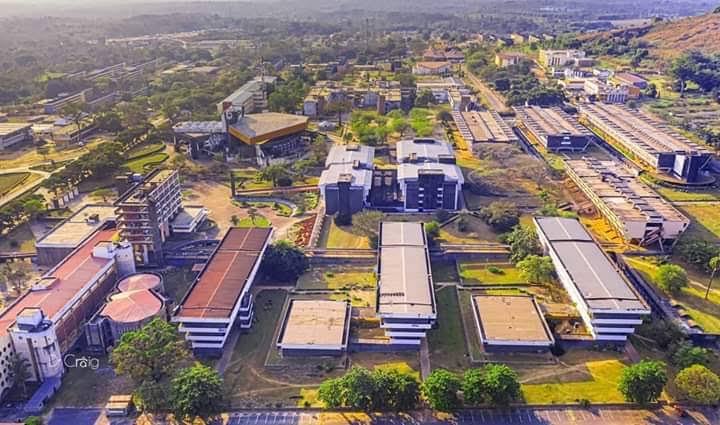
  • Obafemi Awolowo University campus provides beautiful grounds for walking and brings contemporary academic energy to the ancient city
  • Sacred groves like Ore Grove and Oduduwa Grove offer peaceful retreats where traditional religious practices continue
  • Ife Bronze Casting Centre allows visitors to watch artisans continue traditional metalworking techniques passed down through generations
  • Oranmiyan Staff, a granite monolith standing over 5 meters tall, marks a site of legendary importance in Yoruba history
  • Local markets burst with activity where you can purchase traditional textiles, adire cloth, and hand-carved wooden sculptures
  • Traditional compounds in older neighborhoods showcase classical Yoruba architecture with open courtyards and carved doorposts
  • Annual festivals like the Olojo Festival transform the entire city into a celebration of heritage with processions, drumming, and elaborate ceremonies

Best Time to Visit

Timing your visit to Ife requires balancing weather considerations with cultural events, and the dry season from November through March generally offers the most comfortable conditions. Temperatures during these months hover around 25-30°C, and you won't deal with the heavy rains that can make getting around challenging during other times of year. But here's where it gets interesting - the absolute best time depends on what you're after. If witnessing traditional culture in full display matters most, plan your trip around the Olojo Festival, typically held in October. Yes, you might encounter some rain, but the festival only happens once annually, and it's genuinely spectacular. The Ooni emerges wearing the sacred Are crown, which happens just once a year, and the atmosphere becomes electric with thousands of participants and spectators. December through February brings the Harmattan season when dusty winds blow south from the Sahara. The haze can reduce visibility and create a strange, almost mystical atmosphere over the city. Some travelers find this off-putting, while others appreciate the unique aesthetic it creates for photography. Pack moisturizer though - that dry air affects your skin quickly. March and April, just before the rains begin, can get uncomfortably hot with temperatures sometimes exceeding 35°C. I wouldn't necessarily avoid visiting then, but you'll need to adjust your schedule, doing outdoor activities early morning or late afternoon and retreating indoors during peak heat. The rainy season from April through October sees afternoon thunderstorms that can disrupt plans. However, the landscape becomes lush and beautiful, and you'll encounter fewer international tourists. Just build flexibility into your itinerary and bring appropriate rain gear. Festival timing matters beyond just Olojo. Check the traditional calendar because smaller ceremonies and celebrations happen throughout the year at various shrines and groves. These more intimate events sometimes provide deeper cultural insight than major festivals where crowds can be overwhelming.

How to Get There

Getting to Ife requires some planning since it's not a major transportation hub, but the journey itself offers glimpses of Nigerian life that more touristy routes miss. Most international travelers fly into Murtala Muhammed International Airport in Lagos, about 220 kilometers southwest of Ife. From there, you've got several options, each with different advantages. Road travel from Lagos takes approximately 3-4 hours depending on traffic, which can be unpredictable. Private hire cars or taxis offer the most comfort and flexibility, allowing you to stop at roadside markets or take detours if something catches your interest. Negotiate the fare before departing - drivers familiar with the route should quote around 25,000-35,000 Naira, though prices fluctuate with fuel costs. Bus services operate regularly from Lagos with companies like ABC Transport and Ifesinachi Motors providing relatively comfortable coaches. These cost significantly less than private cars but run on fixed schedules and don't offer the same flexibility. The main motor parks in Lagos can feel chaotic if you're unfamiliar with Nigerian travel culture, so arrive with patience and keep belongings secure. Alternatively, you can fly into Akure Airport, which sits about 80 kilometers northeast of Ife. Fewer international flights use Akure, but domestic connections from Lagos or Abuja are available. The shorter road journey from Akure makes this appealing if you're already in Nigeria for business or visiting other locations. Some adventurous travelers arrive via Ibadan, Nigeria's third-largest city located about 75 kilometers west of Ife. Ibadan offers its own historical attractions, and the route between the two cities passes through interesting countryside. Transport options between Ibadan and Ife include shared taxis and buses that depart throughout the day. Once you're in Ife itself, getting around requires either arranging a car with a driver, using motorcycle taxis (okadas), or walking between nearby attractions. The city spreads out more than you might expect, and having local transportation arranged makes visiting multiple sites much more efficient. Many hotels can arrange drivers for day trips at reasonable rates.

Tips for Visiting

Visiting Ife successfully means understanding both practical logistics and cultural expectations that might differ from what you're used to back home. First thing - cash remains king here. While some larger establishments accept cards, most museums, markets, and smaller vendors operate on cash-only basis. Bring sufficient Naira and keep smaller denominations handy for tipping and small purchases. Dress modestly, especially when visiting palaces, shrines, or religious sites. This isn't just about respecting tradition - it's about being welcomed warmly rather than tolerated. Long pants or skirts that cover knees work better than shorts, and shoulders should generally stay covered. And actually, comfortable walking shoes matter more than looking fashionable since you'll cover considerable ground on uneven surfaces. Photography restrictions apply at certain sacred sites and inside some museums. Always ask permission before photographing people, especially during ceremonies or at traditional locations. Some sites charge photography fees separately from entrance fees, which can feel annoying but helps fund preservation efforts. The bronze heads at the museum cannot be photographed, so don't try to sneak shots - guards take this seriously. Hiring a knowledgeable guide transforms the experience from simply seeing things to actually understanding them. The stories behind artifacts and locations add crucial context that you'd miss otherwise. Guides can be arranged through hotels or at major attractions, and good ones earn their fees by providing insights that no guidebook captures. Timing your visits to museums and attractions for early morning generally means smaller crowds and cooler temperatures. Many sites close for lunch between 1-2 PM, and some shut down entirely by 4 or 5 PM, so plan accordingly. Nothing's more frustrating than arriving somewhere at 4:30 to find it closed. The Yoruba people are generally welcoming to respectful visitors, and learning a few basic greetings in Yoruba goes a long way. "E kaasan" (good afternoon) or "E ku irole" (good evening) with a smile opens doors and creates connections. Elders especially appreciate when visitors make even small efforts to engage with local language and customs. Food adventurers should definitely try local specialties like pounded yam with egusi soup or amala with ewedu. Street food can be excellent but stick to vendors with obvious turnover where food stays fresh. The university area has numerous small restaurants serving student-friendly meals that give authentic tastes without fancy prices. Malaria remains a real concern in this region, so take prophylactics seriously and use mosquito repellent, especially during evening hours. Most hotels provide mosquito nets, but verify when booking. Yellow fever vaccination is mandatory for entry into Nigeria, so sort that documentation before traveling. During festivals, book accommodation well in advance since available rooms disappear quickly. Hotels fill with returning diaspora and visitors from across Nigeria. Prices may increase during peak periods, which is standard practice. Finally, approach Ife with openness to experiencing culture on its own terms rather than expecting it to conform to Western tourist infrastructure. The city offers something rare - an authentic connection to living tradition that hasn't been overly commercialized or sanitized for international visitors. That authenticity sometimes means things run differently than you're used to, but that's precisely what makes visiting worthwhile.

Key Features

  • Ife National Museum and famous terracotta/bronze heads
  • Traditional Yoruba palaces and royal history (including the Ooni’s compounds)
  • Living artisan communities (woodcarving, bronze casting, beadwork)
  • Sacred groves and religious/ceremonial sites tied to Yoruba cosmology
  • Vibrant local markets and authentic Osun-State cuisine

More Details

Updated March 30, 2026

Description

Ife stands as one of Nigeria’s most historically significant destinations, drawing travelers who seek more than just typical tourist attractions. This ancient Yoruba city in southwestern Nigeria has been continuously inhabited for over a thousand years, and honestly, you can feel that weight of history the moment you arrive. The city serves as the spiritual heartland of the Yoruba people, believed to be the place where the world began according to traditional mythology.

Walking through Ife feels like stepping into a living museum where past and present exist simultaneously. You’ll find ancient bronze and terracotta sculptures that rival anything in European museums, sacred groves that have witnessed centuries of ritual, and traditional compounds where age-old customs continue unchanged. But it’s not stuck in the past either – modern university life brings youthful energy to the streets, creating an interesting dynamic that you don’t see everywhere.

The city gained international recognition when archaeologists uncovered stunning bronze and terracotta heads dating back to the 12th-14th centuries. These masterpieces challenged Western assumptions about African art and civilization, proving what locals had always known – that sophisticated artistic traditions flourished here long before European contact. And the thing is, new discoveries keep happening, which makes every visit potentially unique.

I remember talking to a guide who explained that Ife isn’t just a tourist destination for Yoruba people worldwide – it’s a pilgrimage site. The Ooni’s palace, where the traditional ruler resides, remains the spiritual center of Yoruba identity even for those who’ve never set foot in Nigeria. That spiritual dimension adds depth to your visit that you simply won’t find in more conventional travel destinations.

Key Features

The attractions scattered throughout Ife offer diverse experiences that appeal to history enthusiasts, spiritual seekers, and curious travelers alike:

  • The Natural History Museum houses the famous bronze and terracotta heads, including the iconic Ori Olokun (Head of Olokun) which represents the pinnacle of classical African art
  • Ife Museum of Antiquities displays an extensive collection of artifacts that tell the story of early Nigerian civilization through pottery, tools, and ceremonial objects
  • Ooni’s Palace serves as both a functioning royal residence and a cultural landmark where traditional ceremonies still take place regularly
  • Obafemi Awolowo University campus provides beautiful grounds for walking and brings contemporary academic energy to the ancient city
  • Sacred groves like Ore Grove and Oduduwa Grove offer peaceful retreats where traditional religious practices continue
  • Ife Bronze Casting Centre allows visitors to watch artisans continue traditional metalworking techniques passed down through generations
  • Oranmiyan Staff, a granite monolith standing over 5 meters tall, marks a site of legendary importance in Yoruba history
  • Local markets burst with activity where you can purchase traditional textiles, adire cloth, and hand-carved wooden sculptures
  • Traditional compounds in older neighborhoods showcase classical Yoruba architecture with open courtyards and carved doorposts
  • Annual festivals like the Olojo Festival transform the entire city into a celebration of heritage with processions, drumming, and elaborate ceremonies

Best Time to Visit

Timing your visit to Ife requires balancing weather considerations with cultural events, and the dry season from November through March generally offers the most comfortable conditions. Temperatures during these months hover around 25-30°C, and you won’t deal with the heavy rains that can make getting around challenging during other times of year.

But here’s where it gets interesting – the absolute best time depends on what you’re after. If witnessing traditional culture in full display matters most, plan your trip around the Olojo Festival, typically held in October. Yes, you might encounter some rain, but the festival only happens once annually, and it’s genuinely spectacular. The Ooni emerges wearing the sacred Are crown, which happens just once a year, and the atmosphere becomes electric with thousands of participants and spectators.

December through February brings the Harmattan season when dusty winds blow south from the Sahara. The haze can reduce visibility and create a strange, almost mystical atmosphere over the city. Some travelers find this off-putting, while others appreciate the unique aesthetic it creates for photography. Pack moisturizer though – that dry air affects your skin quickly.

March and April, just before the rains begin, can get uncomfortably hot with temperatures sometimes exceeding 35°C. I wouldn’t necessarily avoid visiting then, but you’ll need to adjust your schedule, doing outdoor activities early morning or late afternoon and retreating indoors during peak heat.

The rainy season from April through October sees afternoon thunderstorms that can disrupt plans. However, the landscape becomes lush and beautiful, and you’ll encounter fewer international tourists. Just build flexibility into your itinerary and bring appropriate rain gear.

Festival timing matters beyond just Olojo. Check the traditional calendar because smaller ceremonies and celebrations happen throughout the year at various shrines and groves. These more intimate events sometimes provide deeper cultural insight than major festivals where crowds can be overwhelming.

How to Get There

Getting to Ife requires some planning since it’s not a major transportation hub, but the journey itself offers glimpses of Nigerian life that more touristy routes miss. Most international travelers fly into Murtala Muhammed International Airport in Lagos, about 220 kilometers southwest of Ife. From there, you’ve got several options, each with different advantages.

Road travel from Lagos takes approximately 3-4 hours depending on traffic, which can be unpredictable. Private hire cars or taxis offer the most comfort and flexibility, allowing you to stop at roadside markets or take detours if something catches your interest. Negotiate the fare before departing – drivers familiar with the route should quote around 25,000-35,000 Naira, though prices fluctuate with fuel costs.

Bus services operate regularly from Lagos with companies like ABC Transport and Ifesinachi Motors providing relatively comfortable coaches. These cost significantly less than private cars but run on fixed schedules and don’t offer the same flexibility. The main motor parks in Lagos can feel chaotic if you’re unfamiliar with Nigerian travel culture, so arrive with patience and keep belongings secure.

Alternatively, you can fly into Akure Airport, which sits about 80 kilometers northeast of Ife. Fewer international flights use Akure, but domestic connections from Lagos or Abuja are available. The shorter road journey from Akure makes this appealing if you’re already in Nigeria for business or visiting other locations.

Some adventurous travelers arrive via Ibadan, Nigeria’s third-largest city located about 75 kilometers west of Ife. Ibadan offers its own historical attractions, and the route between the two cities passes through interesting countryside. Transport options between Ibadan and Ife include shared taxis and buses that depart throughout the day.

Once you’re in Ife itself, getting around requires either arranging a car with a driver, using motorcycle taxis (okadas), or walking between nearby attractions. The city spreads out more than you might expect, and having local transportation arranged makes visiting multiple sites much more efficient. Many hotels can arrange drivers for day trips at reasonable rates.

Tips for Visiting

Visiting Ife successfully means understanding both practical logistics and cultural expectations that might differ from what you’re used to back home. First thing – cash remains king here. While some larger establishments accept cards, most museums, markets, and smaller vendors operate on cash-only basis. Bring sufficient Naira and keep smaller denominations handy for tipping and small purchases.

Dress modestly, especially when visiting palaces, shrines, or religious sites. This isn’t just about respecting tradition – it’s about being welcomed warmly rather than tolerated. Long pants or skirts that cover knees work better than shorts, and shoulders should generally stay covered. And actually, comfortable walking shoes matter more than looking fashionable since you’ll cover considerable ground on uneven surfaces.

Photography restrictions apply at certain sacred sites and inside some museums. Always ask permission before photographing people, especially during ceremonies or at traditional locations. Some sites charge photography fees separately from entrance fees, which can feel annoying but helps fund preservation efforts. The bronze heads at the museum cannot be photographed, so don’t try to sneak shots – guards take this seriously.

Hiring a knowledgeable guide transforms the experience from simply seeing things to actually understanding them. The stories behind artifacts and locations add crucial context that you’d miss otherwise. Guides can be arranged through hotels or at major attractions, and good ones earn their fees by providing insights that no guidebook captures.

Timing your visits to museums and attractions for early morning generally means smaller crowds and cooler temperatures. Many sites close for lunch between 1-2 PM, and some shut down entirely by 4 or 5 PM, so plan accordingly. Nothing’s more frustrating than arriving somewhere at 4:30 to find it closed.

The Yoruba people are generally welcoming to respectful visitors, and learning a few basic greetings in Yoruba goes a long way. “E kaasan” (good afternoon) or “E ku irole” (good evening) with a smile opens doors and creates connections. Elders especially appreciate when visitors make even small efforts to engage with local language and customs.

Food adventurers should definitely try local specialties like pounded yam with egusi soup or amala with ewedu. Street food can be excellent but stick to vendors with obvious turnover where food stays fresh. The university area has numerous small restaurants serving student-friendly meals that give authentic tastes without fancy prices.

Malaria remains a real concern in this region, so take prophylactics seriously and use mosquito repellent, especially during evening hours. Most hotels provide mosquito nets, but verify when booking. Yellow fever vaccination is mandatory for entry into Nigeria, so sort that documentation before traveling.

During festivals, book accommodation well in advance since available rooms disappear quickly. Hotels fill with returning diaspora and visitors from across Nigeria. Prices may increase during peak periods, which is standard practice.

Finally, approach Ife with openness to experiencing culture on its own terms rather than expecting it to conform to Western tourist infrastructure. The city offers something rare – an authentic connection to living tradition that hasn’t been overly commercialized or sanitized for international visitors. That authenticity sometimes means things run differently than you’re used to, but that’s precisely what makes visiting worthwhile.

Key Highlights

  • Ife National Museum and famous terracotta/bronze heads
  • Traditional Yoruba palaces and royal history (including the Ooni’s compounds)
  • Living artisan communities (woodcarving, bronze casting, beadwork)
  • Sacred groves and religious/ceremonial sites tied to Yoruba cosmology
  • Vibrant local markets and authentic Osun-State cuisine

Location

Places to Stay Near Ife

Find and Book a Tour

Explore More Travel Guides

No reviews found! Be the first to review!

Ife is a prominent Attractions located in Ife.

Traveler Reviews for Ife

There are no reviews yet. Be the first one to write one.

Share Your Experience

Have you visited Ife? Help other travelers by sharing your review.

Nearby Attractions

Ife National Museum Ooni’s Palace and surrounding royal compounds Local craft markets and artisan quarters

Find Accommodations Nearby

Recommended Tours & Activities

Visitor Reviews

There are no reviews yet. Be the first one to write one.

Share Your Experience

Have you visited Ife? Help other travelers by leaving a review.