
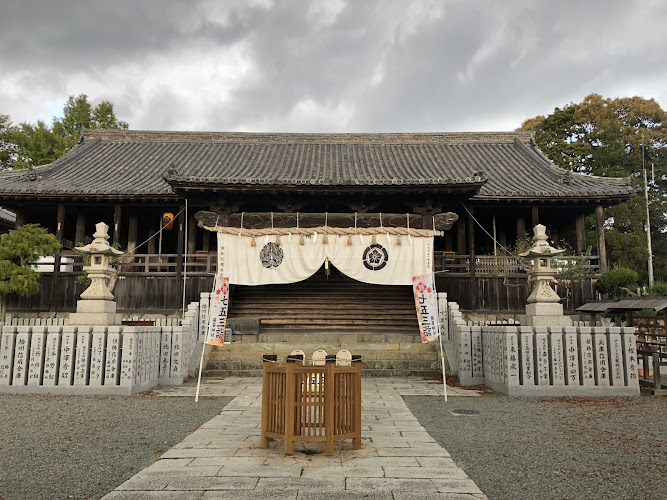
Hiromine Shrine
About Hiromine Shrine
Description
Hiromine Shrine stands as one of those places that doesn't scream for attention but quietly rewards those who make the journey. Located in the mountainous regions of Hyogo Prefecture, this Shinto shrine has been drawing visitors for centuries, though it hasn't quite reached the tourist saturation levels of more famous Japanese religious sites. And honestly? That's part of its charm. The shrine has deep connections to Kuroda Yoshitaka, a prominent military strategist from the Sengoku period, which adds layers of historical significance beyond the typical spiritual experience. When I first learned about this connection, it struck me how many of Japan's sacred spaces double as repositories of military and political history—something that always fascinates travelers interested in the samurai era. What makes Hiromine Shrine particularly interesting is its position both as an active place of worship and a legitimate tourist attraction. You'll see local practitioners going about their devotional activities alongside visitors with cameras, creating this interesting dynamic where ancient tradition and modern tourism coexist. The shrine complex itself spreads across the mountainside, offering views that change dramatically with the seasons and weather conditions. The facilities are fairly basic—there are restrooms available, which is always a relief when you're exploring mountain shrines—but don't expect extensive modern accommodations. This isn't a place that's been overly developed for mass tourism, and depending on your travel style, that could be either a drawback or a major selling point.Key Features
- Historical Significance: The shrine's association with Kuroda Yoshitaka gives it unique importance in Japanese military history. This strategist served under Toyotomi Hideyoshi and played crucial roles in the unification of Japan during the late 16th century.
- Mountain Setting: Perched on Mount Hiromine, the shrine offers elevated perspectives of the surrounding landscape that you simply can't get from ground-level temples. The climb itself becomes part of the spiritual experience.
- Architectural Elements: Traditional shrine architecture dominates the complex, with vermillion torii gates marking sacred boundaries and wooden structures that have weathered decades of seasonal changes. The craftsmanship reflects periods of reconstruction and preservation efforts spanning generations.
- Seasonal Transformations: The shrine grounds undergo dramatic visual changes throughout the year. Cherry blossoms in spring, deep green canopies in summer, spectacular autumn foliage, and occasionally snow-dusted buildings in winter create entirely different atmospheres depending on when you visit.
- Spiritual Atmosphere: Despite receiving tourist visitors, Hiromine Shrine maintains an authentic spiritual quality. You'll often encounter locals performing traditional prayer rituals, purchasing omamori (protective charms), and participating in seasonal festivals.
- Photography Opportunities: The combination of traditional architecture, natural surroundings, and elevated viewpoints creates countless photo compositions. Early morning and late afternoon light particularly enhances the red shrine structures against green or autumn-colored backgrounds.
- Stone Steps and Pathways: The approach to the shrine involves navigating stone staircases and mountain paths that add a sense of pilgrimage to the visit. These aren't just functional—they're designed to prepare visitors mentally for entering sacred space.
- Cultural Immersion: Because the shrine sees fewer international tourists than major destinations like Fushimi Inari or Meiji Jingu, visitors often experience more authentic interactions with local religious practices and community life.
Best Time to Visit
Timing your visit to Hiromine Shrine can dramatically affect your experience, and I've learned through various trips to Japanese mountain shrines that weather and seasons matter more than you might initially think. Autumn, particularly from mid-October through November, stands out as the prime season. The surrounding mountains explode with red and gold foliage that photographers dream about. The temperatures hover in that comfortable range where you can hike without overheating but still need a light jacket for when you stop moving. I've found that late October specifically tends to hit that sweet spot before the crowds arrive for peak koyo (autumn leaf viewing) season. Spring brings its own magic, especially during cherry blossom season from late March through early April. But here's the thing—timing sakura is notoriously tricky, and mountain locations can bloom either earlier or later than lowland areas depending on that particular year's weather patterns. If you're planning specifically for cherry blossoms, checking bloom forecasts about two weeks before your trip gives you the most accurate information. Summer months from June through August can be hot and humid, which makes the mountain location somewhat more bearable than urban shrines. The lush greenery creates a completely different aesthetic, though you'll want to prepare for possible afternoon thunderstorms that roll through mountainous regions. Early morning visits during summer offer the best combination of comfortable temperatures and atmospheric lighting. Winter transforms Hiromine Shrine into a quieter, more contemplative destination. Snow occasionally dusts the shrine buildings, creating postcard-worthy scenes, though the mountain paths can become challenging. Fewer visitors mean you might have certain areas almost to yourself—a rare experience at Japanese religious sites. Just dress in serious layers and check weather conditions before making the trek. Weekdays consistently provide calmer experiences than weekends, especially during popular seasons. If your schedule allows flexibility, visiting Tuesday through Thursday typically means encountering fewer crowds and having more space for photography and personal reflection.How to Get There
Getting to Hiromine Shrine requires some planning since it's not located along major tourist routes, but that's partly why the experience feels more authentic and less commercialized. From major cities like Osaka or Kobe, your journey begins with trains heading toward the Harima region of Hyogo Prefecture. The rail system in this area is well-developed, though you'll likely need to make at least one transfer depending on your starting point. Most travelers find that researching routes through Hyperdia or Google Maps provides accurate transfer information and timing. Once you reach the nearest station, bus services operate on schedules that might seem infrequent compared to urban transportation—we're talking buses every 30-60 minutes rather than every few minutes. This means timing becomes crucial. Missing a bus could mean waiting around for a substantial period, so building buffer time into your schedule prevents frustration. Some visitors opt for taxis from the nearest station, which offers more flexibility but comes with higher costs. If you're traveling with a small group, splitting taxi fare sometimes makes sense, especially if you're on a tight schedule or visiting during off-peak bus hours. For those renting cars, driving provides the most flexibility for exploring the broader region. Parking exists near the shrine, though spaces are limited. During popular seasons like autumn foliage peak, arriving early becomes essential to secure parking. The mountain roads are generally well-maintained but require attention, especially if you're not accustomed to narrow, winding routes. The final approach involves walking and climbing stairs regardless of how you arrive. Wear appropriate footwear—fashion sneakers won't cut it. You want shoes with good grip and ankle support, especially if conditions are wet or if you're visiting during seasons when fallen leaves make surfaces slippery.Tips for Visiting
Physical preparation matters more than many first-time visitors realize. The shrine's mountain location means you'll be climbing stairs and navigating uneven terrain. If you're not regularly active, the ascent can leave you winded. Take breaks as needed—there's no prize for rushing through a spiritual site anyway. Accessibility remains a significant limitation here. The shrine lacks wheelchair-accessible entrances or parking, which unfortunately excludes some travelers. The terrain is simply too steep and the facilities too traditional to accommodate mobility devices effectively. This is worth knowing before making the journey if anyone in your group has mobility concerns. Photography etiquette deserves attention. While taking photos is generally acceptable in most areas, certain sacred spaces or active ceremonies should be approached with respect. If you see signs prohibiting photography or notice worshippers engaged in private prayer, put the camera away. And please, no flash photography inside shrine buildings—it's disruptive and often prohibited. Dress appropriately but don't overthink it. You don't need formal attire, but extremely revealing clothing feels out of place at religious sites. Comfortable clothes suitable for light hiking work perfectly. Layers are your friend since temperatures can shift between sunny and shaded areas or change as you ascend or descend. Bring cash. While Japan increasingly accepts electronic payments, smaller shrines and surrounding shops often operate cash-only. Having coins for offering boxes and small bills for purchases ensures you won't miss out on buying charms, fortunes, or local refreshments. Respect ongoing religious practices. Remember that Hiromine Shrine functions as an active place of worship, not just a tourist attraction. If you witness ceremonies or rituals, observe quietly from appropriate distances. Learning basic shrine etiquette—how to approach the main hall, proper hand-washing procedures at temizuya, how to ring bells and offer coins—enhances your experience and shows cultural respect. The restroom situation is basic but functional. Don't expect luxury facilities or always finding western-style toilets. Bringing hand sanitizer and tissues provides backup since supplies sometimes run low, especially during busy periods. Weather preparation can make or break your visit. Mountain weather changes quickly. Even if forecasts look clear, bringing a light rain jacket or umbrella proves wise. During summer, sunscreen and insect repellent become essential. In winter, serious cold-weather gear isn't optional. Allow more time than you think you'll need. Rushing through Hiromine Shrine misses the point entirely. The journey, the climb, the moments of quiet observation—these components matter as much as checking the shrine off your itinerary. Budget at least two to three hours for a meaningful visit, longer if you're a photography enthusiast or particularly interested in the historical connections.Key Features
- Nationally designated important cultural property: main hall and worship hall
- Mountain-top setting with wooded approach and views over Himeji
- Association with the Gion cult and traditional harvest rituals
- Well-preserved Shinto architecture and red-lacquered buildings
- Quiet, less-crowded atmosphere compared with city shrines
More Details
Updated March 30, 2026
Table of Contents
Description
Hiromine Shrine stands as one of those places that doesn’t scream for attention but quietly rewards those who make the journey. Located in the mountainous regions of Hyogo Prefecture, this Shinto shrine has been drawing visitors for centuries, though it hasn’t quite reached the tourist saturation levels of more famous Japanese religious sites. And honestly? That’s part of its charm.
The shrine has deep connections to Kuroda Yoshitaka, a prominent military strategist from the Sengoku period, which adds layers of historical significance beyond the typical spiritual experience. When I first learned about this connection, it struck me how many of Japan’s sacred spaces double as repositories of military and political history—something that always fascinates travelers interested in the samurai era.
What makes Hiromine Shrine particularly interesting is its position both as an active place of worship and a legitimate tourist attraction. You’ll see local practitioners going about their devotional activities alongside visitors with cameras, creating this interesting dynamic where ancient tradition and modern tourism coexist. The shrine complex itself spreads across the mountainside, offering views that change dramatically with the seasons and weather conditions.
The facilities are fairly basic—there are restrooms available, which is always a relief when you’re exploring mountain shrines—but don’t expect extensive modern accommodations. This isn’t a place that’s been overly developed for mass tourism, and depending on your travel style, that could be either a drawback or a major selling point.
Key Features
- Historical Significance: The shrine’s association with Kuroda Yoshitaka gives it unique importance in Japanese military history. This strategist served under Toyotomi Hideyoshi and played crucial roles in the unification of Japan during the late 16th century.
- Mountain Setting: Perched on Mount Hiromine, the shrine offers elevated perspectives of the surrounding landscape that you simply can’t get from ground-level temples. The climb itself becomes part of the spiritual experience.
- Architectural Elements: Traditional shrine architecture dominates the complex, with vermillion torii gates marking sacred boundaries and wooden structures that have weathered decades of seasonal changes. The craftsmanship reflects periods of reconstruction and preservation efforts spanning generations.
- Seasonal Transformations: The shrine grounds undergo dramatic visual changes throughout the year. Cherry blossoms in spring, deep green canopies in summer, spectacular autumn foliage, and occasionally snow-dusted buildings in winter create entirely different atmospheres depending on when you visit.
- Spiritual Atmosphere: Despite receiving tourist visitors, Hiromine Shrine maintains an authentic spiritual quality. You’ll often encounter locals performing traditional prayer rituals, purchasing omamori (protective charms), and participating in seasonal festivals.
- Photography Opportunities: The combination of traditional architecture, natural surroundings, and elevated viewpoints creates countless photo compositions. Early morning and late afternoon light particularly enhances the red shrine structures against green or autumn-colored backgrounds.
- Stone Steps and Pathways: The approach to the shrine involves navigating stone staircases and mountain paths that add a sense of pilgrimage to the visit. These aren’t just functional—they’re designed to prepare visitors mentally for entering sacred space.
- Cultural Immersion: Because the shrine sees fewer international tourists than major destinations like Fushimi Inari or Meiji Jingu, visitors often experience more authentic interactions with local religious practices and community life.
Best Time to Visit
Timing your visit to Hiromine Shrine can dramatically affect your experience, and I’ve learned through various trips to Japanese mountain shrines that weather and seasons matter more than you might initially think.
Autumn, particularly from mid-October through November, stands out as the prime season. The surrounding mountains explode with red and gold foliage that photographers dream about. The temperatures hover in that comfortable range where you can hike without overheating but still need a light jacket for when you stop moving. I’ve found that late October specifically tends to hit that sweet spot before the crowds arrive for peak koyo (autumn leaf viewing) season.
Spring brings its own magic, especially during cherry blossom season from late March through early April. But here’s the thing—timing sakura is notoriously tricky, and mountain locations can bloom either earlier or later than lowland areas depending on that particular year’s weather patterns. If you’re planning specifically for cherry blossoms, checking bloom forecasts about two weeks before your trip gives you the most accurate information.
Summer months from June through August can be hot and humid, which makes the mountain location somewhat more bearable than urban shrines. The lush greenery creates a completely different aesthetic, though you’ll want to prepare for possible afternoon thunderstorms that roll through mountainous regions. Early morning visits during summer offer the best combination of comfortable temperatures and atmospheric lighting.
Winter transforms Hiromine Shrine into a quieter, more contemplative destination. Snow occasionally dusts the shrine buildings, creating postcard-worthy scenes, though the mountain paths can become challenging. Fewer visitors mean you might have certain areas almost to yourself—a rare experience at Japanese religious sites. Just dress in serious layers and check weather conditions before making the trek.
Weekdays consistently provide calmer experiences than weekends, especially during popular seasons. If your schedule allows flexibility, visiting Tuesday through Thursday typically means encountering fewer crowds and having more space for photography and personal reflection.
How to Get There
Getting to Hiromine Shrine requires some planning since it’s not located along major tourist routes, but that’s partly why the experience feels more authentic and less commercialized.
From major cities like Osaka or Kobe, your journey begins with trains heading toward the Harima region of Hyogo Prefecture. The rail system in this area is well-developed, though you’ll likely need to make at least one transfer depending on your starting point. Most travelers find that researching routes through Hyperdia or Google Maps provides accurate transfer information and timing.
Once you reach the nearest station, bus services operate on schedules that might seem infrequent compared to urban transportation—we’re talking buses every 30-60 minutes rather than every few minutes. This means timing becomes crucial. Missing a bus could mean waiting around for a substantial period, so building buffer time into your schedule prevents frustration.
Some visitors opt for taxis from the nearest station, which offers more flexibility but comes with higher costs. If you’re traveling with a small group, splitting taxi fare sometimes makes sense, especially if you’re on a tight schedule or visiting during off-peak bus hours.
For those renting cars, driving provides the most flexibility for exploring the broader region. Parking exists near the shrine, though spaces are limited. During popular seasons like autumn foliage peak, arriving early becomes essential to secure parking. The mountain roads are generally well-maintained but require attention, especially if you’re not accustomed to narrow, winding routes.
The final approach involves walking and climbing stairs regardless of how you arrive. Wear appropriate footwear—fashion sneakers won’t cut it. You want shoes with good grip and ankle support, especially if conditions are wet or if you’re visiting during seasons when fallen leaves make surfaces slippery.
Tips for Visiting
Physical preparation matters more than many first-time visitors realize. The shrine’s mountain location means you’ll be climbing stairs and navigating uneven terrain. If you’re not regularly active, the ascent can leave you winded. Take breaks as needed—there’s no prize for rushing through a spiritual site anyway.
Accessibility remains a significant limitation here. The shrine lacks wheelchair-accessible entrances or parking, which unfortunately excludes some travelers. The terrain is simply too steep and the facilities too traditional to accommodate mobility devices effectively. This is worth knowing before making the journey if anyone in your group has mobility concerns.
Photography etiquette deserves attention. While taking photos is generally acceptable in most areas, certain sacred spaces or active ceremonies should be approached with respect. If you see signs prohibiting photography or notice worshippers engaged in private prayer, put the camera away. And please, no flash photography inside shrine buildings—it’s disruptive and often prohibited.
Dress appropriately but don’t overthink it. You don’t need formal attire, but extremely revealing clothing feels out of place at religious sites. Comfortable clothes suitable for light hiking work perfectly. Layers are your friend since temperatures can shift between sunny and shaded areas or change as you ascend or descend.
Bring cash. While Japan increasingly accepts electronic payments, smaller shrines and surrounding shops often operate cash-only. Having coins for offering boxes and small bills for purchases ensures you won’t miss out on buying charms, fortunes, or local refreshments.
Respect ongoing religious practices. Remember that Hiromine Shrine functions as an active place of worship, not just a tourist attraction. If you witness ceremonies or rituals, observe quietly from appropriate distances. Learning basic shrine etiquette—how to approach the main hall, proper hand-washing procedures at temizuya, how to ring bells and offer coins—enhances your experience and shows cultural respect.
The restroom situation is basic but functional. Don’t expect luxury facilities or always finding western-style toilets. Bringing hand sanitizer and tissues provides backup since supplies sometimes run low, especially during busy periods.
Weather preparation can make or break your visit. Mountain weather changes quickly. Even if forecasts look clear, bringing a light rain jacket or umbrella proves wise. During summer, sunscreen and insect repellent become essential. In winter, serious cold-weather gear isn’t optional.
Allow more time than you think you’ll need. Rushing through Hiromine Shrine misses the point entirely. The journey, the climb, the moments of quiet observation—these components matter as much as checking the shrine off your itinerary. Budget at least two to three hours for a meaningful visit, longer if you’re a photography enthusiast or particularly interested in the historical connections.
Key Highlights
- Nationally designated important cultural property: main hall and worship hall
- Mountain-top setting with wooded approach and views over Himeji
- Association with the Gion cult and traditional harvest rituals
- Well-preserved Shinto architecture and red-lacquered buildings
- Quiet, less-crowded atmosphere compared with city shrines
Location
Places to Stay Near Hiromine Shrine
Find and Book a Tour
Explore More Travel Guides
No reviews found! Be the first to review!
Hiromine Shrine is a prominent attractions located in Himeji.
Visit us at: 52 Hiromineyama, Himeji, Hyogo 670-0891, Japan.
Traveler Reviews for Hiromine Shrine
There are no reviews yet. Be the first one to write one.
Have you visited Hiromine Shrine? Help other travelers by sharing your review.
Nearby Attractions
You Might Also Like
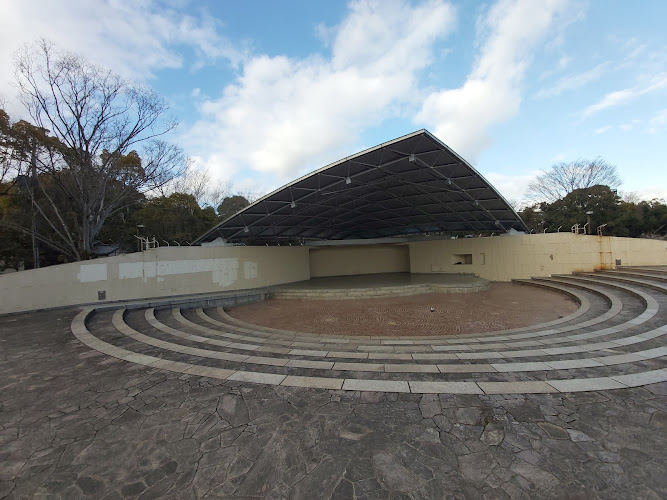
Shirotopia Memorial Park
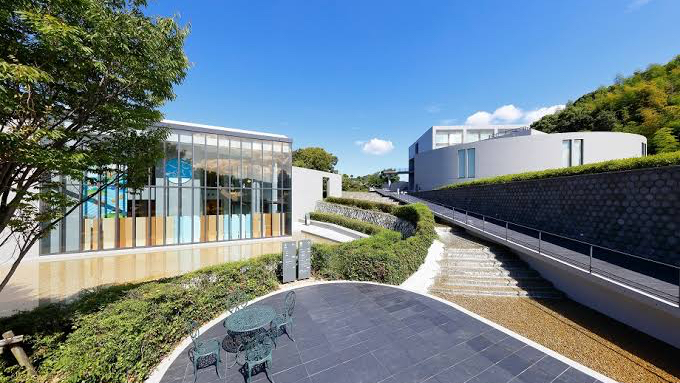
Himeji City Museum of Literature
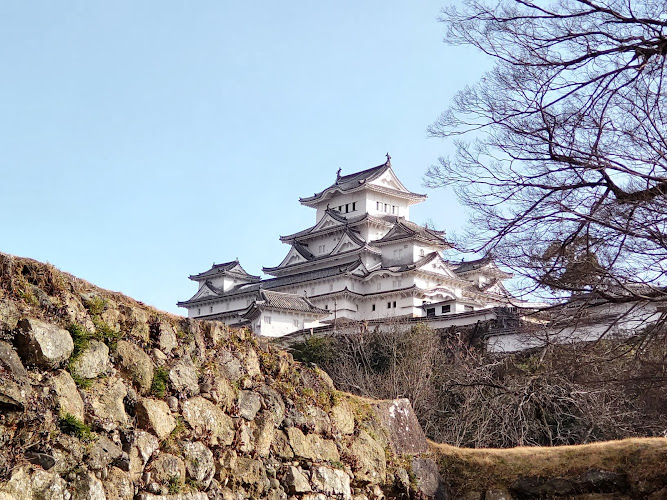
Sagi-no-shimizu Well
Find Accommodations Nearby
Recommended Tours & Activities
Visitor Reviews
There are no reviews yet. Be the first one to write one.
Share Your Experience
Have you visited Hiromine Shrine? Help other travelers by leaving a review.