
Japan Toy Museum
About Japan Toy Museum
Description
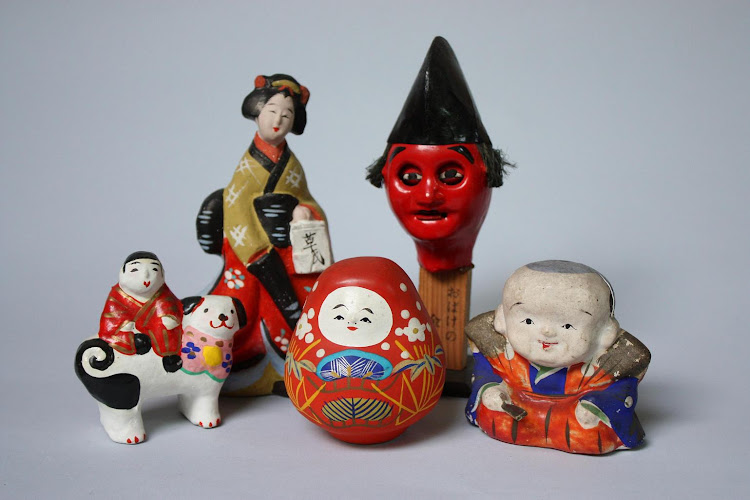
The Japan Toy Museum offers travelers a surprisingly thoughtful journey through the world of traditional and contemporary playthings that have shaped childhoods across generations. This facility showcases an impressive collection that goes beyond simple nostalgia—it's really about understanding how toys reflect cultural values and artistic traditions throughout Japanese history and beyond. When you step inside, you'll find yourself in a space that manages to be both educational and genuinely fun. The museum houses thousands of toys from Japan and various countries around the world, giving visitors a unique perspective on how different cultures approach play and childhood. I've always thought that toys tell us more about ourselves than we realize, and this museum proves that point beautifully. What makes this place stand out from other museums is its commitment to hands-on experiences. Unlike those stuffy institutions where everything sits behind glass and you're constantly worried about setting off alarms, here you can actually interact with many exhibits. There's a real playground area where kids can engage with traditional toys, which honestly makes the whole experience more memorable than just looking at displays. The building itself spreads across multiple structures, each offering different thematic collections. You'll find traditional Japanese wooden toys, intricate dolls, mechanical wonders from the early 20th century, and even contemporary pieces that show how toy design has evolved. And the Christmas season brings special exhibitions that transform the space into something magical—though the museum maintains its appeal year-round.Key Features
The Japan Toy Museum distinguishes itself through several remarkable characteristics that make it worth adding to your travel itinerary:- A collection exceeding 90,000 toys from approximately 160 countries, representing one of Japan's most comprehensive toy archives
- Six separate exhibition buildings spread across the grounds, each focusing on different aspects of toy history and culture
- Interactive play areas where children (and adults, let's be honest) can try traditional Japanese toys like kendama, spinning tops, and wooden puzzles
- Seasonal exhibitions that change throughout the year, ensuring return visitors always discover something new
- Traditional architecture that creates an authentic atmosphere, with some buildings dating back over a century
- Workshop spaces where craftspeople demonstrate traditional toy-making techniques, offering insight into the artistry behind these objects
- A dedicated section showcasing folk toys from various Japanese prefectures, highlighting regional differences in design and materials
- International toy collections that provide fascinating cross-cultural comparisons
- Wheelchair accessible facilities including parking and restrooms, making it accommodating for visitors with mobility needs
- Gender-neutral restroom facilities and family-friendly amenities throughout
- Wi-Fi availability for those who need to stay connected or look up information about exhibits
- An outdoor playground area where children can burn off energy between exhibition halls
Best Time to Visit
Timing your visit to the Japan Toy Museum can significantly impact your experience, and I'd say this requires more consideration than you might initially think. The Christmas season transforms the museum into something particularly special. Special exhibitions appear, decorations fill the halls, and the atmosphere takes on a festive quality that appeals to visitors of all ages. But here's the thing—this popularity means crowds. If you don't mind sharing the space with families and tour groups, late November through December offers a magical experience. Spring months, particularly April and May, provide another excellent window. The weather in this region becomes pleasant, making the walk between the separate exhibition buildings comfortable. Plus, Japanese school groups typically visit during specific periods, so if you time it right (weekdays work best), you might find yourself with more breathing room to explore at your own pace. Summer brings its own considerations. July and August see increased tourist traffic as families vacation together. The heat can be intense, though the traditional buildings offer some respite with their thick walls and shaded interiors. Just be prepared for the humidity that characterizes Japanese summers. Autumn, especially October and early November, might actually be the sweet spot. The weather cools down, the summer crowds thin out, and the surrounding landscape takes on those gorgeous fall colors that make photographs look professionally shot even when you're just using your phone. The museum's traditional architecture looks particularly photogenic against autumn foliage. Weekday mornings generally offer the quietest experience regardless of season. Arriving right when doors open gives you that peaceful window before buses arrive. And honestly, there's something special about being among the first people to walk through the halls, when the toys seem to hold a certain stillness before the energy of children fills the space.How to Get There
Getting to the Japan Toy Museum requires some planning since it's not located in a major metropolitan area—but that's part of its charm, really. The museum sits in Hyogo Prefecture, and your journey will likely begin from either Osaka or Kobe if you're following typical tourist routes. From these cities, you'll need to take trains toward Himeji, which serves as the nearest major railway hub. The JR Harima-Tokuyama Station is your target, and from there, the museum is roughly a 15-minute taxi ride away. Now, here's where it gets a bit tricky. Public buses do run to the area, but schedules can be infrequent and routes might confuse first-time visitors who don't read Japanese. I'd recommend downloading a navigation app before you go, and make sure it works offline just in case you lose signal in more rural areas. Renting a car offers the most flexibility, especially if you're traveling with family or planning to explore the surrounding Hyogo countryside. The drive from Osaka takes about 90 minutes, and parking at the museum is free and wheelchair accessible. The roads are well-maintained, and GPS systems generally handle Japanese addresses without issues if you input the phone number or map code. Taxis from Himeji Station cost more—expect around 4,000 to 5,000 yen—but they eliminate navigation stress. If you're splitting costs among several people, it becomes more reasonable. Just have the museum's information written in Japanese to show your driver, since not all taxi drivers speak English. Some travel agencies in major cities offer day trips that include the museum along with other Hyogo attractions. These remove all transportation headaches, though you'll sacrifice flexibility in how long you spend at each location.Tips for Visiting
A successful visit to the Japan Toy Museum involves more than just showing up. Let me share some insights that'll help you make the most of your time there. Budget at least three hours for your visit—seriously. I know that sounds like a lot for a toy museum, but the collection is extensive and spread across multiple buildings. Rushing through means missing the details that make this place special. Those tiny painted faces on traditional kokeshi dolls or the intricate mechanisms inside 19th-century tin toys deserve more than a quick glance. Bring cash for the admission fee. While Japan is gradually becoming more card-friendly, smaller institutions like this often prefer cash payments. There's no restaurant onsite, so plan accordingly. The surrounding area doesn't have many dining options within walking distance, so eating before you arrive or packing snacks makes sense, especially with children. The wheelchair accessible entrance situation needs addressing honestly—while parking and restrooms accommodate wheelchairs, the main entrance presents challenges. Contact the museum ahead of time if accessibility is a concern, as staff can often arrange alternative entry points or provide assistance. Photography policies vary by exhibition area, so look for signs or ask staff before snapping pictures. Some rare or fragile items can't be photographed, while most general displays allow personal photography without flash. Dress comfortably and wear shoes you can easily slip on and off. Some buildings require removing shoes before entering, following traditional Japanese customs. Indoor slippers are typically provided, but they're one-size-fits-all, which doesn't actually fit all. If you're visiting with children, set expectations beforehand. While there are interactive areas and a playground, much of the museum requires quieter behavior and gentle handling of items. Balancing education with entertainment keeps everyone happier. The gift shop deserves its own visit. It stocks traditional toys, craft items, and unique souvenirs you won't find at typical tourist spots. Prices are reasonable, and many items are actually functional toys rather than dust-collecting tchotchkes. Language can be a barrier since not all exhibit descriptions have English translations. Consider downloading a translation app, or embrace the visual storytelling—toys communicate across language barriers better than most museum pieces. Visit the workshop demonstrations if they're scheduled during your visit. Watching craftspeople create traditional toys by hand provides context that static displays can't match. You might even get to try making something yourself, which creates a tangible memory to take home. Check the museum's seasonal schedule before planning your trip. Special exhibitions, workshops, and events aren't always listed on general tourism websites. Sometimes the best experiences happen during these special programs that showcase particular toy-making traditions or cultural celebrations.Key Features
- Collection of approx. 90,000 toys spanning Japan and 160+ countries
- Displays housed in six traditional white-walled kura (storehouses)
- Hands-on workshops and seasonal special exhibitions
- Extensive collection of traditional Japanese toys and chirimen silk crafts
- Recognized in the Michelin Green Guide (two stars) for cultural interest
More Details
Updated March 30, 2026
Table of Contents
Description
The Japan Toy Museum offers travelers a surprisingly thoughtful journey through the world of traditional and contemporary playthings that have shaped childhoods across generations. This facility showcases an impressive collection that goes beyond simple nostalgia—it’s really about understanding how toys reflect cultural values and artistic traditions throughout Japanese history and beyond.
When you step inside, you’ll find yourself in a space that manages to be both educational and genuinely fun. The museum houses thousands of toys from Japan and various countries around the world, giving visitors a unique perspective on how different cultures approach play and childhood. I’ve always thought that toys tell us more about ourselves than we realize, and this museum proves that point beautifully.
What makes this place stand out from other museums is its commitment to hands-on experiences. Unlike those stuffy institutions where everything sits behind glass and you’re constantly worried about setting off alarms, here you can actually interact with many exhibits. There’s a real playground area where kids can engage with traditional toys, which honestly makes the whole experience more memorable than just looking at displays.
The building itself spreads across multiple structures, each offering different thematic collections. You’ll find traditional Japanese wooden toys, intricate dolls, mechanical wonders from the early 20th century, and even contemporary pieces that show how toy design has evolved. And the Christmas season brings special exhibitions that transform the space into something magical—though the museum maintains its appeal year-round.
Key Features
The Japan Toy Museum distinguishes itself through several remarkable characteristics that make it worth adding to your travel itinerary:
- A collection exceeding 90,000 toys from approximately 160 countries, representing one of Japan’s most comprehensive toy archives
- Six separate exhibition buildings spread across the grounds, each focusing on different aspects of toy history and culture
- Interactive play areas where children (and adults, let’s be honest) can try traditional Japanese toys like kendama, spinning tops, and wooden puzzles
- Seasonal exhibitions that change throughout the year, ensuring return visitors always discover something new
- Traditional architecture that creates an authentic atmosphere, with some buildings dating back over a century
- Workshop spaces where craftspeople demonstrate traditional toy-making techniques, offering insight into the artistry behind these objects
- A dedicated section showcasing folk toys from various Japanese prefectures, highlighting regional differences in design and materials
- International toy collections that provide fascinating cross-cultural comparisons
- Wheelchair accessible facilities including parking and restrooms, making it accommodating for visitors with mobility needs
- Gender-neutral restroom facilities and family-friendly amenities throughout
- Wi-Fi availability for those who need to stay connected or look up information about exhibits
- An outdoor playground area where children can burn off energy between exhibition halls
Best Time to Visit
Timing your visit to the Japan Toy Museum can significantly impact your experience, and I’d say this requires more consideration than you might initially think.
The Christmas season transforms the museum into something particularly special. Special exhibitions appear, decorations fill the halls, and the atmosphere takes on a festive quality that appeals to visitors of all ages. But here’s the thing—this popularity means crowds. If you don’t mind sharing the space with families and tour groups, late November through December offers a magical experience.
Spring months, particularly April and May, provide another excellent window. The weather in this region becomes pleasant, making the walk between the separate exhibition buildings comfortable. Plus, Japanese school groups typically visit during specific periods, so if you time it right (weekdays work best), you might find yourself with more breathing room to explore at your own pace.
Summer brings its own considerations. July and August see increased tourist traffic as families vacation together. The heat can be intense, though the traditional buildings offer some respite with their thick walls and shaded interiors. Just be prepared for the humidity that characterizes Japanese summers.
Autumn, especially October and early November, might actually be the sweet spot. The weather cools down, the summer crowds thin out, and the surrounding landscape takes on those gorgeous fall colors that make photographs look professionally shot even when you’re just using your phone. The museum’s traditional architecture looks particularly photogenic against autumn foliage.
Weekday mornings generally offer the quietest experience regardless of season. Arriving right when doors open gives you that peaceful window before buses arrive. And honestly, there’s something special about being among the first people to walk through the halls, when the toys seem to hold a certain stillness before the energy of children fills the space.
How to Get There
Getting to the Japan Toy Museum requires some planning since it’s not located in a major metropolitan area—but that’s part of its charm, really.
The museum sits in Hyogo Prefecture, and your journey will likely begin from either Osaka or Kobe if you’re following typical tourist routes. From these cities, you’ll need to take trains toward Himeji, which serves as the nearest major railway hub. The JR Harima-Tokuyama Station is your target, and from there, the museum is roughly a 15-minute taxi ride away.
Now, here’s where it gets a bit tricky. Public buses do run to the area, but schedules can be infrequent and routes might confuse first-time visitors who don’t read Japanese. I’d recommend downloading a navigation app before you go, and make sure it works offline just in case you lose signal in more rural areas.
Renting a car offers the most flexibility, especially if you’re traveling with family or planning to explore the surrounding Hyogo countryside. The drive from Osaka takes about 90 minutes, and parking at the museum is free and wheelchair accessible. The roads are well-maintained, and GPS systems generally handle Japanese addresses without issues if you input the phone number or map code.
Taxis from Himeji Station cost more—expect around 4,000 to 5,000 yen—but they eliminate navigation stress. If you’re splitting costs among several people, it becomes more reasonable. Just have the museum’s information written in Japanese to show your driver, since not all taxi drivers speak English.
Some travel agencies in major cities offer day trips that include the museum along with other Hyogo attractions. These remove all transportation headaches, though you’ll sacrifice flexibility in how long you spend at each location.
Tips for Visiting
A successful visit to the Japan Toy Museum involves more than just showing up. Let me share some insights that’ll help you make the most of your time there.
Budget at least three hours for your visit—seriously. I know that sounds like a lot for a toy museum, but the collection is extensive and spread across multiple buildings. Rushing through means missing the details that make this place special. Those tiny painted faces on traditional kokeshi dolls or the intricate mechanisms inside 19th-century tin toys deserve more than a quick glance.
Bring cash for the admission fee. While Japan is gradually becoming more card-friendly, smaller institutions like this often prefer cash payments. There’s no restaurant onsite, so plan accordingly. The surrounding area doesn’t have many dining options within walking distance, so eating before you arrive or packing snacks makes sense, especially with children.
The wheelchair accessible entrance situation needs addressing honestly—while parking and restrooms accommodate wheelchairs, the main entrance presents challenges. Contact the museum ahead of time if accessibility is a concern, as staff can often arrange alternative entry points or provide assistance.
Photography policies vary by exhibition area, so look for signs or ask staff before snapping pictures. Some rare or fragile items can’t be photographed, while most general displays allow personal photography without flash.
Dress comfortably and wear shoes you can easily slip on and off. Some buildings require removing shoes before entering, following traditional Japanese customs. Indoor slippers are typically provided, but they’re one-size-fits-all, which doesn’t actually fit all.
If you’re visiting with children, set expectations beforehand. While there are interactive areas and a playground, much of the museum requires quieter behavior and gentle handling of items. Balancing education with entertainment keeps everyone happier.
The gift shop deserves its own visit. It stocks traditional toys, craft items, and unique souvenirs you won’t find at typical tourist spots. Prices are reasonable, and many items are actually functional toys rather than dust-collecting tchotchkes.
Language can be a barrier since not all exhibit descriptions have English translations. Consider downloading a translation app, or embrace the visual storytelling—toys communicate across language barriers better than most museum pieces.
Visit the workshop demonstrations if they’re scheduled during your visit. Watching craftspeople create traditional toys by hand provides context that static displays can’t match. You might even get to try making something yourself, which creates a tangible memory to take home.
Check the museum’s seasonal schedule before planning your trip. Special exhibitions, workshops, and events aren’t always listed on general tourism websites. Sometimes the best experiences happen during these special programs that showcase particular toy-making traditions or cultural celebrations.
Key Highlights
- Collection of approx. 90,000 toys spanning Japan and 160+ countries
- Displays housed in six traditional white-walled kura (storehouses)
- Hands-on workshops and seasonal special exhibitions
- Extensive collection of traditional Japanese toys and chirimen silk crafts
- Recognized in the Michelin Green Guide (two stars) for cultural interest
Location
Places to Stay Near Japan Toy Museum
Find and Book a Tour
Explore More Travel Guides
No reviews found! Be the first to review!
Japan Toy Museum is a prominent museums located in Himeji.
Visit us at: 671-3 Koderacho Nakanino, Himeji, Hyogo 679-2143, Japão.
Traveler Reviews for Japan Toy Museum
There are no reviews yet. Be the first one to write one.
Have you visited Japan Toy Museum? Help other travelers by sharing your review.
Nearby Attractions
You Might Also Like

Himeji City Museum of Literature
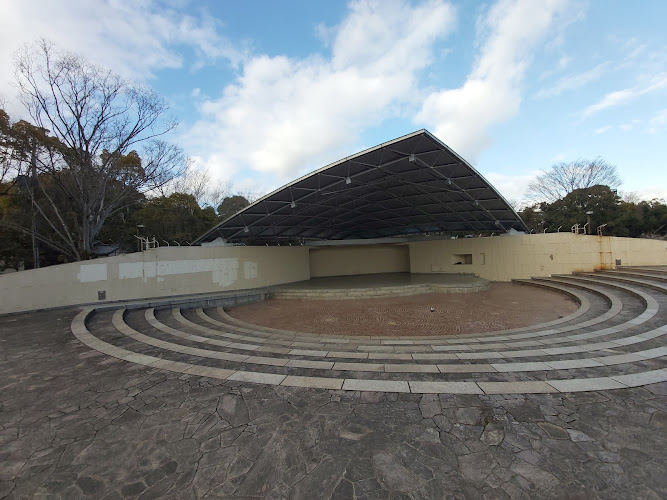
Shirotopia Memorial Park
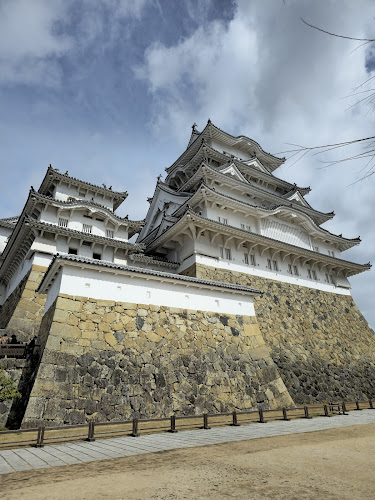
Himeji Castle
Find Accommodations Nearby
Recommended Tours & Activities
Visitor Reviews
There are no reviews yet. Be the first one to write one.
Share Your Experience
Have you visited Japan Toy Museum? Help other travelers by leaving a review.