
Koko-en
About Koko-en
Description
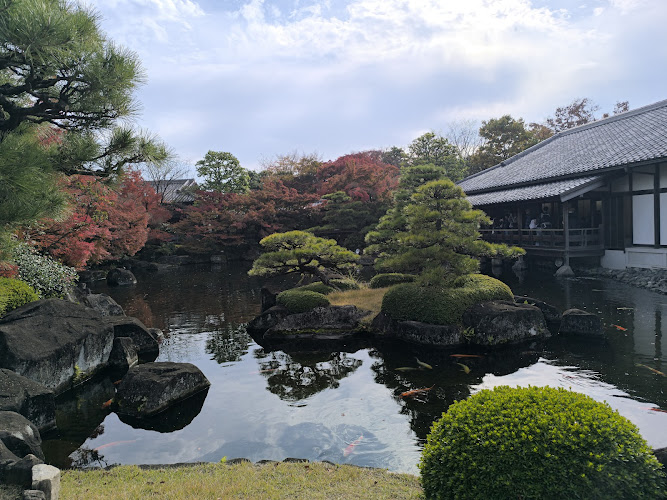
Koko-en represents something quite special in the realm of Japanese garden design – it's actually a collection of nine distinct gardens, each with its own personality and purpose, all nestled within the grounds adjacent to Himeji Castle. When I first learned about this place, I was struck by how it manages to feel both authentic and deliberately curated at the same time. The gardens were constructed in 1992 on the site of former samurai residences, which gives them this wonderful sense of historical grounding even though they're relatively young by Japanese standards. What makes Koko-en particularly fascinating is that it doesn't try to be just one thing. Instead of creating a single massive garden, the designers opted for this really clever approach of dividing the space into separate themed areas that each showcase different aspects of traditional Japanese garden philosophy. You'll find yourself wandering from a formal tea ceremony garden into a pine grove, then suddenly you're beside a bamboo garden that feels completely different from what you just experienced. It's like getting nine gardens for the price of one admission ticket. The total area spans about 3.5 hectares, and honestly, that's the perfect size – large enough that you feel like you've taken a proper journey but not so massive that your feet are screaming for mercy by the end. The name Koko-en translates roughly to "Garden of the West" which makes sense given its location to the west of Himeji Castle. And let me tell you, the combination of visiting both the castle and these gardens in one day? That's pretty much the perfect Himeji experience right there.Key Features
The remarkable aspects of Koko-en that travelers consistently appreciate include:- Nine separate themed gardens each representing different Japanese garden traditions and historical periods, from formal samurai residences to tea ceremony spaces
- Extensive water features including streams, ponds, and waterfalls that create both visual interest and that signature peaceful soundscape you associate with Japanese gardens
- The Oyashiki-no-niwa (Lord's Garden), which serves as the centerpiece with its large pond and carefully positioned viewing pavilion that offers postcard-worthy perspectives
- Authentic bamboo groves that create those dramatic corridors of green light filtering through the stalks – absolutely magical for photography
- Traditional tea house called Souju-an where you can participate in tea ceremonies or simply enjoy matcha while overlooking the garden scenery
- Pine tree gardens showcasing meticulously pruned specimens that demonstrate the art of niwaki (Japanese tree pruning techniques)
- Seasonal flower displays that transform the garden's character throughout the year, from plum blossoms to autumn maples
- Stone lanterns, stepping stones, and traditional architectural elements positioned throughout that provide authentic historical atmosphere
- Walking paths designed to reveal new perspectives and compositions with each turn, following traditional stroll garden principles
- Connection to the original samurai residential layout, with some gardens positioned on the actual footprints of former estates
Best Time to Visit
Here's where things get interesting because unlike some attractions that have one obvious best season, Koko-en genuinely offers distinct experiences depending on when you show up. But let me be straight with you – autumn is when this place really shows off. Late November through early December brings the autumn foliage season, and the Japanese maple trees scattered throughout the nine gardens transform into this incredible display of reds, oranges, and golds. The reflection of these colours in the pond waters? Absolutely stunning. I've seen countless photos and they still don't quite capture how the light filters through those leaves. During this peak season though, expect crowds. The gardens get busy, particularly on weekends, but even with other visitors around, the space feels contemplative. Spring, specifically late March through April, offers the second-best window. The plum and cherry blossoms make their appearance, and there's something about fresh green growth against traditional garden architecture that feels hopeful and renewing. The weather during spring can be a bit unpredictable – you might need a light jacket in the morning even if afternoons warm up considerably. Summer visits have their own appeal if you don't mind heat and humidity. The gardens stay green and lush, and interestingly, there are fewer tourists during July and August because, well, Japanese summers can be pretty intense. The bamboo groves offer some shade and feel notably cooler than open areas. Plus, if you visit during early summer, you might catch some hydrangea blooms. Winter is the quiet season, and honestly, I think it's underrated. The gardens take on this spare, minimalist quality that really highlights the structural elements – the stones, the pines, the architectural features. If there's snow (not guaranteed but possible), the traditional buildings with snow-capped roofs against winter gardens create scenes straight out of historical paintings. For timing within the day, early morning right when the gates open tends to be quietest. The light is softer too, which photographers really appreciate. Late afternoon can be lovely as the sun gets lower and creates those long shadows across the garden paths.How to Get There
Getting to Koko-en is refreshingly straightforward, which isn't always the case with Japanese attractions outside major city centers. The gardens are located in Himeji, which is well-connected to Japan's transportation network. From Himeji Station, you've got options. The most pleasant approach is simply walking – it takes about 15 minutes and the route is pretty much a straight shot north along the main road. You can see Himeji Castle the entire way, which serves as your landmark, and Koko-en is right there at the castle's western side. The walk is flat and easy, passing through some local streets that give you a feel for the city. If you're not in a walking mood or you're dealing with luggage, local buses run from the station's north exit toward the castle. Look for buses numbered 10 or others marked for Himeji Castle. The ride takes maybe five minutes, and you'll get off at either Otemon-mae or Himeji-koen stop. Honestly though, unless weather is terrible or you have mobility concerns, walking is nicer. For those coming from Osaka, Kobe, or Kyoto, the JR Shinkansen makes Himeji very accessible. From Osaka, it's about 30 minutes on the fastest trains. From Kyoto, expect around 45 minutes. The local JR trains take longer but cost less if you're not using a Japan Rail Pass. The station itself is major enough that you won't have trouble figuring out where to go – signage is in English and there are information desks. If you're driving, there are parking facilities near the castle grounds with wheelchair accessible spaces. The lots can fill up during peak seasons, particularly during autumn colours and cherry blossom time, so arriving early helps. The payment systems accept various methods including credit cards and IC transit cards.Tips for Visiting
Let me share some practical wisdom that'll make your Koko-en experience smoother. First off, consider the combination ticket. If you're visiting both Himeji Castle and the gardens (which you probably should), the combined admission costs less than buying separate tickets. It's one of those no-brainer deals. Wear comfortable walking shoes – this seems obvious but you'd be surprised how many people show up in inappropriate footwear. The paths are generally well-maintained but there are stones, slight inclines, and you'll be on your feet for at least an hour, probably longer if you're really soaking in the atmosphere. The tea house experience deserves some attention. You can enjoy matcha tea and traditional sweets while overlooking one of the garden views, and it's genuinely pleasant. You don't need advance reservations for the basic service, though full tea ceremonies require booking. Even if you're not usually a tea person, it's worth trying here because the setting elevates the whole experience. Photography wise, Koko-en is incredibly photogenic but also popular with serious photographers, especially during peak seasons. Be mindful of others trying to capture shots. Tripods are generally allowed but don't block pathways. The pond reflections work best when there's no wind, so calm mornings offer ideal conditions. Timing your visit matters more than you might think. If you arrive right at opening time, you'll have maybe 30-45 minutes of relative quiet before tour groups start arriving. That early window is golden for both photography and peaceful contemplation. Mid-afternoon tends to be busiest, then things quiet down again in the final hour before closing. The gardens are wheelchair accessible, which is worth noting because not all traditional Japanese gardens manage this well. The main paths accommodate wheelchairs and there are accessible restrooms on site. Some areas with stepping stones or narrower paths might be challenging, but the major viewing points are reachable. Bring water, especially during warmer months. There are vending machines on the grounds but having your own supply is smart. The gardens don't have many shaded rest areas outside the tea house, so planning breaks matters during summer. Don't rush through. I've noticed some visitors treat Koko-en as a quick checkbox stop before or after the castle, spending maybe 20 minutes. That's a mistake. Each of the nine gardens deserves attention, and the whole point of this place is creating space for slow observation. Budget at least an hour, ideally closer to two if you're visiting during peak foliage or bloom seasons. The onsite services include English signage at major points, though not everything is translated. A basic understanding of garden elements helps – knowing what you're looking at in terms of design principles adds depth to the experience, so maybe do a bit of reading beforehand about Japanese garden philosophy. Finally, weather matters more than at some attractions. Rain can actually enhance the garden's atmosphere with mist and water droplets on leaves, but heavy rain makes walking less pleasant. Check forecasts and maybe bring a compact umbrella during uncertain seasons. The gardens are beautiful under overcast skies too – you don't need perfect sunshine for a great visit.Key Features
- Nine separate themed gardens each representing different Japanese garden traditions and historical periods, from formal samurai residences to tea ceremony spaces
- Extensive water features including streams, ponds, and waterfalls that create both visual interest and that signature peaceful soundscape you associate with Japanese gardens
- The Oyashiki-no-niwa (Lord's Garden), which serves as the centerpiece with its large pond and carefully positioned viewing pavilion that offers postcard-worthy perspectives
- Authentic bamboo groves that create those dramatic corridors of green light filtering through the stalks – absolutely magical for photography
- Traditional tea house called Souju-an where you can participate in tea ceremonies or simply enjoy matcha while overlooking the garden scenery
- Pine tree gardens showcasing meticulously pruned specimens that demonstrate the art of niwaki (Japanese tree pruning techniques)
- Seasonal flower displays that transform the garden's character throughout the year, from plum blossoms to autumn maples
- Stone lanterns, stepping stones, and traditional architectural elements positioned throughout that provide authentic historical atmosphere
More Details
Updated March 30, 2026
Table of Contents
Description
Koko-en represents something quite special in the realm of Japanese garden design – it’s actually a collection of nine distinct gardens, each with its own personality and purpose, all nestled within the grounds adjacent to Himeji Castle. When I first learned about this place, I was struck by how it manages to feel both authentic and deliberately curated at the same time. The gardens were constructed in 1992 on the site of former samurai residences, which gives them this wonderful sense of historical grounding even though they’re relatively young by Japanese standards.
What makes Koko-en particularly fascinating is that it doesn’t try to be just one thing. Instead of creating a single massive garden, the designers opted for this really clever approach of dividing the space into separate themed areas that each showcase different aspects of traditional Japanese garden philosophy. You’ll find yourself wandering from a formal tea ceremony garden into a pine grove, then suddenly you’re beside a bamboo garden that feels completely different from what you just experienced. It’s like getting nine gardens for the price of one admission ticket.
The total area spans about 3.5 hectares, and honestly, that’s the perfect size – large enough that you feel like you’ve taken a proper journey but not so massive that your feet are screaming for mercy by the end. The name Koko-en translates roughly to “Garden of the West” which makes sense given its location to the west of Himeji Castle. And let me tell you, the combination of visiting both the castle and these gardens in one day? That’s pretty much the perfect Himeji experience right there.
Key Features
The remarkable aspects of Koko-en that travelers consistently appreciate include:
- Nine separate themed gardens each representing different Japanese garden traditions and historical periods, from formal samurai residences to tea ceremony spaces
- Extensive water features including streams, ponds, and waterfalls that create both visual interest and that signature peaceful soundscape you associate with Japanese gardens
- The Oyashiki-no-niwa (Lord’s Garden), which serves as the centerpiece with its large pond and carefully positioned viewing pavilion that offers postcard-worthy perspectives
- Authentic bamboo groves that create those dramatic corridors of green light filtering through the stalks – absolutely magical for photography
- Traditional tea house called Souju-an where you can participate in tea ceremonies or simply enjoy matcha while overlooking the garden scenery
- Pine tree gardens showcasing meticulously pruned specimens that demonstrate the art of niwaki (Japanese tree pruning techniques)
- Seasonal flower displays that transform the garden’s character throughout the year, from plum blossoms to autumn maples
- Stone lanterns, stepping stones, and traditional architectural elements positioned throughout that provide authentic historical atmosphere
- Walking paths designed to reveal new perspectives and compositions with each turn, following traditional stroll garden principles
- Connection to the original samurai residential layout, with some gardens positioned on the actual footprints of former estates
Best Time to Visit
Here’s where things get interesting because unlike some attractions that have one obvious best season, Koko-en genuinely offers distinct experiences depending on when you show up. But let me be straight with you – autumn is when this place really shows off.
Late November through early December brings the autumn foliage season, and the Japanese maple trees scattered throughout the nine gardens transform into this incredible display of reds, oranges, and golds. The reflection of these colours in the pond waters? Absolutely stunning. I’ve seen countless photos and they still don’t quite capture how the light filters through those leaves. During this peak season though, expect crowds. The gardens get busy, particularly on weekends, but even with other visitors around, the space feels contemplative.
Spring, specifically late March through April, offers the second-best window. The plum and cherry blossoms make their appearance, and there’s something about fresh green growth against traditional garden architecture that feels hopeful and renewing. The weather during spring can be a bit unpredictable – you might need a light jacket in the morning even if afternoons warm up considerably.
Summer visits have their own appeal if you don’t mind heat and humidity. The gardens stay green and lush, and interestingly, there are fewer tourists during July and August because, well, Japanese summers can be pretty intense. The bamboo groves offer some shade and feel notably cooler than open areas. Plus, if you visit during early summer, you might catch some hydrangea blooms.
Winter is the quiet season, and honestly, I think it’s underrated. The gardens take on this spare, minimalist quality that really highlights the structural elements – the stones, the pines, the architectural features. If there’s snow (not guaranteed but possible), the traditional buildings with snow-capped roofs against winter gardens create scenes straight out of historical paintings.
For timing within the day, early morning right when the gates open tends to be quietest. The light is softer too, which photographers really appreciate. Late afternoon can be lovely as the sun gets lower and creates those long shadows across the garden paths.
How to Get There
Getting to Koko-en is refreshingly straightforward, which isn’t always the case with Japanese attractions outside major city centers. The gardens are located in Himeji, which is well-connected to Japan’s transportation network.
From Himeji Station, you’ve got options. The most pleasant approach is simply walking – it takes about 15 minutes and the route is pretty much a straight shot north along the main road. You can see Himeji Castle the entire way, which serves as your landmark, and Koko-en is right there at the castle’s western side. The walk is flat and easy, passing through some local streets that give you a feel for the city.
If you’re not in a walking mood or you’re dealing with luggage, local buses run from the station’s north exit toward the castle. Look for buses numbered 10 or others marked for Himeji Castle. The ride takes maybe five minutes, and you’ll get off at either Otemon-mae or Himeji-koen stop. Honestly though, unless weather is terrible or you have mobility concerns, walking is nicer.
For those coming from Osaka, Kobe, or Kyoto, the JR Shinkansen makes Himeji very accessible. From Osaka, it’s about 30 minutes on the fastest trains. From Kyoto, expect around 45 minutes. The local JR trains take longer but cost less if you’re not using a Japan Rail Pass. The station itself is major enough that you won’t have trouble figuring out where to go – signage is in English and there are information desks.
If you’re driving, there are parking facilities near the castle grounds with wheelchair accessible spaces. The lots can fill up during peak seasons, particularly during autumn colours and cherry blossom time, so arriving early helps. The payment systems accept various methods including credit cards and IC transit cards.
Tips for Visiting
Let me share some practical wisdom that’ll make your Koko-en experience smoother. First off, consider the combination ticket. If you’re visiting both Himeji Castle and the gardens (which you probably should), the combined admission costs less than buying separate tickets. It’s one of those no-brainer deals.
Wear comfortable walking shoes – this seems obvious but you’d be surprised how many people show up in inappropriate footwear. The paths are generally well-maintained but there are stones, slight inclines, and you’ll be on your feet for at least an hour, probably longer if you’re really soaking in the atmosphere.
The tea house experience deserves some attention. You can enjoy matcha tea and traditional sweets while overlooking one of the garden views, and it’s genuinely pleasant. You don’t need advance reservations for the basic service, though full tea ceremonies require booking. Even if you’re not usually a tea person, it’s worth trying here because the setting elevates the whole experience.
Photography wise, Koko-en is incredibly photogenic but also popular with serious photographers, especially during peak seasons. Be mindful of others trying to capture shots. Tripods are generally allowed but don’t block pathways. The pond reflections work best when there’s no wind, so calm mornings offer ideal conditions.
Timing your visit matters more than you might think. If you arrive right at opening time, you’ll have maybe 30-45 minutes of relative quiet before tour groups start arriving. That early window is golden for both photography and peaceful contemplation. Mid-afternoon tends to be busiest, then things quiet down again in the final hour before closing.
The gardens are wheelchair accessible, which is worth noting because not all traditional Japanese gardens manage this well. The main paths accommodate wheelchairs and there are accessible restrooms on site. Some areas with stepping stones or narrower paths might be challenging, but the major viewing points are reachable.
Bring water, especially during warmer months. There are vending machines on the grounds but having your own supply is smart. The gardens don’t have many shaded rest areas outside the tea house, so planning breaks matters during summer.
Don’t rush through. I’ve noticed some visitors treat Koko-en as a quick checkbox stop before or after the castle, spending maybe 20 minutes. That’s a mistake. Each of the nine gardens deserves attention, and the whole point of this place is creating space for slow observation. Budget at least an hour, ideally closer to two if you’re visiting during peak foliage or bloom seasons.
The onsite services include English signage at major points, though not everything is translated. A basic understanding of garden elements helps – knowing what you’re looking at in terms of design principles adds depth to the experience, so maybe do a bit of reading beforehand about Japanese garden philosophy.
Finally, weather matters more than at some attractions. Rain can actually enhance the garden’s atmosphere with mist and water droplets on leaves, but heavy rain makes walking less pleasant. Check forecasts and maybe bring a compact umbrella during uncertain seasons. The gardens are beautiful under overcast skies too – you don’t need perfect sunshine for a great visit.
Key Highlights
- Nine separate themed gardens each representing different Japanese garden traditions and historical periods, from formal samurai residences to tea ceremony spaces
- Extensive water features including streams, ponds, and waterfalls that create both visual interest and that signature peaceful soundscape you associate with Japanese gardens
- The Oyashiki-no-niwa (Lord's Garden), which serves as the centerpiece with its large pond and carefully positioned viewing pavilion that offers postcard-worthy perspectives
- Authentic bamboo groves that create those dramatic corridors of green light filtering through the stalks – absolutely magical for photography
- Traditional tea house called Souju-an where you can participate in tea ceremonies or simply enjoy matcha while overlooking the garden scenery
- Pine tree gardens showcasing meticulously pruned specimens that demonstrate the art of niwaki (Japanese tree pruning techniques)
- Seasonal flower displays that transform the garden's character throughout the year, from plum blossoms to autumn maples
- Stone lanterns, stepping stones, and traditional architectural elements positioned throughout that provide authentic historical atmosphere
Location
Places to Stay Near Koko-en
Find and Book a Tour
Explore More Travel Guides
No reviews found! Be the first to review!
Koko-en is a prominent attractions located in Himeji.
Visit us at: 68 Honmachi, Himeji, Hyogo 670-0012, Japan.
Traveler Reviews for Koko-en
There are no reviews yet. Be the first one to write one.
Have you visited Koko-en? Help other travelers by sharing your review.
You Might Also Like

Kameyama Hontokuji temple
Sagi-no-shimizu Well
Shirotopia Memorial Park
Find Accommodations Nearby
Recommended Tours & Activities
Visitor Reviews
There are no reviews yet. Be the first one to write one.
Share Your Experience
Have you visited Koko-en? Help other travelers by leaving a review.