
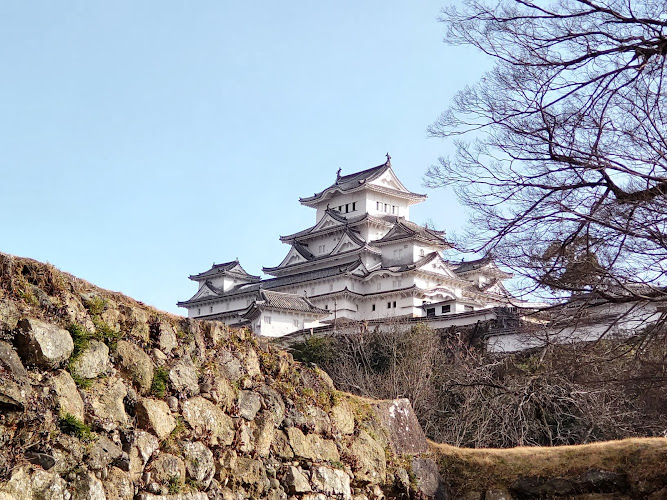
Sagi-no-shimizu Well
About Sagi-no-shimizu Well
Description
Tucked away in the grounds surrounding Himeji Castle, the Sagi-no-shimizu Well represents one of those historical treasures that most travelers rush past without a second glance. And honestly? That's a shame, because this isn't just any old well—it's a piece of living history that's been quenching thirsts and fueling legends for centuries. The well gets its poetic name from the elegant white herons (sagi in Japanese) that once frequented the area, their graceful presence adding to the mystical atmosphere that still clings to this spot today. I've always found it fascinating how the Japanese have this incredible ability to weave nature and human-made structures into seamless harmony, and Sagi-no-shimizu is a perfect example of that philosophy in action. What makes this well particularly special is its connection to Himeji Castle itself. During the castle's operational days, water wasn't just about having something to drink—it was literally a matter of life and death during sieges. The castle's defenders needed reliable water sources, and wells like Sagi-no-shimizu played crucial strategic roles that often determined whether a fortress could withstand prolonged attacks or would have to surrender. The well sits there quietly now, a stone sentinel to bygone eras when samurai walked these grounds and political intrigue shaped Japan's destiny. There's something almost meditative about standing beside it, imagining all the hands that drew water from its depths over the centuries—warriors preparing for battle, servants going about their daily routines, maybe even castle lords taking a moment of respite from their heavy responsibilities. Many visitors to Himeji focus exclusively on the castle's stunning white exterior and impressive fortifications, but places like Sagi-no-shimizu add layers of depth to your understanding of how life actually functioned within these castle complexes. It's the difference between looking at a beautiful painting and understanding the story behind every brushstroke.Key Features
The Sagi-no-shimizu Well offers several distinctive characteristics that make it worth seeking out during your Himeji Castle exploration:- Authentic historical construction that dates back to when Himeji Castle was an active military fortress, providing a tangible connection to feudal Japan
- Traditional stone well design showcasing the engineering capabilities of Japanese craftsmen who built structures meant to last generations
- Strategic location within the castle grounds that reveals the careful planning that went into fortress water supply systems
- Peaceful atmosphere that contrasts nicely with the busier main castle areas, offering a moment of quiet reflection
- Photo opportunities that capture a less commercialized aspect of Japanese castle architecture
- Connection to local folklore and the poetic naming tradition that links natural elements (herons) with human structures
- Educational value for understanding daily life and survival strategies in feudal Japanese castles
- Relatively undiscovered status among international tourists, providing a more intimate historical experience
Best Time to Visit
Here's where things get interesting. Because Sagi-no-shimizu isn't an indoor attraction with climate control, your experience really does depend on when you show up. Early morning visits, especially on weekdays, give you the best chance of having the well practically to yourself. There's something special about experiencing historical sites before the tour buses arrive and the crowds start forming. I'd say aim for right when Himeji Castle grounds open—the morning light hitting the old stones creates this beautiful atmosphere that's tough to replicate later in the day. Spring brings the famous cherry blossoms that Japan is known for, and while everyone flocks to the main castle views, the areas around Sagi-no-shimizu offer their own quieter beauty. The falling petals on the well's stone rim create photo moments that feel stolen from a historical drama. But be prepared—spring also means more visitors overall, even if they're not specifically seeking out the well. Autumn delivers spectacular foliage that frames the well in reds and golds. Late October through mid-November typically provides peak colors, though climate change has been making these predictions increasingly unreliable (something I've noticed during my travels throughout Japan). The cooler temperatures make walking the castle grounds much more pleasant than summer's humidity. Summer? Well, let's be honest—Japanese summers can be brutal. The heat and humidity might have you wishing you could actually draw a bucket of cool water from Sagi-no-shimizu. If you're visiting during July or August, plan your well visit for early morning or late afternoon. Bring water, wear a hat, and don't underestimate how draining the heat can be. Winter sees the fewest crowds, which has its advantages if you don't mind cold weather. The bare trees and occasional snow create a stark, almost austere beauty that emphasizes the well's historical character. Just bundle up—those stone surfaces and open areas don't offer much protection from winter winds. Weekends and Japanese national holidays naturally bring more domestic tourists. If you're trying to avoid crowds, mid-week visits work best, particularly Tuesday through Thursday.How to Get There
Getting to Sagi-no-shimizu means first getting to Himeji Castle, which fortunately is pretty straightforward even if you're not fluent in Japanese. Himeji Station serves as your jumping-off point, accessible via the JR Shinkansen (bullet train) from major cities like Tokyo, Osaka, and Kyoto. From Tokyo, you're looking at about three hours on the shinkansen. Osaka to Himeji takes roughly 30-40 minutes. If you've got a Japan Rail Pass, this journey won't cost you anything extra—definitely use it. Once you've arrived at Himeji Station, the castle is actually visible from the north exit. It's about a 15-20 minute walk down a straight boulevard called Otemae-dori, and honestly? This walk is part of the experience. The castle grows larger and more impressive with each block, and there's something satisfying about approaching a historical site on foot rather than hopping in a taxi. If walking isn't your thing or you're dealing with mobility issues, buses run from the station to stops near the castle grounds. Look for buses at stop #6, 7, or 8 at the station's north exit. The ride takes maybe five minutes, but factor in waiting time. Now here's the important bit—once you're at Himeji Castle, Sagi-no-shimizu isn't necessarily signposted in English. The well is located within the castle grounds, so you'll need to purchase admission to the castle complex (about 1000 yen for adults as of recent pricing). Ask at the ticket office or information desk for directions to "Sagi-no-shimizu" and they can point you in the right direction or provide a map with it marked. The castle grounds aren't exactly small, so wear comfortable walking shoes. You'll be doing a fair bit of wandering, and those decorative cobblestones look charming but can be tough on feet after awhile.Tips for Visiting
Let me share some practical wisdom that'll make your visit smoother and more rewarding. First off, manage your expectations about accessibility. The information I've got indicates that Sagi-no-shimizu doesn't have wheelchair accessible entrances or parking. Himeji Castle in general can be challenging for visitors with mobility limitations—there are stairs, uneven surfaces, and historical structures that simply weren't built with modern accessibility standards in mind. If you or someone in your group has mobility concerns, contact the castle administration ahead of time to discuss options and limitations. Bring cash. While Japan is slowly becoming more card-friendly, historical sites often still operate primarily on cash transactions. Have enough yen for admission tickets, any guidebooks you might want, and drinks from vending machines (you'll want those, trust me). Don't expect extensive English signage specifically for Sagi-no-shimizu. The main castle has decent English information, but smaller features like the well might only have Japanese placards if they have information boards at all. Download a translation app before you go—Google Translate's camera function can be a lifesaver for reading historical markers. Take your time. I know there's always pressure to see everything, snap photos, and rush to the next attraction, but wells like Sagi-no-shimizu reward patient visitors. Spend a few minutes just observing, imagining the history that unfolded around this spot. The stones, the construction, the way water was accessed—these details tell stories if you give them time. Photography works best with natural lighting, so avoid midday when harsh shadows can make the well's features harder to capture clearly. Early morning or late afternoon provides that softer light that makes historical architecture look its best. Combine your well visit with a thorough exploration of the castle grounds. Don't make it a standalone destination—treat it as one intriguing element of your overall Himeji Castle experience. The gardens, fortifications, and other structures all contribute to understanding how these castle complexes functioned as complete systems. Weather matters more than you might think. A sunny day makes for better photos but also means more glare and heat. Overcast days actually provide excellent photography conditions and more comfortable temperatures for exploring. Light rain can even add atmosphere, though you'll want appropriate footwear for potentially slippery stone surfaces. Respect the site's historical significance. This isn't a wishing well or a place to toss coins (please don't do that). It's a genuine historical artifact that deserves the same respect you'd show any museum piece. Consider hiring a guide if you really want to understand the historical context. While this adds expense, knowledgeable guides can share stories and details about places like Sagi-no-shimizu that you'd never discover on your own. The castle sometimes has volunteer guides available, and while they focus primarily on the main structures, many are happy to discuss secondary features if you express interest. Finally, visit the restroom before you start exploring the grounds thoroughly. Facilities exist but aren't necessarily convenient once you're deep into the castle complex hunting for historical wells.Key Features
- Historic Muromachi-period well recognized as one of Harima’s Ten Waters
- Located within the precincts of Himeji Castle, offering contextual castle views
- Traditional stonework and preserved setting with aged moss and plantings
- Informational signage explaining historical significance (Japanese/possibly English)
- A quiet, contemplative spot often missed by the main tourist flow
More Details
Updated March 30, 2026
Table of Contents
Description
Tucked away in the grounds surrounding Himeji Castle, the Sagi-no-shimizu Well represents one of those historical treasures that most travelers rush past without a second glance. And honestly? That’s a shame, because this isn’t just any old well—it’s a piece of living history that’s been quenching thirsts and fueling legends for centuries.
The well gets its poetic name from the elegant white herons (sagi in Japanese) that once frequented the area, their graceful presence adding to the mystical atmosphere that still clings to this spot today. I’ve always found it fascinating how the Japanese have this incredible ability to weave nature and human-made structures into seamless harmony, and Sagi-no-shimizu is a perfect example of that philosophy in action.
What makes this well particularly special is its connection to Himeji Castle itself. During the castle’s operational days, water wasn’t just about having something to drink—it was literally a matter of life and death during sieges. The castle’s defenders needed reliable water sources, and wells like Sagi-no-shimizu played crucial strategic roles that often determined whether a fortress could withstand prolonged attacks or would have to surrender.
The well sits there quietly now, a stone sentinel to bygone eras when samurai walked these grounds and political intrigue shaped Japan’s destiny. There’s something almost meditative about standing beside it, imagining all the hands that drew water from its depths over the centuries—warriors preparing for battle, servants going about their daily routines, maybe even castle lords taking a moment of respite from their heavy responsibilities.
Many visitors to Himeji focus exclusively on the castle’s stunning white exterior and impressive fortifications, but places like Sagi-no-shimizu add layers of depth to your understanding of how life actually functioned within these castle complexes. It’s the difference between looking at a beautiful painting and understanding the story behind every brushstroke.
Key Features
The Sagi-no-shimizu Well offers several distinctive characteristics that make it worth seeking out during your Himeji Castle exploration:
- Authentic historical construction that dates back to when Himeji Castle was an active military fortress, providing a tangible connection to feudal Japan
- Traditional stone well design showcasing the engineering capabilities of Japanese craftsmen who built structures meant to last generations
- Strategic location within the castle grounds that reveals the careful planning that went into fortress water supply systems
- Peaceful atmosphere that contrasts nicely with the busier main castle areas, offering a moment of quiet reflection
- Photo opportunities that capture a less commercialized aspect of Japanese castle architecture
- Connection to local folklore and the poetic naming tradition that links natural elements (herons) with human structures
- Educational value for understanding daily life and survival strategies in feudal Japanese castles
- Relatively undiscovered status among international tourists, providing a more intimate historical experience
Best Time to Visit
Here’s where things get interesting. Because Sagi-no-shimizu isn’t an indoor attraction with climate control, your experience really does depend on when you show up.
Early morning visits, especially on weekdays, give you the best chance of having the well practically to yourself. There’s something special about experiencing historical sites before the tour buses arrive and the crowds start forming. I’d say aim for right when Himeji Castle grounds open—the morning light hitting the old stones creates this beautiful atmosphere that’s tough to replicate later in the day.
Spring brings the famous cherry blossoms that Japan is known for, and while everyone flocks to the main castle views, the areas around Sagi-no-shimizu offer their own quieter beauty. The falling petals on the well’s stone rim create photo moments that feel stolen from a historical drama. But be prepared—spring also means more visitors overall, even if they’re not specifically seeking out the well.
Autumn delivers spectacular foliage that frames the well in reds and golds. Late October through mid-November typically provides peak colors, though climate change has been making these predictions increasingly unreliable (something I’ve noticed during my travels throughout Japan). The cooler temperatures make walking the castle grounds much more pleasant than summer’s humidity.
Summer? Well, let’s be honest—Japanese summers can be brutal. The heat and humidity might have you wishing you could actually draw a bucket of cool water from Sagi-no-shimizu. If you’re visiting during July or August, plan your well visit for early morning or late afternoon. Bring water, wear a hat, and don’t underestimate how draining the heat can be.
Winter sees the fewest crowds, which has its advantages if you don’t mind cold weather. The bare trees and occasional snow create a stark, almost austere beauty that emphasizes the well’s historical character. Just bundle up—those stone surfaces and open areas don’t offer much protection from winter winds.
Weekends and Japanese national holidays naturally bring more domestic tourists. If you’re trying to avoid crowds, mid-week visits work best, particularly Tuesday through Thursday.
How to Get There
Getting to Sagi-no-shimizu means first getting to Himeji Castle, which fortunately is pretty straightforward even if you’re not fluent in Japanese.
Himeji Station serves as your jumping-off point, accessible via the JR Shinkansen (bullet train) from major cities like Tokyo, Osaka, and Kyoto. From Tokyo, you’re looking at about three hours on the shinkansen. Osaka to Himeji takes roughly 30-40 minutes. If you’ve got a Japan Rail Pass, this journey won’t cost you anything extra—definitely use it.
Once you’ve arrived at Himeji Station, the castle is actually visible from the north exit. It’s about a 15-20 minute walk down a straight boulevard called Otemae-dori, and honestly? This walk is part of the experience. The castle grows larger and more impressive with each block, and there’s something satisfying about approaching a historical site on foot rather than hopping in a taxi.
If walking isn’t your thing or you’re dealing with mobility issues, buses run from the station to stops near the castle grounds. Look for buses at stop #6, 7, or 8 at the station’s north exit. The ride takes maybe five minutes, but factor in waiting time.
Now here’s the important bit—once you’re at Himeji Castle, Sagi-no-shimizu isn’t necessarily signposted in English. The well is located within the castle grounds, so you’ll need to purchase admission to the castle complex (about 1000 yen for adults as of recent pricing). Ask at the ticket office or information desk for directions to “Sagi-no-shimizu” and they can point you in the right direction or provide a map with it marked.
The castle grounds aren’t exactly small, so wear comfortable walking shoes. You’ll be doing a fair bit of wandering, and those decorative cobblestones look charming but can be tough on feet after awhile.
Tips for Visiting
Let me share some practical wisdom that’ll make your visit smoother and more rewarding.
First off, manage your expectations about accessibility. The information I’ve got indicates that Sagi-no-shimizu doesn’t have wheelchair accessible entrances or parking. Himeji Castle in general can be challenging for visitors with mobility limitations—there are stairs, uneven surfaces, and historical structures that simply weren’t built with modern accessibility standards in mind. If you or someone in your group has mobility concerns, contact the castle administration ahead of time to discuss options and limitations.
Bring cash. While Japan is slowly becoming more card-friendly, historical sites often still operate primarily on cash transactions. Have enough yen for admission tickets, any guidebooks you might want, and drinks from vending machines (you’ll want those, trust me).
Don’t expect extensive English signage specifically for Sagi-no-shimizu. The main castle has decent English information, but smaller features like the well might only have Japanese placards if they have information boards at all. Download a translation app before you go—Google Translate’s camera function can be a lifesaver for reading historical markers.
Take your time. I know there’s always pressure to see everything, snap photos, and rush to the next attraction, but wells like Sagi-no-shimizu reward patient visitors. Spend a few minutes just observing, imagining the history that unfolded around this spot. The stones, the construction, the way water was accessed—these details tell stories if you give them time.
Photography works best with natural lighting, so avoid midday when harsh shadows can make the well’s features harder to capture clearly. Early morning or late afternoon provides that softer light that makes historical architecture look its best.
Combine your well visit with a thorough exploration of the castle grounds. Don’t make it a standalone destination—treat it as one intriguing element of your overall Himeji Castle experience. The gardens, fortifications, and other structures all contribute to understanding how these castle complexes functioned as complete systems.
Weather matters more than you might think. A sunny day makes for better photos but also means more glare and heat. Overcast days actually provide excellent photography conditions and more comfortable temperatures for exploring. Light rain can even add atmosphere, though you’ll want appropriate footwear for potentially slippery stone surfaces.
Respect the site’s historical significance. This isn’t a wishing well or a place to toss coins (please don’t do that). It’s a genuine historical artifact that deserves the same respect you’d show any museum piece.
Consider hiring a guide if you really want to understand the historical context. While this adds expense, knowledgeable guides can share stories and details about places like Sagi-no-shimizu that you’d never discover on your own. The castle sometimes has volunteer guides available, and while they focus primarily on the main structures, many are happy to discuss secondary features if you express interest.
Finally, visit the restroom before you start exploring the grounds thoroughly. Facilities exist but aren’t necessarily convenient once you’re deep into the castle complex hunting for historical wells.
Key Highlights
- Historic Muromachi-period well recognized as one of Harima’s Ten Waters
- Located within the precincts of Himeji Castle, offering contextual castle views
- Traditional stonework and preserved setting with aged moss and plantings
- Informational signage explaining historical significance (Japanese/possibly English)
- A quiet, contemplative spot often missed by the main tourist flow
Location
Places to Stay Near Sagi-no-shimizu Well
Find and Book a Tour
Explore More Travel Guides
No reviews found! Be the first to review!
Sagi-no-shimizu Well is a prominent attractions located in Himeji.
Visit us at: 108-2 Bozumachi, Himeji, Hyogo 670-0012, Japan.
Traveler Reviews for Sagi-no-shimizu Well
There are no reviews yet. Be the first one to write one.
Have you visited Sagi-no-shimizu Well? Help other travelers by sharing your review.
Nearby Attractions
You Might Also Like

Engyōji
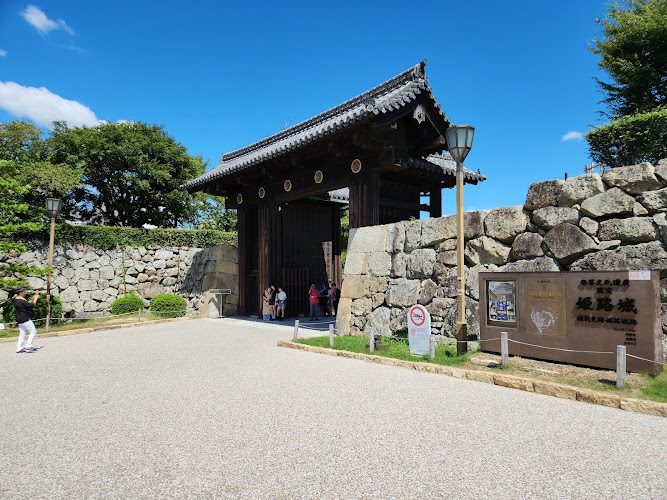
Otemon Gate

Main Keep of Himeji Castle
Find Accommodations Nearby
Recommended Tours & Activities
Visitor Reviews
There are no reviews yet. Be the first one to write one.
Share Your Experience
Have you visited Sagi-no-shimizu Well? Help other travelers by leaving a review.