
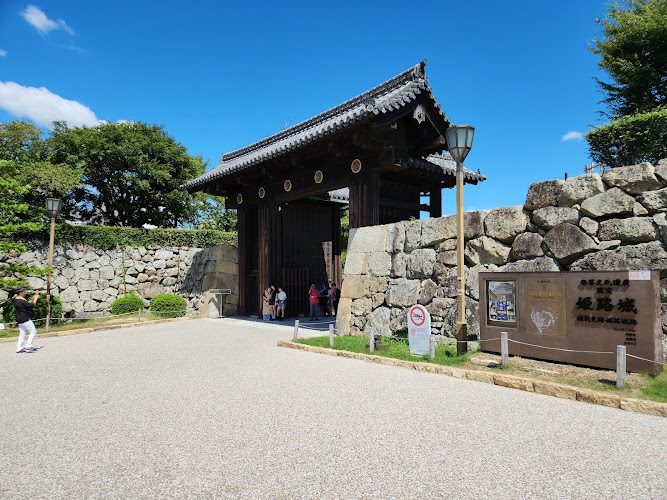
Otemon Gate
About Otemon Gate
Description
The Otemon Gate stands as one of the most striking architectural remnants of feudal Japan, serving as the principal entrance to what was once a formidable castle fortress. This massive wooden structure isn't just another pretty facade – it's a genuine piece of living history that has witnessed centuries of samurai processions, political intrigue, and the dramatic transformation of Japanese society. When visitors first approach this gate, there's an immediate sense of stepping back in time, something that photographs simply cannot capture adequately. Built using traditional Japanese construction techniques that relied on precise joinery rather than nails, the gate represents the pinnacle of defensive architecture from its era. The name "Otemon" literally translates to "main gate," which tells you everything about its importance in the castle's defensive structure. And honestly, standing beneath its imposing eaves makes you appreciate just how much thought went into intimidating potential invaders while simultaneously projecting the power and wealth of the ruling lord. What makes this particular gate special is its preservation status as part of a World Heritage site, meaning it has met stringent criteria for cultural significance and authenticity. The gate has survived wars, natural disasters, and the modernization pressures that claimed so many similar structures throughout Japan. Walking through its passage today, you're literally following the same path that feudal lords, their retainers, and countless others traveled hundreds of years ago – there's something pretty incredible about that continuity. The structure showcases the distinctive features of castle gate architecture, including the elevated stone foundations that raised the wooden portions above flood levels and made scaling the walls significantly more difficult. The craftsmanship evident in every beam and bracket demonstrates why Japanese carpentry techniques are celebrated worldwide. Unlike many reconstructed castle structures that use modern materials, the authenticity here gives visitors a genuine connection to the past.Key Features
The Otemon Gate offers several distinctive elements that make it worth a dedicated visit: • Authentic Construction Methods: The gate employs traditional joinery techniques where massive wooden beams interlock without modern fasteners, demonstrating engineering knowledge that predates contemporary structural understanding by centuries. • Strategic Defensive Design: Multiple layers of protection include stone foundations that create difficult angles for attackers, reinforced doors that could withstand battering rams, and architectural features that allowed defenders to rain down projectiles on invaders. • Impressive Scale: The sheer size of the timbers used in construction is remarkable, with some beams measuring several feet in diameter and weighing tons – all carefully fitted into place centuries ago. • Photographic Opportunities: The contrast between the weathered wood, white plaster walls, and surrounding stonework creates stunning visual compositions that change throughout the day as lighting conditions shift. • Educational Signage: Detailed explanations help visitors understand the gate's historical context, construction techniques, and role in the castle's overall defensive strategy. • Family-Friendly Access: The site accommodates visitors of all ages, making it an excellent educational destination for children learning about Japanese history and architecture. • Cultural Significance: As part of a World Heritage designation, the gate represents outstanding universal value and contributes to humanity's collective cultural heritage. • Seasonal Beauty: The surrounding landscape changes dramatically with the seasons, providing different aesthetic experiences whether you visit during cherry blossom season, summer greenery, autumn colors, or winter snow.Best Time to Visit
Timing your visit to the Otemon Gate can significantly impact your experience, and I've learned through multiple visits that certain periods offer distinct advantages. Early morning visits, particularly on weekdays, provide the most peaceful experience when you can actually hear your footsteps echoing through the gate passage without competing with large tour groups. There's something almost meditative about experiencing the space when it's quiet. Spring draws massive crowds due to cherry blossom season, typically from late March through early April depending on the year's weather patterns. Yes, the combination of delicate pink blossoms framing the ancient gate creates postcard-perfect scenes, but be prepared to share that experience with hundreds of other visitors. If you don't mind crowds and want those iconic photos, spring is magnificent. But if you're someone who prefers contemplative experiences, you might want to reconsider. Autumn presents my personal favorite visiting period, usually from mid-October through November. The surrounding foliage transforms into brilliant reds, oranges, and golds that complement the gate's earthier tones beautifully. The weather is generally comfortable for walking, and while there are still plenty of visitors, the crowds are more manageable than spring. Plus, the autumn light has this special quality that makes architectural photography absolutely sing. Summer brings heat and humidity that can make exploring less comfortable, especially during July and August. However, this also means fewer international tourists in some years, and early morning or late afternoon visits can be quite pleasant. The lush green surroundings create a completely different aesthetic than other seasons. Winter offers the most atmospheric conditions if you happen to visit during or just after snowfall. The contrast of white snow against dark timber and stone creates dramatic compositions, and the cold tends to keep casual visitors away, giving serious history enthusiasts more intimate access. Just dress appropriately because standing still while taking photos in freezing temperatures gets uncomfortable quickly. Weekends and Japanese national holidays significantly increase visitor numbers regardless of season. If your schedule allows flexibility, weekday visits provide better experiences overall.How to Get There
Reaching the Otemon Gate typically involves navigating Japanese public transportation, which might sound intimidating but is actually remarkably efficient once you understand the basics. Most visitors use train services, and the nearest station usually sits within comfortable walking distance of the gate – generally about 10 to 15 minutes on foot. When planning your route, smartphone apps like Google Maps or dedicated Japanese transit apps such as Hyperdia work exceptionally well for plotting the most efficient path from your accommodation. These apps account for transfer times, platform changes, and even the fastest walking routes between connections. And honestly, after traveling through Japan extensively, I've found their transit systems almost impossibly punctual compared to what I grew up with. If you're arriving from major urban centers, express train services can significantly reduce travel time, though they cost more than local trains. Whether the premium is worth it depends on your budget and schedule. The local trains give you more opportunities to observe daily Japanese life and cost considerably less, but they stop frequently. Taxi services provide direct access but at substantially higher costs. This option makes sense if you're traveling with a group where splitting the fare becomes reasonable, if you have mobility concerns that make train travel difficult, or if you're carrying substantial luggage. Just be aware that taxi drivers may have limited English proficiency, so having your destination written in Japanese or showing them a map can prevent confusion. For those renting cars, parking availability varies seasonally and by day of week. During peak tourist seasons, lots fill early in the day. GPS navigation systems generally handle Japanese addresses well, though having a backup paper map never hurts. Bus routes also service the area, though they can be less intuitive for international visitors unfamiliar with Japanese bus systems. If you're comfortable with local transit and staying for an extended period, figuring out bus routes can offer economical transportation options. Walking from nearby attractions is absolutely feasible if you're already exploring the general area. Many visitors incorporate the Otemon Gate into larger walking tours that encompass multiple historical sites within the same district.Tips for Visiting
Making the most of your Otemon Gate experience involves some practical considerations that aren't always obvious from guidebooks. First, wear comfortable walking shoes – and I mean truly comfortable ones, not those sneakers that seem fine for an hour but become torture devices after three hours of sightseeing. The surrounding areas typically involve uneven stone pathways, steps, and surfaces that demand proper footwear. Bring weather-appropriate clothing because conditions can change throughout the day. A light rain jacket or umbrella serves you well even when forecasts look clear, as I learned the hard way during one particularly soggy afternoon. Conversely, sun protection including hats and sunscreen matters more than many visitors anticipate, especially during summer months when that Japanese sun beats down relentlessly. Photography enthusiasts should arrive with charged batteries and empty memory cards because the photographic opportunities are extensive. The play of light and shadow on the gate's structural elements changes throughout the day, and you'll likely take more photos than anticipated. A polarizing filter can help manage the bright skies and enhance the contrast between wooden and stone elements. Respect the historical nature of the site by following posted guidelines. These structures have survived centuries partly because visitors treat them carefully. Don't touch the wooden components unnecessarily, as oils from hands gradually damage the preserved surfaces. Stay on designated paths rather than climbing on stone walls or foundations, even when trying to get better photo angles. Plan at least 45 minutes to an hour for a thorough visit if you want to properly appreciate the gate and its immediate surroundings. Rushing through in 15 minutes means missing significant details and the atmosphere that makes historical sites meaningful. Allow extra time if you're visiting with children, who may want to explore more slowly or need breaks. Consider purchasing combination tickets if the gate is part of a larger castle complex or historical park. These often provide better value than buying separate admission for each component. Check whether audio guides are available, as they can significantly enhance understanding of what you're observing. Visit the gift shop if one is available – and this comes from someone who generally avoids touristy merchandise. Castle-related sites often stock high-quality books, historical reproductions, and locally-made crafts that make meaningful souvenirs or gifts. The purchases also support the ongoing preservation work that keeps these sites accessible. Bring cash because while Japan is modernizing its payment systems, many historical sites and their facilities still operate primarily on cash. ATMs aren't always conveniently located near tourist attractions. If traveling with children, prepare them beforehand about what they're going to see and why it matters. Having kids understand they're visiting something genuinely old and important helps them engage more meaningfully with the experience. The educational aspects work best when parents frame them as stories rather than lectures. Check the weather forecast but also air quality indexes, particularly during certain times of year when atmospheric conditions can reduce visibility and impact photography. Clear days offer the best experiences for appreciating architectural details and surrounding landscapes. Finally, take moments to simply stand still and absorb the atmosphere. In our rush to photograph everything and check locations off our itineraries, we sometimes forget to actually experience places. The Otemon Gate has stood for centuries – giving it five minutes of your undivided attention seems like a fair exchange for the privilege of witnessing that history firsthand.Key Features
- Main historical entrance to Himeji Castle with original-style timber construction
- Imposing stone foundations and defensive design elements
- Photogenic framing of the castle keep and surrounding walls
- Located at the edge of the Sannomaru (third bailey), easy access from Himeji Station
- Cherry-tree-lined lawns nearby for seasonally striking views (early April typical)
More Details
Updated March 30, 2026
Table of Contents
Description
The Otemon Gate stands as one of the most striking architectural remnants of feudal Japan, serving as the principal entrance to what was once a formidable castle fortress. This massive wooden structure isn’t just another pretty facade – it’s a genuine piece of living history that has witnessed centuries of samurai processions, political intrigue, and the dramatic transformation of Japanese society. When visitors first approach this gate, there’s an immediate sense of stepping back in time, something that photographs simply cannot capture adequately.
Built using traditional Japanese construction techniques that relied on precise joinery rather than nails, the gate represents the pinnacle of defensive architecture from its era. The name “Otemon” literally translates to “main gate,” which tells you everything about its importance in the castle’s defensive structure. And honestly, standing beneath its imposing eaves makes you appreciate just how much thought went into intimidating potential invaders while simultaneously projecting the power and wealth of the ruling lord.
What makes this particular gate special is its preservation status as part of a World Heritage site, meaning it has met stringent criteria for cultural significance and authenticity. The gate has survived wars, natural disasters, and the modernization pressures that claimed so many similar structures throughout Japan. Walking through its passage today, you’re literally following the same path that feudal lords, their retainers, and countless others traveled hundreds of years ago – there’s something pretty incredible about that continuity.
The structure showcases the distinctive features of castle gate architecture, including the elevated stone foundations that raised the wooden portions above flood levels and made scaling the walls significantly more difficult. The craftsmanship evident in every beam and bracket demonstrates why Japanese carpentry techniques are celebrated worldwide. Unlike many reconstructed castle structures that use modern materials, the authenticity here gives visitors a genuine connection to the past.
Key Features
The Otemon Gate offers several distinctive elements that make it worth a dedicated visit:
• Authentic Construction Methods: The gate employs traditional joinery techniques where massive wooden beams interlock without modern fasteners, demonstrating engineering knowledge that predates contemporary structural understanding by centuries.
• Strategic Defensive Design: Multiple layers of protection include stone foundations that create difficult angles for attackers, reinforced doors that could withstand battering rams, and architectural features that allowed defenders to rain down projectiles on invaders.
• Impressive Scale: The sheer size of the timbers used in construction is remarkable, with some beams measuring several feet in diameter and weighing tons – all carefully fitted into place centuries ago.
• Photographic Opportunities: The contrast between the weathered wood, white plaster walls, and surrounding stonework creates stunning visual compositions that change throughout the day as lighting conditions shift.
• Educational Signage: Detailed explanations help visitors understand the gate’s historical context, construction techniques, and role in the castle’s overall defensive strategy.
• Family-Friendly Access: The site accommodates visitors of all ages, making it an excellent educational destination for children learning about Japanese history and architecture.
• Cultural Significance: As part of a World Heritage designation, the gate represents outstanding universal value and contributes to humanity’s collective cultural heritage.
• Seasonal Beauty: The surrounding landscape changes dramatically with the seasons, providing different aesthetic experiences whether you visit during cherry blossom season, summer greenery, autumn colors, or winter snow.
Best Time to Visit
Timing your visit to the Otemon Gate can significantly impact your experience, and I’ve learned through multiple visits that certain periods offer distinct advantages. Early morning visits, particularly on weekdays, provide the most peaceful experience when you can actually hear your footsteps echoing through the gate passage without competing with large tour groups. There’s something almost meditative about experiencing the space when it’s quiet.
Spring draws massive crowds due to cherry blossom season, typically from late March through early April depending on the year’s weather patterns. Yes, the combination of delicate pink blossoms framing the ancient gate creates postcard-perfect scenes, but be prepared to share that experience with hundreds of other visitors. If you don’t mind crowds and want those iconic photos, spring is magnificent. But if you’re someone who prefers contemplative experiences, you might want to reconsider.
Autumn presents my personal favorite visiting period, usually from mid-October through November. The surrounding foliage transforms into brilliant reds, oranges, and golds that complement the gate’s earthier tones beautifully. The weather is generally comfortable for walking, and while there are still plenty of visitors, the crowds are more manageable than spring. Plus, the autumn light has this special quality that makes architectural photography absolutely sing.
Summer brings heat and humidity that can make exploring less comfortable, especially during July and August. However, this also means fewer international tourists in some years, and early morning or late afternoon visits can be quite pleasant. The lush green surroundings create a completely different aesthetic than other seasons.
Winter offers the most atmospheric conditions if you happen to visit during or just after snowfall. The contrast of white snow against dark timber and stone creates dramatic compositions, and the cold tends to keep casual visitors away, giving serious history enthusiasts more intimate access. Just dress appropriately because standing still while taking photos in freezing temperatures gets uncomfortable quickly.
Weekends and Japanese national holidays significantly increase visitor numbers regardless of season. If your schedule allows flexibility, weekday visits provide better experiences overall.
How to Get There
Reaching the Otemon Gate typically involves navigating Japanese public transportation, which might sound intimidating but is actually remarkably efficient once you understand the basics. Most visitors use train services, and the nearest station usually sits within comfortable walking distance of the gate – generally about 10 to 15 minutes on foot.
When planning your route, smartphone apps like Google Maps or dedicated Japanese transit apps such as Hyperdia work exceptionally well for plotting the most efficient path from your accommodation. These apps account for transfer times, platform changes, and even the fastest walking routes between connections. And honestly, after traveling through Japan extensively, I’ve found their transit systems almost impossibly punctual compared to what I grew up with.
If you’re arriving from major urban centers, express train services can significantly reduce travel time, though they cost more than local trains. Whether the premium is worth it depends on your budget and schedule. The local trains give you more opportunities to observe daily Japanese life and cost considerably less, but they stop frequently.
Taxi services provide direct access but at substantially higher costs. This option makes sense if you’re traveling with a group where splitting the fare becomes reasonable, if you have mobility concerns that make train travel difficult, or if you’re carrying substantial luggage. Just be aware that taxi drivers may have limited English proficiency, so having your destination written in Japanese or showing them a map can prevent confusion.
For those renting cars, parking availability varies seasonally and by day of week. During peak tourist seasons, lots fill early in the day. GPS navigation systems generally handle Japanese addresses well, though having a backup paper map never hurts.
Bus routes also service the area, though they can be less intuitive for international visitors unfamiliar with Japanese bus systems. If you’re comfortable with local transit and staying for an extended period, figuring out bus routes can offer economical transportation options.
Walking from nearby attractions is absolutely feasible if you’re already exploring the general area. Many visitors incorporate the Otemon Gate into larger walking tours that encompass multiple historical sites within the same district.
Tips for Visiting
Making the most of your Otemon Gate experience involves some practical considerations that aren’t always obvious from guidebooks. First, wear comfortable walking shoes – and I mean truly comfortable ones, not those sneakers that seem fine for an hour but become torture devices after three hours of sightseeing. The surrounding areas typically involve uneven stone pathways, steps, and surfaces that demand proper footwear.
Bring weather-appropriate clothing because conditions can change throughout the day. A light rain jacket or umbrella serves you well even when forecasts look clear, as I learned the hard way during one particularly soggy afternoon. Conversely, sun protection including hats and sunscreen matters more than many visitors anticipate, especially during summer months when that Japanese sun beats down relentlessly.
Photography enthusiasts should arrive with charged batteries and empty memory cards because the photographic opportunities are extensive. The play of light and shadow on the gate’s structural elements changes throughout the day, and you’ll likely take more photos than anticipated. A polarizing filter can help manage the bright skies and enhance the contrast between wooden and stone elements.
Respect the historical nature of the site by following posted guidelines. These structures have survived centuries partly because visitors treat them carefully. Don’t touch the wooden components unnecessarily, as oils from hands gradually damage the preserved surfaces. Stay on designated paths rather than climbing on stone walls or foundations, even when trying to get better photo angles.
Plan at least 45 minutes to an hour for a thorough visit if you want to properly appreciate the gate and its immediate surroundings. Rushing through in 15 minutes means missing significant details and the atmosphere that makes historical sites meaningful. Allow extra time if you’re visiting with children, who may want to explore more slowly or need breaks.
Consider purchasing combination tickets if the gate is part of a larger castle complex or historical park. These often provide better value than buying separate admission for each component. Check whether audio guides are available, as they can significantly enhance understanding of what you’re observing.
Visit the gift shop if one is available – and this comes from someone who generally avoids touristy merchandise. Castle-related sites often stock high-quality books, historical reproductions, and locally-made crafts that make meaningful souvenirs or gifts. The purchases also support the ongoing preservation work that keeps these sites accessible.
Bring cash because while Japan is modernizing its payment systems, many historical sites and their facilities still operate primarily on cash. ATMs aren’t always conveniently located near tourist attractions.
If traveling with children, prepare them beforehand about what they’re going to see and why it matters. Having kids understand they’re visiting something genuinely old and important helps them engage more meaningfully with the experience. The educational aspects work best when parents frame them as stories rather than lectures.
Check the weather forecast but also air quality indexes, particularly during certain times of year when atmospheric conditions can reduce visibility and impact photography. Clear days offer the best experiences for appreciating architectural details and surrounding landscapes.
Finally, take moments to simply stand still and absorb the atmosphere. In our rush to photograph everything and check locations off our itineraries, we sometimes forget to actually experience places. The Otemon Gate has stood for centuries – giving it five minutes of your undivided attention seems like a fair exchange for the privilege of witnessing that history firsthand.
Key Highlights
- Main historical entrance to Himeji Castle with original-style timber construction
- Imposing stone foundations and defensive design elements
- Photogenic framing of the castle keep and surrounding walls
- Located at the edge of the Sannomaru (third bailey), easy access from Himeji Station
- Cherry-tree-lined lawns nearby for seasonally striking views (early April typical)
Location
Places to Stay Near Otemon Gate
Find and Book a Tour
Explore More Travel Guides
No reviews found! Be the first to review!
Otemon Gate is a prominent 城 located in Himeji.
Visit us at: Honmachi, Himeji, Hyogo 670-0012, Japan.
Traveler Reviews for Otemon Gate
There are no reviews yet. Be the first one to write one.
Have you visited Otemon Gate? Help other travelers by sharing your review.
Nearby Attractions
You Might Also Like
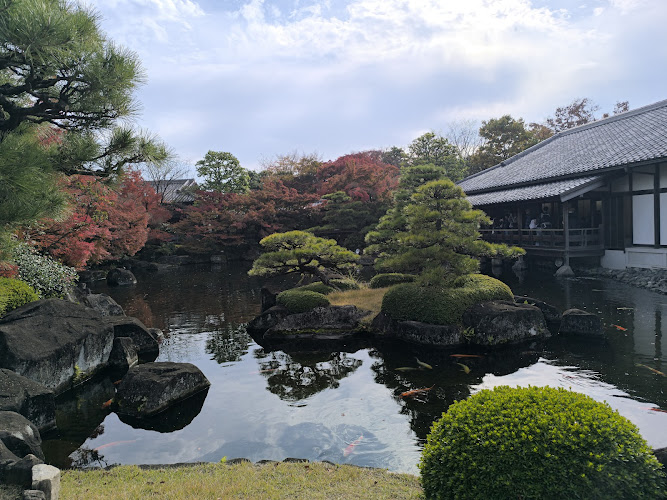
Koko-en
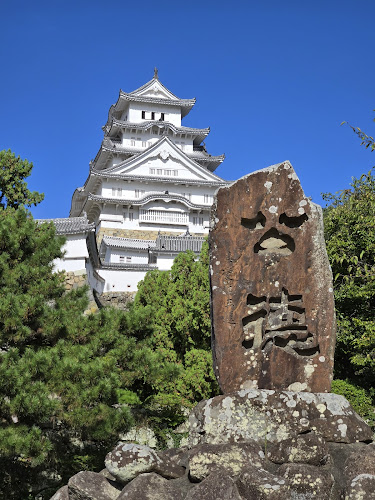
Shiromidai Park
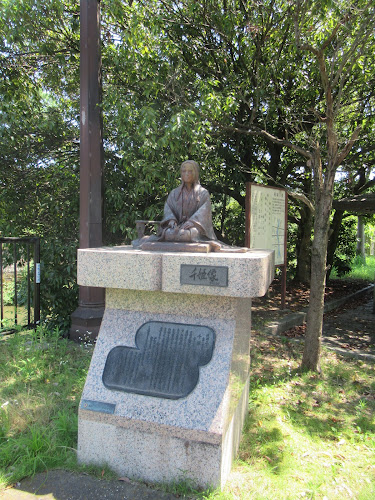
Princess Sen Sedentary Statue
Find Accommodations Nearby
Recommended Tours & Activities
Visitor Reviews
There are no reviews yet. Be the first one to write one.
Share Your Experience
Have you visited Otemon Gate? Help other travelers by leaving a review.