
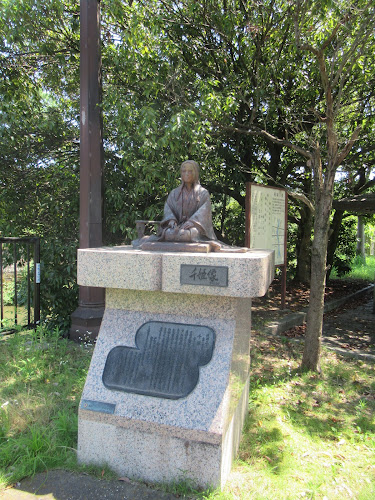
Princess Sen Sedentary Statue
About Princess Sen Sedentary Statue
Description
The Princess Sen Sedentary Statue represents one of those historical gems that doesn't necessarily make it onto every tourist's radar, yet it deserves recognition from anyone interested in Japanese castle history and feudal-era storytelling. This statue commemorates Princess Sen, daughter of Tokugawa Hidetada (the second Tokugawa shogun), who lived during the early Edo period and became known for her resilience during turbulent times. What strikes visitors immediately is the contemplative pose captured in bronze. The princess sits in quiet reflection, and there's something deeply moving about how the sculptor managed to convey both strength and vulnerability in her expression. I've seen plenty of historical statues throughout my travels, and honestly, many of them feel stiff or overly formal. But this one? There's an intimacy to it that makes you want to pause and really take in the moment. The statue's location within castle grounds adds layers of meaning to the experience. Princess Sen's life was inextricably linked to castle politics and warfare—she survived the fall of Osaka Castle in 1615, witnessed unimaginable destruction, and later remarried into another powerful family. Standing before her statue, you can't help but think about what she must have endured during those chaotic years of Japanese history. The craftsmanship deserves mention too. The details in the flowing robes, the positioning of her hands, the slight tilt of her head—all contribute to a sculpture that feels less like a monument and more like a frozen moment in time. It's the kind of artwork that rewards those who take their time rather than snapping a quick photo and moving on.Key Features
The Princess Sen Sedentary Statue offers several distinctive elements that enhance the visitor experience:- The statue depicts Princess Sen in traditional Edo-period attire, with meticulous attention to historical accuracy in the garment details and styling that fashion historians would appreciate
- Its sedentary pose is relatively uncommon for feudal-era princess statues, which often show figures standing in formal positions—this seated representation suggests introspection and humanity
- The bronze material has developed a natural patina over time, giving the statue an authentic aged appearance that photographs beautifully in different lighting conditions throughout the day
- The statue's placement within the castle grounds provides context that helps visitors understand Princess Sen's historical significance and her connection to the location
- Seasonal surroundings dramatically change the statue's appearance—cherry blossoms in spring, lush greenery in summer, autumn foliage, and winter snow each create distinct atmospheres for viewing
- The relatively compact size makes the statue feel approachable rather than imposing, encouraging a more personal connection with the historical figure
- Information plaques (typically in Japanese with some English) provide biographical details about Princess Sen's remarkable life story and her role in shaping regional history
- The area around the statue generally remains quieter than main castle structures, offering a peaceful spot for reflection away from larger tourist crowds
Best Time to Visit
Timing your visit to the Princess Sen Sedentary Statue can significantly impact your experience, and I've learned through trial and error that not all hours are created equal when it comes to appreciating historical monuments. Early morning visits, particularly on weekdays, offer the most serene experience. Between 8:00 and 9:30 AM, you'll likely have the statue area mostly to yourself. The morning light also does wonderful things to the bronze surface, creating a warm glow that brings out details you might miss during harsh midday sun. And honestly? There's something special about greeting a historical figure with your morning coffee still warming your hands. Spring season, specifically late March through early April, brings the cherry blossom displays that frame the statue beautifully. But fair warning—this is also peak tourist season, so you'll be sharing the space with many other visitors. The trade-off between stunning scenery and solitude is real. Autumn, from mid-October through November, presents my personal favorite time for visiting. The fall colors provide a gorgeous backdrop without quite the same tourist density as cherry blossom season. The cooler temperatures make extended outdoor exploration more comfortable, and there's something poignant about viewing a statue that represents perseverance against a backdrop of seasonal change. Winter visits require bundling up properly, but snow-covered scenes create an almost ethereal atmosphere around the statue. Just be prepared for potentially icy pathways and bring appropriate footwear with good traction. Weekdays consistently offer better experiences than weekends and Japanese national holidays, when domestic tourism spikes considerably. If you can only visit on a weekend, aim for Sunday mornings rather than Saturday afternoons. Late afternoon, about two hours before closing time, represents another sweet spot. Tour groups have typically moved on, and the golden hour lighting makes for exceptional photography. Plus, you won't feel rushed since most serious sightseers have already come through.How to Get There
Reaching the Princess Sen Sedentary Statue requires navigating to the castle grounds where it's situated, and the journey itself becomes part of the experience rather than just a means to an end. For travelers using Japan's excellent train system, you'll want to identify the nearest major station to the castle grounds. From there, local buses frequently service castle destinations—look for routes specifically mentioning the castle name. Bus rides typically take 10-20 minutes depending on traffic and specific route. The fare usually runs around 200-300 yen, and exact change is appreciated though many buses now accept IC cards like Suica or Pasmo. Taxis offer a more direct option if you're traveling with luggage or prefer door-to-door service. Just show the driver a picture or written name of the castle, and they'll understand immediately. Expect to pay 1,000-2,000 yen depending on distance from your starting point. Walking from nearby stations is definitely feasible for those who enjoy urban hiking. The trek usually takes 20-40 minutes and passes through residential areas that give you glimpses of daily Japanese life beyond the tourist bubble. I've always found these walks valuable for getting a feel for a place, though summer heat and humidity might make you reconsider this option during July and August. Bicycle rental provides an increasingly popular alternative, with many Japanese cities offering rental programs at reasonable daily rates. The freedom to explore at your own pace and make spontaneous stops makes cycling appealing. Just remember that you'll need to park bikes in designated areas before entering castle grounds. For international visitors, downloading Google Maps or a Japan-specific navigation app proves invaluable. The English functionality works well for major attractions, though having the castle name written in Japanese characters helps when asking locals for directions. Important note: the statue sits within the castle grounds themselves, not at the main entrance. After entering, you'll need to follow signage or ask staff for directions to Princess Sen's statue specifically. Many castles have multiple monuments and features, so don't assume you'll stumble upon it accidentally.Tips for Visiting
Making the most of your Princess Sen Sedentary Statue visit involves some practical considerations that don't always appear in guidebooks but make real differences in your experience. First things first—this location isn't wheelchair accessible. The lack of accessible entrances and parking means visitors with mobility challenges should plan accordingly and potentially contact castle administration in advance to discuss possible accommodations or alternative viewing arrangements. Comfortable walking shoes are non-negotiable. Castle grounds typically involve uneven surfaces, stone pathways, and inclines that look gentle but add up after extended walking. Those cute sandals you wore to dinner last night? Leave them at the hotel. Weather preparation matters more than you might think. Japan's climate varies dramatically by season, and castle grounds offer limited shelter. Bring sun protection during warmer months—hat, sunscreen, sunglasses—because you'll be exposed to direct sunlight. Rain gear should stay in your bag year-round since weather can shift quickly. And winter visitors need proper layering because standing still while contemplating a statue in freezing temperatures tests your dedication quickly. Photography enthusiasts should note that lighting conditions change dramatically throughout the day. The bronze statue reflects light differently depending on sun angle, and surrounding foliage creates varying backgrounds. Experiment with different positions and times if photography is important to you. A polarizing filter helps manage glare on sunny days. Respectful behavior goes without saying, but it's worth emphasizing anyway. This isn't just a photo op—it's a memorial to a real historical figure who endured genuine hardships. Climbing on or touching the statue is inappropriate and potentially damaging to the patina. Language considerations: while major signage often includes English, detailed information about Princess Sen might only appear in Japanese. Using a translation app on your smartphone helps bridge this gap. Or better yet, strike up conversations with Japanese visitors who often appreciate the chance to practice English while sharing knowledge about their history. Budget roughly 15-30 minutes specifically for the statue, though history buffs might linger longer. Factor in admission fees for the overall castle grounds, typically ranging from 400-800 yen for adults. Some castles offer combination tickets covering multiple attractions at better value. Bring cash. While Japan is modernizing payment systems, many castle attractions still operate primarily on cash basis, and ATMs might not be conveniently located once you're inside the grounds. Consider hiring a local guide if you're deeply interested in the historical context. The investment usually pays off through stories and details you'd never discover independently, bringing Princess Sen's era to life in ways that plaques simply cannot. Finally, don't rush. Modern travel culture encourages checking boxes and moving quickly to the next attraction, but monuments like this reward patience and contemplation. Sit on a nearby bench if available, observe how light changes, notice small details, and give yourself space to actually connect with the history you've traveled to experience.Key Features
- The statue depicts Princess Sen in traditional Edo-period attire, with meticulous attention to historical accuracy in the garment details and styling that fashion historians would appreciate
- Its sedentary pose is relatively uncommon for feudal-era princess statues, which often show figures standing in formal positions—this seated representation suggests introspection and humanity
- The bronze material has developed a natural patina over time, giving the statue an authentic aged appearance that photographs beautifully in different lighting conditions throughout the day
- The statue's placement within the castle grounds provides context that helps visitors understand Princess Sen's historical significance and her connection to the location
- Seasonal surroundings dramatically change the statue's appearance—cherry blossoms in spring, lush greenery in summer, autumn foliage, and winter snow each create distinct atmospheres for viewing
- The relatively compact size makes the statue feel approachable rather than imposing, encouraging a more personal connection with the historical figure
- Information plaques (typically in Japanese with some English) provide biographical details about Princess Sen's remarkable life story and her role in shaping regional history
- The area around the statue generally remains quieter than main castle structures, offering a peaceful spot for reflection away from larger tourist crowds
More Details
Updated March 30, 2026
Table of Contents
Description
The Princess Sen Sedentary Statue represents one of those historical gems that doesn’t necessarily make it onto every tourist’s radar, yet it deserves recognition from anyone interested in Japanese castle history and feudal-era storytelling. This statue commemorates Princess Sen, daughter of Tokugawa Hidetada (the second Tokugawa shogun), who lived during the early Edo period and became known for her resilience during turbulent times.
What strikes visitors immediately is the contemplative pose captured in bronze. The princess sits in quiet reflection, and there’s something deeply moving about how the sculptor managed to convey both strength and vulnerability in her expression. I’ve seen plenty of historical statues throughout my travels, and honestly, many of them feel stiff or overly formal. But this one? There’s an intimacy to it that makes you want to pause and really take in the moment.
The statue’s location within castle grounds adds layers of meaning to the experience. Princess Sen’s life was inextricably linked to castle politics and warfare—she survived the fall of Osaka Castle in 1615, witnessed unimaginable destruction, and later remarried into another powerful family. Standing before her statue, you can’t help but think about what she must have endured during those chaotic years of Japanese history.
The craftsmanship deserves mention too. The details in the flowing robes, the positioning of her hands, the slight tilt of her head—all contribute to a sculpture that feels less like a monument and more like a frozen moment in time. It’s the kind of artwork that rewards those who take their time rather than snapping a quick photo and moving on.
Key Features
The Princess Sen Sedentary Statue offers several distinctive elements that enhance the visitor experience:
- The statue depicts Princess Sen in traditional Edo-period attire, with meticulous attention to historical accuracy in the garment details and styling that fashion historians would appreciate
- Its sedentary pose is relatively uncommon for feudal-era princess statues, which often show figures standing in formal positions—this seated representation suggests introspection and humanity
- The bronze material has developed a natural patina over time, giving the statue an authentic aged appearance that photographs beautifully in different lighting conditions throughout the day
- The statue’s placement within the castle grounds provides context that helps visitors understand Princess Sen’s historical significance and her connection to the location
- Seasonal surroundings dramatically change the statue’s appearance—cherry blossoms in spring, lush greenery in summer, autumn foliage, and winter snow each create distinct atmospheres for viewing
- The relatively compact size makes the statue feel approachable rather than imposing, encouraging a more personal connection with the historical figure
- Information plaques (typically in Japanese with some English) provide biographical details about Princess Sen’s remarkable life story and her role in shaping regional history
- The area around the statue generally remains quieter than main castle structures, offering a peaceful spot for reflection away from larger tourist crowds
Best Time to Visit
Timing your visit to the Princess Sen Sedentary Statue can significantly impact your experience, and I’ve learned through trial and error that not all hours are created equal when it comes to appreciating historical monuments.
Early morning visits, particularly on weekdays, offer the most serene experience. Between 8:00 and 9:30 AM, you’ll likely have the statue area mostly to yourself. The morning light also does wonderful things to the bronze surface, creating a warm glow that brings out details you might miss during harsh midday sun. And honestly? There’s something special about greeting a historical figure with your morning coffee still warming your hands.
Spring season, specifically late March through early April, brings the cherry blossom displays that frame the statue beautifully. But fair warning—this is also peak tourist season, so you’ll be sharing the space with many other visitors. The trade-off between stunning scenery and solitude is real.
Autumn, from mid-October through November, presents my personal favorite time for visiting. The fall colors provide a gorgeous backdrop without quite the same tourist density as cherry blossom season. The cooler temperatures make extended outdoor exploration more comfortable, and there’s something poignant about viewing a statue that represents perseverance against a backdrop of seasonal change.
Winter visits require bundling up properly, but snow-covered scenes create an almost ethereal atmosphere around the statue. Just be prepared for potentially icy pathways and bring appropriate footwear with good traction.
Weekdays consistently offer better experiences than weekends and Japanese national holidays, when domestic tourism spikes considerably. If you can only visit on a weekend, aim for Sunday mornings rather than Saturday afternoons.
Late afternoon, about two hours before closing time, represents another sweet spot. Tour groups have typically moved on, and the golden hour lighting makes for exceptional photography. Plus, you won’t feel rushed since most serious sightseers have already come through.
How to Get There
Reaching the Princess Sen Sedentary Statue requires navigating to the castle grounds where it’s situated, and the journey itself becomes part of the experience rather than just a means to an end.
For travelers using Japan’s excellent train system, you’ll want to identify the nearest major station to the castle grounds. From there, local buses frequently service castle destinations—look for routes specifically mentioning the castle name. Bus rides typically take 10-20 minutes depending on traffic and specific route. The fare usually runs around 200-300 yen, and exact change is appreciated though many buses now accept IC cards like Suica or Pasmo.
Taxis offer a more direct option if you’re traveling with luggage or prefer door-to-door service. Just show the driver a picture or written name of the castle, and they’ll understand immediately. Expect to pay 1,000-2,000 yen depending on distance from your starting point.
Walking from nearby stations is definitely feasible for those who enjoy urban hiking. The trek usually takes 20-40 minutes and passes through residential areas that give you glimpses of daily Japanese life beyond the tourist bubble. I’ve always found these walks valuable for getting a feel for a place, though summer heat and humidity might make you reconsider this option during July and August.
Bicycle rental provides an increasingly popular alternative, with many Japanese cities offering rental programs at reasonable daily rates. The freedom to explore at your own pace and make spontaneous stops makes cycling appealing. Just remember that you’ll need to park bikes in designated areas before entering castle grounds.
For international visitors, downloading Google Maps or a Japan-specific navigation app proves invaluable. The English functionality works well for major attractions, though having the castle name written in Japanese characters helps when asking locals for directions.
Important note: the statue sits within the castle grounds themselves, not at the main entrance. After entering, you’ll need to follow signage or ask staff for directions to Princess Sen’s statue specifically. Many castles have multiple monuments and features, so don’t assume you’ll stumble upon it accidentally.
Tips for Visiting
Making the most of your Princess Sen Sedentary Statue visit involves some practical considerations that don’t always appear in guidebooks but make real differences in your experience.
First things first—this location isn’t wheelchair accessible. The lack of accessible entrances and parking means visitors with mobility challenges should plan accordingly and potentially contact castle administration in advance to discuss possible accommodations or alternative viewing arrangements.
Comfortable walking shoes are non-negotiable. Castle grounds typically involve uneven surfaces, stone pathways, and inclines that look gentle but add up after extended walking. Those cute sandals you wore to dinner last night? Leave them at the hotel.
Weather preparation matters more than you might think. Japan’s climate varies dramatically by season, and castle grounds offer limited shelter. Bring sun protection during warmer months—hat, sunscreen, sunglasses—because you’ll be exposed to direct sunlight. Rain gear should stay in your bag year-round since weather can shift quickly. And winter visitors need proper layering because standing still while contemplating a statue in freezing temperatures tests your dedication quickly.
Photography enthusiasts should note that lighting conditions change dramatically throughout the day. The bronze statue reflects light differently depending on sun angle, and surrounding foliage creates varying backgrounds. Experiment with different positions and times if photography is important to you. A polarizing filter helps manage glare on sunny days.
Respectful behavior goes without saying, but it’s worth emphasizing anyway. This isn’t just a photo op—it’s a memorial to a real historical figure who endured genuine hardships. Climbing on or touching the statue is inappropriate and potentially damaging to the patina.
Language considerations: while major signage often includes English, detailed information about Princess Sen might only appear in Japanese. Using a translation app on your smartphone helps bridge this gap. Or better yet, strike up conversations with Japanese visitors who often appreciate the chance to practice English while sharing knowledge about their history.
Budget roughly 15-30 minutes specifically for the statue, though history buffs might linger longer. Factor in admission fees for the overall castle grounds, typically ranging from 400-800 yen for adults. Some castles offer combination tickets covering multiple attractions at better value.
Bring cash. While Japan is modernizing payment systems, many castle attractions still operate primarily on cash basis, and ATMs might not be conveniently located once you’re inside the grounds.
Consider hiring a local guide if you’re deeply interested in the historical context. The investment usually pays off through stories and details you’d never discover independently, bringing Princess Sen’s era to life in ways that plaques simply cannot.
Finally, don’t rush. Modern travel culture encourages checking boxes and moving quickly to the next attraction, but monuments like this reward patience and contemplation. Sit on a nearby bench if available, observe how light changes, notice small details, and give yourself space to actually connect with the history you’ve traveled to experience.
Key Highlights
- The statue depicts Princess Sen in traditional Edo-period attire, with meticulous attention to historical accuracy in the garment details and styling that fashion historians would appreciate
- Its sedentary pose is relatively uncommon for feudal-era princess statues, which often show figures standing in formal positions—this seated representation suggests introspection and humanity
- The bronze material has developed a natural patina over time, giving the statue an authentic aged appearance that photographs beautifully in different lighting conditions throughout the day
- The statue's placement within the castle grounds provides context that helps visitors understand Princess Sen's historical significance and her connection to the location
- Seasonal surroundings dramatically change the statue's appearance—cherry blossoms in spring, lush greenery in summer, autumn foliage, and winter snow each create distinct atmospheres for viewing
- The relatively compact size makes the statue feel approachable rather than imposing, encouraging a more personal connection with the historical figure
- Information plaques (typically in Japanese with some English) provide biographical details about Princess Sen's remarkable life story and her role in shaping regional history
- The area around the statue generally remains quieter than main castle structures, offering a peaceful spot for reflection away from larger tourist crowds
Location
Places to Stay Near Princess Sen Sedentary Statue
Find and Book a Tour
Explore More Travel Guides
No reviews found! Be the first to review!
Princess Sen Sedentary Statue is a prominent attractions located in Himeji.
Visit us at: 25 Zaimokumachi, Himeji, Hyogo 670-0025, Japan.
Traveler Reviews for Princess Sen Sedentary Statue
There are no reviews yet. Be the first one to write one.
Have you visited Princess Sen Sedentary Statue? Help other travelers by sharing your review.
You Might Also Like

Main Keep of Himeji Castle
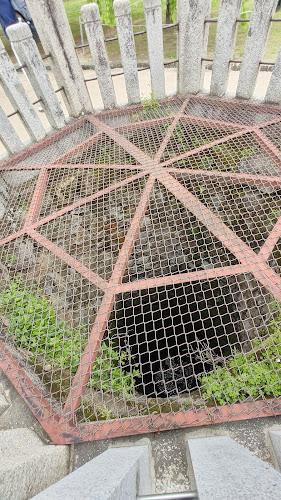
Okiku Well

Himeji Central Park
Find Accommodations Nearby
Recommended Tours & Activities
Visitor Reviews
There are no reviews yet. Be the first one to write one.
Share Your Experience
Have you visited Princess Sen Sedentary Statue? Help other travelers by leaving a review.