
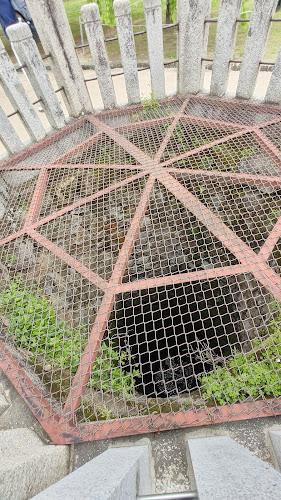
Okiku Well
About Okiku Well
Description
The Okiku Well stands as one of Japan's most intriguing historical landmarks, wrapped in centuries of ghost stories and folklore that continue to captivate visitors from around the world. Located at Himeji Castle in Hyogo Prefecture, this unassuming stone well tells the haunting tale of Okiku, a servant girl whose tragic fate has become one of Japan's most famous kaidan, or ghost stories. According to the legend dating back to the 16th century, Okiku was a beautiful servant working at Himeji Castle who became the victim of a terrible injustice. The story goes that she was falsely accused of losing one of ten precious plates belonging to her master. As punishment for this alleged crime, she was tortured and eventually thrown down the well where she met her tragic end. Since then, locals and visitors have reported hearing the ghostly counting of plates emanating from the well's depths – ichi, ni, san – the voice growing more anguished as it reaches nine, never quite making it to ten. Now, I'll be honest with you – when I first learned about this place, I thought it might be just another tourist trap capitalizing on a spooky story. But there's something genuinely affecting about standing beside this ancient well. The atmosphere around it carries weight, whether you believe in ghosts or not. It's one of those places where history feels tangible, where you can almost sense the centuries of stories soaked into the stones. The well itself remains remarkably well-preserved, a testament to Japanese craftsmanship and the cultural significance placed on maintaining historical sites. Visitors will find it situated within the castle grounds, marked clearly for those seeking it out. While the well is relatively small compared to other attractions at Himeji Castle, its cultural impact far exceeds its physical dimensions. It represents a darker chapter of feudal Japan, when servants lived at the mercy of their masters and justice wasn't always just. What makes the Okiku Well particularly fascinating is how it bridges the gap between historical reality and folklore. While we can't verify every detail of Okiku's story, the well genuinely dates back to the castle's original construction period, and similar tales of injustice toward servants were unfortunately common during that era. The legend has inspired countless plays, books, films, and even influenced the famous horror movie "The Ring" – though that's a connection many Western visitors don't realize until they dig deeper into Japanese horror culture.Key Features
The Okiku Well offers several distinctive elements that make it worth seeking out during your visit to Himeji Castle: • Authentic Historical Structure – This isn't a recreation or replica. You're looking at an actual well from feudal Japan that has witnessed centuries of history, making it a genuine connection to the past. • Cultural Significance – The site represents one of Japan's most enduring ghost stories, offering insight into Japanese folklore traditions and how these tales reflect societal values and fears throughout history. • Atmospheric Setting – The well's location within Himeji Castle grounds provides a contemplative space away from the busier tourist areas, perfect for reflection and photography. • Educational Value – Informational plaques (with English translations) explain both the legend and the historical context, helping visitors understand the social dynamics of feudal Japan. • Photography Opportunities – The ancient stonework, traditional architecture, and castle backdrop create compelling photo compositions that capture Japan's historical essence. • Family-Friendly Attraction – Despite its spooky reputation, the well is perfectly suitable for children and families, offering a chance to introduce younger travelers to Japanese folklore in an accessible way. • Integration with Castle Tour – Visiting the well naturally complements a tour of Himeji Castle, one of Japan's most spectacular UNESCO World Heritage sites, creating a fuller historical experience.Best Time to Visit
Timing your visit to the Okiku Well requires some strategic thinking, especially since it's part of the larger Himeji Castle complex. The castle grounds see significant seasonal variation in visitor numbers, which directly affects your experience at the well. Spring, particularly during cherry blossom season from late March through early April, brings massive crowds to Himeji Castle. While the blooming sakura trees create an undeniably beautiful backdrop, you might find yourself jostling for position to peer into the well or take photos. And let me tell you, there's something almost comical about trying to contemplate a tragic ghost story while surrounded by selfie sticks and tour groups. That said, if you can visit early morning during this season – I'm talking opening time or shortly after – you'll experience something magical: the contrast between delicate pink blossoms and the dark historical weight of the well creates an unforgettable atmosphere. Autumn, from mid-October through November, offers what many consider the ideal visiting window. The weather stays comfortable, the crowds thin out compared to spring, and the fall foliage provides gorgeous natural framing for your visit. The slightly cooler temperatures also seem fitting for exploring a site with such a melancholic history. There's something about autumn's contemplative quality that matches the well's somber story perfectly. Summer months (June through August) see fewer international tourists, but be prepared for intense heat and humidity that can make walking around castle grounds pretty uncomfortable. However, if you don't mind the weather, this season offers shorter wait times and easier access. Plus, visiting a stone well on a hot summer day has its own atmospheric quality – the cool darkness of the well shaft provides contrast to the blazing sun. Winter presents an interesting option for hardy travelers. January and February bring cold temperatures but also the smallest crowds. The bare trees and gray skies actually enhance the eerie quality of the well's legend. If you're chasing that authentic spooky atmosphere, winter mornings deliver. For the absolute best experience, I'd recommend visiting on weekday mornings during October or November, arriving right when the castle opens. This timing gives you quality time with the site before tour groups arrive, and the autumn light creates perfect conditions for photography and reflection.How to Get There
Getting to the Okiku Well means first reaching Himeji Castle, which fortunately ranks among Japan's most accessible historical sites. The journey varies depending on your starting point, but most travelers begin from major cities like Osaka, Kyoto, or Kobe. From Tokyo, the Shinkansen bullet train offers the fastest route, taking approximately three hours to Himeji Station on the Tokaido-Sanyo line. Yes, it's a bit of a journey, but honestly, the train ride through Japan's countryside makes it worthwhile. From Osaka or Kyoto, you're looking at roughly an hour by limited express train, making the Okiku Well easily doable as a day trip. Once you arrive at Himeji Station, here's where it gets beautifully straightforward – you can actually see Himeji Castle from the station's north exit. The iconic white castle rises above the cityscape, serving as your navigation beacon. From the station, it's about a 15-20 minute walk straight down Otemae-dori Avenue, a pleasant tree-lined street that builds anticipation as the castle grows larger with each step. If walking doesn't appeal after your train journey, buses run regularly from the station to the castle grounds. Look for buses at stop number 6, 7, or 8 outside the north exit. The ride takes maybe five minutes and costs around 100 yen, though honestly, unless you have mobility concerns, walking lets you appreciate the approach to this magnificent castle. After entering Himeji Castle grounds and purchasing your admission ticket (required for castle access), you'll need to navigate to the well's location. Don't worry – signage throughout the castle complex includes English directions. The well sits in a relatively quiet corner of the grounds, away from the main keep where most crowds congregate. Follow signs toward the outer defensive structures, and you'll find clearly marked paths leading to Okiku's Well. Most visitors spend so much time photographing the main castle that they breeze past the well, which works in your favor if you're seeking a more contemplative experience. For international travelers, I strongly recommend getting a JR Pass if you're planning multiple destinations across Japan. The pass covers your Shinkansen fare to Himeji, making it incredibly cost-effective for anyone visiting multiple cities.Tips for Visiting
Making the most of your visit to the Okiku Well requires some insider knowledge that guidebooks don't always cover. Let me share what I've learned from both research and talking with travelers who've been there. First off, combine your well visit with a thorough exploration of Himeji Castle – they're inseparable anyway since the well sits on castle grounds. But here's the thing: most visitors do this backward. They exhaust themselves climbing through the castle's steep staircases and narrow passages, then rush past the well on their way out. Instead, visit the well first when you're fresh and can appreciate its atmosphere. The main castle will still be there afterward, and you'll have given proper attention to both. Download or purchase an English guidebook about the Okiku legend before your visit. Understanding the full story – including its various versions and cultural significance – makes standing beside the actual well far more meaningful. And yeah, there are several versions of the tale floating around, which honestly makes it more interesting because you can see how folklore evolves through retelling. Bring a good camera, but resist the urge to spend your entire visit looking through a viewfinder. The well's modest size means you'll capture its essence in a few shots. After that, put the camera down and just exist in the space for a bit. I know it sounds cheesy, but there's value in being present at historical sites rather than experiencing them entirely through screens. Wear comfortable walking shoes – this cannot be stressed enough. The castle grounds involve plenty of walking, and traditional Japanese castle architecture means steep, slippery staircases. Those cute sandals you wore in Tokyo? Leave them at your hotel. If you're visiting with children, prepare them for the legend beforehand in an age-appropriate way. The story offers a great opportunity to discuss history, folklore, and Japanese culture, but younger kids might find the ghost story aspect genuinely frightening. Gauge your own children's sensitivities. Check weather forecasts and prepare accordingly. The well area offers limited shelter, so rain gear matters during Japan's rainy season (June-July). Similarly, summer visits demand sun protection, water bottles, and realistic expectations about heat exposure. Respect the site's cultural significance. While the well has become somewhat of a tourist attraction, it represents a tragic story and holds genuine spiritual meaning for many Japanese visitors. Keep noise levels reasonable, and if you see locals praying or making offerings, give them space and privacy. Plan at least three hours for a combined castle and well visit, though four hours allows for a more relaxed pace. Rushing through diminishes the experience significantly. Finally, consider visiting the nearby Koko-en Garden after exploring the well and castle. This traditional Japanese garden provides a peaceful decompression space after absorbing the heavier historical atmosphere of Okiku's story. Sometimes you need that palate cleanser, you know? The Okiku Well may not be the largest or most famous attraction in Himeji, but it offers something increasingly rare in our modern world – a genuine connection to historical folklore that has survived centuries through cultural memory and storytelling tradition. Whether you believe in ghosts or not, standing beside this ancient well provides perspective on how stories shape culture and how tragedy can transcend time to teach us about humanity's capacity for both cruelty and compassion.Key Features
- Stone-lined octagonal well associated with the Banshu Sarayashiki (Okiku) legend
- Located within Himeji Castle grounds near the East Bailey and castle walls
- Historical plaques and interpretive signage explaining the legend
- Photogenic views of castle architecture and nearby turrets
- Close connection to kabuki and other traditional Japanese performing arts
More Details
Updated March 30, 2026
Table of Contents
Description
The Okiku Well stands as one of Japan’s most intriguing historical landmarks, wrapped in centuries of ghost stories and folklore that continue to captivate visitors from around the world. Located at Himeji Castle in Hyogo Prefecture, this unassuming stone well tells the haunting tale of Okiku, a servant girl whose tragic fate has become one of Japan’s most famous kaidan, or ghost stories.
According to the legend dating back to the 16th century, Okiku was a beautiful servant working at Himeji Castle who became the victim of a terrible injustice. The story goes that she was falsely accused of losing one of ten precious plates belonging to her master. As punishment for this alleged crime, she was tortured and eventually thrown down the well where she met her tragic end. Since then, locals and visitors have reported hearing the ghostly counting of plates emanating from the well’s depths – ichi, ni, san – the voice growing more anguished as it reaches nine, never quite making it to ten.
Now, I’ll be honest with you – when I first learned about this place, I thought it might be just another tourist trap capitalizing on a spooky story. But there’s something genuinely affecting about standing beside this ancient well. The atmosphere around it carries weight, whether you believe in ghosts or not. It’s one of those places where history feels tangible, where you can almost sense the centuries of stories soaked into the stones.
The well itself remains remarkably well-preserved, a testament to Japanese craftsmanship and the cultural significance placed on maintaining historical sites. Visitors will find it situated within the castle grounds, marked clearly for those seeking it out. While the well is relatively small compared to other attractions at Himeji Castle, its cultural impact far exceeds its physical dimensions. It represents a darker chapter of feudal Japan, when servants lived at the mercy of their masters and justice wasn’t always just.
What makes the Okiku Well particularly fascinating is how it bridges the gap between historical reality and folklore. While we can’t verify every detail of Okiku’s story, the well genuinely dates back to the castle’s original construction period, and similar tales of injustice toward servants were unfortunately common during that era. The legend has inspired countless plays, books, films, and even influenced the famous horror movie “The Ring” – though that’s a connection many Western visitors don’t realize until they dig deeper into Japanese horror culture.
Key Features
The Okiku Well offers several distinctive elements that make it worth seeking out during your visit to Himeji Castle:
• Authentic Historical Structure – This isn’t a recreation or replica. You’re looking at an actual well from feudal Japan that has witnessed centuries of history, making it a genuine connection to the past.
• Cultural Significance – The site represents one of Japan’s most enduring ghost stories, offering insight into Japanese folklore traditions and how these tales reflect societal values and fears throughout history.
• Atmospheric Setting – The well’s location within Himeji Castle grounds provides a contemplative space away from the busier tourist areas, perfect for reflection and photography.
• Educational Value – Informational plaques (with English translations) explain both the legend and the historical context, helping visitors understand the social dynamics of feudal Japan.
• Photography Opportunities – The ancient stonework, traditional architecture, and castle backdrop create compelling photo compositions that capture Japan’s historical essence.
• Family-Friendly Attraction – Despite its spooky reputation, the well is perfectly suitable for children and families, offering a chance to introduce younger travelers to Japanese folklore in an accessible way.
• Integration with Castle Tour – Visiting the well naturally complements a tour of Himeji Castle, one of Japan’s most spectacular UNESCO World Heritage sites, creating a fuller historical experience.
Best Time to Visit
Timing your visit to the Okiku Well requires some strategic thinking, especially since it’s part of the larger Himeji Castle complex. The castle grounds see significant seasonal variation in visitor numbers, which directly affects your experience at the well.
Spring, particularly during cherry blossom season from late March through early April, brings massive crowds to Himeji Castle. While the blooming sakura trees create an undeniably beautiful backdrop, you might find yourself jostling for position to peer into the well or take photos. And let me tell you, there’s something almost comical about trying to contemplate a tragic ghost story while surrounded by selfie sticks and tour groups. That said, if you can visit early morning during this season – I’m talking opening time or shortly after – you’ll experience something magical: the contrast between delicate pink blossoms and the dark historical weight of the well creates an unforgettable atmosphere.
Autumn, from mid-October through November, offers what many consider the ideal visiting window. The weather stays comfortable, the crowds thin out compared to spring, and the fall foliage provides gorgeous natural framing for your visit. The slightly cooler temperatures also seem fitting for exploring a site with such a melancholic history. There’s something about autumn’s contemplative quality that matches the well’s somber story perfectly.
Summer months (June through August) see fewer international tourists, but be prepared for intense heat and humidity that can make walking around castle grounds pretty uncomfortable. However, if you don’t mind the weather, this season offers shorter wait times and easier access. Plus, visiting a stone well on a hot summer day has its own atmospheric quality – the cool darkness of the well shaft provides contrast to the blazing sun.
Winter presents an interesting option for hardy travelers. January and February bring cold temperatures but also the smallest crowds. The bare trees and gray skies actually enhance the eerie quality of the well’s legend. If you’re chasing that authentic spooky atmosphere, winter mornings deliver.
For the absolute best experience, I’d recommend visiting on weekday mornings during October or November, arriving right when the castle opens. This timing gives you quality time with the site before tour groups arrive, and the autumn light creates perfect conditions for photography and reflection.
How to Get There
Getting to the Okiku Well means first reaching Himeji Castle, which fortunately ranks among Japan’s most accessible historical sites. The journey varies depending on your starting point, but most travelers begin from major cities like Osaka, Kyoto, or Kobe.
From Tokyo, the Shinkansen bullet train offers the fastest route, taking approximately three hours to Himeji Station on the Tokaido-Sanyo line. Yes, it’s a bit of a journey, but honestly, the train ride through Japan’s countryside makes it worthwhile. From Osaka or Kyoto, you’re looking at roughly an hour by limited express train, making the Okiku Well easily doable as a day trip.
Once you arrive at Himeji Station, here’s where it gets beautifully straightforward – you can actually see Himeji Castle from the station’s north exit. The iconic white castle rises above the cityscape, serving as your navigation beacon. From the station, it’s about a 15-20 minute walk straight down Otemae-dori Avenue, a pleasant tree-lined street that builds anticipation as the castle grows larger with each step.
If walking doesn’t appeal after your train journey, buses run regularly from the station to the castle grounds. Look for buses at stop number 6, 7, or 8 outside the north exit. The ride takes maybe five minutes and costs around 100 yen, though honestly, unless you have mobility concerns, walking lets you appreciate the approach to this magnificent castle.
After entering Himeji Castle grounds and purchasing your admission ticket (required for castle access), you’ll need to navigate to the well’s location. Don’t worry – signage throughout the castle complex includes English directions. The well sits in a relatively quiet corner of the grounds, away from the main keep where most crowds congregate. Follow signs toward the outer defensive structures, and you’ll find clearly marked paths leading to Okiku’s Well. Most visitors spend so much time photographing the main castle that they breeze past the well, which works in your favor if you’re seeking a more contemplative experience.
For international travelers, I strongly recommend getting a JR Pass if you’re planning multiple destinations across Japan. The pass covers your Shinkansen fare to Himeji, making it incredibly cost-effective for anyone visiting multiple cities.
Tips for Visiting
Making the most of your visit to the Okiku Well requires some insider knowledge that guidebooks don’t always cover. Let me share what I’ve learned from both research and talking with travelers who’ve been there.
First off, combine your well visit with a thorough exploration of Himeji Castle – they’re inseparable anyway since the well sits on castle grounds. But here’s the thing: most visitors do this backward. They exhaust themselves climbing through the castle’s steep staircases and narrow passages, then rush past the well on their way out. Instead, visit the well first when you’re fresh and can appreciate its atmosphere. The main castle will still be there afterward, and you’ll have given proper attention to both.
Download or purchase an English guidebook about the Okiku legend before your visit. Understanding the full story – including its various versions and cultural significance – makes standing beside the actual well far more meaningful. And yeah, there are several versions of the tale floating around, which honestly makes it more interesting because you can see how folklore evolves through retelling.
Bring a good camera, but resist the urge to spend your entire visit looking through a viewfinder. The well’s modest size means you’ll capture its essence in a few shots. After that, put the camera down and just exist in the space for a bit. I know it sounds cheesy, but there’s value in being present at historical sites rather than experiencing them entirely through screens.
Wear comfortable walking shoes – this cannot be stressed enough. The castle grounds involve plenty of walking, and traditional Japanese castle architecture means steep, slippery staircases. Those cute sandals you wore in Tokyo? Leave them at your hotel.
If you’re visiting with children, prepare them for the legend beforehand in an age-appropriate way. The story offers a great opportunity to discuss history, folklore, and Japanese culture, but younger kids might find the ghost story aspect genuinely frightening. Gauge your own children’s sensitivities.
Check weather forecasts and prepare accordingly. The well area offers limited shelter, so rain gear matters during Japan’s rainy season (June-July). Similarly, summer visits demand sun protection, water bottles, and realistic expectations about heat exposure.
Respect the site’s cultural significance. While the well has become somewhat of a tourist attraction, it represents a tragic story and holds genuine spiritual meaning for many Japanese visitors. Keep noise levels reasonable, and if you see locals praying or making offerings, give them space and privacy.
Plan at least three hours for a combined castle and well visit, though four hours allows for a more relaxed pace. Rushing through diminishes the experience significantly.
Finally, consider visiting the nearby Koko-en Garden after exploring the well and castle. This traditional Japanese garden provides a peaceful decompression space after absorbing the heavier historical atmosphere of Okiku’s story. Sometimes you need that palate cleanser, you know?
The Okiku Well may not be the largest or most famous attraction in Himeji, but it offers something increasingly rare in our modern world – a genuine connection to historical folklore that has survived centuries through cultural memory and storytelling tradition. Whether you believe in ghosts or not, standing beside this ancient well provides perspective on how stories shape culture and how tragedy can transcend time to teach us about humanity’s capacity for both cruelty and compassion.
Key Highlights
- Stone-lined octagonal well associated with the Banshu Sarayashiki (Okiku) legend
- Located within Himeji Castle grounds near the East Bailey and castle walls
- Historical plaques and interpretive signage explaining the legend
- Photogenic views of castle architecture and nearby turrets
- Close connection to kabuki and other traditional Japanese performing arts
Location
Places to Stay Near Okiku Well
Find and Book a Tour
Explore More Travel Guides
No reviews found! Be the first to review!
Okiku Well is a prominent attractions located in Himeji.
Visit us at: 68 Honmachi, Himeji, Hyogo 670-0012, Japan.
Traveler Reviews for Okiku Well
There are no reviews yet. Be the first one to write one.
Have you visited Okiku Well? Help other travelers by sharing your review.
Nearby Attractions
You Might Also Like
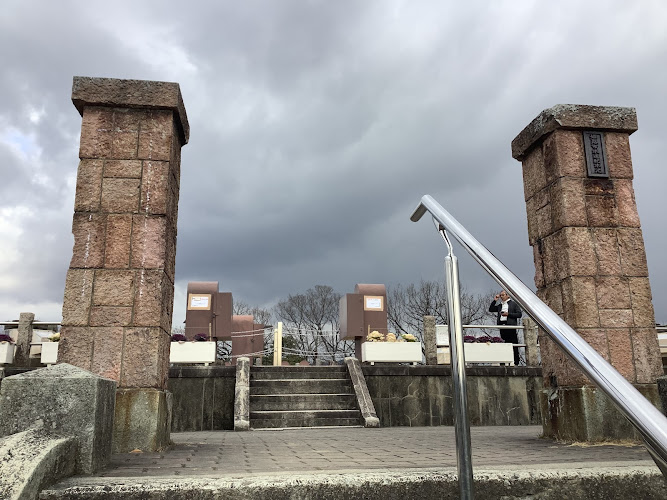
Otokoyama Haisui'ike Park (Water Reservoir Park)
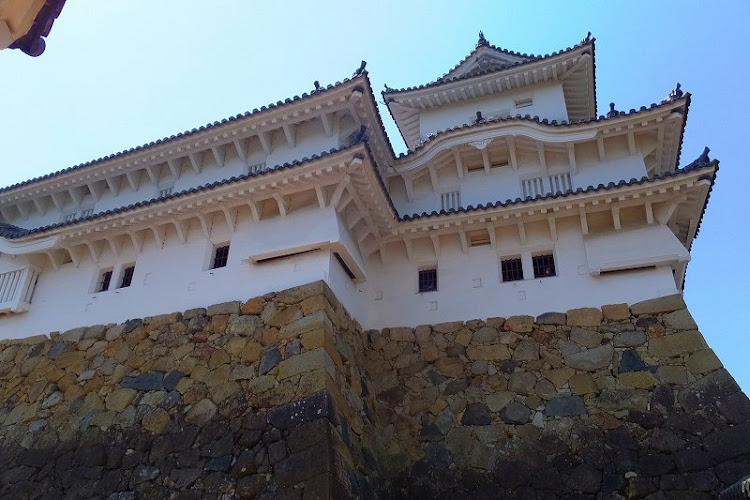
Himeji Castle Mizu no Ichimon (First Water Gate)

Main Keep of Himeji Castle
Find Accommodations Nearby
Recommended Tours & Activities
Visitor Reviews
There are no reviews yet. Be the first one to write one.
Share Your Experience
Have you visited Okiku Well? Help other travelers by leaving a review.