Himeji Castle Mizu no Ichimon (First Water Gate)
About Himeji Castle Mizu no Ichimon (First Water Gate)
Description
The Mizu no Ichimon, or First Water Gate, stands as one of Himeji Castle's most fascinating yet often overlooked architectural elements. Built around 1601 during the castle's major reconstruction under daimyo Ikeda Terumasa, this gate served as a critical defensive position within the castle's elaborate maze-like fortification system. Unlike the more celebrated main keep that dominates photographs and postcards, the First Water Gate represents the practical genius of feudal Japanese military architecture. When you first approach this gate, you'll notice how it doesn't immediately announce itself with grandeur. That's intentional. The samurai architects who designed Himeji Castle's defenses weren't interested in showing off—they were interested in stopping enemies cold. And the Mizu no Ichimon played its part perfectly in that deadly chess game. What makes this gate particularly interesting is its position within the castle's water-based defensive network. The name itself—"Water Gate"—hints at its strategic importance in controlling access to crucial water supplies during potential sieges. Water was literally life or death in feudal warfare, and controlling these access points meant controlling whether a castle could withstand months of enemy encirclement. I remember the first time I walked through this area, I almost missed it entirely. That's the thing about Himeji Castle—the famous White Heron exterior gets all the attention, but the real stories hide in places like the First Water Gate. The worn stone foundations and timber framework speak to centuries of history that most visitors rush past on their way to snap photos of the main tower. The gate functions as part of the castle's intricate system of baileys and defensive walls. Attackers attempting to breach Himeji Castle would find themselves channeled through narrow passages, exposed to arrow fire from multiple angles, and constantly confused by dead ends and switchbacks. The Mizu no Ichimon was one piece of this elaborate puzzle designed to frustrate and eliminate invaders.Key Features
- Original 1601 Construction Elements: Parts of the gate retain authentic materials from the Edo period reconstruction, offering a genuine connection to 17th-century craftsmanship
- Strategic Positioning: The gate's location within the castle's defensive network demonstrates sophisticated military planning, with sight lines carefully calculated for maximum defensive advantage
- Traditional Joinery Techniques: The wooden structural elements showcase traditional Japanese carpentry methods that used no nails, relying instead on precision-cut joints that have lasted over four centuries
- Stone Foundation Work: Massive stone blocks form the gate's foundation, positioned using techniques that have withstood numerous earthquakes throughout the centuries
- Defensive Architecture: The gate's design includes features like slots for dropping stones or boiling liquids on attackers below, though thankfully these were never used in actual combat
- Water Access Control: The gate's proximity to water sources within the castle complex highlights its role in protecting one of the garrison's most vital resources
- Narrow Passage Design: The confined space through the gate forced attackers into single-file movement, eliminating numerical advantages
- Interconnected Defense System: The gate connects to surrounding walls and secondary defensive positions, creating overlapping fields of fire
Best Time to Visit
Here's where I'll be honest with you—timing your visit to the Mizu no Ichimon matters more than you might think. Most guidebooks focus on seasonal considerations for the main castle grounds, but if you want to truly appreciate this particular feature, you need to think differently. Early mornings, particularly on weekdays, offer the best experience. The castle opens at 9 AM, and if you arrive within that first hour, you'll have significantly fewer crowds obscuring your view and interrupting your contemplation of the space. But morning light also does something special here—it angles through the gate structure in ways that afternoon sun doesn't, highlighting the texture of ancient timbers and stone. Late autumn, specifically November, provides ideal conditions. The summer humidity has broken, making the walk through the castle grounds comfortable, and the lower angle of autumn sunlight creates dramatic shadows that help you understand the three-dimensional complexity of the gate's design. Plus, the crowds thin out considerably after the peak fall foliage season ends in early November. Winter months from December through February offer another advantage—minimal crowds and crisp, clear air that's perfect for photography and detailed observation. Yes, it gets cold, but you'll practically have the place to yourself. I've visited in January before and felt like I had private access to a UNESCO World Heritage Site. Spring brings cherry blossoms and massive crowds. If you're visiting during sakura season in late March or early April, plan to arrive right at opening time. The crowds build rapidly, and by mid-morning, you'll be shuffling through with hundreds of other visitors, making it difficult to pause and really examine architectural details. Summer works if you must visit then, but be prepared for heat and humidity that can be genuinely uncomfortable. The stone and wood of the castle complex seem to radiate heat in July and August. Early morning visits become almost mandatory during these months. Rain actually creates interesting opportunities at the Mizu no Ichimon. The wet stones take on deeper colors, and the atmospheric quality adds a certain feudal authenticity to the experience. Just watch your footing on the potentially slippery surfaces.How to Get There
Getting to the Mizu no Ichimon means first getting to Himeji Castle itself, which is actually refreshingly straightforward compared to many historical sites in Japan. The castle sits in Himeji city in Hyogo Prefecture, making it accessible as a day trip from major cities or as a destination in its own right. From Kyoto, take the JR Tokaido-Sanyo Shinkansen line to Himeji Station. The journey takes roughly 45 minutes on the fastest trains and costs around 3,000-4,000 yen for a non-reserved seat. From Osaka, the same Shinkansen line gets you there in about 30 minutes. If you hold a JR Pass, these rides are covered, making this an economical stop on a longer Japan itinerary. Once at Himeji Station, the castle is visible straight ahead down the main road—you literally can't miss it. The walk takes approximately 15-20 minutes along a straightforward route. Alternatively, buses depart from the station's north exit, though honestly, the walk is pleasant and gives you time to appreciate the castle's imposing presence as you approach. After entering the castle grounds and purchasing your ticket at the main entrance, you'll follow the designated visitor route through the complex. The Mizu no Ichimon sits along the path through the castle's inner defensive layers. Pay attention to English signage, though it can be limited in some areas. A detailed map provided at the entrance helps orient you. The route through the castle isn't wheelchair accessible at many points, including the area around the First Water Gate. Steep steps, uneven surfaces, and narrow passages characterize much of the inner castle areas. This reflects the authentic preservation of 17th-century construction, but it does present accessibility challenges.Tips for Visiting
Wear proper footwear—and I can't stress this enough. You'll be walking on uneven stone surfaces, climbing stairs, and navigating passages that have worn smooth over centuries. Fashionable but slippery shoes will make your visit miserable and potentially dangerous. Comfortable walking shoes with good grip are non-negotiable. Bring a detailed guidebook or download information before your visit. English signage at the Mizu no Ichimon and surrounding features is minimal. Without context, you might walk right past without understanding what you're seeing. Several good English-language guides to Himeji Castle provide the historical and architectural context that transforms the visit from simple sightseeing into genuine understanding. Photography is permitted, but the lighting can be tricky around the gate structures. The contrast between bright exterior spaces and shadowed gate passages challenges camera sensors. If you're serious about photography, consider visiting twice during your stay—once in morning light and once in afternoon—to capture different angles and lighting conditions. Take your time. Most visitors rush through the castle grounds focused on reaching the main keep. The Mizu no Ichimon and similar features deserve more than a passing glance. Budget at least 2-3 hours for a thorough castle visit that includes time to observe and appreciate the defensive architecture. Visit the castle museum or information center before exploring the grounds if possible. Background knowledge about the castle's construction, defensive philosophy, and historical context makes features like the First Water Gate much more meaningful. You'll spot details and understand significance that would otherwise remain invisible. Consider hiring a local guide if you're particularly interested in military architecture or feudal Japanese history. While this adds cost to your visit, knowledgeable guides can point out features and explain strategic concepts that aren't obvious to casual observers. The castle occasionally offers volunteer guides with English capability. Watch your head and mind your step throughout the castle. Passages were built for people who were, on average, shorter than modern visitors, and defenders didn't care about creating convenient access for tourists. Low beams and sudden steps are everywhere. Avoid visiting during Japanese national holidays if at all possible. Golden Week in late April/early May and the Obon period in mid-August bring domestic crowds that can make detailed observation of specific features nearly impossible. Bring water, especially in warmer months. While there are vending machines near the castle, they're not conveniently located once you're deep into the castle complex. Dehydration sneaks up on you when you're focused on exploring. The castle grounds close at 5 PM (4 PM in winter months), with last entry one hour before closing. Plan accordingly, especially if you want adequate time at features like the Mizu no Ichimon that sit deeper within the complex.Key Features
- Part of Himeji Castle’s layered defensive system dating to early 1600s reconstruction
- Located adjacent to historic water channels used for defense and supply
- Well-preserved stonework and timber fittings showing functional castle architecture
- Narrow passage and embrasures illustrating tactical design to slow and expose attackers
- Quiet, less-crowded vantage point for viewing castle walls and photographing details
More Details
Updated March 30, 2026
Table of Contents
- Description
- Key Features
- Best Time to Visit
- How to Get There
- Tips for Visiting
- Key Highlights
- Location
- Places to Stay Near Himeji Castle Mizu no Ichimon (First Water Gate)
- Find and Book a Tour
- Explore More Travel Guides
- Nearby Places You Might Like
- Traveler Reviews for Himeji Castle Mizu no Ichimon (First Water Gate)
- Share Your Experience
Description
The Mizu no Ichimon, or First Water Gate, stands as one of Himeji Castle’s most fascinating yet often overlooked architectural elements. Built around 1601 during the castle’s major reconstruction under daimyo Ikeda Terumasa, this gate served as a critical defensive position within the castle’s elaborate maze-like fortification system. Unlike the more celebrated main keep that dominates photographs and postcards, the First Water Gate represents the practical genius of feudal Japanese military architecture.
When you first approach this gate, you’ll notice how it doesn’t immediately announce itself with grandeur. That’s intentional. The samurai architects who designed Himeji Castle’s defenses weren’t interested in showing off—they were interested in stopping enemies cold. And the Mizu no Ichimon played its part perfectly in that deadly chess game.
What makes this gate particularly interesting is its position within the castle’s water-based defensive network. The name itself—”Water Gate”—hints at its strategic importance in controlling access to crucial water supplies during potential sieges. Water was literally life or death in feudal warfare, and controlling these access points meant controlling whether a castle could withstand months of enemy encirclement.
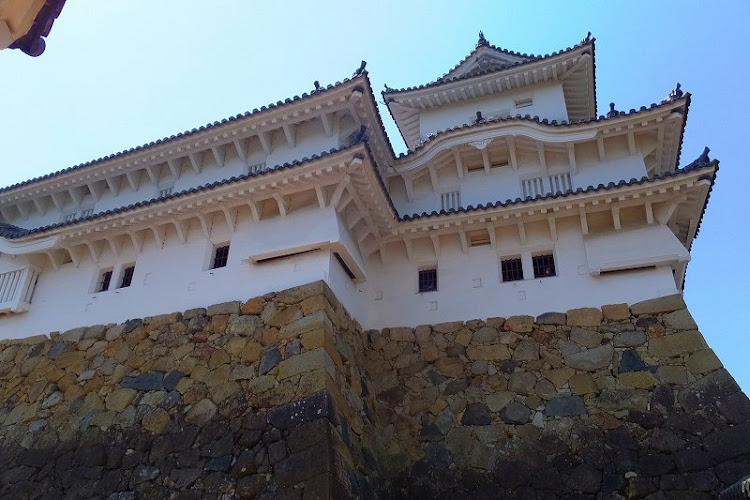
I remember the first time I walked through this area, I almost missed it entirely. That’s the thing about Himeji Castle—the famous White Heron exterior gets all the attention, but the real stories hide in places like the First Water Gate. The worn stone foundations and timber framework speak to centuries of history that most visitors rush past on their way to snap photos of the main tower.
The gate functions as part of the castle’s intricate system of baileys and defensive walls. Attackers attempting to breach Himeji Castle would find themselves channeled through narrow passages, exposed to arrow fire from multiple angles, and constantly confused by dead ends and switchbacks. The Mizu no Ichimon was one piece of this elaborate puzzle designed to frustrate and eliminate invaders.
Key Features
- Original 1601 Construction Elements: Parts of the gate retain authentic materials from the Edo period reconstruction, offering a genuine connection to 17th-century craftsmanship
- Strategic Positioning: The gate’s location within the castle’s defensive network demonstrates sophisticated military planning, with sight lines carefully calculated for maximum defensive advantage
- Traditional Joinery Techniques: The wooden structural elements showcase traditional Japanese carpentry methods that used no nails, relying instead on precision-cut joints that have lasted over four centuries
- Stone Foundation Work: Massive stone blocks form the gate’s foundation, positioned using techniques that have withstood numerous earthquakes throughout the centuries
- Defensive Architecture: The gate’s design includes features like slots for dropping stones or boiling liquids on attackers below, though thankfully these were never used in actual combat
- Water Access Control: The gate’s proximity to water sources within the castle complex highlights its role in protecting one of the garrison’s most vital resources
- Narrow Passage Design: The confined space through the gate forced attackers into single-file movement, eliminating numerical advantages
- Interconnected Defense System: The gate connects to surrounding walls and secondary defensive positions, creating overlapping fields of fire
Best Time to Visit
Here’s where I’ll be honest with you—timing your visit to the Mizu no Ichimon matters more than you might think. Most guidebooks focus on seasonal considerations for the main castle grounds, but if you want to truly appreciate this particular feature, you need to think differently.
Early mornings, particularly on weekdays, offer the best experience. The castle opens at 9 AM, and if you arrive within that first hour, you’ll have significantly fewer crowds obscuring your view and interrupting your contemplation of the space. But morning light also does something special here—it angles through the gate structure in ways that afternoon sun doesn’t, highlighting the texture of ancient timbers and stone.
Late autumn, specifically November, provides ideal conditions. The summer humidity has broken, making the walk through the castle grounds comfortable, and the lower angle of autumn sunlight creates dramatic shadows that help you understand the three-dimensional complexity of the gate’s design. Plus, the crowds thin out considerably after the peak fall foliage season ends in early November.
Winter months from December through February offer another advantage—minimal crowds and crisp, clear air that’s perfect for photography and detailed observation. Yes, it gets cold, but you’ll practically have the place to yourself. I’ve visited in January before and felt like I had private access to a UNESCO World Heritage Site.
Spring brings cherry blossoms and massive crowds. If you’re visiting during sakura season in late March or early April, plan to arrive right at opening time. The crowds build rapidly, and by mid-morning, you’ll be shuffling through with hundreds of other visitors, making it difficult to pause and really examine architectural details.
Summer works if you must visit then, but be prepared for heat and humidity that can be genuinely uncomfortable. The stone and wood of the castle complex seem to radiate heat in July and August. Early morning visits become almost mandatory during these months.
Rain actually creates interesting opportunities at the Mizu no Ichimon. The wet stones take on deeper colors, and the atmospheric quality adds a certain feudal authenticity to the experience. Just watch your footing on the potentially slippery surfaces.
How to Get There
Getting to the Mizu no Ichimon means first getting to Himeji Castle itself, which is actually refreshingly straightforward compared to many historical sites in Japan. The castle sits in Himeji city in Hyogo Prefecture, making it accessible as a day trip from major cities or as a destination in its own right.
From Kyoto, take the JR Tokaido-Sanyo Shinkansen line to Himeji Station. The journey takes roughly 45 minutes on the fastest trains and costs around 3,000-4,000 yen for a non-reserved seat. From Osaka, the same Shinkansen line gets you there in about 30 minutes. If you hold a JR Pass, these rides are covered, making this an economical stop on a longer Japan itinerary.
Once at Himeji Station, the castle is visible straight ahead down the main road—you literally can’t miss it. The walk takes approximately 15-20 minutes along a straightforward route. Alternatively, buses depart from the station’s north exit, though honestly, the walk is pleasant and gives you time to appreciate the castle’s imposing presence as you approach.
After entering the castle grounds and purchasing your ticket at the main entrance, you’ll follow the designated visitor route through the complex. The Mizu no Ichimon sits along the path through the castle’s inner defensive layers. Pay attention to English signage, though it can be limited in some areas. A detailed map provided at the entrance helps orient you.
The route through the castle isn’t wheelchair accessible at many points, including the area around the First Water Gate. Steep steps, uneven surfaces, and narrow passages characterize much of the inner castle areas. This reflects the authentic preservation of 17th-century construction, but it does present accessibility challenges.
Tips for Visiting
Wear proper footwear—and I can’t stress this enough. You’ll be walking on uneven stone surfaces, climbing stairs, and navigating passages that have worn smooth over centuries. Fashionable but slippery shoes will make your visit miserable and potentially dangerous. Comfortable walking shoes with good grip are non-negotiable.
Bring a detailed guidebook or download information before your visit. English signage at the Mizu no Ichimon and surrounding features is minimal. Without context, you might walk right past without understanding what you’re seeing. Several good English-language guides to Himeji Castle provide the historical and architectural context that transforms the visit from simple sightseeing into genuine understanding.
Photography is permitted, but the lighting can be tricky around the gate structures. The contrast between bright exterior spaces and shadowed gate passages challenges camera sensors. If you’re serious about photography, consider visiting twice during your stay—once in morning light and once in afternoon—to capture different angles and lighting conditions.
Take your time. Most visitors rush through the castle grounds focused on reaching the main keep. The Mizu no Ichimon and similar features deserve more than a passing glance. Budget at least 2-3 hours for a thorough castle visit that includes time to observe and appreciate the defensive architecture.
Visit the castle museum or information center before exploring the grounds if possible. Background knowledge about the castle’s construction, defensive philosophy, and historical context makes features like the First Water Gate much more meaningful. You’ll spot details and understand significance that would otherwise remain invisible.
Consider hiring a local guide if you’re particularly interested in military architecture or feudal Japanese history. While this adds cost to your visit, knowledgeable guides can point out features and explain strategic concepts that aren’t obvious to casual observers. The castle occasionally offers volunteer guides with English capability.
Watch your head and mind your step throughout the castle. Passages were built for people who were, on average, shorter than modern visitors, and defenders didn’t care about creating convenient access for tourists. Low beams and sudden steps are everywhere.
Avoid visiting during Japanese national holidays if at all possible. Golden Week in late April/early May and the Obon period in mid-August bring domestic crowds that can make detailed observation of specific features nearly impossible.
Bring water, especially in warmer months. While there are vending machines near the castle, they’re not conveniently located once you’re deep into the castle complex. Dehydration sneaks up on you when you’re focused on exploring.
The castle grounds close at 5 PM (4 PM in winter months), with last entry one hour before closing. Plan accordingly, especially if you want adequate time at features like the Mizu no Ichimon that sit deeper within the complex.
Key Highlights
- Part of Himeji Castle’s layered defensive system dating to early 1600s reconstruction
- Located adjacent to historic water channels used for defense and supply
- Well-preserved stonework and timber fittings showing functional castle architecture
- Narrow passage and embrasures illustrating tactical design to slow and expose attackers
- Quiet, less-crowded vantage point for viewing castle walls and photographing details
Location
Places to Stay Near Himeji Castle Mizu no Ichimon (First Water Gate)
Find and Book a Tour
Explore More Travel Guides
No reviews found! Be the first to review!
Himeji Castle Mizu no Ichimon (First Water Gate) is a prominent attractions located in Himeji.
Visit us at: Honmachi, Himeji, Hyogo 670-0012, Japan.
Traveler Reviews for Himeji Castle Mizu no Ichimon (First Water Gate)
There are no reviews yet. Be the first one to write one.
Have you visited Himeji Castle Mizu no Ichimon (First Water Gate)? Help other travelers by sharing your review.
Nearby Attractions
Find Accommodations Nearby
Recommended Tours & Activities
Visitor Reviews
There are no reviews yet. Be the first one to write one.
Share Your Experience
Have you visited Himeji Castle Mizu no Ichimon (First Water Gate)? Help other travelers by leaving a review.
