Himeji City Museum of Literature
About Himeji City Museum of Literature
Description
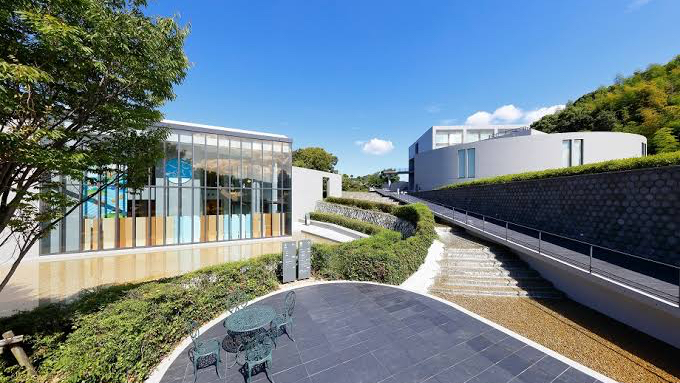
The Himeji City Museum of Literature stands as one of those unexpected architectural gems that catches you completely off guard when you're wandering around the castle town. I remember walking past it for the first time and doing a double-take because the building itself looks like it dropped straight out of a contemporary art magazine. This isn't your grandmother's dusty museum with creaky floors and dim lighting—instead, you get this sleek ultramodern structure that somehow manages to complement rather than clash with the historic surroundings. What makes this place genuinely fascinating is its dual focus on Japanese literary giants and the rich history surrounding Himeji Castle. The museum dedicates its exhibition space to celebrating writers who either hailed from the Harima region or had significant connections to it. And honestly, even if you're not a hardcore literature buff, the interactive exhibits make the whole experience surprisingly engaging. You'll find yourself actually learning about figures like Shimizaki Toson and Waki Yamato without feeling like you're back in school taking notes. The building was designed by architect Ando Tadao, and if that name rings a bell, it's because he's the same genius behind numerous iconic structures across Japan. His signature use of concrete, natural light, and geometric precision is on full display here. The museum opened its doors in 1991 and has since become a must-visit spot for anyone who appreciates the intersection of literature, history, and contemporary architecture. What really sets this museum apart from typical tourist traps is how it manages to make Japanese literature accessible to international visitors. Sure, there's text in Japanese, but the visual elements, artifacts, and interactive components tell stories that transcend language barriers. You don't need to be fluent in Japanese to appreciate a writer's personal manuscripts or understand the cultural context through carefully curated displays.Key Features
- Stunning modern architecture designed by renowned architect Ando Tadao, featuring his signature concrete aesthetic and masterful use of natural lighting throughout the exhibition spaces
- Interactive exhibits that bring Japanese literature to life through multimedia presentations, touchscreens, and hands-on displays that engage visitors of all ages
- Comprehensive collection of materials related to approximately ten notable writers from the Harima region, including original manuscripts, personal belongings, and rare photographs
- Special exhibition space that rotates displays throughout the year, showcasing different aspects of Japanese literary history and contemporary writers
- Dedicated section exploring the cultural and historical significance of Himeji Castle, with artifacts and documents that provide context to the region's feudal past
- Full wheelchair accessibility including entrance ramps, elevators, adapted restrooms, and available wheelchair rentals for visitors who need them
- On-site restaurant where you can grab a bite and discuss what you've just experienced over coffee and light meals
- Completely free parking options including an on-site garage, parking lot, and street parking—a huge bonus considering how parking in Japanese cities can sometimes cost a small fortune
- Family-friendly exhibits that manage to keep children engaged while adults dive deeper into the literary content
- Beautiful outdoor spaces surrounding the museum that provide perfect spots for contemplation or photo opportunities
- Affordable admission prices that won't break your travel budget, especially when compared to similar cultural institutions in larger cities like Tokyo or Osaka
Best Time to Visit
Planning when to visit the Himeji City Museum of Literature can make a real difference in your experience. From my observations and talking to other travelers, weekday mornings are your golden ticket to a more peaceful visit. Most tourists hitting up Himeji are primarily there for the castle, so they tend to rush through their itinerary without allocating much time for the museum. This works in your favor if you arrive right when they open, usually around 10 AM. Spring months from March to May offer the most pleasant weather for your visit, and if you time it right during early April, you might catch the cherry blossoms in full bloom around the museum grounds. The contrast between the pink sakura and the stark modern architecture creates some truly Instagram-worthy moments. But be warned—this is also peak tourist season for Himeji Castle, so expect more crowds in the general area even if the museum itself remains relatively calm. Summer can get brutally hot and humid in this part of Japan, with temperatures climbing into the high 30s Celsius. The good news? The museum's climate-controlled interior provides welcome relief from the sweltering heat outside. If you're visiting during summer months between June and August, consider making the museum an afternoon stop when the sun is at its most intense. Autumn, particularly November, brings another spectacular season to Himeji. The fall foliage transforms the surroundings into a canvas of reds, oranges, and golds. The cooler temperatures make it comfortable to explore both indoor and outdoor spaces at a leisurely pace. Plus, autumn sees fewer tourists compared to spring, giving you more breathing room in the exhibition halls. Winter visits have their own charm, though you'll need to bundle up. January and February see the fewest visitors, which means you might practically have entire sections to yourself. There's something special about contemplating Japanese literature in the quiet stillness of winter, with minimal distractions from other tourists. Try to avoid visiting during major Japanese holidays like Golden Week (late April to early May) or Obon (mid-August) when domestic tourism surges. The museum can get surprisingly packed during these periods, diminishing the contemplative atmosphere that makes this place special.How to Get There
Getting to the Himeji City Museum of Literature is refreshingly straightforward, especially if you're already planning to visit Himeji Castle—which, let's be honest, is probably why you're in town in the first place. The museum sits within comfortable walking distance of both the castle and Himeji Station, making it easy to incorporate into your itinerary. From Himeji Station, you've got a pleasant 15 to 20-minute walk ahead of you. Head north along the main boulevard toward Himeji Castle—you literally can't miss the castle looming in the distance. The museum is located on the northeast side of the castle grounds. Just follow the pedestrian-friendly streets and keep an eye out for signage pointing toward the museum. The walk itself is part of the experience, taking you through the historic castle town atmosphere. If walking isn't your thing or the weather's not cooperating, local buses run regularly from the station to stops near the museum. The Shinki Bus or the Loop Bus both stop within a few minutes' walk of the entrance. A single bus ride costs around 100 yen, which is pocket change compared to what you'd pay for transportation in bigger cities. For those driving, and this is where the museum really shines, parking is completely free. Yes, you read that right—FREE parking in multiple formats. There's an on-site parking garage, a dedicated parking lot, and even free street parking options nearby. If you've been traveling around Japan and getting hit with parking fees everywhere, this feels like winning the lottery. Taxi rides from Himeji Station take about five minutes and shouldn't cost more than 800 to 1000 yen. It's a bit of a waste considering the short distance, but it's there as an option if you're traveling with young kids or have mobility concerns. The museum's excellent accessibility extends to its location and transportation options. Wheelchair users will find the entire journey manageable, from accessible public transportation to smooth sidewalks and ramped entrances.Tips for Visiting
Let me share some practical wisdom that'll help you get the most out of your visit to this literary sanctuary. First off, budget at least 90 minutes to two hours for your visit. I know some guidebooks suggest an hour is enough, but that's if you're just speed-walking through without actually engaging with anything. The interactive exhibits deserve your attention, and rushing through defeats the entire purpose. Download or grab an English guide if available at the entrance. While many exhibits have English explanations, having additional context enhances your understanding tremendously. Don't be shy about asking staff for assistance—they're generally helpful and appreciate visitors showing genuine interest in Japanese literature. Bring a light jacket or cardigan even during summer months. The museum keeps its interior quite cool to preserve the artifacts, and after coming in from the humid heat outside, you might find yourself getting chilly during an extended visit. I learned this the hard way during a July visit when I spent half my time rubbing my arms trying to warm up. Photography policies can be strict regarding certain exhibits, particularly those featuring rare manuscripts or borrowed materials. Always check for signage or ask permission before snapping photos. The architecture and general exhibition spaces are usually fair game, but flash photography is typically prohibited throughout. Plan your visit around meal times if you want to try the on-site restaurant. It's nothing fancy, but it serves decent light meals and excellent coffee. Alternatively, the museum's location means you're never far from other dining options in the surrounding area. There's something nice about discussing what you've just seen over lunch nearby while the impressions are still fresh. The museum shop near the exit stocks unique literary-themed souvenirs that you won't find elsewhere in Himeji. I'm talking beautifully designed notebooks, bookmarks featuring Japanese literary quotes, and reproductions of historical documents. These make for way more meaningful souvenirs than the typical tourist kitsch you'll find elsewhere. Combine your museum visit with Himeji Castle for a full day of cultural immersion. Most people do the castle first then completely skip the museum because they're exhausted. Consider flipping that script—start fresh at the museum when your brain is still capable of absorbing information, then head to the castle for the more physically demanding portion of your day. Check the museum's special exhibition schedule before your visit. These rotating displays often showcase remarkable collections or focus on specific authors, and timing your visit to coincide with something that interests you adds another layer to the experience. Lastly, don't stress too much about understanding every detail or reading every placard. Sometimes the best museum experiences come from wandering at your own pace, stopping at whatever catches your eye, and letting yourself be surprised by unexpected discoveries. That's when the magic happens.Key Features
- Architecture by Tadao Ando with views toward Himeji Castle
- Permanent exhibition on Himeji Castle history and Harima literary figures
- Forest of Words Gallery showcasing regional writers and manuscripts
- Rotating temporary exhibitions focused on literature and culture
- Calm, compact layout ideal for reflective visits and photography
More Details
Updated March 30, 2026
Table of Contents
Description
The Himeji City Museum of Literature stands as one of those unexpected architectural gems that catches you completely off guard when you’re wandering around the castle town. I remember walking past it for the first time and doing a double-take because the building itself looks like it dropped straight out of a contemporary art magazine. This isn’t your grandmother’s dusty museum with creaky floors and dim lighting—instead, you get this sleek ultramodern structure that somehow manages to complement rather than clash with the historic surroundings.
What makes this place genuinely fascinating is its dual focus on Japanese literary giants and the rich history surrounding Himeji Castle. The museum dedicates its exhibition space to celebrating writers who either hailed from the Harima region or had significant connections to it. And honestly, even if you’re not a hardcore literature buff, the interactive exhibits make the whole experience surprisingly engaging. You’ll find yourself actually learning about figures like Shimizaki Toson and Waki Yamato without feeling like you’re back in school taking notes.
The building was designed by architect Ando Tadao, and if that name rings a bell, it’s because he’s the same genius behind numerous iconic structures across Japan. His signature use of concrete, natural light, and geometric precision is on full display here. The museum opened its doors in 1991 and has since become a must-visit spot for anyone who appreciates the intersection of literature, history, and contemporary architecture.
What really sets this museum apart from typical tourist traps is how it manages to make Japanese literature accessible to international visitors. Sure, there’s text in Japanese, but the visual elements, artifacts, and interactive components tell stories that transcend language barriers. You don’t need to be fluent in Japanese to appreciate a writer’s personal manuscripts or understand the cultural context through carefully curated displays.
Key Features
- Stunning modern architecture designed by renowned architect Ando Tadao, featuring his signature concrete aesthetic and masterful use of natural lighting throughout the exhibition spaces
- Interactive exhibits that bring Japanese literature to life through multimedia presentations, touchscreens, and hands-on displays that engage visitors of all ages
- Comprehensive collection of materials related to approximately ten notable writers from the Harima region, including original manuscripts, personal belongings, and rare photographs
- Special exhibition space that rotates displays throughout the year, showcasing different aspects of Japanese literary history and contemporary writers
- Dedicated section exploring the cultural and historical significance of Himeji Castle, with artifacts and documents that provide context to the region’s feudal past
- Full wheelchair accessibility including entrance ramps, elevators, adapted restrooms, and available wheelchair rentals for visitors who need them
- On-site restaurant where you can grab a bite and discuss what you’ve just experienced over coffee and light meals
- Completely free parking options including an on-site garage, parking lot, and street parking—a huge bonus considering how parking in Japanese cities can sometimes cost a small fortune
- Family-friendly exhibits that manage to keep children engaged while adults dive deeper into the literary content
- Beautiful outdoor spaces surrounding the museum that provide perfect spots for contemplation or photo opportunities
- Affordable admission prices that won’t break your travel budget, especially when compared to similar cultural institutions in larger cities like Tokyo or Osaka
Best Time to Visit
Planning when to visit the Himeji City Museum of Literature can make a real difference in your experience. From my observations and talking to other travelers, weekday mornings are your golden ticket to a more peaceful visit. Most tourists hitting up Himeji are primarily there for the castle, so they tend to rush through their itinerary without allocating much time for the museum. This works in your favor if you arrive right when they open, usually around 10 AM.
Spring months from March to May offer the most pleasant weather for your visit, and if you time it right during early April, you might catch the cherry blossoms in full bloom around the museum grounds. The contrast between the pink sakura and the stark modern architecture creates some truly Instagram-worthy moments. But be warned—this is also peak tourist season for Himeji Castle, so expect more crowds in the general area even if the museum itself remains relatively calm.
Summer can get brutally hot and humid in this part of Japan, with temperatures climbing into the high 30s Celsius. The good news? The museum’s climate-controlled interior provides welcome relief from the sweltering heat outside. If you’re visiting during summer months between June and August, consider making the museum an afternoon stop when the sun is at its most intense.
Autumn, particularly November, brings another spectacular season to Himeji. The fall foliage transforms the surroundings into a canvas of reds, oranges, and golds. The cooler temperatures make it comfortable to explore both indoor and outdoor spaces at a leisurely pace. Plus, autumn sees fewer tourists compared to spring, giving you more breathing room in the exhibition halls.
Winter visits have their own charm, though you’ll need to bundle up. January and February see the fewest visitors, which means you might practically have entire sections to yourself. There’s something special about contemplating Japanese literature in the quiet stillness of winter, with minimal distractions from other tourists.
Try to avoid visiting during major Japanese holidays like Golden Week (late April to early May) or Obon (mid-August) when domestic tourism surges. The museum can get surprisingly packed during these periods, diminishing the contemplative atmosphere that makes this place special.
How to Get There
Getting to the Himeji City Museum of Literature is refreshingly straightforward, especially if you’re already planning to visit Himeji Castle—which, let’s be honest, is probably why you’re in town in the first place. The museum sits within comfortable walking distance of both the castle and Himeji Station, making it easy to incorporate into your itinerary.
From Himeji Station, you’ve got a pleasant 15 to 20-minute walk ahead of you. Head north along the main boulevard toward Himeji Castle—you literally can’t miss the castle looming in the distance. The museum is located on the northeast side of the castle grounds. Just follow the pedestrian-friendly streets and keep an eye out for signage pointing toward the museum. The walk itself is part of the experience, taking you through the historic castle town atmosphere.
If walking isn’t your thing or the weather’s not cooperating, local buses run regularly from the station to stops near the museum. The Shinki Bus or the Loop Bus both stop within a few minutes’ walk of the entrance. A single bus ride costs around 100 yen, which is pocket change compared to what you’d pay for transportation in bigger cities.
For those driving, and this is where the museum really shines, parking is completely free. Yes, you read that right—FREE parking in multiple formats. There’s an on-site parking garage, a dedicated parking lot, and even free street parking options nearby. If you’ve been traveling around Japan and getting hit with parking fees everywhere, this feels like winning the lottery.
Taxi rides from Himeji Station take about five minutes and shouldn’t cost more than 800 to 1000 yen. It’s a bit of a waste considering the short distance, but it’s there as an option if you’re traveling with young kids or have mobility concerns.
The museum’s excellent accessibility extends to its location and transportation options. Wheelchair users will find the entire journey manageable, from accessible public transportation to smooth sidewalks and ramped entrances.
Tips for Visiting
Let me share some practical wisdom that’ll help you get the most out of your visit to this literary sanctuary. First off, budget at least 90 minutes to two hours for your visit. I know some guidebooks suggest an hour is enough, but that’s if you’re just speed-walking through without actually engaging with anything. The interactive exhibits deserve your attention, and rushing through defeats the entire purpose.
Download or grab an English guide if available at the entrance. While many exhibits have English explanations, having additional context enhances your understanding tremendously. Don’t be shy about asking staff for assistance—they’re generally helpful and appreciate visitors showing genuine interest in Japanese literature.
Bring a light jacket or cardigan even during summer months. The museum keeps its interior quite cool to preserve the artifacts, and after coming in from the humid heat outside, you might find yourself getting chilly during an extended visit. I learned this the hard way during a July visit when I spent half my time rubbing my arms trying to warm up.
Photography policies can be strict regarding certain exhibits, particularly those featuring rare manuscripts or borrowed materials. Always check for signage or ask permission before snapping photos. The architecture and general exhibition spaces are usually fair game, but flash photography is typically prohibited throughout.
Plan your visit around meal times if you want to try the on-site restaurant. It’s nothing fancy, but it serves decent light meals and excellent coffee. Alternatively, the museum’s location means you’re never far from other dining options in the surrounding area. There’s something nice about discussing what you’ve just seen over lunch nearby while the impressions are still fresh.
The museum shop near the exit stocks unique literary-themed souvenirs that you won’t find elsewhere in Himeji. I’m talking beautifully designed notebooks, bookmarks featuring Japanese literary quotes, and reproductions of historical documents. These make for way more meaningful souvenirs than the typical tourist kitsch you’ll find elsewhere.
Combine your museum visit with Himeji Castle for a full day of cultural immersion. Most people do the castle first then completely skip the museum because they’re exhausted. Consider flipping that script—start fresh at the museum when your brain is still capable of absorbing information, then head to the castle for the more physically demanding portion of your day.
Check the museum’s special exhibition schedule before your visit. These rotating displays often showcase remarkable collections or focus on specific authors, and timing your visit to coincide with something that interests you adds another layer to the experience.
Lastly, don’t stress too much about understanding every detail or reading every placard. Sometimes the best museum experiences come from wandering at your own pace, stopping at whatever catches your eye, and letting yourself be surprised by unexpected discoveries. That’s when the magic happens.
Key Highlights
- Architecture by Tadao Ando with views toward Himeji Castle
- Permanent exhibition on Himeji Castle history and Harima literary figures
- Forest of Words Gallery showcasing regional writers and manuscripts
- Rotating temporary exhibitions focused on literature and culture
- Calm, compact layout ideal for reflective visits and photography
Location
Places to Stay Near Himeji City Museum of Literature
Find and Book a Tour
Explore More Travel Guides
No reviews found! Be the first to review!
Himeji City Museum of Literature is a prominent museums located in Himeji.
Visit us at: Japon, 〒670-0021 Hyogo, Himeji, Yamanoicho, 84.
Traveler Reviews for Himeji City Museum of Literature
There are no reviews yet. Be the first one to write one.
Have you visited Himeji City Museum of Literature? Help other travelers by sharing your review.
Nearby Attractions
Find Accommodations Nearby
Recommended Tours & Activities
Visitor Reviews
There are no reviews yet. Be the first one to write one.
Share Your Experience
Have you visited Himeji City Museum of Literature? Help other travelers by leaving a review.
