
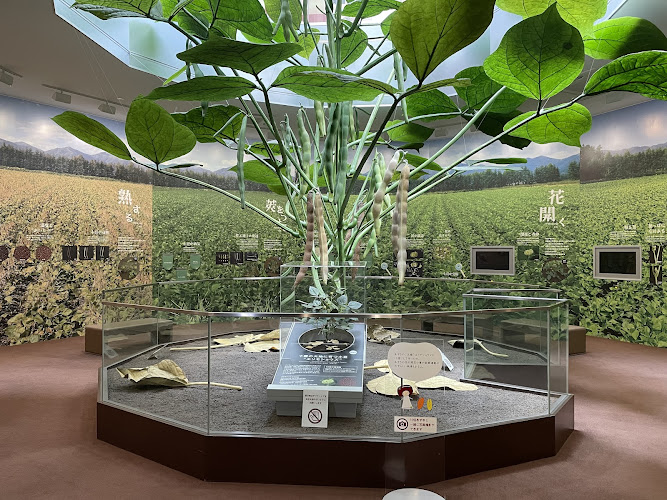
Azuki Museum
About Azuki Museum
Description
The Azuki Museum stands as one of Japan's most unexpectedly fascinating cultural institutions, dedicated entirely to the humble red azuki bean. Now, I know what you're thinking - a whole museum about beans? But hear me out, because this place genuinely surprised me when I first learned about it. This isn't just some quirky tourist trap thrown together to fill space on an itinerary. The museum offers visitors an authentic deep-dive into agricultural history, food culture, and the surprisingly complex world of legume cultivation that has shaped Japanese cuisine for centuries. Located within an actual working factory facility, the Azuki Museum presents a unique blend of industrial heritage and educational exhibition space. You'll walk through displays that chronicle everything from ancient farming techniques to modern processing methods. The fact that production still happens on-site gives the whole experience an authenticity that's hard to replicate in standard museums. You can actually see, smell, and sometimes hear the real work of bean processing happening around you, which creates this immersive atmosphere that museum curators spend millions trying to artificially recreate elsewhere. What makes this place particularly special is how it celebrates something so ordinary yet so essential to Japanese culture. Azuki beans appear in wagashi (traditional sweets), they're turned into anko paste that fills countless pastries, and they show up in ceremonial dishes during important holidays. Most travelers barrel through Japan sampling these foods without understanding the agricultural story behind them. The museum fills that gap beautifully, connecting the dots between field and table in ways that'll change how you look at your next taiyaki or mochi. The exhibits manage to be both educational and genuinely engaging, which is harder to pull off than you'd think. Interactive displays let visitors participate in various aspects of bean cultivation and processing. And there's something oddly satisfying about understanding the meticulous care that goes into sorting, cleaning, and preparing these little red beans that you've probably been eating without a second thought.Key Features
The Azuki Museum packs quite a lot into its specialized focus, offering visitors several standout features worth noting:- Working Factory Tours: Guests can observe actual production lines where azuki beans are processed and prepared. This behind-the-scenes access to real manufacturing operations provides insight you simply can't get from static displays alone. The machinery and techniques on display represent both traditional methods and modern innovations.
- Cultivation History Exhibits: Detailed displays trace the agricultural development of azuki beans throughout Japanese history, including rare photographs, antique farming tools, and regional variety comparisons that showcase the biodiversity within this single crop species.
- Hands-On Activities: Interactive stations allow visitors to try their hand at traditional bean sorting techniques, grinding demonstrations, and other tactile experiences that make the learning process memorable, especially for younger guests.
- Culinary Applications Display: A comprehensive exhibition showing the remarkable range of foods and products made from azuki beans, from sweet confections to savory dishes, complete with recipe cards and preparation technique explanations.
- On-Site Restaurant: A dining facility serves dishes featuring azuki beans prepared in both traditional and contemporary styles, giving visitors the chance to taste test what they've been learning about throughout their visit.
- Complete Accessibility: The museum features wheelchair accessible entrances, parking facilities, and restroom accommodations, ensuring that all visitors can comfortably explore the exhibits regardless of mobility considerations.
- Educational Programming: Seasonal workshops and demonstration sessions provide deeper dives into specific aspects of azuki cultivation and usage, though schedules vary so checking ahead is worthwhile.
- Gift Shop Selection: A retail area offers azuki-based products, from packaged beans to specialty sweets, allowing visitors to bring home authentic souvenirs that actually connect to their museum experience.
Best Time to Visit
Timing your visit to the Azuki Museum can make a real difference in your experience, though honestly, this place works year-round unlike some seasonal attractions. Weekday mornings tend to offer the most peaceful browsing experience. You'll encounter fewer tour groups, have more space to engage with interactive exhibits, and generally enjoy a more contemplative atmosphere. I've always found that museums reveal themselves better when you're not jostling for position at every display case. Tuesday through Thursday mornings around 10 AM hit that sweet spot after the initial opening rush but before lunch crowds arrive. Autumn presents particular interest for agriculture enthusiasts since this coincides with harvest season. While the museum doesn't dramatically change its exhibits seasonally, there's something appropriate about learning about bean cultivation during the months when actual harvesting occurs across Japan. The on-site restaurant sometimes features special autumn preparations during September and October too. Spring brings school groups, which means weekday afternoons between March and May can get pretty crowded. Not unbearably so, but enough to impact your experience if you prefer quieter environments. But if you've got kids with you, they might actually enjoy the energy that other young visitors bring. Weather doesn't really factor into planning since everything's indoors, which makes this an excellent backup option if rain derails your outdoor plans. Summer can see increased tourist traffic overall, but the air-conditioned interior makes it a comfortable escape from humid July and August conditions. The museum occasionally hosts special events and workshops, particularly during Golden Week and around New Year celebrations when azuki beans feature prominently in traditional foods. These events can enhance your visit significantly, but they also draw larger crowds. Check the current programming before finalizing your schedule. Honestly though? If you're traveling through the area and have a few hours available, just go. Overthinking the "perfect" timing can sometimes prevent you from having perfectly good experiences. The museum delivers educational value regardless of when you walk through the doors.How to Get There
Getting to the Azuki Museum requires a bit of planning since it's not located in a major urban center where you can just hop off a subway and walk two blocks. But that's part of its charm, really - it sits in an area where agricultural production actually happens. Most international travelers will find themselves starting from larger cities and making their way to the museum as a day trip or as part of a broader regional exploration. Public transportation does serve the area, though you'll want to check current schedules and routes since service can be less frequent than what you'd find in Tokyo or Osaka. Train connections provide the most straightforward approach for travelers without rental cars. From major stations, you'll typically need to transfer to local lines, and the journey might involve some walking at the destination end. The museum does offer parking facilities for those driving, which can actually be the more convenient option if you're exploring rural Japan and have already committed to a rental vehicle. Taxis from nearby train stations represent another option, though costs add up quickly for longer distances. Some visitors split taxi fares with other travelers they meet, which works surprisingly well and occasionally leads to interesting conversations with fellow museum-goers. If you're staying in the region, your accommodation might offer shuttle services or have specific recommendations for reaching the museum. Local tourism offices can also provide current transportation information, including any seasonal schedule changes that might affect your planning. The facility's accessible parking and entrance mean that visitors with mobility devices can navigate arrival smoothly once they reach the location. The staff reportedly assists with any accommodation needs, though communicating in advance helps ensure everything's prepared for your visit. Building in some buffer time makes sense since rural transportation doesn't always run on the precise schedules that urban systems maintain. Arriving with 15-20 minutes of cushion saves stress and lets you approach your visit in a relaxed frame of mind.Tips for Visiting
Planning ahead makes any museum visit better, and the Azuki Museum has some specific considerations worth keeping in mind. Allocate at least two hours for your visit, possibly three if you're genuinely interested in agricultural history or food culture. Rushing through defeats the purpose, and some of the more detailed exhibits reward slower, more thoughtful engagement. The interactive elements particularly deserve time - they're not just tourist gimmicks but actually help illustrate concepts that pure text descriptions can't convey as effectively. Language can present challenges for non-Japanese speakers. While major information appears in English translation, some detailed signage and specialized exhibits may be Japanese-only. Downloading a translation app before your visit helps fill these gaps. Or honestly, just embrace the visual storytelling - many exhibits communicate effectively through photographs, artifacts, and demonstration displays regardless of language proficiency. The on-site restaurant deserves serious consideration for lunch or a snack break. The menu features preparations you won't easily find elsewhere, and tasting azuki-based dishes after learning about their cultural significance enhances the whole experience. Come with an open mind about bean-based cuisine, because Western associations with beans don't really apply to how Japanese cooking uses azuki. Think sweet, delicate, and surprisingly versatile. Comfortable walking shoes are essential even though everything's indoors. You'll be on your feet moving between exhibits, and the factory tour portion involves some standing and walking on industrial flooring. Fashion can wait for your evening in the city - prioritize comfort here. Photography policies vary by exhibit area, with some production spaces restricting cameras for proprietary reasons. Respect these boundaries, but don't worry - plenty of areas welcome photography, and you'll get your Instagram content if that matters to you. The gift shop actually offers worthwhile purchases rather than the typical overpriced tourist junk. Packaged azuki beans, specialty confections, and related products make practical souvenirs that won't gather dust on a shelf back home. Plus, bringing back actual food items from your travels creates lasting memories when you use them months later. Families with children will find the museum more engaging than the bean theme might initially suggest. The interactive elements keep kids interested, and learning about food production fascinates young minds more than you'd expect. The accessible facilities mean strollers and mobility aids navigate easily throughout the space. Check for any special demonstrations or workshops scheduled during your visit. These periodic programs dive deeper into specific topics and often include hands-on participation that regular admission doesn't cover. Even if they require additional fees, they're usually reasonable and add significant value to your experience. Finally, approach this museum with curiosity rather than skepticism. Yeah, it's about beans. But it's also about agricultural heritage, cultural tradition, culinary history, and the fascinating ways that simple ingredients become central to entire food cultures. The Azuki Museum tells a bigger story than its focused theme might suggest, and travelers who arrive ready to learn something unexpected inevitably leave satisfied.Key Features
- Exhibits on the history and cultivation of azuki beans
- Display of traditional tools and production methods
- Six-meter model azuki tree landmark
- Adjacent factory shop with freshly made gozasoro and tastings
- Compact, easy-to-combine visit near JR Himeji Station
More Details
Updated March 30, 2026
Table of Contents
Description
The Azuki Museum stands as one of Japan’s most unexpectedly fascinating cultural institutions, dedicated entirely to the humble red azuki bean. Now, I know what you’re thinking – a whole museum about beans? But hear me out, because this place genuinely surprised me when I first learned about it. This isn’t just some quirky tourist trap thrown together to fill space on an itinerary. The museum offers visitors an authentic deep-dive into agricultural history, food culture, and the surprisingly complex world of legume cultivation that has shaped Japanese cuisine for centuries.
Located within an actual working factory facility, the Azuki Museum presents a unique blend of industrial heritage and educational exhibition space. You’ll walk through displays that chronicle everything from ancient farming techniques to modern processing methods. The fact that production still happens on-site gives the whole experience an authenticity that’s hard to replicate in standard museums. You can actually see, smell, and sometimes hear the real work of bean processing happening around you, which creates this immersive atmosphere that museum curators spend millions trying to artificially recreate elsewhere.
What makes this place particularly special is how it celebrates something so ordinary yet so essential to Japanese culture. Azuki beans appear in wagashi (traditional sweets), they’re turned into anko paste that fills countless pastries, and they show up in ceremonial dishes during important holidays. Most travelers barrel through Japan sampling these foods without understanding the agricultural story behind them. The museum fills that gap beautifully, connecting the dots between field and table in ways that’ll change how you look at your next taiyaki or mochi.
The exhibits manage to be both educational and genuinely engaging, which is harder to pull off than you’d think. Interactive displays let visitors participate in various aspects of bean cultivation and processing. And there’s something oddly satisfying about understanding the meticulous care that goes into sorting, cleaning, and preparing these little red beans that you’ve probably been eating without a second thought.
Key Features
The Azuki Museum packs quite a lot into its specialized focus, offering visitors several standout features worth noting:
- Working Factory Tours: Guests can observe actual production lines where azuki beans are processed and prepared. This behind-the-scenes access to real manufacturing operations provides insight you simply can’t get from static displays alone. The machinery and techniques on display represent both traditional methods and modern innovations.
- Cultivation History Exhibits: Detailed displays trace the agricultural development of azuki beans throughout Japanese history, including rare photographs, antique farming tools, and regional variety comparisons that showcase the biodiversity within this single crop species.
- Hands-On Activities: Interactive stations allow visitors to try their hand at traditional bean sorting techniques, grinding demonstrations, and other tactile experiences that make the learning process memorable, especially for younger guests.
- Culinary Applications Display: A comprehensive exhibition showing the remarkable range of foods and products made from azuki beans, from sweet confections to savory dishes, complete with recipe cards and preparation technique explanations.
- On-Site Restaurant: A dining facility serves dishes featuring azuki beans prepared in both traditional and contemporary styles, giving visitors the chance to taste test what they’ve been learning about throughout their visit.
- Complete Accessibility: The museum features wheelchair accessible entrances, parking facilities, and restroom accommodations, ensuring that all visitors can comfortably explore the exhibits regardless of mobility considerations.
- Educational Programming: Seasonal workshops and demonstration sessions provide deeper dives into specific aspects of azuki cultivation and usage, though schedules vary so checking ahead is worthwhile.
- Gift Shop Selection: A retail area offers azuki-based products, from packaged beans to specialty sweets, allowing visitors to bring home authentic souvenirs that actually connect to their museum experience.
Best Time to Visit
Timing your visit to the Azuki Museum can make a real difference in your experience, though honestly, this place works year-round unlike some seasonal attractions.
Weekday mornings tend to offer the most peaceful browsing experience. You’ll encounter fewer tour groups, have more space to engage with interactive exhibits, and generally enjoy a more contemplative atmosphere. I’ve always found that museums reveal themselves better when you’re not jostling for position at every display case. Tuesday through Thursday mornings around 10 AM hit that sweet spot after the initial opening rush but before lunch crowds arrive.
Autumn presents particular interest for agriculture enthusiasts since this coincides with harvest season. While the museum doesn’t dramatically change its exhibits seasonally, there’s something appropriate about learning about bean cultivation during the months when actual harvesting occurs across Japan. The on-site restaurant sometimes features special autumn preparations during September and October too.
Spring brings school groups, which means weekday afternoons between March and May can get pretty crowded. Not unbearably so, but enough to impact your experience if you prefer quieter environments. But if you’ve got kids with you, they might actually enjoy the energy that other young visitors bring.
Weather doesn’t really factor into planning since everything’s indoors, which makes this an excellent backup option if rain derails your outdoor plans. Summer can see increased tourist traffic overall, but the air-conditioned interior makes it a comfortable escape from humid July and August conditions.
The museum occasionally hosts special events and workshops, particularly during Golden Week and around New Year celebrations when azuki beans feature prominently in traditional foods. These events can enhance your visit significantly, but they also draw larger crowds. Check the current programming before finalizing your schedule.
Honestly though? If you’re traveling through the area and have a few hours available, just go. Overthinking the “perfect” timing can sometimes prevent you from having perfectly good experiences. The museum delivers educational value regardless of when you walk through the doors.
How to Get There
Getting to the Azuki Museum requires a bit of planning since it’s not located in a major urban center where you can just hop off a subway and walk two blocks. But that’s part of its charm, really – it sits in an area where agricultural production actually happens.
Most international travelers will find themselves starting from larger cities and making their way to the museum as a day trip or as part of a broader regional exploration. Public transportation does serve the area, though you’ll want to check current schedules and routes since service can be less frequent than what you’d find in Tokyo or Osaka.
Train connections provide the most straightforward approach for travelers without rental cars. From major stations, you’ll typically need to transfer to local lines, and the journey might involve some walking at the destination end. The museum does offer parking facilities for those driving, which can actually be the more convenient option if you’re exploring rural Japan and have already committed to a rental vehicle.
Taxis from nearby train stations represent another option, though costs add up quickly for longer distances. Some visitors split taxi fares with other travelers they meet, which works surprisingly well and occasionally leads to interesting conversations with fellow museum-goers.
If you’re staying in the region, your accommodation might offer shuttle services or have specific recommendations for reaching the museum. Local tourism offices can also provide current transportation information, including any seasonal schedule changes that might affect your planning.
The facility’s accessible parking and entrance mean that visitors with mobility devices can navigate arrival smoothly once they reach the location. The staff reportedly assists with any accommodation needs, though communicating in advance helps ensure everything’s prepared for your visit.
Building in some buffer time makes sense since rural transportation doesn’t always run on the precise schedules that urban systems maintain. Arriving with 15-20 minutes of cushion saves stress and lets you approach your visit in a relaxed frame of mind.
Tips for Visiting
Planning ahead makes any museum visit better, and the Azuki Museum has some specific considerations worth keeping in mind.
Allocate at least two hours for your visit, possibly three if you’re genuinely interested in agricultural history or food culture. Rushing through defeats the purpose, and some of the more detailed exhibits reward slower, more thoughtful engagement. The interactive elements particularly deserve time – they’re not just tourist gimmicks but actually help illustrate concepts that pure text descriptions can’t convey as effectively.
Language can present challenges for non-Japanese speakers. While major information appears in English translation, some detailed signage and specialized exhibits may be Japanese-only. Downloading a translation app before your visit helps fill these gaps. Or honestly, just embrace the visual storytelling – many exhibits communicate effectively through photographs, artifacts, and demonstration displays regardless of language proficiency.
The on-site restaurant deserves serious consideration for lunch or a snack break. The menu features preparations you won’t easily find elsewhere, and tasting azuki-based dishes after learning about their cultural significance enhances the whole experience. Come with an open mind about bean-based cuisine, because Western associations with beans don’t really apply to how Japanese cooking uses azuki. Think sweet, delicate, and surprisingly versatile.
Comfortable walking shoes are essential even though everything’s indoors. You’ll be on your feet moving between exhibits, and the factory tour portion involves some standing and walking on industrial flooring. Fashion can wait for your evening in the city – prioritize comfort here.
Photography policies vary by exhibit area, with some production spaces restricting cameras for proprietary reasons. Respect these boundaries, but don’t worry – plenty of areas welcome photography, and you’ll get your Instagram content if that matters to you.
The gift shop actually offers worthwhile purchases rather than the typical overpriced tourist junk. Packaged azuki beans, specialty confections, and related products make practical souvenirs that won’t gather dust on a shelf back home. Plus, bringing back actual food items from your travels creates lasting memories when you use them months later.
Families with children will find the museum more engaging than the bean theme might initially suggest. The interactive elements keep kids interested, and learning about food production fascinates young minds more than you’d expect. The accessible facilities mean strollers and mobility aids navigate easily throughout the space.
Check for any special demonstrations or workshops scheduled during your visit. These periodic programs dive deeper into specific topics and often include hands-on participation that regular admission doesn’t cover. Even if they require additional fees, they’re usually reasonable and add significant value to your experience.
Finally, approach this museum with curiosity rather than skepticism. Yeah, it’s about beans. But it’s also about agricultural heritage, cultural tradition, culinary history, and the fascinating ways that simple ingredients become central to entire food cultures. The Azuki Museum tells a bigger story than its focused theme might suggest, and travelers who arrive ready to learn something unexpected inevitably leave satisfied.
Key Highlights
- Exhibits on the history and cultivation of azuki beans
- Display of traditional tools and production methods
- Six-meter model azuki tree landmark
- Adjacent factory shop with freshly made gozasoro and tastings
- Compact, easy-to-combine visit near JR Himeji Station
Location
Places to Stay Near Azuki Museum
Find and Book a Tour
Explore More Travel Guides
No reviews found! Be the first to review!
Azuki Museum is a prominent museums located in Himeji.
Visit us at: Japan, 〒670-0944 Hyogo, Himeji, Abo, 甲611-1.
Traveler Reviews for Azuki Museum
There are no reviews yet. Be the first one to write one.
Have you visited Azuki Museum? Help other travelers by sharing your review.
Nearby Attractions
You Might Also Like
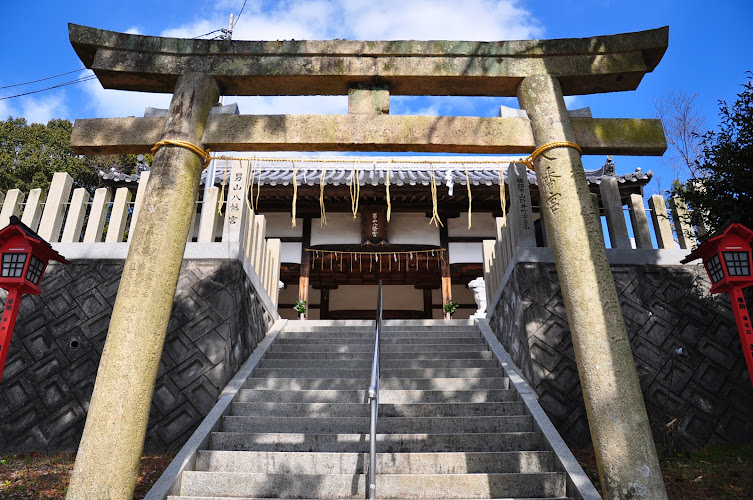
Otokoyama Hachiman-gu Shrine
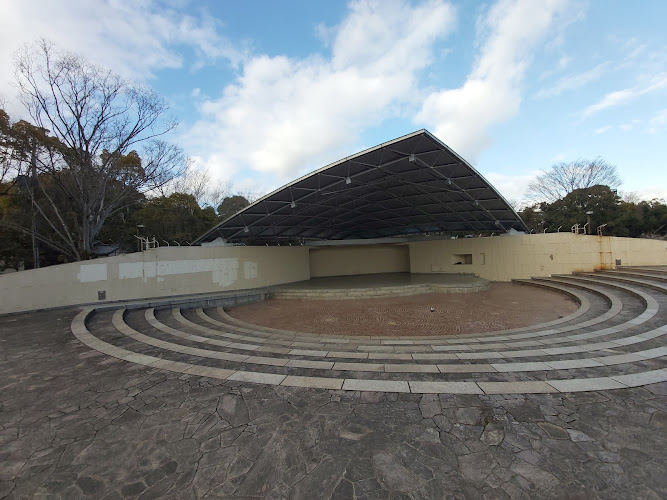
Shirotopia Memorial Park

Tegarayama Heiwa Park
Find Accommodations Nearby
Recommended Tours & Activities
Visitor Reviews
There are no reviews yet. Be the first one to write one.
Share Your Experience
Have you visited Azuki Museum? Help other travelers by leaving a review.