
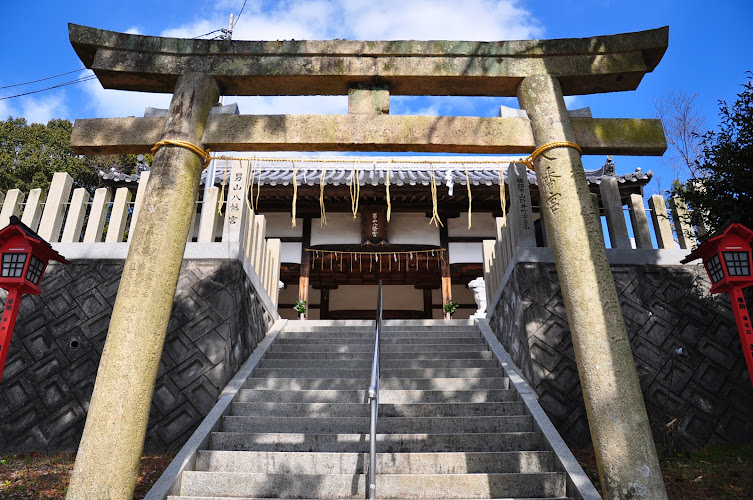
Otokoyama Hachiman-gu Shrine
About Otokoyama Hachiman-gu Shrine
Description
Otokoyama Hachiman-gu Shrine represents one of those special places that somehow manages to stay relatively under the radar despite being in close proximity to Himeji Castle, one of Japan's most famous landmarks. And honestly, that's part of its charm. While thousands of tourists flock to the castle daily, this Shinto shrine offers a more intimate glimpse into Japanese spiritual traditions and architectural beauty. The shrine has been standing for centuries as a place of worship and community gathering, dedicated to Hachiman, the god of war and protector of warriors. But don't let that martial connection fool you—this is a peaceful, contemplative space that feels worlds away from the bustling tourist routes just down the hill. I remember my first visit here, expecting just a quick stop before heading to the castle, and ending up spending nearly an hour just soaking in the atmosphere. There's something about the way the light filters through the trees and hits the traditional architecture that makes you want to slow down and breathe a bit deeper. The grounds themselves aren't massive compared to some of the grand shrine complexes you'll find in Kyoto or Tokyo, but what Otokoyama Hachiman-gu lacks in size it makes up for in character and authenticity. This is a working shrine where locals still come to pray, celebrate festivals, and mark important life events. You'll see families bringing their newborns for blessing ceremonies, couples getting married in traditional Shinto style, and elderly residents making their regular devotions. That living, breathing quality makes it feel genuine rather than like a museum piece preserved solely for tourist consumption. The shrine's connection to Himeji Castle is historically significant too. Samurai and lords who ruled the castle would have visited this shrine to pray for victory in battle and prosperity for their domain. Walking the same paths they did centuries ago adds layers of historical resonance to the experience.Key Features
The shrine offers visitors several noteworthy elements that make the journey worthwhile: • The main hall showcases traditional Shinto architectural elements with beautifully preserved wooden structures and intricate carvings that demonstrate the craftsmanship of earlier centuries • Stone steps leading up to the shrine grounds provide an authentic approach experience that helps transition your mindset from the mundane world to the sacred space above • Ancient trees scattered throughout the grounds create a canopy that provides natural shade and contributes to the serene atmosphere, with some specimens easily being several hundred years old • A smaller auxiliary shrine buildings dot the property, each dedicated to different deities and purposes, giving insight into the complexity of Shinto beliefs • Stone lanterns line the pathways, particularly atmospheric during evening hours or festivals when they're actually lit • The shrine's elevated position offers pleasant views back toward the surrounding area, though not quite the panoramic vistas you might expect from higher mountains • Seasonal changes dramatically alter the shrine's appearance throughout the year, with cherry blossoms in spring and colorful foliage in autumn being particularly photogenic • Traditional wooden ema (prayer plaques) and omikuji (fortune papers) are available for purchase, allowing visitors to participate in authentic shrine practices • The presence of restroom facilities on the grounds makes it practical for extended visits, though travelers should note the accessibility limitationsBest Time to Visit
Timing your visit to Otokoyama Hachiman-gu can significantly impact your experience, and there's no single "perfect" time that works for everyone. It really depends what you're after. Early mornings are magical here—I'm talking about arriving around 7 or 8 AM when the air still has that crisp quality and you'll likely have the place mostly to yourself. The locals who do come at this hour are usually there for serious prayer rather than sightseeing, which creates a different energy entirely. Plus, morning light in Japan has this particular quality that photographers absolutely love. Spring brings the cherry blossom season, typically late March through early April depending on that year's weather patterns. The shrine grounds become absolutely stunning with sakura petals, but you'll also encounter more visitors during this peak period. Still, because this shrine isn't on the main tourist circuit, "crowded" here means maybe a few dozen people rather than the thousands you'd find at more famous spots. Autumn, particularly November, offers spectacular fall colors that rival spring's beauty. The Japanese maples turn brilliant shades of red and orange, creating this warm glow that contrasts beautifully with the shrine's traditional architecture. And the cooler temperatures make the uphill walk to the shrine much more comfortable than summer's humidity. Speaking of summer—July and August can be brutally hot and humid in this region. But if you can handle the weather, summer festivals at the shrine provide incredible cultural experiences. The annual festival usually draws substantial local crowds with traditional music, dance, and food stalls. These events offer authentic glimpses of how shrines function as community centers rather than just historical monuments. Winter visits have their own appeal for those who don't mind the cold. The shrine takes on a stark, minimalist beauty when trees are bare and the number of visitors drops to almost nothing. New Year's period (late December through early January) is the major exception—shrines across Japan become packed with people making their first prayers of the year. Weekdays generally mean fewer visitors than weekends, regardless of season. And honestly, for a place like this where atmosphere matters so much, having space to move around and reflect without crowds pressing in behind you makes a substantial difference to the overall experience.How to Get There
Getting to Otokoyama Hachiman-gu requires a bit more effort than simply walking from Himeji Station to the castle, but it's absolutely manageable for most travelers with reasonable mobility. From Himeji Station, the shrine is roughly a 20 to 30-minute walk depending on your pace and how many photo stops you make along the way. Many visitors choose to walk to Himeji Castle first, explore that magnificent structure, and then continue to the shrine as part of a half-day or full-day Himeji exploration. The walking route takes you through some interesting neighborhoods that give you a sense of everyday Japanese life beyond the tourist highlights. For those who prefer not to walk the entire distance, local buses do service the area, though you'll need to check current routes and schedules as these can change. The bus ride cuts down travel time but you'll still face a walk from the nearest bus stop to the shrine entrance. Japanese bus systems can feel intimidating if you don't read Japanese, but many drivers are patient with tourists and you can always show them the shrine's name written in kanji on your phone. Taxis are another option, particularly for visitors with mobility concerns or those traveling in groups where the cost can be split. Just be aware that taxi drivers may not speak English, so having your destination written in Japanese characters ready to show them helps tremendously. Once you arrive at the base of the shrine grounds, you'll encounter those stone steps I mentioned earlier. They're not excessively steep or numerous compared to some shrine approaches, but they do exist and there's no elevator alternative. The shrine unfortunately doesn't have wheelchair accessible entrances or parking, which is common for historical sites built centuries before modern accessibility standards. This is something to consider seriously if you or anyone in your group has mobility challenges.Tips for Visiting
A few practical suggestions can help ensure your visit goes smoothly and respectfully. Dress code isn't as strict here as you might expect, but remember this is an active religious site. While you'll see some locals in casual clothes, showing up in beach wear or overly revealing clothing demonstrates poor cultural awareness. Comfortable walking shoes are essential given the stone steps and gravel pathways—save those cute but impractical sandals for other parts of your trip. Bring some cash, specifically smaller bills and coins. If you want to make an offering, purchase omamori (protective charms), or buy an ema to write your wishes on, you'll need yen. And like many places in Japan that aren't major tourist traps, credit cards aren't universally accepted. Photography is generally permitted in shrine grounds, but be mindful of people actively praying or participating in ceremonies. I try to follow a simple rule: if someone looks like they're having a private spiritual moment, I don't make them part of my vacation photos. Also, some specific buildings or inner sanctuaries may have photography restrictions, so watch for signage or ask if you're unsure. Learning basic shrine etiquette enhances your experience and shows respect. When you approach the main hall, there's usually a specific way to pray: bow twice, clap twice, bow once more. At purification fountains near the entrance, you're meant to rinse your hands and mouth using the ladles provided in a particular sequence. Don't stress about getting every detail perfect—the effort itself demonstrates respect. The shrine has restroom facilities which is genuinely helpful, but like many public restrooms in Japan, they may be traditional squat-style toilets rather than Western-style. If this is an issue for you, consider using facilities at nearby commercial establishments before arriving. If you're visiting during festival times, arrive earlier than you think necessary. Even though this shrine is less touristy than others, local festivals do draw crowds and parking becomes nearly impossible. Festival periods also mean the shrine atmosphere is completely different—louder, more energetic, more communal. Both the quiet contemplative experience and the festival energy have their merits; just know what you're walking into. Consider combining your shrine visit with Himeji Castle in a single day trip from Osaka, Kyoto, or wherever you're based in the region. Himeji is well-connected by train and both the castle and shrine together create a fuller picture of Japanese history and culture than either would alone. Finally, don't rush. This isn't a place where you need to check off a list of must-see items and then hurry to the next stop. The shrine's value lies in its atmosphere and the chance to experience an authentic Shinto site that still functions as it has for centuries. Give yourself permission to just sit for a few minutes, watch the play of light through the leaves, and observe how locals interact with this sacred space. Those moments of quiet observation often end up being the most memorable parts of any trip to Japan.Key Features
- Key Features
- Best Time to Visit
- How to Get There
- Tips for Visiting
More Details
Updated March 30, 2026
Table of Contents
Description
Otokoyama Hachiman-gu Shrine represents one of those special places that somehow manages to stay relatively under the radar despite being in close proximity to Himeji Castle, one of Japan’s most famous landmarks. And honestly, that’s part of its charm. While thousands of tourists flock to the castle daily, this Shinto shrine offers a more intimate glimpse into Japanese spiritual traditions and architectural beauty.
The shrine has been standing for centuries as a place of worship and community gathering, dedicated to Hachiman, the god of war and protector of warriors. But don’t let that martial connection fool you—this is a peaceful, contemplative space that feels worlds away from the bustling tourist routes just down the hill. I remember my first visit here, expecting just a quick stop before heading to the castle, and ending up spending nearly an hour just soaking in the atmosphere. There’s something about the way the light filters through the trees and hits the traditional architecture that makes you want to slow down and breathe a bit deeper.
The grounds themselves aren’t massive compared to some of the grand shrine complexes you’ll find in Kyoto or Tokyo, but what Otokoyama Hachiman-gu lacks in size it makes up for in character and authenticity. This is a working shrine where locals still come to pray, celebrate festivals, and mark important life events. You’ll see families bringing their newborns for blessing ceremonies, couples getting married in traditional Shinto style, and elderly residents making their regular devotions. That living, breathing quality makes it feel genuine rather than like a museum piece preserved solely for tourist consumption.
The shrine’s connection to Himeji Castle is historically significant too. Samurai and lords who ruled the castle would have visited this shrine to pray for victory in battle and prosperity for their domain. Walking the same paths they did centuries ago adds layers of historical resonance to the experience.
Key Features
The shrine offers visitors several noteworthy elements that make the journey worthwhile:
• The main hall showcases traditional Shinto architectural elements with beautifully preserved wooden structures and intricate carvings that demonstrate the craftsmanship of earlier centuries
• Stone steps leading up to the shrine grounds provide an authentic approach experience that helps transition your mindset from the mundane world to the sacred space above
• Ancient trees scattered throughout the grounds create a canopy that provides natural shade and contributes to the serene atmosphere, with some specimens easily being several hundred years old
• A smaller auxiliary shrine buildings dot the property, each dedicated to different deities and purposes, giving insight into the complexity of Shinto beliefs
• Stone lanterns line the pathways, particularly atmospheric during evening hours or festivals when they’re actually lit
• The shrine’s elevated position offers pleasant views back toward the surrounding area, though not quite the panoramic vistas you might expect from higher mountains
• Seasonal changes dramatically alter the shrine’s appearance throughout the year, with cherry blossoms in spring and colorful foliage in autumn being particularly photogenic
• Traditional wooden ema (prayer plaques) and omikuji (fortune papers) are available for purchase, allowing visitors to participate in authentic shrine practices
• The presence of restroom facilities on the grounds makes it practical for extended visits, though travelers should note the accessibility limitations
Best Time to Visit
Timing your visit to Otokoyama Hachiman-gu can significantly impact your experience, and there’s no single “perfect” time that works for everyone. It really depends what you’re after.
Early mornings are magical here—I’m talking about arriving around 7 or 8 AM when the air still has that crisp quality and you’ll likely have the place mostly to yourself. The locals who do come at this hour are usually there for serious prayer rather than sightseeing, which creates a different energy entirely. Plus, morning light in Japan has this particular quality that photographers absolutely love.
Spring brings the cherry blossom season, typically late March through early April depending on that year’s weather patterns. The shrine grounds become absolutely stunning with sakura petals, but you’ll also encounter more visitors during this peak period. Still, because this shrine isn’t on the main tourist circuit, “crowded” here means maybe a few dozen people rather than the thousands you’d find at more famous spots.
Autumn, particularly November, offers spectacular fall colors that rival spring’s beauty. The Japanese maples turn brilliant shades of red and orange, creating this warm glow that contrasts beautifully with the shrine’s traditional architecture. And the cooler temperatures make the uphill walk to the shrine much more comfortable than summer’s humidity.
Speaking of summer—July and August can be brutally hot and humid in this region. But if you can handle the weather, summer festivals at the shrine provide incredible cultural experiences. The annual festival usually draws substantial local crowds with traditional music, dance, and food stalls. These events offer authentic glimpses of how shrines function as community centers rather than just historical monuments.
Winter visits have their own appeal for those who don’t mind the cold. The shrine takes on a stark, minimalist beauty when trees are bare and the number of visitors drops to almost nothing. New Year’s period (late December through early January) is the major exception—shrines across Japan become packed with people making their first prayers of the year.
Weekdays generally mean fewer visitors than weekends, regardless of season. And honestly, for a place like this where atmosphere matters so much, having space to move around and reflect without crowds pressing in behind you makes a substantial difference to the overall experience.
How to Get There
Getting to Otokoyama Hachiman-gu requires a bit more effort than simply walking from Himeji Station to the castle, but it’s absolutely manageable for most travelers with reasonable mobility.
From Himeji Station, the shrine is roughly a 20 to 30-minute walk depending on your pace and how many photo stops you make along the way. Many visitors choose to walk to Himeji Castle first, explore that magnificent structure, and then continue to the shrine as part of a half-day or full-day Himeji exploration. The walking route takes you through some interesting neighborhoods that give you a sense of everyday Japanese life beyond the tourist highlights.
For those who prefer not to walk the entire distance, local buses do service the area, though you’ll need to check current routes and schedules as these can change. The bus ride cuts down travel time but you’ll still face a walk from the nearest bus stop to the shrine entrance. Japanese bus systems can feel intimidating if you don’t read Japanese, but many drivers are patient with tourists and you can always show them the shrine’s name written in kanji on your phone.
Taxis are another option, particularly for visitors with mobility concerns or those traveling in groups where the cost can be split. Just be aware that taxi drivers may not speak English, so having your destination written in Japanese characters ready to show them helps tremendously.
Once you arrive at the base of the shrine grounds, you’ll encounter those stone steps I mentioned earlier. They’re not excessively steep or numerous compared to some shrine approaches, but they do exist and there’s no elevator alternative. The shrine unfortunately doesn’t have wheelchair accessible entrances or parking, which is common for historical sites built centuries before modern accessibility standards. This is something to consider seriously if you or anyone in your group has mobility challenges.
Tips for Visiting
A few practical suggestions can help ensure your visit goes smoothly and respectfully.
Dress code isn’t as strict here as you might expect, but remember this is an active religious site. While you’ll see some locals in casual clothes, showing up in beach wear or overly revealing clothing demonstrates poor cultural awareness. Comfortable walking shoes are essential given the stone steps and gravel pathways—save those cute but impractical sandals for other parts of your trip.
Bring some cash, specifically smaller bills and coins. If you want to make an offering, purchase omamori (protective charms), or buy an ema to write your wishes on, you’ll need yen. And like many places in Japan that aren’t major tourist traps, credit cards aren’t universally accepted.
Photography is generally permitted in shrine grounds, but be mindful of people actively praying or participating in ceremonies. I try to follow a simple rule: if someone looks like they’re having a private spiritual moment, I don’t make them part of my vacation photos. Also, some specific buildings or inner sanctuaries may have photography restrictions, so watch for signage or ask if you’re unsure.
Learning basic shrine etiquette enhances your experience and shows respect. When you approach the main hall, there’s usually a specific way to pray: bow twice, clap twice, bow once more. At purification fountains near the entrance, you’re meant to rinse your hands and mouth using the ladles provided in a particular sequence. Don’t stress about getting every detail perfect—the effort itself demonstrates respect.
The shrine has restroom facilities which is genuinely helpful, but like many public restrooms in Japan, they may be traditional squat-style toilets rather than Western-style. If this is an issue for you, consider using facilities at nearby commercial establishments before arriving.
If you’re visiting during festival times, arrive earlier than you think necessary. Even though this shrine is less touristy than others, local festivals do draw crowds and parking becomes nearly impossible. Festival periods also mean the shrine atmosphere is completely different—louder, more energetic, more communal. Both the quiet contemplative experience and the festival energy have their merits; just know what you’re walking into.
Consider combining your shrine visit with Himeji Castle in a single day trip from Osaka, Kyoto, or wherever you’re based in the region. Himeji is well-connected by train and both the castle and shrine together create a fuller picture of Japanese history and culture than either would alone.
Finally, don’t rush. This isn’t a place where you need to check off a list of must-see items and then hurry to the next stop. The shrine’s value lies in its atmosphere and the chance to experience an authentic Shinto site that still functions as it has for centuries. Give yourself permission to just sit for a few minutes, watch the play of light through the leaves, and observe how locals interact with this sacred space. Those moments of quiet observation often end up being the most memorable parts of any trip to Japan.
Key Highlights
- Key Features
- Best Time to Visit
- How to Get There
- Tips for Visiting
Location
Places to Stay Near Otokoyama Hachiman-gu Shrine
Find and Book a Tour
Explore More Travel Guides
No reviews found! Be the first to review!
Otokoyama Hachiman-gu Shrine is a prominent attractions located in Himeji.
Visit us at: 1-3 Yamanoicho, Himeji, Hyogo 670-0021, Japan.
Traveler Reviews for Otokoyama Hachiman-gu Shrine
There are no reviews yet. Be the first one to write one.
Have you visited Otokoyama Hachiman-gu Shrine? Help other travelers by sharing your review.
You Might Also Like
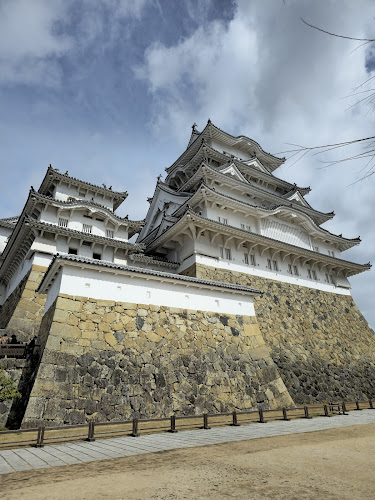
Himeji Castle
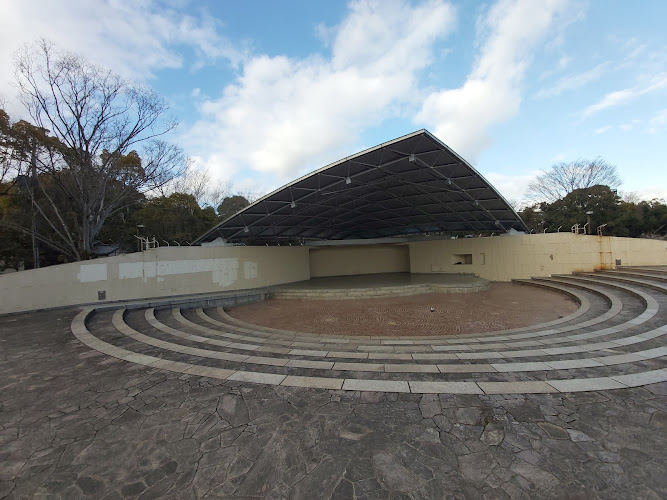
Shirotopia Memorial Park

Engyōji
Find Accommodations Nearby
Recommended Tours & Activities
Visitor Reviews
There are no reviews yet. Be the first one to write one.
Share Your Experience
Have you visited Otokoyama Hachiman-gu Shrine? Help other travelers by leaving a review.