Guided Sightseeing Tours & Activities in Pohang-si
- Browse sightseeing excursions and activities in Pohang-si
- Check live availability, rates & traveler reviews on Viator
- Secure online booking with flexible options
136 Haemaji-ro, Homigot-myeon, Nam-gu, Pohang-si, Gyeongsangbuk-do, South Korea

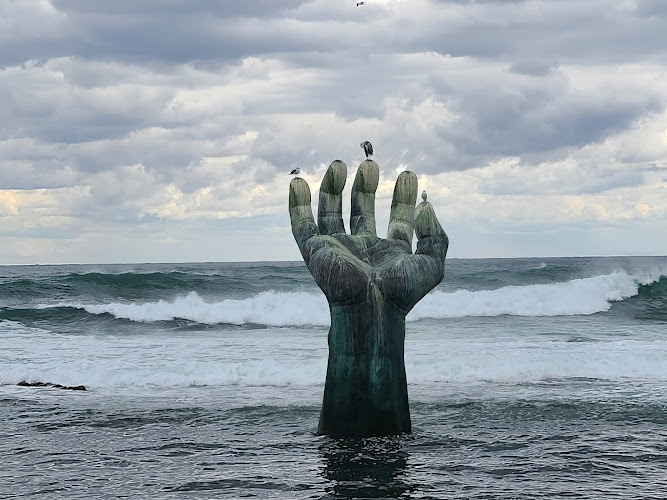
Perched on Homigot’s windswept coastline in Pohang-si, the Hand of Mutual Shake is an arresting public sculpture that frames the meeting of land and sea with a human gesture. Erected as a modern civic symbol of cooperation and mutual support, the work depicts two oversized hands clasping in a handshake — one rising from the beach and the other reaching from the promenade — creating a bold silhouette against sunrise and open water. Visitors come for the emotional resonance as much as the photo opportunity: the piece is tied to Homigot’s identity as one of Korea’s easternmost sunrise spots and is often paired with local New Year’s traditions of gathering to greet the first light. The immediate setting — wide coastal walkways, sunrise plaza, and views where warm and cold currents mingle — makes the sculpture easy to pair with a beach stroll, seasonal festivals, and visits to nearby seafood markets. Whether you’re a photographer chasing golden light, a culture-minded traveler interested in contemporary public art, or a pilgrim for symbolic landmarks, this striking handshake embodies community, optimism, and Pohang’s coastal spirit.
The Hand of Mutual Shake stands as a powerful sculptural monument that captures the essence of unity and cooperation through an artistic lens. This impressive outdoor installation features two massive hands meeting in a symbolic handshake, reaching skyward with a commanding presence that dominates the surrounding landscape. The sculpture’s design incorporates thoughtful architectural elements that make it more than just a photo opportunity—it’s a genuine statement piece about human connection and shared values.
What strikes most visitors first is the sheer scale of the work. The bronze-toned hands rise dramatically from their concrete base, and depending on the time of day, the way light plays across the sculptural surfaces creates an entirely different viewing experience. I’ve heard from travelers who visited during golden hour that the whole piece seems to glow with an almost ethereal quality, which makes sense given how the artist clearly considered environmental factors during the design process.
The sculpture has become something of a pilgrimage site for those interested in public art and symbolic monuments. And honestly, it’s not hard to understand why. In an era where physical connection feels increasingly rare, there’s something genuinely moving about seeing this celebration of cooperation rendered in such permanent, imposing form. The artist managed to take a simple gesture—a handshake—and elevate it to something that resonates on a much deeper level.
One thing that sets this location apart from other outdoor sculptures is the thoughtful infrastructure surrounding it. The site planners clearly understood that accessibility matters, and they’ve made genuine efforts to ensure visitors of all abilities can experience the monument properly. But we’ll get into those practical details a bit later.
Timing your visit to the Hand of Mutual Shake can genuinely impact your experience, and I think it’s worth being strategic about when you go. The sculpture itself is accessible throughout the year, but certain seasons and times of day offer distinct advantages that might align with what you’re hoping to get from your visit.
Spring and fall emerge as the sweet spot for most travelers. During these shoulder seasons, you’ll encounter moderate temperatures that make standing outdoors and really taking in the sculpture much more comfortable. Spring brings fresh greenery to the surrounding area, which creates a nice contrast against the metallic tones of the sculpture itself. Fall offers crisp air and often clearer skies, which translates to better photography conditions if that’s important to you.
Summer certainly has its appeal—longer daylight hours mean more flexibility in your schedule. But be prepared for heat and potentially larger crowds, especially during peak vacation months. If you do visit during summer, I’d suggest planning your arrival for early morning or late afternoon. Not only will you avoid the midday heat, but the angle of the sun during these times creates dramatic shadows and highlights on the sculptural surfaces that you simply won’t get at noon.
Winter visits have their own character. Yes, it’ll be cold, but there’s something striking about seeing this symbol of warmth and connection against a stark winter landscape. Plus, you’ll likely have the place mostly to yourself, which is worth something if you prefer a more contemplative experience without other visitors photobombing your shots.
In terms of time of day, golden hour—that magical period shortly after sunrise or before sunset—consistently delivers the most spectacular lighting conditions. The warm tones of the low sun complement the sculpture’s finish beautifully, and your photos will reflect that quality. Weekday mornings tend to be quietest if you’re looking to avoid crowds altogether.
Weather considerations matter too. Overcast days can actually work in your favor by providing even, diffused lighting that eliminates harsh shadows. However, windy conditions might make the visit less comfortable since there’s limited shelter in the open plaza area.
Getting to the Hand of Mutual Shake requires a bit of planning, but it’s definitely manageable whether you’re driving yourself or relying on alternative transportation methods. The sculpture’s location means you’ll need to think through your approach based on where you’re traveling from and what resources you have available.
For those traveling by car, which is probably the most straightforward option, you’ll find dedicated parking facilities on site. The parking area has been designed with accessibility in mind, including designated spaces for visitors with mobility needs. Navigation systems and GPS apps should get you there without too much trouble, though I’d recommend downloading offline maps just in case you hit areas with spotty cell coverage along the way.
If you’re coming from a major metropolitan area, expect a drive that might take anywhere from one to several hours depending on your starting point. The routes typically involve a combination of highway driving and local roads as you get closer to the destination. Road conditions are generally good, but it’s worth checking seasonal weather reports if you’re traveling during winter months when ice or snow could be factors.
Public transportation options exist but require more advance planning and flexibility with your schedule. Regional bus services may have stops within walking distance, though frequency varies considerably depending on the day of week and season. If you’re serious about using public transit, I’d suggest contacting local transportation authorities ahead of time to confirm current schedules and routes.
Ride-sharing services can work as a solution, particularly if you’re staying at nearby accommodations. Just keep in mind that availability might be limited depending on how rural or remote the area is, and you’ll want to have a plan for getting back to your lodging since waiting for a ride in an exposed outdoor location isn’t always comfortable.
For cyclists, the journey could be an adventure in itself if you’re up for it. Road shoulders and cycling infrastructure vary along different approach routes, so do your homework on which roads are genuinely bike-friendly before you commit to pedaling your way there.
Making the most of your visit to the Hand of Mutual Shake comes down to some practical preparation and knowing what to expect when you arrive. I’ve gathered insights from various travelers who’ve made the journey, and these tips should help you avoid common pitfalls while maximizing your experience.
First thing—dress appropriately for an outdoor visit. This sounds obvious, but you’d be surprised how many people show up unprepared for standing outside for an extended period. Comfortable walking shoes are non-negotiable since you’ll want to explore different viewing angles around the sculpture. Layer your clothing so you can adjust to changing temperatures, and don’t forget sun protection during warmer months. Sunscreen, hats, and sunglasses will make your visit considerably more pleasant.
Photography deserves its own conversation here. The sculpture is incredibly photogenic, but getting really good shots requires thinking about composition and lighting. Experiment with different angles—shots from below make the hands appear even more imposing and dramatic, while pulling back to include more context can tell a different story. If you’re shooting with a phone, take advantage of HDR mode to capture detail in both bright sky and shadowed sculpture surfaces.
Timing your photography around the light conditions we discussed earlier will elevate your images from snapshots to something you’ll actually want to share or print. And here’s a tip I picked up from a fellow traveler: try including people in some shots for scale. The human element creates context that helps viewers grasp just how massive this sculpture really is.
Accessibility features are genuinely well-implemented at this site, which deserves recognition. Visitors using wheelchairs or other mobility aids will find smooth pathways and proper facilities, but it’s still worth calling ahead if you have specific accessibility questions or needs. The wheelchair-accessible restrooms are maintained regularly, which matters more than you might think when you’re out visiting monuments.
Bring water and snacks, especially if you’re visiting during warmer weather. There aren’t vending machines or food vendors right at the sculpture site, so having your own supplies means you can take your time without feeling rushed by thirst or hunger.
Consider the social media potential but also remember to experience the moment without your phone screen as an intermediary. I know it’s tempting to document everything, but spending at least some time just looking at the sculpture and thinking about what it represents creates a different kind of memory that no Instagram post can replace.
If you’re traveling with children, this can actually be a great educational opportunity to talk about art, symbolism, and what handshakes represent across different cultures. The straightforward imagery makes it accessible even to younger kids who might zone out at a traditional art museum.
Check weather forecasts before you go and have a backup plan if conditions look genuinely miserable. While a little rain won’t hurt anything, standing in a downpour to look at a sculpture probably isn’t anyone’s idea of a good time.
Finally, respect the space and the artwork. This should go without saying, but climbing on the sculpture or leaving trash around the site ruins the experience for everyone who comes after you. The monument represents something meaningful, and treating it with appropriate respect just makes sense.
The Hand of Mutual Shake offers something increasingly rare in our distracted age—a chance to pause and reflect on human connection through the lens of public art. Whether you’re an art enthusiast, a casual traveler looking for unique photo opportunities, or someone drawn to symbolic monuments, this sculpture delivers an experience that justifies the journey.

Last modified March 30, 2026
The Hand of Mutual Shake stands as a powerful sculptural monument that captures the essence of unity and cooperation through an artistic lens. This impressive outdoor installation features two massive hands meeting in a symbolic handshake, reaching skyward with a commanding presence that dominates the surrounding landscape. The sculpture’s design incorporates thoughtful architectural elements that make it more than just a photo opportunity—it’s a genuine statement piece about human connection and shared values.
What strikes most visitors first is the sheer scale of the work. The bronze-toned hands rise dramatically from their concrete base, and depending on the time of day, the way light plays across the sculptural surfaces creates an entirely different viewing experience. I’ve heard from travelers who visited during golden hour that the whole piece seems to glow with an almost ethereal quality, which makes sense given how the artist clearly considered environmental factors during the design process.
The sculpture has become something of a pilgrimage site for those interested in public art and symbolic monuments. And honestly, it’s not hard to understand why. In an era where physical connection feels increasingly rare, there’s something genuinely moving about seeing this celebration of cooperation rendered in such permanent, imposing form. The artist managed to take a simple gesture—a handshake—and elevate it to something that resonates on a much deeper level.
One thing that sets this location apart from other outdoor sculptures is the thoughtful infrastructure surrounding it. The site planners clearly understood that accessibility matters, and they’ve made genuine efforts to ensure visitors of all abilities can experience the monument properly. But we’ll get into those practical details a bit later.
Timing your visit to the Hand of Mutual Shake can genuinely impact your experience, and I think it’s worth being strategic about when you go. The sculpture itself is accessible throughout the year, but certain seasons and times of day offer distinct advantages that might align with what you’re hoping to get from your visit.
Spring and fall emerge as the sweet spot for most travelers. During these shoulder seasons, you’ll encounter moderate temperatures that make standing outdoors and really taking in the sculpture much more comfortable. Spring brings fresh greenery to the surrounding area, which creates a nice contrast against the metallic tones of the sculpture itself. Fall offers crisp air and often clearer skies, which translates to better photography conditions if that’s important to you.
Summer certainly has its appeal—longer daylight hours mean more flexibility in your schedule. But be prepared for heat and potentially larger crowds, especially during peak vacation months. If you do visit during summer, I’d suggest planning your arrival for early morning or late afternoon. Not only will you avoid the midday heat, but the angle of the sun during these times creates dramatic shadows and highlights on the sculptural surfaces that you simply won’t get at noon.
Winter visits have their own character. Yes, it’ll be cold, but there’s something striking about seeing this symbol of warmth and connection against a stark winter landscape. Plus, you’ll likely have the place mostly to yourself, which is worth something if you prefer a more contemplative experience without other visitors photobombing your shots.
In terms of time of day, golden hour—that magical period shortly after sunrise or before sunset—consistently delivers the most spectacular lighting conditions. The warm tones of the low sun complement the sculpture’s finish beautifully, and your photos will reflect that quality. Weekday mornings tend to be quietest if you’re looking to avoid crowds altogether.
Weather considerations matter too. Overcast days can actually work in your favor by providing even, diffused lighting that eliminates harsh shadows. However, windy conditions might make the visit less comfortable since there’s limited shelter in the open plaza area.
Getting to the Hand of Mutual Shake requires a bit of planning, but it’s definitely manageable whether you’re driving yourself or relying on alternative transportation methods. The sculpture’s location means you’ll need to think through your approach based on where you’re traveling from and what resources you have available.
For those traveling by car, which is probably the most straightforward option, you’ll find dedicated parking facilities on site. The parking area has been designed with accessibility in mind, including designated spaces for visitors with mobility needs. Navigation systems and GPS apps should get you there without too much trouble, though I’d recommend downloading offline maps just in case you hit areas with spotty cell coverage along the way.
If you’re coming from a major metropolitan area, expect a drive that might take anywhere from one to several hours depending on your starting point. The routes typically involve a combination of highway driving and local roads as you get closer to the destination. Road conditions are generally good, but it’s worth checking seasonal weather reports if you’re traveling during winter months when ice or snow could be factors.
Public transportation options exist but require more advance planning and flexibility with your schedule. Regional bus services may have stops within walking distance, though frequency varies considerably depending on the day of week and season. If you’re serious about using public transit, I’d suggest contacting local transportation authorities ahead of time to confirm current schedules and routes.
Ride-sharing services can work as a solution, particularly if you’re staying at nearby accommodations. Just keep in mind that availability might be limited depending on how rural or remote the area is, and you’ll want to have a plan for getting back to your lodging since waiting for a ride in an exposed outdoor location isn’t always comfortable.
For cyclists, the journey could be an adventure in itself if you’re up for it. Road shoulders and cycling infrastructure vary along different approach routes, so do your homework on which roads are genuinely bike-friendly before you commit to pedaling your way there.
Making the most of your visit to the Hand of Mutual Shake comes down to some practical preparation and knowing what to expect when you arrive. I’ve gathered insights from various travelers who’ve made the journey, and these tips should help you avoid common pitfalls while maximizing your experience.
First thing—dress appropriately for an outdoor visit. This sounds obvious, but you’d be surprised how many people show up unprepared for standing outside for an extended period. Comfortable walking shoes are non-negotiable since you’ll want to explore different viewing angles around the sculpture. Layer your clothing so you can adjust to changing temperatures, and don’t forget sun protection during warmer months. Sunscreen, hats, and sunglasses will make your visit considerably more pleasant.
Photography deserves its own conversation here. The sculpture is incredibly photogenic, but getting really good shots requires thinking about composition and lighting. Experiment with different angles—shots from below make the hands appear even more imposing and dramatic, while pulling back to include more context can tell a different story. If you’re shooting with a phone, take advantage of HDR mode to capture detail in both bright sky and shadowed sculpture surfaces.
Timing your photography around the light conditions we discussed earlier will elevate your images from snapshots to something you’ll actually want to share or print. And here’s a tip I picked up from a fellow traveler: try including people in some shots for scale. The human element creates context that helps viewers grasp just how massive this sculpture really is.
Accessibility features are genuinely well-implemented at this site, which deserves recognition. Visitors using wheelchairs or other mobility aids will find smooth pathways and proper facilities, but it’s still worth calling ahead if you have specific accessibility questions or needs. The wheelchair-accessible restrooms are maintained regularly, which matters more than you might think when you’re out visiting monuments.
Bring water and snacks, especially if you’re visiting during warmer weather. There aren’t vending machines or food vendors right at the sculpture site, so having your own supplies means you can take your time without feeling rushed by thirst or hunger.
Consider the social media potential but also remember to experience the moment without your phone screen as an intermediary. I know it’s tempting to document everything, but spending at least some time just looking at the sculpture and thinking about what it represents creates a different kind of memory that no Instagram post can replace.
If you’re traveling with children, this can actually be a great educational opportunity to talk about art, symbolism, and what handshakes represent across different cultures. The straightforward imagery makes it accessible even to younger kids who might zone out at a traditional art museum.
Check weather forecasts before you go and have a backup plan if conditions look genuinely miserable. While a little rain won’t hurt anything, standing in a downpour to look at a sculpture probably isn’t anyone’s idea of a good time.
Finally, respect the space and the artwork. This should go without saying, but climbing on the sculpture or leaving trash around the site ruins the experience for everyone who comes after you. The monument represents something meaningful, and treating it with appropriate respect just makes sense.
The Hand of Mutual Shake offers something increasingly rare in our distracted age—a chance to pause and reflect on human connection through the lens of public art. Whether you’re an art enthusiast, a casual traveler looking for unique photo opportunities, or someone drawn to symbolic monuments, this sculpture delivers an experience that justifies the journey.
No reviews found! Be the first to review!
Hand of Mutual Shake is a prominent 조각 located in Pohang-si.
Visit us at: 136 Haemaji-ro, Homigot-myeon, Nam-gu, Pohang-si, Gyeongsangbuk-do, South Korea.
Stay22 provides this accommodation search. We may earn a commission if you book through it; verify current prices and terms with the provider.
GetYourGuide provides this tour inventory. We may earn a commission if you book through it; verify current availability, prices, and terms with the provider.
We may earn a commission if you book through links on this page at no extra cost to you. All tours feature verified customer reviews and flexible cancellation options.
No traveler reviews yet. Share your experience below!
No traveler questions yet. Be the first to ask a local!