
286-456 Gojan-dong
About 286-456 Gojan-dong
Description
Gojan-dong in Danwon-gu, Ansan is one of those places that doesn't immediately scream "tourist destination" when you're planning your South Korea itinerary, and honestly, that's part of what makes it interesting. This residential and commercial area sits in the heart of Ansan, a city that's become something of a melting pot in the Gyeonggi Province. Unlike the polished tourist zones you'll find in Seoul or Busan, Gojan-dong gives travelers a chance to see how everyday Korean life actually unfolds. The area has this lived-in quality that I've always found refreshing when traveling. You won't find ancient temples or dramatic mountain vistas here, but what you will discover is an authentic slice of modern Korean suburban life mixed with a surprisingly international flavor. Ansan itself is known for having one of the highest concentrations of foreign residents in South Korea, and Gojan-dong reflects this diversity in its restaurants, shops, and street scenes. Walking through the neighborhood, you'll notice the mix of mid-rise apartment complexes, local businesses, and the kind of practical amenities that serve actual communities rather than tourist crowds. And while that might not sound glamorous, there's something valuable about experiencing places where people actually live and work. The numbered addressing system - 286-456 - represents a section of this broader neighborhood that captures the essence of what makes Gojan-dong worth exploring for travelers who want to venture beyond the typical tourist circuit.Key Features
- Authentic local atmosphere with minimal tourist infrastructure, offering genuine cultural immersion for those tired of manufactured experiences
- Strong multicultural presence reflecting Ansan's reputation as South Korea's most internationally diverse city, with restaurants and shops representing numerous countries
- Convenient location within Ansan, providing easy access to both urban amenities and nearby natural attractions like Ansan Jarakgil Forest Road
- Practical residential area showcasing contemporary Korean suburban development and daily life patterns
- Proximity to Sihwa Lake and the coastal areas of western Gyeonggi Province for day trip opportunities
- Less expensive accommodation and dining options compared to Seoul's central districts, roughly 40 kilometers away
- Growing commercial zones with modern shopping facilities and traditional Korean markets existing side by side
- Representative example of Korea's "new towns" developed during the country's rapid urbanization period
Best Time to Visit
Here's where Gojan-dong actually has an advantage over more famous destinations - it works year-round because it's not dependent on seasonal attractions. But if I'm being completely honest with you, spring and autumn offer the most comfortable conditions for exploring the area on foot. Spring, particularly from late April through May, brings mild temperatures that make wandering around the neighborhood genuinely pleasant. The local parks and green spaces around residential complexes bloom with cherry blossoms and azaleas, and you'll see families out enjoying the weather. It's Korea without the crushing crowds you'll battle at places like Yeouido or Jinhae during cherry blossom season. Autumn, especially October and early November, might actually be my personal favorite time. The weather stays crisp and clear, perfect for walking between different neighborhoods and exploring local markets. The summer months from June through August can be brutally hot and humid - we're talking temperatures regularly pushing into the high 80s and 90s Fahrenheit with humidity that makes everything feel sticky. Winter isn't terrible, but the area can get quite cold with temperatures dropping below freezing, and the wind coming off the Yellow Sea can cut right through you. One thing I've learned from spending time in residential Korean areas is that visiting during local festival periods can be rewarding. The Ansan Multicultural Food Street Festival, typically held in May, turns parts of the city into a genuine celebration of international cuisine and culture. And because Gojan-dong sits within this broader community, you'll feel the energy even in the residential sections. Weekdays versus weekends doesn't matter as much here as it would at major tourist sites. If anything, weekday evenings let you observe the rhythms of working life - commuters heading home, students at PC bangs, families at local restaurants. But weekends give you access to markets and community spaces when they're most active.How to Get There
Getting to Gojan-dong requires a bit more planning than simply hopping on Seoul's subway system, but it's absolutely doable and actually gives you a chance to see more of the greater Seoul metropolitan area. From Seoul, your best bet is taking Line 4 of the Seoul Metropolitan Subway toward Oido. The Gojan Station serves the area, and the journey from central Seoul stations like Myeongdong or Seoul Station takes roughly 60 to 75 minutes depending on your exact starting point. The subway ride itself becomes part of the experience - you'll watch the urban landscape gradually shift from Seoul's dense core to the newer developments of Gyeonggi Province. If you're staying in Incheon, you can also access the area via bus routes, though I'd recommend the subway for simplicity unless you're comfortable navigating Korean bus systems. The 123, 30-3, and several other bus lines connect different parts of Ansan, but honestly, unless you've got specific addresses and can read Korean or use navigation apps confidently, stick with the train. Driving is another option if you're renting a car, and it gives you flexibility to explore the wider region. From Seoul, you're looking at roughly an hour via the Seohaean Expressway, though traffic can add significant time during rush hours. Parking in residential areas can be tight, but it's generally more available than in Seoul's center. One tip I wish someone had told me earlier - download KakaoMap or Naver Map before your trip. Google Maps works okay in Korea, but these local apps provide much better detail for navigation, especially in residential neighborhoods where finding specific addresses can get confusing with Korea's somewhat complex addressing system.Tips for Visiting
Visiting Gojan-dong isn't like visiting Gyeongbokgung Palace or Namsan Tower - you won't find information booths or English signage everywhere. And that's actually part of the appeal, but it means you need to approach it differently. First off, manage your expectations. This isn't a destination where you'll tick off a list of famous landmarks. Instead, think of it as an opportunity to observe and participate in everyday Korean life. Grab coffee at a local chain like Ediya or a neighborhood cafe. Visit a convenience store and try snacks you've never heard of. Watch students playing basketball at neighborhood courts. These small moments create the texture of real cultural understanding. The international character of Ansan means you'll find restaurants serving Pakistani, Bangladeshi, Nepali, Indonesian, and numerous other cuisines alongside Korean options. Don't sleep on this - some of the best and most affordable international food in the Seoul metropolitan area exists in neighborhoods like this. I've had better Indian food in Ansan than in supposedly multicultural areas of Seoul, and at half the price. Language can be a barrier. While younger Koreans often speak some English, you're in an area where people go about their daily lives rather than catering to tourists. Having a translation app ready helps tremendously. And honestly, learning a few basic Korean phrases goes a long way - even butchered attempts at "hello" and "thank you" generate warmth and patience from locals. Cash still matters more in these areas than in central Seoul. While card payment is widespread throughout Korea, smaller shops and market vendors may prefer cash. Having some Korean won on hand prevents awkward situations and sometimes gets you better deals. Safety isn't really a concern - Korea generally ranks as one of the world's safest countries, and residential areas like Gojan-dong maintain that reputation. But do exercise normal precautions, especially at night, and be aware that some areas have better lighting than others. For accommodation, consider staying in this area if you're planning to explore southern Gyeonggi Province or want a cheaper base than Seoul while still having metro access. The money you save on lodging can fund other aspects of your trip. Just be realistic about commute times if you're planning daily Seoul excursions. Photography here requires a different approach than at famous landmarks. Ask permission before photographing people, be respectful around residential buildings, and focus on street scenes, architectural details, and everyday moments that tell stories. The light in residential areas during golden hour can be surprisingly beautiful, with sun filtering between apartment towers. Finally, embrace the lack of structure. Wander without a strict plan. Follow interesting sounds or smells. Accept that you might not accomplish much in a conventional sightseeing sense, but you'll gain something arguably more valuable - a sense of how people actually live in modern Korea beyond the tourist brochures and K-drama sets. That understanding enriches every other experience you'll have in the country.Key Features
- Authentic local atmosphere with minimal tourist infrastructure, offering genuine cultural immersion for those tired of manufactured experiences
- Strong multicultural presence reflecting Ansan's reputation as South Korea's most internationally diverse city, with restaurants and shops representing numerous countries
- Convenient location within Ansan, providing easy access to both urban amenities and nearby natural attractions like Ansan Jarakgil Forest Road
- Practical residential area showcasing contemporary Korean suburban development and daily life patterns
- Proximity to Sihwa Lake and the coastal areas of western Gyeonggi Province for day trip opportunities
- Less expensive accommodation and dining options compared to Seoul's central districts, roughly 40 kilometers away
- Growing commercial zones with modern shopping facilities and traditional Korean markets existing side by side
- Representative example of Korea's "new towns" developed during the country's rapid urbanization period
More Details
Updated March 30, 2026
Table of Contents
Description
Gojan-dong in Danwon-gu, Ansan is one of those places that doesn’t immediately scream “tourist destination” when you’re planning your South Korea itinerary, and honestly, that’s part of what makes it interesting. This residential and commercial area sits in the heart of Ansan, a city that’s become something of a melting pot in the Gyeonggi Province. Unlike the polished tourist zones you’ll find in Seoul or Busan, Gojan-dong gives travelers a chance to see how everyday Korean life actually unfolds.
The area has this lived-in quality that I’ve always found refreshing when traveling. You won’t find ancient temples or dramatic mountain vistas here, but what you will discover is an authentic slice of modern Korean suburban life mixed with a surprisingly international flavor. Ansan itself is known for having one of the highest concentrations of foreign residents in South Korea, and Gojan-dong reflects this diversity in its restaurants, shops, and street scenes.
Walking through the neighborhood, you’ll notice the mix of mid-rise apartment complexes, local businesses, and the kind of practical amenities that serve actual communities rather than tourist crowds. And while that might not sound glamorous, there’s something valuable about experiencing places where people actually live and work. The numbered addressing system – 286-456 – represents a section of this broader neighborhood that captures the essence of what makes Gojan-dong worth exploring for travelers who want to venture beyond the typical tourist circuit.
Key Features
- Authentic local atmosphere with minimal tourist infrastructure, offering genuine cultural immersion for those tired of manufactured experiences
- Strong multicultural presence reflecting Ansan’s reputation as South Korea’s most internationally diverse city, with restaurants and shops representing numerous countries
- Convenient location within Ansan, providing easy access to both urban amenities and nearby natural attractions like Ansan Jarakgil Forest Road
- Practical residential area showcasing contemporary Korean suburban development and daily life patterns
- Proximity to Sihwa Lake and the coastal areas of western Gyeonggi Province for day trip opportunities
- Less expensive accommodation and dining options compared to Seoul’s central districts, roughly 40 kilometers away
- Growing commercial zones with modern shopping facilities and traditional Korean markets existing side by side
- Representative example of Korea’s “new towns” developed during the country’s rapid urbanization period
Best Time to Visit
Here’s where Gojan-dong actually has an advantage over more famous destinations – it works year-round because it’s not dependent on seasonal attractions. But if I’m being completely honest with you, spring and autumn offer the most comfortable conditions for exploring the area on foot.
Spring, particularly from late April through May, brings mild temperatures that make wandering around the neighborhood genuinely pleasant. The local parks and green spaces around residential complexes bloom with cherry blossoms and azaleas, and you’ll see families out enjoying the weather. It’s Korea without the crushing crowds you’ll battle at places like Yeouido or Jinhae during cherry blossom season.
Autumn, especially October and early November, might actually be my personal favorite time. The weather stays crisp and clear, perfect for walking between different neighborhoods and exploring local markets. The summer months from June through August can be brutally hot and humid – we’re talking temperatures regularly pushing into the high 80s and 90s Fahrenheit with humidity that makes everything feel sticky. Winter isn’t terrible, but the area can get quite cold with temperatures dropping below freezing, and the wind coming off the Yellow Sea can cut right through you.
One thing I’ve learned from spending time in residential Korean areas is that visiting during local festival periods can be rewarding. The Ansan Multicultural Food Street Festival, typically held in May, turns parts of the city into a genuine celebration of international cuisine and culture. And because Gojan-dong sits within this broader community, you’ll feel the energy even in the residential sections.
Weekdays versus weekends doesn’t matter as much here as it would at major tourist sites. If anything, weekday evenings let you observe the rhythms of working life – commuters heading home, students at PC bangs, families at local restaurants. But weekends give you access to markets and community spaces when they’re most active.
How to Get There
Getting to Gojan-dong requires a bit more planning than simply hopping on Seoul’s subway system, but it’s absolutely doable and actually gives you a chance to see more of the greater Seoul metropolitan area.
From Seoul, your best bet is taking Line 4 of the Seoul Metropolitan Subway toward Oido. The Gojan Station serves the area, and the journey from central Seoul stations like Myeongdong or Seoul Station takes roughly 60 to 75 minutes depending on your exact starting point. The subway ride itself becomes part of the experience – you’ll watch the urban landscape gradually shift from Seoul’s dense core to the newer developments of Gyeonggi Province.
If you’re staying in Incheon, you can also access the area via bus routes, though I’d recommend the subway for simplicity unless you’re comfortable navigating Korean bus systems. The 123, 30-3, and several other bus lines connect different parts of Ansan, but honestly, unless you’ve got specific addresses and can read Korean or use navigation apps confidently, stick with the train.
Driving is another option if you’re renting a car, and it gives you flexibility to explore the wider region. From Seoul, you’re looking at roughly an hour via the Seohaean Expressway, though traffic can add significant time during rush hours. Parking in residential areas can be tight, but it’s generally more available than in Seoul’s center.
One tip I wish someone had told me earlier – download KakaoMap or Naver Map before your trip. Google Maps works okay in Korea, but these local apps provide much better detail for navigation, especially in residential neighborhoods where finding specific addresses can get confusing with Korea’s somewhat complex addressing system.
Tips for Visiting
Visiting Gojan-dong isn’t like visiting Gyeongbokgung Palace or Namsan Tower – you won’t find information booths or English signage everywhere. And that’s actually part of the appeal, but it means you need to approach it differently.
First off, manage your expectations. This isn’t a destination where you’ll tick off a list of famous landmarks. Instead, think of it as an opportunity to observe and participate in everyday Korean life. Grab coffee at a local chain like Ediya or a neighborhood cafe. Visit a convenience store and try snacks you’ve never heard of. Watch students playing basketball at neighborhood courts. These small moments create the texture of real cultural understanding.
The international character of Ansan means you’ll find restaurants serving Pakistani, Bangladeshi, Nepali, Indonesian, and numerous other cuisines alongside Korean options. Don’t sleep on this – some of the best and most affordable international food in the Seoul metropolitan area exists in neighborhoods like this. I’ve had better Indian food in Ansan than in supposedly multicultural areas of Seoul, and at half the price.
Language can be a barrier. While younger Koreans often speak some English, you’re in an area where people go about their daily lives rather than catering to tourists. Having a translation app ready helps tremendously. And honestly, learning a few basic Korean phrases goes a long way – even butchered attempts at “hello” and “thank you” generate warmth and patience from locals.
Cash still matters more in these areas than in central Seoul. While card payment is widespread throughout Korea, smaller shops and market vendors may prefer cash. Having some Korean won on hand prevents awkward situations and sometimes gets you better deals.
Safety isn’t really a concern – Korea generally ranks as one of the world’s safest countries, and residential areas like Gojan-dong maintain that reputation. But do exercise normal precautions, especially at night, and be aware that some areas have better lighting than others.
For accommodation, consider staying in this area if you’re planning to explore southern Gyeonggi Province or want a cheaper base than Seoul while still having metro access. The money you save on lodging can fund other aspects of your trip. Just be realistic about commute times if you’re planning daily Seoul excursions.
Photography here requires a different approach than at famous landmarks. Ask permission before photographing people, be respectful around residential buildings, and focus on street scenes, architectural details, and everyday moments that tell stories. The light in residential areas during golden hour can be surprisingly beautiful, with sun filtering between apartment towers.
Finally, embrace the lack of structure. Wander without a strict plan. Follow interesting sounds or smells. Accept that you might not accomplish much in a conventional sightseeing sense, but you’ll gain something arguably more valuable – a sense of how people actually live in modern Korea beyond the tourist brochures and K-drama sets. That understanding enriches every other experience you’ll have in the country.
Key Highlights
- Authentic local atmosphere with minimal tourist infrastructure, offering genuine cultural immersion for those tired of manufactured experiences
- Strong multicultural presence reflecting Ansan's reputation as South Korea's most internationally diverse city, with restaurants and shops representing numerous countries
- Convenient location within Ansan, providing easy access to both urban amenities and nearby natural attractions like Ansan Jarakgil Forest Road
- Practical residential area showcasing contemporary Korean suburban development and daily life patterns
- Proximity to Sihwa Lake and the coastal areas of western Gyeonggi Province for day trip opportunities
- Less expensive accommodation and dining options compared to Seoul's central districts, roughly 40 kilometers away
- Growing commercial zones with modern shopping facilities and traditional Korean markets existing side by side
- Representative example of Korea's "new towns" developed during the country's rapid urbanization period
Location
Places to Stay Near 수인선 식물공원
Find and Book a Tour
Explore More Travel Guides
No reviews found! Be the first to review!
286-456 Gojan-dong is a prominent Outdoors & Nature located in Ansan-si.
Visit us at: 286-456 Gojan-dong, Danwon-gu, Ansan-si, Gyeonggi-do, Corea del Sud.
Traveler Reviews for 286-456 Gojan-dong
There are no reviews yet. Be the first one to write one.
Have you visited 286-456 Gojan-dong? Help other travelers by sharing your review.
You Might Also Like
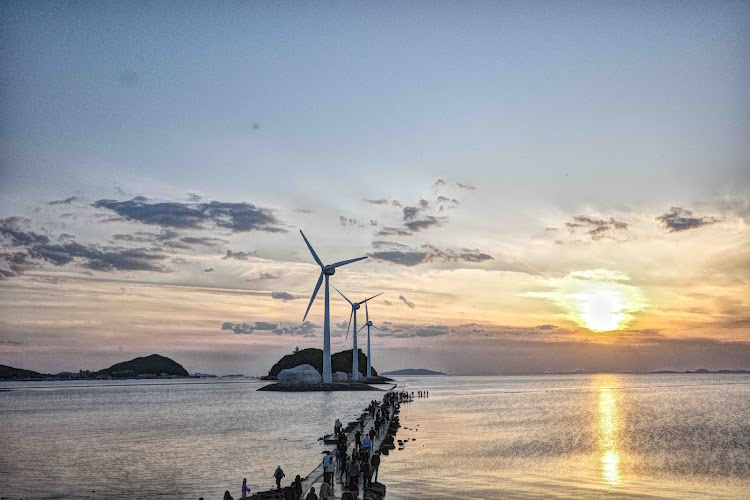
탄도항
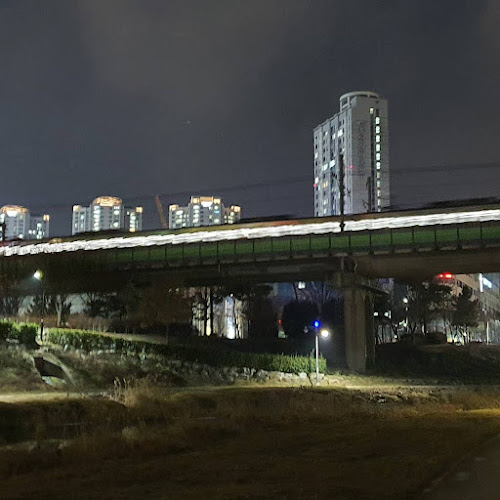
성포동
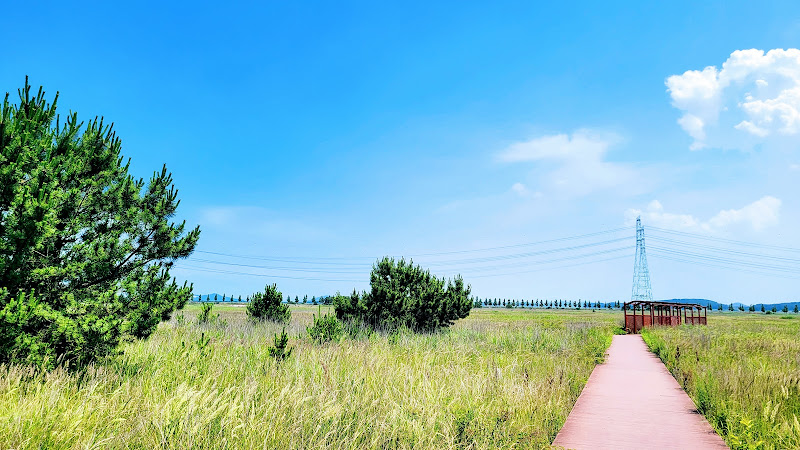
Danwon-gu
Find Accommodations Nearby
Recommended Tours & Activities
Visitor Reviews
There are no reviews yet. Be the first one to write one.
Share Your Experience
Have you visited 286-456 Gojan-dong? Help other travelers by leaving a review.