
Ansan Multicultural Family Service Center (MFSC)
About Ansan Multicultural Family Service Center (MFSC)
Description
The Ansan Multicultural Family Service Center represents something genuinely special in South Korea's evolving social landscape. Located in a city that's become one of the country's most diverse urban centers, this facility serves as a cultural bridge for international families navigating life in Korea. When I first learned about places like this, I'll admit I was curious about what exactly happens inside—turns out, it's far more comprehensive than most travelers realize. This center isn't your typical tourist destination, and that's exactly what makes it worth knowing about if you're traveling through Ansan. The facility operates as a support hub for multicultural families, offering everything from Korean language classes to cultural integration programs. But here's where it gets interesting for travelers: the center also functions as an unexpected cultural exchange space where visitors can genuinely experience Korea's contemporary multicultural reality rather than just its historical sites. The building itself is designed with accessibility in mind—wheelchair users will find proper entrance accommodations, which honestly should be standard everywhere but isn't always the case in older Korean facilities. Payment flexibility is another practical consideration they've gotten right: credit cards, debit cards, and NFC mobile payments are all accepted, making transactions hassle-free for international visitors who might not be carrying cash. What strikes me most about this center is how it represents modern Korea's demographic shift. Ansan has transformed into a hub for workers and families from across Asia, and this service center emerged as a response to real community needs. For travelers interested in understanding contemporary Korean society beyond the K-pop and palaces narrative, this place offers genuine insight.Key Features
• Cultural exchange programs that welcome international visitors and create opportunities for cross-cultural dialogue between travelers and local multicultural families • Korean language education facilities where travelers can observe or sometimes participate in beginner classes, providing context for language learning approaches in Korea • Consultation services that occasionally extend to helping travelers understand cultural nuances they might encounter during their Korean journey • Community gathering spaces designed for events, workshops, and cultural celebrations that sometimes coincide with visitor schedules • Children's education programs that showcase how multicultural families integrate Korean and heritage cultures for the next generation • Fully accessible entrance facilities ensuring wheelchair users and travelers with mobility considerations can explore the center comfortably • Modern payment infrastructure accepting various payment methods including contactless options that most international travelers prefer • Information resources about Ansan's multicultural communities, offering deeper understanding of the city's diverse neighborhoods • Cooking classes and cultural workshops that periodically open to visitors interested in authentic cross-cultural experiences • Exhibition spaces displaying art and cultural artifacts from the various communities represented in Ansan's multicultural populationBest Time to Visit
Timing your visit to the Ansan Multicultural Family Service Center requires a bit more strategy than your average tourist spot. The center operates during standard business hours on weekdays, which means weekday mornings typically offer the most authentic glimpse into its daily operations. If you're hoping to witness the center at its most active, Tuesday through Thursday mornings between 10 AM and noon tend to be when classes and programs are in full swing. That's when you'll see the Korean language sessions happening, cultural workshops running, and the space genuinely functioning as the community hub it was designed to be. Spring and fall bring special cultural festivals and events that the center often participates in or hosts. I'd particularly recommend visiting during these seasons if you want to experience cultural celebrations that blend Korean traditions with those from other countries. The cherry blossom season in April sometimes coincides with multicultural family events that are absolutely worth experiencing. But here's something most guides won't tell you—visiting during less busy periods has its own advantages. Late afternoon visits, particularly around 3 or 4 PM, offer opportunities for more in-depth conversations with staff who have more availability to share insights about the center's work and Ansan's multicultural community. Summer months can be particularly interesting because that's when many programs for children run during school vacation periods. The energy shifts completely, and you'll see a different side of how the center serves its community. Winter visits work well if you're interested in more structured programming since that's when regular term-based classes are running consistently. Just keep in mind that Korean holidays like Lunar New Year and Chuseok will affect the center's schedule, so checking ahead during these periods is essential.How to Get There
Getting to the Ansan Multicultural Family Service Center is reasonably straightforward once you understand the city's layout. Ansan sits southwest of Seoul, and most travelers will be coming from the capital city or Incheon International Airport. From Seoul, the most practical approach involves taking Line 4 of the Seoul Metropolitan Subway. The journey takes roughly an hour depending on your starting point, and you'll want to pay attention because the line splits—make sure you're on a train heading toward Oido station. Several stations in Ansan could work as your starting point, but checking the center's specific location relative to these stations beforehand saves wandering time. If you're arriving from Incheon Airport, you've got options. The direct airport limousine bus to Ansan runs regularly and takes about 90 minutes depending on traffic. Alternatively, combining the airport railroad with the subway works well too, though it involves a transfer and takes similar time overall. Taxis in Korea are relatively affordable compared to Western countries, and using one from nearby subway stations makes sense if you're traveling with companions or have limited time. The Kakao T app works brilliantly for calling taxis and provides fare estimates upfront—most drivers appreciate when foreigners use it because the destination is already set in the app. Ansan's bus system is comprehensive but can be confusing for first-time visitors. Local buses connect various parts of the city, and if you're comfortable navigating Korean bus systems, this option provides the most direct routes to many destinations. The Naver Map or Kakao Map apps are indispensable for figuring out bus routes in real-time. For travelers renting cars, parking is generally available, though navigating Korean GPS systems in English can be tricky. Setting your destination using the exact Korean name of the center in your navigation app prevents headaches.Tips for Visiting
Before heading to the Ansan Multicultural Family Service Center, contacting them beforehand makes a significant difference in your experience. The staff can let you know what programs or activities are happening during your intended visit, and sometimes they can arrange informal cultural exchange opportunities that wouldn't otherwise be available to drop-in visitors. Bring your passport or ID—it's standard practice at many Korean facilities to check identification, particularly at centers handling sensitive family services. This isn't about suspicion; it's just procedural. Language considerations matter here. While the center specifically serves multicultural families and has staff members who speak various languages, don't assume everyone speaks fluent English. Having a translation app ready helps, and honestly, attempting a few Korean phrases goes a long way in showing respect for the effort these families are making to learn Korean themselves. Dress comfortably and modestly. This isn't a temple or formal site, but you're visiting a family service center where people are genuinely working through real life situations. Respectful casual attire is appropriate—skip the beach wear or overly revealing clothing. Photography requires sensitivity and permission. Unlike tourist attractions where cameras are expected, the center serves real families who deserve privacy. Always ask before photographing anything or anyone, and be prepared for the answer to be no. Some cultural events might welcome documentation, but individual program spaces probably won't. If you're genuinely interested in participating in programs rather than just observing, express that interest upfront. Some language classes or cultural workshops can accommodate visitors when space allows, creating richer experiences than simple observation. Bring a reusable water bottle—the center has water available, and avoiding single-use plastics aligns with Korean environmental efforts. Consider your visit timing relative to meals. The center sometimes hosts community meals or cooking classes, and if you can align your visit with these, you're in for authentic multicultural Korean cuisine experiences that restaurants simply can't replicate. Download the Papago translation app before visiting. It handles Korean-to-English (and many other languages) better than most alternatives and works offline if you download language packs beforehand. Keep an open mind about what you'll experience. This isn't a museum with curated displays—it's a working community center where real families are building lives across cultural boundaries. The value comes from witnessing contemporary Korea's evolution, not from Instagram-worthy moments. Finally, if you're moved by what you see, consider that many multicultural support centers rely partly on donations and community support. Even small contributions or sharing information about their work with your network back home can make a real difference.Key Features
- Multilingual support and counseling (Korean plus common migrant languages)
- Basic legal, residency and employment information services
- Korean language classes and educational programs for families
- Cultural workshops, festivals and community integration events
- Referral network to local schools, health services and social welfare agencies
More Details
Updated April 5, 2026
Table of Contents
- Description
- Key Features
- Best Time to Visit
- How to Get There
- Tips for Visiting
- Key Highlights
- Location
- Places to Stay Near Ansan Multicultural Food Street"....every foreigner related things ..."
- Find and Book a Tour
- Explore More Travel Guides
- Key Takeaways
- About Ansan Multicultural Family Service Center (MFSC)
- History and Significance
- What Makes It Special
- What to See and Do
- Main Attractions and Highlights
- Best Time to Visit
- Visitor Information
- Location and How to Get There
- Tips for Visitors
- Nearby Places You Might Like
- Traveler Reviews for Ansan Multicultural Family Service Center (MFSC)
- Share Your Experience
Description
The Ansan Multicultural Family Service Center represents something genuinely special in South Korea’s evolving social landscape. Located in a city that’s become one of the country’s most diverse urban centers, this facility serves as a cultural bridge for international families navigating life in Korea. When I first learned about places like this, I’ll admit I was curious about what exactly happens inside—turns out, it’s far more comprehensive than most travelers realize.
This center isn’t your typical tourist destination, and that’s exactly what makes it worth knowing about if you’re traveling through Ansan. The facility operates as a support hub for multicultural families, offering everything from Korean language classes to cultural integration programs. But here’s where it gets interesting for travelers: the center also functions as an unexpected cultural exchange space where visitors can genuinely experience Korea’s contemporary multicultural reality rather than just its historical sites.
The building itself is designed with accessibility in mind—wheelchair users will find proper entrance accommodations, which honestly should be standard everywhere but isn’t always the case in older Korean facilities. Payment flexibility is another practical consideration they’ve gotten right: credit cards, debit cards, and NFC mobile payments are all accepted, making transactions hassle-free for international visitors who might not be carrying cash.
What strikes me most about this center is how it represents modern Korea’s demographic shift. Ansan has transformed into a hub for workers and families from across Asia, and this service center emerged as a response to real community needs. For travelers interested in understanding contemporary Korean society beyond the K-pop and palaces narrative, this place offers genuine insight.
Key Features
• Cultural exchange programs that welcome international visitors and create opportunities for cross-cultural dialogue between travelers and local multicultural families
• Korean language education facilities where travelers can observe or sometimes participate in beginner classes, providing context for language learning approaches in Korea
• Consultation services that occasionally extend to helping travelers understand cultural nuances they might encounter during their Korean journey
• Community gathering spaces designed for events, workshops, and cultural celebrations that sometimes coincide with visitor schedules
• Children’s education programs that showcase how multicultural families integrate Korean and heritage cultures for the next generation
• Fully accessible entrance facilities ensuring wheelchair users and travelers with mobility considerations can explore the center comfortably
• Modern payment infrastructure accepting various payment methods including contactless options that most international travelers prefer
• Information resources about Ansan’s multicultural communities, offering deeper understanding of the city’s diverse neighborhoods
• Cooking classes and cultural workshops that periodically open to visitors interested in authentic cross-cultural experiences
• Exhibition spaces displaying art and cultural artifacts from the various communities represented in Ansan’s multicultural population
Best Time to Visit
Timing your visit to the Ansan Multicultural Family Service Center requires a bit more strategy than your average tourist spot. The center operates during standard business hours on weekdays, which means weekday mornings typically offer the most authentic glimpse into its daily operations.
If you’re hoping to witness the center at its most active, Tuesday through Thursday mornings between 10 AM and noon tend to be when classes and programs are in full swing. That’s when you’ll see the Korean language sessions happening, cultural workshops running, and the space genuinely functioning as the community hub it was designed to be.
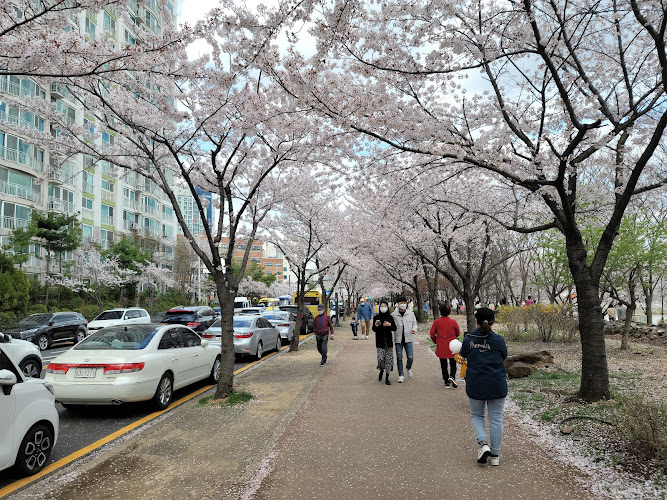
Spring and fall bring special cultural festivals and events that the center often participates in or hosts. I’d particularly recommend visiting during these seasons if you want to experience cultural celebrations that blend Korean traditions with those from other countries. The cherry blossom season in April sometimes coincides with multicultural family events that are absolutely worth experiencing.
But here’s something most guides won’t tell you—visiting during less busy periods has its own advantages. Late afternoon visits, particularly around 3 or 4 PM, offer opportunities for more in-depth conversations with staff who have more availability to share insights about the center’s work and Ansan’s multicultural community.
Summer months can be particularly interesting because that’s when many programs for children run during school vacation periods. The energy shifts completely, and you’ll see a different side of how the center serves its community.
Winter visits work well if you’re interested in more structured programming since that’s when regular term-based classes are running consistently. Just keep in mind that Korean holidays like Lunar New Year and Chuseok will affect the center’s schedule, so checking ahead during these periods is essential.
How to Get There
Getting to the Ansan Multicultural Family Service Center is reasonably straightforward once you understand the city’s layout. Ansan sits southwest of Seoul, and most travelers will be coming from the capital city or Incheon International Airport.
From Seoul, the most practical approach involves taking Line 4 of the Seoul Metropolitan Subway. The journey takes roughly an hour depending on your starting point, and you’ll want to pay attention because the line splits—make sure you’re on a train heading toward Oido station. Several stations in Ansan could work as your starting point, but checking the center’s specific location relative to these stations beforehand saves wandering time.
If you’re arriving from Incheon Airport, you’ve got options. The direct airport limousine bus to Ansan runs regularly and takes about 90 minutes depending on traffic. Alternatively, combining the airport railroad with the subway works well too, though it involves a transfer and takes similar time overall.
Taxis in Korea are relatively affordable compared to Western countries, and using one from nearby subway stations makes sense if you’re traveling with companions or have limited time. The Kakao T app works brilliantly for calling taxis and provides fare estimates upfront—most drivers appreciate when foreigners use it because the destination is already set in the app.
Ansan’s bus system is comprehensive but can be confusing for first-time visitors. Local buses connect various parts of the city, and if you’re comfortable navigating Korean bus systems, this option provides the most direct routes to many destinations. The Naver Map or Kakao Map apps are indispensable for figuring out bus routes in real-time.
For travelers renting cars, parking is generally available, though navigating Korean GPS systems in English can be tricky. Setting your destination using the exact Korean name of the center in your navigation app prevents headaches.
Tips for Visiting
Before heading to the Ansan Multicultural Family Service Center, contacting them beforehand makes a significant difference in your experience. The staff can let you know what programs or activities are happening during your intended visit, and sometimes they can arrange informal cultural exchange opportunities that wouldn’t otherwise be available to drop-in visitors.
Bring your passport or ID—it’s standard practice at many Korean facilities to check identification, particularly at centers handling sensitive family services. This isn’t about suspicion; it’s just procedural.
Language considerations matter here. While the center specifically serves multicultural families and has staff members who speak various languages, don’t assume everyone speaks fluent English. Having a translation app ready helps, and honestly, attempting a few Korean phrases goes a long way in showing respect for the effort these families are making to learn Korean themselves.
Dress comfortably and modestly. This isn’t a temple or formal site, but you’re visiting a family service center where people are genuinely working through real life situations. Respectful casual attire is appropriate—skip the beach wear or overly revealing clothing.
Photography requires sensitivity and permission. Unlike tourist attractions where cameras are expected, the center serves real families who deserve privacy. Always ask before photographing anything or anyone, and be prepared for the answer to be no. Some cultural events might welcome documentation, but individual program spaces probably won’t.
If you’re genuinely interested in participating in programs rather than just observing, express that interest upfront. Some language classes or cultural workshops can accommodate visitors when space allows, creating richer experiences than simple observation.
Bring a reusable water bottle—the center has water available, and avoiding single-use plastics aligns with Korean environmental efforts.
Consider your visit timing relative to meals. The center sometimes hosts community meals or cooking classes, and if you can align your visit with these, you’re in for authentic multicultural Korean cuisine experiences that restaurants simply can’t replicate.
Download the Papago translation app before visiting. It handles Korean-to-English (and many other languages) better than most alternatives and works offline if you download language packs beforehand.
Keep an open mind about what you’ll experience. This isn’t a museum with curated displays—it’s a working community center where real families are building lives across cultural boundaries. The value comes from witnessing contemporary Korea’s evolution, not from Instagram-worthy moments.
Finally, if you’re moved by what you see, consider that many multicultural support centers rely partly on donations and community support. Even small contributions or sharing information about their work with your network back home can make a real difference.
Key Highlights
- Multilingual support and counseling (Korean plus common migrant languages)
- Basic legal, residency and employment information services
- Korean language classes and educational programs for families
- Cultural workshops, festivals and community integration events
- Referral network to local schools, health services and social welfare agencies
Location
Find and Book a Tour
Explore More Travel Guides
No reviews found! Be the first to review!
Ansan-si has quietly become one of South Korea’s most diverse cities. The Ansan Multicultural Family Service Center sits right at the heart of this transformation.
This community center is a vital support hub for international families settling into Korean life. They offer practical help with everything from residence permits to cultural integration programs.
Located in a city where nearly 10% of residents come from abroad, the center plays a unique role you definitely won’t find in most other Korean cities.
You might wonder what makes this place worth your attention as a visitor. The center offers a rare window into modern Korea’s multicultural reality, far removed from the tourist highlights of Seoul or Busan.
It’s where real connections happen between Korean society and global communities. If you’re curious about contemporary social change in Korea, it’s honestly pretty fascinating.
Key Takeaways
- The center provides essential services and cultural support for international families living in Ansan
- Ansan has become one of Korea’s most diverse cities with significant foreign resident populations
- The facility represents Korea’s ongoing transformation into a multicultural society
About Ansan Multicultural Family Service Center (MFSC)
This place stands as a response to South Korea’s changing demographics. It provides support services while letting visitors peek into the country’s multicultural communities.
History and Significance
The center emerged as Ansan transformed into one of South Korea’s most diverse cities. As foreign workers and international families settled in the area, the need for dedicated support services became obvious.
The Ministry of Gender Equality and Family commissioned the facility, and the local YMCA runs it now. Ansan itself houses nearly 5% foreign residents, so it makes sense this is where such a place would open.
Here, families get real help—residence permits, work authorization, and cultural adjustment. It’s not just symbolic.
You won’t find this story in palace tours or traditional village visits. This is contemporary Korea, facing demographic shifts head-on.
What Makes It Special
The center’s more than just a service provider—it feels like a genuine cultural exchange space. Korean language classes run alongside workshops that blend traditions from all over.
Unlike typical tourist spots, everything here serves an actual community need. The staff speak multiple languages, reflecting the population they serve.
Sometimes, you can jump into a cooking class or cultural program that mixes Korean traditions with those from other Asian countries. The building is fully accessible for wheelchair users, and they take contactless payments (which is honestly such a relief).
But what really sets it apart is the authenticity. These aren’t performances for tourists—you’re seeing how international families actually build lives in Korea.
That perspective? It’s hard to find elsewhere.
What to See and Do
The Ansan Multicultural Family Service Center isn’t packed with tourist attractions in the usual sense. Instead, it offers something much more valuable—a genuine look at how Korea’s multicultural communities live and connect.
Your visit centers on cultural programs and community spaces that reflect modern Korean society.
Main Attractions and Highlights
The center’s Korean language classrooms give you a glimpse of how international families tackle language learning. You might catch a morning session where beginners practice basic phrases—it can be surprisingly moving to watch.
Cultural exchange programs are, honestly, the real draw here. Sometimes, travelers are welcome to join cross-cultural conversations that go way deeper than surface-level tourist interactions.
You’ll find cooking classes that blend Korean techniques with cuisines from across Asia. There are workshops where multicultural families share traditions from their home countries.
Community gathering spaces host rotating exhibitions—art, cultural items, you name it—from the various communities living in Ansan. Kids’ education programs show how families blend Korean culture with their heritage.
Think bilingual storytelling sessions and holiday celebrations that mix traditions. Program schedules shift with community needs and the season, so definitely check with staff about what’s on.
Best Time to Visit
Tuesday through Thursday mornings, from 10 AM to noon, are your best bet for seeing the center in full swing. That’s when language classes are running and cultural workshops fill the rooms.
Spring brings a special energy. April’s cherry blossom season sometimes lines up with multicultural family events that blend Korean spring traditions with celebrations from other cultures.
Fall is also great for festivals and cultural programming. If you swing by in the late afternoon—around 3 or 4 PM—staff usually have more time to chat about the center’s work and Ansan’s diverse communities.
Summer vacation periods totally change the vibe, with children’s programs taking over. Winter is more structured, focused on term-based classes if you’re into observing regular programming.
Just avoid major Korean holidays like Lunar New Year and Chuseok—the center shuts down for those.
Visitor Information
The center welcomes visitors during weekday business hours. Getting there from Seoul takes about an hour by subway.
Contact the center before your visit to find out about current programs and confirm accessibility needs.
Location and How to Get There
The Ansan Multicultural Family Service Center is in Ansan-si, Gyeonggi-do, southwest of Seoul. Easiest way to get there? Take Line 4 of the Seoul Metropolitan Subway toward Oido station.
Just double-check you’re on the right train since the line splits. The trip from central Seoul takes roughly an hour.
Several Ansan stations work as starting points, but check which one is closest to the center’s specific location before heading out. From Incheon Airport, the limousine bus to Ansan runs regularly and takes about 90 minutes, traffic depending.
You can also combine the airport railroad with the subway, but you’ll need to transfer. Taxis are affordable, and the Kakao T app makes getting a ride simple.
The app sets your destination automatically, which is a lifesaver if you don’t speak Korean.
Tips for Visitors
Call ahead before you swing by the Ansan Multicultural Family Service Center. The staff can fill you in on which programs are happening that day, and sometimes they’ll set up cultural exchange chances you’d never just stumble into.
Definitely bring your passport or some kind of ID. Korean facilities are big on checking identification, so don’t get caught off guard.
The center’s open on weekdays, sticking to regular business hours. If you drop in Tuesday through Thursday mornings, especially between 10 AM and noon, expect a crowd—Korean language classes and cultural workshops are buzzing then.
Prefer a quieter vibe? Late afternoons, say around 3 or 4 PM, are usually less hectic, and you’ll probably find staff with a bit more time to chat.
Seriously, download the Papago translation app before you head out. It just gets Korean in a way Google Translate doesn’t. Some staff do speak other languages, but don’t count on everyone being fluent in English—sometimes you’ll have to muddle through.
The building itself is wheelchair accessible, with proper ramps and entrances. Payments are easy: credit cards, debit cards, even mobile pay all work here.
One last thing—ask before snapping photos. This isn’t a tourist spot, it’s a real family service center, and people deserve their privacy.
Traveler Reviews for Ansan Multicultural Family Service Center (MFSC)
There are no reviews yet. Be the first one to write one.
Have you visited Ansan Multicultural Family Service Center (MFSC)? Help other travelers by sharing your review.
Nearby Attractions
You Might Also Like
Starlight Village Photo Land

Badahyanggi Arboretum
안산호수공원
Find Accommodations Nearby
Recommended Tours & Activities
Visitor Reviews
There are no reviews yet. Be the first one to write one.
Share Your Experience
Have you visited Ansan Multicultural Family Service Center (MFSC)? Help other travelers by leaving a review.