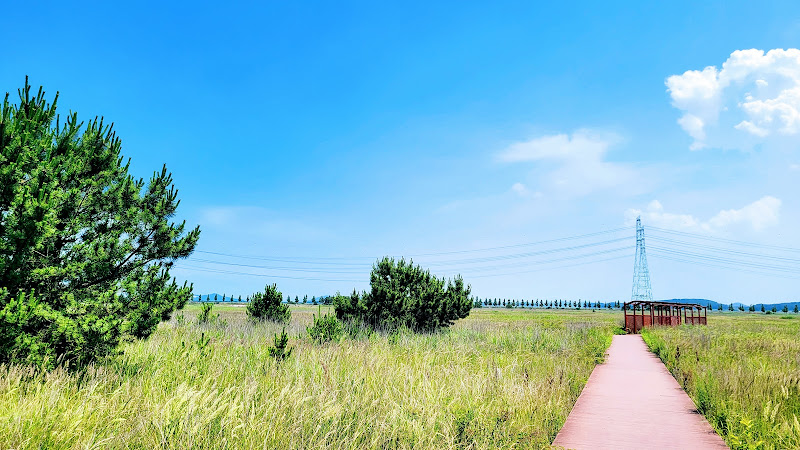
Danwon-gu, the southern district of Ansan in Gyeonggi-do, is an unassuming slice of everyday Korean life that rewards visitors who trade headline attractions for local color. Named after the famed 18th-century painter Kim Hong-do (pen name Danwon), the ward blends industrial neighborhoods, residential zones, and pockets of green space with a quietly lived-in charm. Historically part of the rapid postwar development around Seoul, Danwon-gu grew alongside Ansan’s manufacturing and port-linked economy, which shaped its working-class communities and multicultural atmosphere. Today it offers a mix of practical urban life — markets, neighborhood eateries, and community parks — alongside cultural touches tied to local history and civic festivals. Travelers should come for authentic street food, people-watching at small markets, and strolling riverside or municipal parks that reveal everyday rhythms away from tourist circuits. While it won’t replace Seoul’s monuments, Danwon-gu is valuable for those wanting to understand modern Korean urban life, explore regional food, and use the district as a base to visit greater Ansan and nearby Gyeonggi attractions.
Highlights & Key Features
Local markets and neighborhood eateries serving authentic Korean dishes
Parks and riverside green spaces for relaxed walks
Working-class, industrial heritage with multicultural communities
Proximity to Ansan city center and transport links across Gyeonggi-do
Cultural association with Kim Hong-do (Danwon) and local festivals
Visitor Guide & Information
Description
Danwon-gu represents one of those places that travelers often overlook when mapping out their South Korean adventures, and honestly, that’s part of its charm. This sprawling district anchors the southern portion of Ansan city, stretching from the urban heart all the way to the Yellow Sea coastline. It’s where you’ll find yourself shifting gears from exploring cultural venues downtown to breathing in salt air along fishing piers within the same afternoon.
The district manages to pull off something pretty remarkable – it doesn’t try to be Seoul. And that’s refreshing. Instead, Danwon-gu has carved out its own identity as a place where modern Korean life plays out without the constant tourist buzz. You’ll spot families spending weekends at the sledding hill, office workers unwinding at driving ranges, and fishermen casting lines off wooden piers that have seen decades of use.
What strikes most visitors is how the district organizes itself into distinct zones. The downtown area around Ansan proper brings together performance spaces and museums, while the coastal Daebu-dong neighborhood transforms into something entirely different – a landscape of tidal flats, seafood restaurants, and recreational lakes. I remember my first visit, expecting just another industrial suburb, only to discover these pockets of genuine local character scattered throughout.
The Hall of Ansan Culture and Arts serves as a cultural anchor here, bringing classical performances to audiences who might otherwise make the trek into Seoul for such experiences. Meanwhile, the Gyeonggi Museum of Modern Art offers rotating exhibitions that showcase contemporary Korean artists, many of whom never quite make it onto the international radar but produce work that’s absolutely worth your time.
Key Features
Hall of Ansan Culture and Arts presenting classical concerts and theatrical performances throughout the year, with acoustics that rival many Seoul venues but without the premium ticket prices
Gyeonggi Museum of Modern Art featuring rotating contemporary art exhibitions from established and emerging Korean artists, plus outdoor sculpture gardens that make for great photography
Ansan Wa~ Stadium hosting K League professional soccer matches where you can experience Korean football culture at its most passionate without fighting Seoul-sized crowds
Ansan Golf Club offering a driving range that locals swear by for practice sessions, though don’t expect championship courses here
Winter sledding hill that transforms into a family gathering spot during colder months, complete with rental equipment and warming stations
Daebu-dong coastal neighborhood providing access to multiple fishing piers where both serious anglers and casual visitors try their luck
Recreational lakes near the coast that become weekend picnic destinations for families looking to escape apartment living
Tidal flat ecosystems along the Yellow Sea coast that reveal entirely different landscapes depending on tide schedules
Local seafood markets where the morning’s catch gets sold directly to restaurants and home cooks, creating an authentic market atmosphere
Best Time to Visit
Timing your visit to Danwon-gu really depends on what you’re after, though I’d argue that late spring through early autumn gives you the most options. From May through October, the coastal areas become accessible without dealing with harsh weather, and those fishing piers actually feel pleasant rather than punishing.
Summer months, particularly July and August, bring warmer waters and longer daylight hours that make coastal exploration more rewarding. But here’s the thing – this is also when Korean families flock to these same areas for weekend getaways. You won’t encounter Busan-level crowds, but expect company at popular spots.
Fall presents probably the sweet spot for visiting. September and October deliver comfortable temperatures, clearer skies, and that wonderful window after summer vacation season but before winter shuts down outdoor activities. The museums and performance venues maintain their schedules year-round, so cultural attractions remain accessible regardless of season.
Winter visitors shouldn’t write off Danwon-gu entirely, though. The sledding hill operates from December through February, and there’s something genuinely enjoyable about watching Korean families bundle up for a day of winter recreation. Plus, seafood restaurants serving steaming hot stews become especially appealing when temperatures drop. Just know that coastal areas can get brutally cold with wind coming off the Yellow Sea.
Soccer fans should check the K League schedule since Ansan Wa~ Stadium matches create a completely different energy in the district. Spring and fall seasons bring the most comfortable match-watching weather, though die-hard supporters show up regardless of conditions.
One consideration that doesn’t get mentioned enough – avoid major Korean holidays like Chuseok and Seollal unless you specifically want to experience how locals celebrate. Many venues close, transportation gets complicated, and the district essentially empties out as residents travel to hometowns.
How to Get There
Getting to Danwon-gu requires a bit more effort than hopping on Seoul’s subway, but it’s far from complicated. The Seoul Metropolitan Subway’s Line 4 extends south to Ansan, with Ansan Station and Choji Station serving as your main entry points to the district. From central Seoul, you’re looking at roughly an hour on the train, maybe a bit more depending on your starting point.
Once you arrive at either station, the district spreads out enough that you’ll need secondary transportation for most attractions. Local buses run frequently and cost next to nothing, though deciphering routes requires either good Korean language skills or a solid navigation app. Taxi services work well for getting around, especially if you’re traveling in a group where splitting fares makes economic sense.
For coastal areas like Daebu-dong, the journey gets a bit more involved. You’ll typically take the subway to Ansan, then catch a local bus heading toward the coast. The ride takes another 30-40 minutes depending on traffic, but buses run regularly enough that you won’t be stranded. Some visitors rent cars, which honestly makes sense if you’re planning to explore multiple coastal spots or prefer flexibility over public transit schedules.
I’ve found that allowing extra time for navigation works better than stressing over perfect efficiency. Unlike Seoul where everything’s marked in multiple languages, Danwon-gu operates more in Korean, which adds a layer of adventure (or frustration, depending on your perspective) to getting around.
The district also connects to other parts of Gyeonggi Province through intercity bus routes, making it possible to work Danwon-gu into broader regional itineraries rather than treating it as a standalone destination.
Tips for Visiting
Download a navigation app with Korean transit options before arriving – Kakao Map or Naver Map both work better than Google Maps for this area. The English interfaces aren’t perfect, but they’ll save you considerable confusion when trying to catch the right bus.
Bring cash, especially if you’re heading to coastal areas or local markets. While Seoul has gone nearly cashless, Danwon-gu still operates with plenty of cash-only vendors, particularly at fishing piers and smaller restaurants. ATMs exist throughout the district, but finding one when you need it creates unnecessary stress.
For museum visits, check exhibition schedules online if possible since displays rotate and some periods feature stronger collections than others. The Gyeonggi Museum of Modern Art especially tends to have significant variation in exhibition quality depending on timing.
Soccer match tickets at Ansan Wa~ Stadium can usually be purchased on game day, but checking availability beforehand prevents disappointment. The atmosphere here feels more authentic than bigger stadiums – fans actually watch the game rather than treating it as a social event. Bring something warm even during summer months since evening matches can get chilly.
Coastal visits absolutely require checking tide schedules if you want to see tidal flats at their most interesting. Low tide reveals an entirely different landscape, and timing your visit right makes the difference between a memorable experience and just staring at water.
The sledding hill operates on a first-come basis during winter, and weekends get packed with local families. Weekday visits offer much shorter wait times for equipment rentals and runs down the hill. Dress warmer than you think necessary – that wind coming across the flats doesn’t mess around.
Food options lean heavily toward Korean cuisine with limited international alternatives, so embrace local restaurants rather than searching for familiar chains. Seafood obviously dominates coastal areas, and freshness levels exceed what you’ll find in Seoul restaurants. Don’t be shy about pointing at dishes other diners are eating if menu navigation proves challenging.
Learning basic Korean phrases helps significantly more here than in Seoul. Even simple greetings and thank-yous generate noticeably warmer responses from locals who don’t encounter foreign visitors constantly.
Finally, adjust expectations accordingly. Danwon-gu won’t deliver Instagram-famous landmarks or luxury shopping experiences. What it offers instead is a genuine slice of how South Koreans actually live, work, and spend leisure time outside the capital’s intensity. Some travelers find that refreshing, while others feel underwhelmed. Knowing which camp you fall into before visiting saves everyone time and disappointment.
Danwon-gu represents one of those places that travelers often overlook when mapping out their South Korean adventures, and honestly, that’s part of its charm. This sprawling district anchors the southern portion of Ansan city, stretching from the urban heart all the way to the Yellow Sea coastline. It’s where you’ll find yourself shifting gears from exploring cultural venues downtown to breathing in salt air along fishing piers within the same afternoon.
The district manages to pull off something pretty remarkable – it doesn’t try to be Seoul. And that’s refreshing. Instead, Danwon-gu has carved out its own identity as a place where modern Korean life plays out without the constant tourist buzz. You’ll spot families spending weekends at the sledding hill, office workers unwinding at driving ranges, and fishermen casting lines off wooden piers that have seen decades of use.
What strikes most visitors is how the district organizes itself into distinct zones. The downtown area around Ansan proper brings together performance spaces and museums, while the coastal Daebu-dong neighborhood transforms into something entirely different – a landscape of tidal flats, seafood restaurants, and recreational lakes. I remember my first visit, expecting just another industrial suburb, only to discover these pockets of genuine local character scattered throughout.
The Hall of Ansan Culture and Arts serves as a cultural anchor here, bringing classical performances to audiences who might otherwise make the trek into Seoul for such experiences. Meanwhile, the Gyeonggi Museum of Modern Art offers rotating exhibitions that showcase contemporary Korean artists, many of whom never quite make it onto the international radar but produce work that’s absolutely worth your time.
Key Features
Hall of Ansan Culture and Arts presenting classical concerts and theatrical performances throughout the year, with acoustics that rival many Seoul venues but without the premium ticket prices
Gyeonggi Museum of Modern Art featuring rotating contemporary art exhibitions from established and emerging Korean artists, plus outdoor sculpture gardens that make for great photography
Ansan Wa~ Stadium hosting K League professional soccer matches where you can experience Korean football culture at its most passionate without fighting Seoul-sized crowds
Ansan Golf Club offering a driving range that locals swear by for practice sessions, though don’t expect championship courses here
Winter sledding hill that transforms into a family gathering spot during colder months, complete with rental equipment and warming stations
Daebu-dong coastal neighborhood providing access to multiple fishing piers where both serious anglers and casual visitors try their luck
Recreational lakes near the coast that become weekend picnic destinations for families looking to escape apartment living
Tidal flat ecosystems along the Yellow Sea coast that reveal entirely different landscapes depending on tide schedules
Local seafood markets where the morning’s catch gets sold directly to restaurants and home cooks, creating an authentic market atmosphere
Best Time to Visit
Timing your visit to Danwon-gu really depends on what you’re after, though I’d argue that late spring through early autumn gives you the most options. From May through October, the coastal areas become accessible without dealing with harsh weather, and those fishing piers actually feel pleasant rather than punishing.
Summer months, particularly July and August, bring warmer waters and longer daylight hours that make coastal exploration more rewarding. But here’s the thing – this is also when Korean families flock to these same areas for weekend getaways. You won’t encounter Busan-level crowds, but expect company at popular spots.
Fall presents probably the sweet spot for visiting. September and October deliver comfortable temperatures, clearer skies, and that wonderful window after summer vacation season but before winter shuts down outdoor activities. The museums and performance venues maintain their schedules year-round, so cultural attractions remain accessible regardless of season.
Winter visitors shouldn’t write off Danwon-gu entirely, though. The sledding hill operates from December through February, and there’s something genuinely enjoyable about watching Korean families bundle up for a day of winter recreation. Plus, seafood restaurants serving steaming hot stews become especially appealing when temperatures drop. Just know that coastal areas can get brutally cold with wind coming off the Yellow Sea.
Soccer fans should check the K League schedule since Ansan Wa~ Stadium matches create a completely different energy in the district. Spring and fall seasons bring the most comfortable match-watching weather, though die-hard supporters show up regardless of conditions.
One consideration that doesn’t get mentioned enough – avoid major Korean holidays like Chuseok and Seollal unless you specifically want to experience how locals celebrate. Many venues close, transportation gets complicated, and the district essentially empties out as residents travel to hometowns.
How to Get There
Getting to Danwon-gu requires a bit more effort than hopping on Seoul’s subway, but it’s far from complicated. The Seoul Metropolitan Subway’s Line 4 extends south to Ansan, with Ansan Station and Choji Station serving as your main entry points to the district. From central Seoul, you’re looking at roughly an hour on the train, maybe a bit more depending on your starting point.
Once you arrive at either station, the district spreads out enough that you’ll need secondary transportation for most attractions. Local buses run frequently and cost next to nothing, though deciphering routes requires either good Korean language skills or a solid navigation app. Taxi services work well for getting around, especially if you’re traveling in a group where splitting fares makes economic sense.
For coastal areas like Daebu-dong, the journey gets a bit more involved. You’ll typically take the subway to Ansan, then catch a local bus heading toward the coast. The ride takes another 30-40 minutes depending on traffic, but buses run regularly enough that you won’t be stranded. Some visitors rent cars, which honestly makes sense if you’re planning to explore multiple coastal spots or prefer flexibility over public transit schedules.
I’ve found that allowing extra time for navigation works better than stressing over perfect efficiency. Unlike Seoul where everything’s marked in multiple languages, Danwon-gu operates more in Korean, which adds a layer of adventure (or frustration, depending on your perspective) to getting around.
The district also connects to other parts of Gyeonggi Province through intercity bus routes, making it possible to work Danwon-gu into broader regional itineraries rather than treating it as a standalone destination.
Tips for Visiting
Download a navigation app with Korean transit options before arriving – Kakao Map or Naver Map both work better than Google Maps for this area. The English interfaces aren’t perfect, but they’ll save you considerable confusion when trying to catch the right bus.
Bring cash, especially if you’re heading to coastal areas or local markets. While Seoul has gone nearly cashless, Danwon-gu still operates with plenty of cash-only vendors, particularly at fishing piers and smaller restaurants. ATMs exist throughout the district, but finding one when you need it creates unnecessary stress.
For museum visits, check exhibition schedules online if possible since displays rotate and some periods feature stronger collections than others. The Gyeonggi Museum of Modern Art especially tends to have significant variation in exhibition quality depending on timing.
Soccer match tickets at Ansan Wa~ Stadium can usually be purchased on game day, but checking availability beforehand prevents disappointment. The atmosphere here feels more authentic than bigger stadiums – fans actually watch the game rather than treating it as a social event. Bring something warm even during summer months since evening matches can get chilly.
Coastal visits absolutely require checking tide schedules if you want to see tidal flats at their most interesting. Low tide reveals an entirely different landscape, and timing your visit right makes the difference between a memorable experience and just staring at water.
The sledding hill operates on a first-come basis during winter, and weekends get packed with local families. Weekday visits offer much shorter wait times for equipment rentals and runs down the hill. Dress warmer than you think necessary – that wind coming across the flats doesn’t mess around.
Food options lean heavily toward Korean cuisine with limited international alternatives, so embrace local restaurants rather than searching for familiar chains. Seafood obviously dominates coastal areas, and freshness levels exceed what you’ll find in Seoul restaurants. Don’t be shy about pointing at dishes other diners are eating if menu navigation proves challenging.
Learning basic Korean phrases helps significantly more here than in Seoul. Even simple greetings and thank-yous generate noticeably warmer responses from locals who don’t encounter foreign visitors constantly.
Finally, adjust expectations accordingly. Danwon-gu won’t deliver Instagram-famous landmarks or luxury shopping experiences. What it offers instead is a genuine slice of how South Koreans actually live, work, and spend leisure time outside the capital’s intensity. Some travelers find that refreshing, while others feel underwhelmed. Knowing which camp you fall into before visiting saves everyone time and disappointment.
Key Highlights
Local markets and neighborhood eateries serving authentic Korean dishes
Parks and riverside green spaces for relaxed walks
Working-class, industrial heritage with multicultural communities
Proximity to Ansan city center and transport links across Gyeonggi-do
Cultural association with Kim Hong-do (Danwon) and local festivals
Danwon-gu sits tucked into the southern part of Ansan City, just southwest of Seoul in Gyeonggi Province. This district offers an authentic look at everyday Korean life away from the usual tourist crowds, combining coastal beauty with cultural experiences that most visitors to South Korea never discover.
The name itself honors Kim Hong Do, the 18th-century Korean artist known as Danwon. It’s a detail most people breeze past, but you notice it everywhere—murals, statues, even local street names.
What makes this area worth your time is its mix of attractions you won’t find in guidebooks. You’ll stumble into local markets, waterfront parks, and the coastal charm of Daebu Island, all while getting a sense for how South Koreans actually live and eat.
The district is easily accessible from Seoul, making it a practical day trip or weekend escape if you’re itching to step off the beaten path.
Key Takeaways
Danwon-gu is a district in Ansan City that offers authentic local experiences away from typical tourist areas
The area includes coastal attractions and cultural sites named after the famous artist Kim Hong Do
You can easily reach Danwon-gu from Seoul for a genuine glimpse into everyday South Korean life
About Danwon-gu
Danwon-gu takes its name from Kim Hong-do, an 18th-century painter whose artistic nickname was “Danwon.” It’s become one of the most culturally diverse districts you’ll find in South Korea.
This western district of Ansan-si in Gyeonggi-do has transformed from agricultural land into a bustling urban area. It now welcomes the largest foreign population of any district in the country.
History and Significance
The district’s evolution mirrors Ansan-si’s own transformation over the decades. What started as farmland gradually shifted into an industrial center, drawing workers from across Asia and beyond.
Kim Hong-do’s hometown was originally called “Ansan,” and when residents wanted to honor their famous artist, they chose his nickname for the district. It’s a subtle nod, but it gives the place a sense of pride you can pick up on if you pay attention.
Today, Danwon-gu hosts over 68,000 foreign residents according to South Korea’s Ministry of Justice. That makes it the most internationally diverse district in the entire country.
You’ll notice this diversity immediately when you walk through the streets—restaurants serving Vietnamese pho sit next to Chinese noodle shops, and you’ll hear multiple languages in the local markets.
The district also includes Daebu-do island, which gives Danwon-gu access to coastal scenery and fishing communities that contrast sharply with the urban areas near Ansan Station.
What Makes It Special
Your experience in Danwon-gu will differ from typical Seoul tourist districts, and that’s exactly the point. The multicultural character creates a food scene you won’t find elsewhere in Gyeonggi-do.
You can sample authentic Southeast Asian cuisine, traditional Korean dishes, and international options all within a few blocks. It’s a bit of a culinary adventure, honestly.
The district balances green spaces like Ansan Botanical Garden with cultural venues such as the Ansan Arts Center. And because it’s connected to Seoul via Line 4 of the subway, you can easily make day trips while staying in the capital.
Spring and autumn offer the best weather for exploring the outdoor attractions. The area around Ansan Station buzzes with activity, giving you a real glimpse into how South Koreans live outside the more polished tourist zones.
What to See and Do
Danwon-gu packs in a surprising mix of cultural venues, green spaces, and local experiences that most guidebooks skip over. You’ll find everything from world-class art museums to lively soccer matches here.
Main Attractions and Highlights
The Ansan Botanical Garden gives you a peaceful escape from the city buzz. You can wander through greenhouses filled with tropical plants and themed gardens showcasing medicinal herbs and succulents.
Spring and fall bring the best flower displays, but honestly, even winter visits have their charm when frost coats the native Korean plants.
For culture lovers, the Hall of Ansan Culture and Arts is where you want to be. The acoustics in this venue rival many Seoul concert halls, but your wallet will thank you since tickets cost significantly less than what you’d pay in the capital.
Check their schedule for classical concerts and theatrical performances throughout the year. It’s the kind of spot you almost want to keep secret.
The Gyeonggi Museum of Modern Art deserves a full afternoon of your time. Beyond the rotating exhibitions from both established and emerging Korean artists, the outdoor sculpture gardens provide fantastic photo opportunities.
And the best part? It’s far less crowded than Seoul’s art scene.
Ansan Wa~ Stadium brings you face-to-face with Korean soccer culture during K League matches. The energy in the stands is electric, and you’ll get a real taste of how passionate locals are about their team.
Best Time to Visit
March through May offers ideal weather for exploring outdoor attractions like Ansan Botanical Garden and the sculpture gardens at the Gyeonggi Museum of Modern Art. Temperatures hover comfortably in the 60s-70s Fahrenheit, and you’ll catch cherry blossoms and spring flowers at their peak.
Fall, particularly October and early November, rivals spring for pleasant conditions. The foliage around parks turns vibrant shades of red and gold, making it perfect for photography.
Plus, you’ll avoid the summer humidity that can make outdoor exploration pretty uncomfortable. If you’re planning to catch a K League match at Ansan Wa~ Stadium, the season typically runs from March through November.
But summer games can be sweltering, so spring or fall matches give you the best experience without melting in your seat.
Visitor Information
Getting to Danwon-gu is straightforward from Seoul, and a few practical tips will help you make the most of your visit to this culturally diverse district.
Location and How to Get There
Danwon-gu sits in the southern part of Ansan-si, in Gyeonggi Province. You’ll find it easily accessible from Seoul via Subway Line 4, which takes you directly to Ansan Station in about an hour.
The blue line runs frequently throughout the day, making it one of the most convenient options for getting there. If you prefer buses, you can catch intercity buses from Seoul’s Nambu Bus Terminal that run regularly to Ansan.
Once you arrive at Ansan Station, you’re in the heart of Danwon-gu. The station area serves as a good starting point for exploring the district.
Getting around within Danwon-gu works best using local buses or taxis. Buses cover the district comprehensively and connect you to attractions like the Botanical Garden and various parks.
Taxis are affordable and readily available. But here’s a local tip: download the Kakao T app before you arrive.
It makes hailing taxis and navigating bus routes much easier, especially if you don’t read Korean.
Tips for Visitors
First thing’s first—grab yourself a T-money or Cashbee card when you arrive. You’ll spot these at the convenience stores right by the station.
Trust me, they’re a lifesaver. You can tap your way onto all the buses, subways, and even some vending machines or taxis, which means less fumbling for coins.
Wondering when to go? Well, spring and fall are honestly the sweet spot around Danwon-gu.
The weather’s just right for wandering through the parks or poking around outdoor spots. If you’re thinking about hopping over to Daebu Island or checking out Tando Port, it’s smart to peek at the tide schedules first.
Some of those seaside attractions are only accessible at low tide, and missing that window can be a bit of a letdown.
Danwon-gu’s got this vibrant multicultural vibe, especially around Wongok-dong. Since it was named a Special Multicultural Zone back in 2009, you’ll find a mix of international restaurants and grocery stores you probably didn’t expect in suburban Korea.
English isn’t super common in most shops or eateries, so having a translation app handy? You’ll thank yourself later.
If you get lost or just want some tips from a local, swing by the Tourism Information Center at 993-7, Wongok-dong. They’re usually open from 10:00 to 17:00, but hours can shift with the seasons, so maybe double-check when you get there.
Explore verified points of interest within walking or short transit distance.
No neighboring places mapped within 5 km yet.
Find Places to Stay Nearby
Stay22 provides this accommodation search. We may earn a commission if you book through it; verify current prices and terms with the provider.
🗺️
Interactive accommodation map requires marketing cookies to display live rates.
Recommended Experiences & Activities
GetYourGuide provides this tour inventory. We may earn a commission if you book through it; verify current availability, prices, and terms with the provider.
Top Viator Experiences & Guided Tours in Ansan-si
We may earn a commission if you book through links on this page at no extra cost to you. All tours feature verified customer reviews and flexible cancellation options.