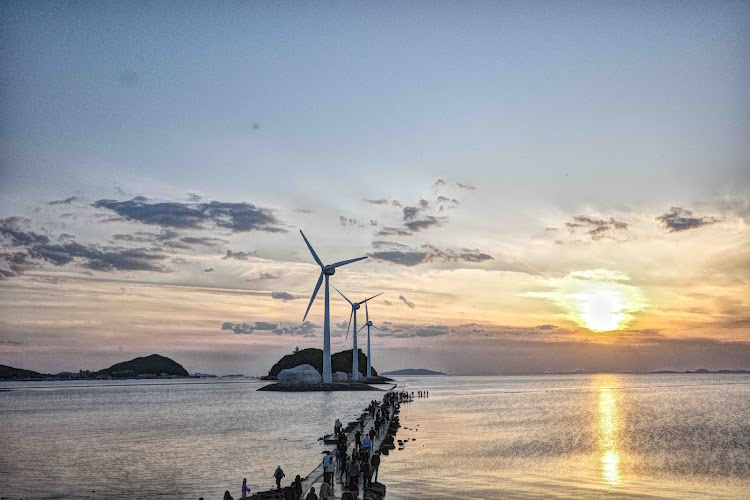
Tando Port (탄도항) on Daebu-do in Ansan-si is a quietly atmospheric fishing harbor where working coastal life meets dramatic West Sea scenery. Historically a local fishing and salt-harvesting hub, the port and its nearby sandbar known as Nuoeseom (누에섬) became famous for the tidal “sea road” that opens at low tide, allowing visitors to walk to the exposed island—an experience long cherished by residents and increasingly sought by photographers and sunset chasers. What makes Tando Port special is this combination of everyday maritime activity (fishing boats, nets, and harbor markets) with cinematic sunsets, wind turbines on the headland, and the seasonal rhythm of the tidal flats. Walk the harbor, time a visit to coincide with low tide to cross to Nuoeseom, and linger for the warm glow of sunset as the sky reflects on wide tidal flats. It’s an accessible daytrip from Seoul and a place to feel the scale of the West Sea while observing local coastal culture.
Highlights & Key Features
Tidal sea road to Nuoeseom (walkable at low tide)
Working fishing harbor with local seafood and markets
Scenic sunset views over wide tidal flats
Nearby wind turbines and coastal walking paths
Access to Daebu-do island attractions and cable car connections in the region
Visitor Guide & Information
Description
Tando Port sits along South Korea’s western coast as one of those places that somehow manages to feel both overlooked and absolutely essential at the same time. You know the type—a working harbor that doubles as a scenic retreat where the line between daily life and tourist attraction blurs in the most wonderful way. The port has been serving fishing vessels and local communities for years, and honestly, that authentic character is what makes it special.
What strikes most visitors first is the sprawling waterfront that seems to stretch endlessly toward the horizon. The port area combines industrial fishing operations with recreational spaces, creating this interesting juxtaposition that somehow just works. Local fishermen haul in their catches while families stroll along the promenade, and nobody seems to mind sharing the space. It’s real life happening alongside vacation mode, which I’ve always found more interesting than those sanitized tourist zones anyway.
The sunset views here have earned the port a reputation that extends well beyond the immediate region. As the day winds down, the sky transforms into this canvas of oranges, pinks, and purples that reflect off the Yellow Sea in a way that makes even the most jaded travelers reach for their cameras. But what sets Tando apart from other coastal spots isn’t just the visual spectacle—it’s the atmosphere. The smell of salt air mixes with the day’s catch, boats bob gently in their moorings, and there’s this palpable sense of the sea that you just can’t manufacture.
The facilities here cater to both accessibility and comfort, with thoughtful design elements that make the area welcoming to visitors of all mobility levels. This isn’t always a given at working ports, so it’s worth noting that the infrastructure here has been developed with genuine consideration for diverse visitors.
Key Features
The distinctive elements that define Tando Port include:
• Expansive waterfront walkways that provide unobstructed views across the Yellow Sea, perfect for evening strolls when the light turns golden
• Active fishing port operations where visitors can observe authentic maritime work and occasionally purchase fresh seafood directly from returning boats
• Wheelchair accessible facilities throughout the main viewing areas and parking zones, ensuring the port’s beauty is available to everyone
• Dedicated sunset viewing platforms positioned strategically to capture the western sky’s most dramatic displays
• Mix of recreational and commercial spaces that create an authentic Korean coastal experience rather than a purely tourist-oriented environment
• Nearby seafood restaurants serving catches brought in just hours earlier, offering that dock-to-table freshness that’s increasingly rare
• Open layout that accommodates both quiet contemplation and family activities without areas feeling overcrowded
• Natural harbor formation that creates interesting water patterns and boat movements throughout the day
• Photography opportunities ranging from maritime industrial scenes to romantic sunset compositions
• Local atmosphere where regular port workers and visitors coexist, providing genuine cultural insight into coastal Korean life
Best Time to Visit
Timing your visit to Tando Port really depends on what kind of experience you’re chasing. The sunset reputation means late afternoon through early evening draws the biggest crowds, particularly during spring and fall when the weather cooperates and the air clarity is at its peak. If you’ve ever tried photographing a sunset with fifty other people doing the same thing, you know it can feel a bit like a photo safari. But honestly? Even with company, those evening skies deliver.
Spring months from April through May bring mild temperatures and that crisp air quality that makes distant horizons appear sharp and detailed. The seas tend to be calmer then, which means better reflections in the water and generally more pleasant conditions for extended waterfront wandering. I’d argue this is actually the sweet spot for visiting, though you didn’t hear it from me.
Summer gets busy—really busy—with Korean domestic travelers making the most of vacation season. July and August see temperatures climbing and humidity rising, which can make midday visits somewhat uncomfortable. But summer also brings its own charm with longer days and that energetic atmosphere that comes with school holidays and family trips. Just prepare for crowds and maybe pack some extra water.
Autumn, particularly September through early November, rivals spring for ideal visiting conditions. The temperatures drop back to comfortable ranges, the summer crowds thin out, and there’s something about the autumn light that makes those sunsets even more spectacular. The fishing activity picks up during these months too, so you’re more likely to see boats coming and going throughout the day.
Winter visits require a different mindset entirely. It gets cold—properly cold with winds coming off the Yellow Sea that cut right through inadequate layers. But if you can handle the chill, winter offers some advantages. The area is far less crowded, the light has this stark quality that creates dramatic photographs, and there’s something almost meditative about standing at a windswept port watching waves crash against the breakwater. Just dress appropriately and maybe save the extended strolling for warmer months.
Weekdays generally see lighter foot traffic than weekends regardless of season, which makes sense but is worth planning around if you prefer a quieter experience. Early mornings catch the fishing boats heading out, which provides a different but equally compelling scene compared to the famous sunsets.
How to Get There
Getting to Tando Port requires a bit of planning since it’s not exactly next door to Seoul or other major urban centers. Most visitors arrive by car, which offers the most flexibility and makes the journey relatively straightforward. The road infrastructure in this region has improved significantly over recent years, making the drive more pleasant than it might have been a decade ago.
From Seoul, you’re looking at roughly a two to three hour drive depending on traffic and your exact starting point. The route takes you southwest through increasingly rural landscapes as you approach the coast. Having your own vehicle also gives you the freedom to explore surrounding areas and depart on your own schedule rather than being tied to bus timetables.
Public transportation is possible but requires more coordination. Bus services run from nearby cities to the general area, though you may need to arrange additional local transportation for the final leg of the journey. This option works best for budget-conscious travelers or those specifically avoiding driving, but do research current schedules since they can change seasonally.
Taxi or rideshare services from nearby towns offer another alternative, particularly if you’re staying somewhere in the region and making Tando Port a day trip destination. The costs can add up compared to public buses, but the convenience factor sometimes justifies the expense.
The parking situation at the port itself is actually quite good, with designated lots that include accessible spaces. During peak visiting hours around sunset, spots can fill up, so arriving with a bit of buffer time makes sense if you’re driving. The accessible parking connects directly to the main viewing areas via paved pathways, which is a detail that matters more than many realize until they need it.
Tips for Visiting
After hearing from friends who’ve visited and doing my own research, here’s what actually matters when you’re planning your Tando Port experience. First off, layer your clothing more than you think you need to. Coastal weather is notoriously unpredictable, and even on seemingly calm days, winds can pick up quickly off the water. That light jacket you almost left in the car? You’ll want it.
Timing your arrival about an hour before sunset gives you enough time to scout good viewing positions without the stress of rushing. This also lets you watch the light gradually change rather than just showing up for the finale. And honestly, sometimes the pre-sunset period offers more interesting colors than the main event.
Bring a decent camera or make sure your phone is charged. Yes, everyone says this, but I’ve watched too many disappointed visitors fumbling with dead batteries as the sky turns those impossible shades of pink and orange. A portable charger isn’t a bad idea either.
The seafood restaurants near the port vary in quality like anywhere else. Look for places where you see local families eating rather than just tourists—that’s usually a reliable indicator of both authenticity and value. The language barrier can be real here since it’s not as internationalized as Seoul, so having a translation app ready helps with menus and basic communication.
Comfortable walking shoes matter more than style points at a working port. The surfaces range from smooth pavement to rougher dock areas, and you’ll probably end up covering more distance than you initially planned because the views keep pulling you further along the waterfront.
Check tide times if you’re particular about the water level for photography or just general aesthetics. High tide creates different visual compositions than low tide, and neither is necessarily better—just different.
The accessible features are genuinely well-implemented here, but it’s still worth calling ahead if you have specific mobility requirements to confirm current conditions. Weather and maintenance can occasionally affect accessibility in ways that aren’t immediately apparent from general information.
If you’re visiting during popular times, accept that you’ll be sharing the experience with others rather than fighting against it. Some of my best travel moments have come from chatting with fellow visitors who are equally captivated by a good sunset. The communal appreciation can actually enhance the experience if you let it.
Pack some snacks and water, especially if you’re planning an extended visit. While there are facilities nearby, having your own supplies means you can stay put in a good spot rather than having to abandon it for basic needs.
Don’t limit yourself to just the main viewing platforms. Walking a bit further along the port often reveals equally beautiful perspectives with fewer people, and sometimes those discovered views end up being more memorable than the designated spots everyone clusters around.
Tando Port sits along South Korea’s western coast as one of those places that somehow manages to feel both overlooked and absolutely essential at the same time. You know the type—a working harbor that doubles as a scenic retreat where the line between daily life and tourist attraction blurs in the most wonderful way. The port has been serving fishing vessels and local communities for years, and honestly, that authentic character is what makes it special.
What strikes most visitors first is the sprawling waterfront that seems to stretch endlessly toward the horizon. The port area combines industrial fishing operations with recreational spaces, creating this interesting juxtaposition that somehow just works. Local fishermen haul in their catches while families stroll along the promenade, and nobody seems to mind sharing the space. It’s real life happening alongside vacation mode, which I’ve always found more interesting than those sanitized tourist zones anyway.
The sunset views here have earned the port a reputation that extends well beyond the immediate region. As the day winds down, the sky transforms into this canvas of oranges, pinks, and purples that reflect off the Yellow Sea in a way that makes even the most jaded travelers reach for their cameras. But what sets Tando apart from other coastal spots isn’t just the visual spectacle—it’s the atmosphere. The smell of salt air mixes with the day’s catch, boats bob gently in their moorings, and there’s this palpable sense of the sea that you just can’t manufacture.
The facilities here cater to both accessibility and comfort, with thoughtful design elements that make the area welcoming to visitors of all mobility levels. This isn’t always a given at working ports, so it’s worth noting that the infrastructure here has been developed with genuine consideration for diverse visitors.
Key Features
The distinctive elements that define Tando Port include:
• Expansive waterfront walkways that provide unobstructed views across the Yellow Sea, perfect for evening strolls when the light turns golden
• Active fishing port operations where visitors can observe authentic maritime work and occasionally purchase fresh seafood directly from returning boats
• Wheelchair accessible facilities throughout the main viewing areas and parking zones, ensuring the port’s beauty is available to everyone
• Dedicated sunset viewing platforms positioned strategically to capture the western sky’s most dramatic displays
• Mix of recreational and commercial spaces that create an authentic Korean coastal experience rather than a purely tourist-oriented environment
• Nearby seafood restaurants serving catches brought in just hours earlier, offering that dock-to-table freshness that’s increasingly rare
• Open layout that accommodates both quiet contemplation and family activities without areas feeling overcrowded
• Natural harbor formation that creates interesting water patterns and boat movements throughout the day
• Photography opportunities ranging from maritime industrial scenes to romantic sunset compositions
• Local atmosphere where regular port workers and visitors coexist, providing genuine cultural insight into coastal Korean life
Best Time to Visit
Timing your visit to Tando Port really depends on what kind of experience you’re chasing. The sunset reputation means late afternoon through early evening draws the biggest crowds, particularly during spring and fall when the weather cooperates and the air clarity is at its peak. If you’ve ever tried photographing a sunset with fifty other people doing the same thing, you know it can feel a bit like a photo safari. But honestly? Even with company, those evening skies deliver.
Spring months from April through May bring mild temperatures and that crisp air quality that makes distant horizons appear sharp and detailed. The seas tend to be calmer then, which means better reflections in the water and generally more pleasant conditions for extended waterfront wandering. I’d argue this is actually the sweet spot for visiting, though you didn’t hear it from me.
Summer gets busy—really busy—with Korean domestic travelers making the most of vacation season. July and August see temperatures climbing and humidity rising, which can make midday visits somewhat uncomfortable. But summer also brings its own charm with longer days and that energetic atmosphere that comes with school holidays and family trips. Just prepare for crowds and maybe pack some extra water.
Autumn, particularly September through early November, rivals spring for ideal visiting conditions. The temperatures drop back to comfortable ranges, the summer crowds thin out, and there’s something about the autumn light that makes those sunsets even more spectacular. The fishing activity picks up during these months too, so you’re more likely to see boats coming and going throughout the day.
Winter visits require a different mindset entirely. It gets cold—properly cold with winds coming off the Yellow Sea that cut right through inadequate layers. But if you can handle the chill, winter offers some advantages. The area is far less crowded, the light has this stark quality that creates dramatic photographs, and there’s something almost meditative about standing at a windswept port watching waves crash against the breakwater. Just dress appropriately and maybe save the extended strolling for warmer months.
Weekdays generally see lighter foot traffic than weekends regardless of season, which makes sense but is worth planning around if you prefer a quieter experience. Early mornings catch the fishing boats heading out, which provides a different but equally compelling scene compared to the famous sunsets.
How to Get There
Getting to Tando Port requires a bit of planning since it’s not exactly next door to Seoul or other major urban centers. Most visitors arrive by car, which offers the most flexibility and makes the journey relatively straightforward. The road infrastructure in this region has improved significantly over recent years, making the drive more pleasant than it might have been a decade ago.
From Seoul, you’re looking at roughly a two to three hour drive depending on traffic and your exact starting point. The route takes you southwest through increasingly rural landscapes as you approach the coast. Having your own vehicle also gives you the freedom to explore surrounding areas and depart on your own schedule rather than being tied to bus timetables.
Public transportation is possible but requires more coordination. Bus services run from nearby cities to the general area, though you may need to arrange additional local transportation for the final leg of the journey. This option works best for budget-conscious travelers or those specifically avoiding driving, but do research current schedules since they can change seasonally.
Taxi or rideshare services from nearby towns offer another alternative, particularly if you’re staying somewhere in the region and making Tando Port a day trip destination. The costs can add up compared to public buses, but the convenience factor sometimes justifies the expense.
The parking situation at the port itself is actually quite good, with designated lots that include accessible spaces. During peak visiting hours around sunset, spots can fill up, so arriving with a bit of buffer time makes sense if you’re driving. The accessible parking connects directly to the main viewing areas via paved pathways, which is a detail that matters more than many realize until they need it.
Tips for Visiting
After hearing from friends who’ve visited and doing my own research, here’s what actually matters when you’re planning your Tando Port experience. First off, layer your clothing more than you think you need to. Coastal weather is notoriously unpredictable, and even on seemingly calm days, winds can pick up quickly off the water. That light jacket you almost left in the car? You’ll want it.
Timing your arrival about an hour before sunset gives you enough time to scout good viewing positions without the stress of rushing. This also lets you watch the light gradually change rather than just showing up for the finale. And honestly, sometimes the pre-sunset period offers more interesting colors than the main event.
Bring a decent camera or make sure your phone is charged. Yes, everyone says this, but I’ve watched too many disappointed visitors fumbling with dead batteries as the sky turns those impossible shades of pink and orange. A portable charger isn’t a bad idea either.
The seafood restaurants near the port vary in quality like anywhere else. Look for places where you see local families eating rather than just tourists—that’s usually a reliable indicator of both authenticity and value. The language barrier can be real here since it’s not as internationalized as Seoul, so having a translation app ready helps with menus and basic communication.
Comfortable walking shoes matter more than style points at a working port. The surfaces range from smooth pavement to rougher dock areas, and you’ll probably end up covering more distance than you initially planned because the views keep pulling you further along the waterfront.
Check tide times if you’re particular about the water level for photography or just general aesthetics. High tide creates different visual compositions than low tide, and neither is necessarily better—just different.
The accessible features are genuinely well-implemented here, but it’s still worth calling ahead if you have specific mobility requirements to confirm current conditions. Weather and maintenance can occasionally affect accessibility in ways that aren’t immediately apparent from general information.
If you’re visiting during popular times, accept that you’ll be sharing the experience with others rather than fighting against it. Some of my best travel moments have come from chatting with fellow visitors who are equally captivated by a good sunset. The communal appreciation can actually enhance the experience if you let it.
Pack some snacks and water, especially if you’re planning an extended visit. While there are facilities nearby, having your own supplies means you can stay put in a good spot rather than having to abandon it for basic needs.
Don’t limit yourself to just the main viewing platforms. Walking a bit further along the port often reveals equally beautiful perspectives with fewer people, and sometimes those discovered views end up being more memorable than the designated spots everyone clusters around.
Key Highlights
Tidal sea road to Nuoeseom (walkable at low tide)
Working fishing harbor with local seafood and markets
Scenic sunset views over wide tidal flats
Nearby wind turbines and coastal walking paths
Access to Daebu-do island attractions and cable car connections in the region
Tando Port in Ansan-si is where you’ll find one of Korea’s quirkiest coastal experiences: a 1.2 km mudflat trail that lets you walk out to an uninhabited island, but only twice a day when the tide’s right. This little port clings to the western edge of Daebudo Island, and honestly, it’s a breath of fresh air if you’re tired of the usual crowded beaches.
It’s got real fishing village vibes, not the polished, touristy kind. The place feels authentic—like you’ve stumbled on a secret that most visitors to South Korea never even hear about.
The main event? That wild sea parting trail that appears when the tide backs off, leaving a muddy path straight to Nueseom Island. Trust me, boots are a must. This isn’t a flip-flop stroll.
And the best part? It’s only about an hour from Seoul. Perfect for those days when you need to escape the city but can’t commit to a whole weekend away.
You get accessibility and genuine local flavor all in one go. Offshore wind turbines spin in the distance, fishing boats bob in the harbor, and the sunsets over the Yellow Sea? Unreal. Just don’t forget to check the tide schedule before you head out—timing really is everything here.
Key Takeaways
Tando Port’s tidal mudflat trail pops up twice a day, leading out to a tiny island.
It’s a super easy day trip from Seoul if you want coastal walks and sunset views without the crowds.
Bring boots and check tide times—seriously, it makes or breaks the experience.
About 탄도항
This isn’t just a sleepy fishing port. When the tide pulls away, a walkable sea trail appears, taking you right out to Nue Island while wind turbines spin overhead.
“탄도” literally means “charcoal island.” The name’s a nod to the oak forests that once dominated the area, back when charcoal-making was the local hustle.
History and Significance
Back in the day, this corner of Daebudo Island was thick with oak trees. Locals made their living turning that wood into charcoal, which is how the port got its name.
The fishing village grew up around these tidal flats and shallow Yellow Sea waters. Eventually, Tando Port became an official local fishing harbor managed by Ansan City.
You’ll see breakwaters, mooring docks, and a fish market where the day’s catch goes straight from the boat to your hands. The port covers around 433,080 square meters of water—pretty impressive for a place that still feels small.
What really put Tando Port on the map? The government saw the potential in those tidal flats and the sea trail. They leaned into the natural phenomenon and marine education, turning the port into a spot where families come to dig for clams or just stroll the mudflats.
What Makes It Special
The sea trail to Nue Island opens up for about four hours, twice a day, during low tide. You can actually walk across the seafloor to a little lighthouse lookout, with wind turbines lining your way. It’s surreal. Almost feels like you’re in a storybook.
But let’s be honest, the sunsets steal the show. The west-facing view means the sky lights up in reds and oranges, with those turbines silhouetted perfectly. Photographers love it here, and I get why.
The tidal flats are teeming with life. For a few thousand won, you can join the local clam-digging experience. You’ll turn up short-neck clams, blue crabs, the occasional octopus—depends on the season. Kids go wild for it, but I’ve seen plenty of adults grinning like kids too.
If you’re curious about old-school coastal life, the Ansan Fishing Village Folk Museum is right at the port entrance.
What to See and Do
Tando Port hugs the western edge of Daebudo Island. Wind turbines spin on the horizon, and when the tide’s low, a tidal phenomenon draws in visitors looking for something different.
Seriously, don’t skip the mudflats. When the tide pulls back, you can walk right out onto the sea floor. And those sunsets? You’ll fill up your camera roll before you know it.
Main Attractions and Highlights
The Tando Sea Parting Trail is what everyone comes for. Twice a day, a 1.2-kilometer path appears, linking the port to Nueseom Island. Aim to start your walk about 30 minutes to an hour after the tide starts dropping.
Walking across the exposed ocean floor is wild—like your own Moses moment. The turbines are a photographer’s dream, especially if you catch that golden hour light.
Bring boots. The mud gets deep and sticky, and the wind can kick up even on warm days, so a windbreaker isn’t a bad idea.
Before you set out, double-check the Korea Hydrographic and Oceanographic Agency site for tide times. The trail disappears at high tide, and conditions can shift with the weather.
Around the port, you’ll spot fishing boats coming and going. There are restrooms near the port and by the lighthouse—handy if you’re making a day of it.
Best Time to Visit
Late afternoon is the sweet spot. You can catch the mudflat walk and the sunset in one go. The golden light as the sun drops? Magic.
Spring and fall are easiest for walking—no summer heat or winter chill. But honestly, any season is doable if you dress for the weather and check those tide times.
Weekdays are quieter. If you’re not into crowds, you’ll want to avoid weekends.
Visitor Information
Tando Port sits right on Ansan’s coastline, about an hour southwest of Seoul. Planning is key here—the tides run the show.
Location and How to Get There
You’ll find Tando Port in Seongam-dong, Danwon-gu, Ansan-si, Gyeonggi-do. For navigation, plug in 717-5 Seongam-dong. If you’re using Naver Maps (which, honestly, is the way to go in Korea), just type in 탄도항.
Driving is hands-down the easiest option. From Seoul, hop on the Seohaean Expressway and follow the signs for Daebudo Island. The drive usually takes about 60 to 75 minutes, depending on traffic.
There’s free parking near the port, but weekends get packed—arrive early if you can.
Public transport is possible, but it’s a bit of a trek. You’ll need to take the Seoul Metro to Ansan Station, then a local bus toward Daebudo, and maybe another bus or a taxi to the port. Doable, but it’ll eat up a chunk of your day.
Tips for Visitors
First off, check the tide schedule before you even think about heading out to 탄도항. Seriously, don’t skip this step.
Pop “안산탄도 물때” into Naver or pull up the Badatime website—either one will give you tide times for your chosen day. The magic happens from about two hours before low tide (간조) to two hours after.
If the water level drops under 700cm, you’ll see the path out to Nue Island appear like it’s straight out of a movie. It’s wild.
Footwear? Go for waterproof sandals or some old sneakers you won’t miss if they get wrecked. The mud out there is no joke, and slipping is basically a rite of passage.
A windbreaker isn’t a bad idea either. The coastal breeze can sneak up on you, especially if you’re hanging around the open flats.
Sunset is when the crowds really start to roll in, especially if the tidal path is open. But honestly, even on a gray, cloudy day, the sky can put on a show.
There are restrooms at the port, thankfully. And if you get hungry or just want to linger, a handful of little cafes nearby have you covered.
Explore verified points of interest within walking or short transit distance.
No neighboring places mapped within 5 km yet.
Find Places to Stay Nearby
Stay22 provides this accommodation search. We may earn a commission if you book through it; verify current prices and terms with the provider.
🗺️
Interactive accommodation map requires marketing cookies to display live rates.
Recommended Experiences & Activities
GetYourGuide provides this tour inventory. We may earn a commission if you book through it; verify current availability, prices, and terms with the provider.
Top Viator Experiences & Guided Tours in Ansan-si
We may earn a commission if you book through links on this page at no extra cost to you. All tours feature verified customer reviews and flexible cancellation options.