Description
The Guryongpo Gwamegi Culture Museum stands as a fascinating tribute to one of Korea’s most unique culinary traditions, dedicated entirely to gwamegi – a type of half-dried Pacific saury that has been cherished along the eastern coast for generations. This heritage museum offers travelers an unexpected journey into a very specific aspect of Korean food culture that most international visitors have never encountered before. And honestly, that’s what makes it so compelling.
When someone first told me about a museum dedicated to dried fish, I’ll admit I was skeptical. But this place proves that even the most niche subjects can tell broader stories about community, tradition, and the relationship between people and the sea. The museum sits in Guryongpo, a charming port town in Pohang that’s been producing gwamegi for centuries using natural winter winds and traditional drying methods.
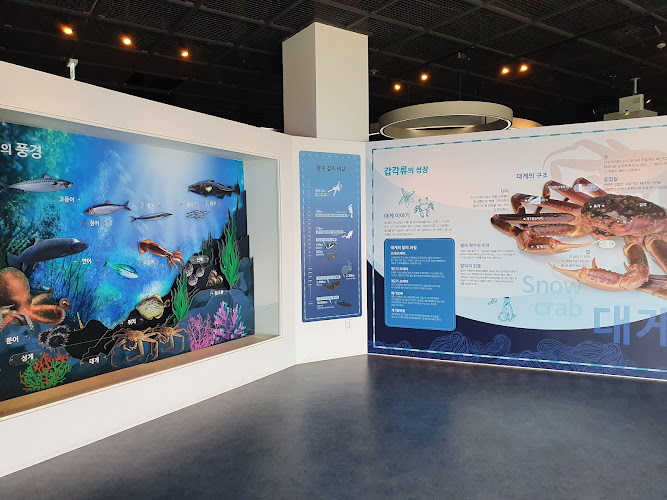
What strikes visitors immediately is how seriously this museum takes its subject matter. The exhibitions walk you through everything from the historical origins of gwamegi production to the scientific processes that make it possible. You’ll learn that gwamegi isn’t just dried fish – it’s a seasonal delicacy that can only be produced during the coldest months when specific temperature and wind conditions align perfectly. The museum does an impressive job explaining why this particular coastal area became the center of gwamegi culture and how local families have passed down their techniques through generations.
The facility itself is modern and well-maintained, with accessibility features that make it welcoming for all visitors. You’ll find the museum has put genuine thought into creating an experience that’s educational without being dry or overly academic. Interactive displays let you engage with the content rather than just reading plaques, and the restaurant on-site gives you the chance to actually taste what you’ve been learning about.
For travelers interested in authentic cultural experiences beyond the typical tourist trail, this museum delivers something genuinely different. It’s not trying to be flashy or compete with Seoul’s major attractions. Instead, it offers a window into a hyper-local tradition that defines this coastal community’s identity.
Key Features
The Guryongpo Gwamegi Culture Museum packs more into its space than you might expect from a regional heritage museum. Here’s what makes this place worth your time:
- Comprehensive Historical Exhibits: The museum traces gwamegi’s history back several centuries, showing how this preservation method emerged from necessity and evolved into a celebrated delicacy. You’ll see old photographs, traditional tools, and documentation that brings the past to life in ways that feel personal rather than sterile.
- Interactive Production Displays: Unlike museums where you just look at things behind glass, this one lets you understand the actual process. During winter months, you can sometimes see the drying process in action, which really helps connect the dots between what you’re learning and what you’re seeing.
- Full Accessibility: Wheelchair users will appreciate that this museum was designed with everyone in mind. The entrance, parking lot, and restrooms are all accessible, which unfortunately still isn’t standard at many Korean cultural sites.
- On-Site Restaurant: This is huge. You can move from learning about gwamegi to actually tasting it prepared in traditional ways. The restaurant serves it with the classic accompaniments – garlic, kimchi, and rice – letting you experience the full cultural context.
- Family-Friendly Design: The museum works well for kids, which isn’t always easy when your subject is fish preservation. The exhibits include visual elements and hands-on components that keep younger visitors engaged.
- Seasonal Demonstrations: If you visit during production season (roughly December through February), you might catch demonstrations or explanations from people who actually work in the gwamegi industry.
- Photo Opportunities: The museum has created several spots perfect for photos, including displays with traditional drying racks that make for unique travel shots you won’t get anywhere else.
- Educational Materials: Information is presented in Korean and English, though the English translations can be a bit rough in places – part of the charm, really.
Best Time to Visit
Here’s where timing really matters for this particular attraction. If you want to see gwamegi culture in its full glory, winter is absolutely your season. From December through February, the production is happening all around Guryongpo, and the museum’s experience becomes much richer when you can see the actual drying process taking place in the town.
I’ve heard from travelers who visited in summer and felt like they got only half the story. The museum is open year-round and remains informative during warmer months, but you miss the atmospheric element of walking through town and seeing hundreds of fish hanging on outdoor racks, the cold winter wind doing its preservation work.
That said, winter on Korea’s east coast is genuinely cold. We’re talking temperatures that drop well below freezing, with wind chill that makes it feel even harsher. But that’s exactly what creates the perfect conditions for gwamegi production. If you can bundle up and embrace the cold, visiting in January gives you the most authentic experience.
Spring and fall offer milder weather that makes exploring Guryongpo more comfortable, even if gwamegi production isn’t active. The museum itself remains interesting, and you’ll avoid the small crowds that can gather during peak season. Summer is probably the least ideal time – hot, humid, and furthest from the gwamegi season both temporally and experientially.
Weekday visits tend to be quieter than weekends, though this isn’t a place that gets overwhelmingly crowded even during popular times. The museum typically sees more domestic tourists than international ones, which means you might have sections nearly to yourself depending on when you arrive.
How to Get There
Getting to Guryongpo requires a bit of effort, but that’s part of what keeps it authentic. The museum sits in Guryongpo Port area, which is about 20 kilometers from central Pohang. Most travelers will need to reach Pohang first, then make their way to Guryongpo.
If you’re coming from Seoul or other major cities, taking the KTX to Pohang Station is your best bet. The train journey from Seoul takes around 2.5 hours and drops you at Pohang’s main station. From there, you’ll need local transportation to reach Guryongpo.
Local buses run from Pohang to Guryongpo fairly regularly – look for bus numbers 200 or 203, which take about 40-50 minutes depending on traffic and stops. The buses aren’t fancy but they’re reliable and cheap. Just make sure you have a T-money card or cash ready since not all buses accept credit cards.
Taxis from Pohang to Guryongpo cost roughly 20,000-25,000 won and take about 30 minutes. If you’re traveling with others, splitting a taxi can actually be more economical than the bus, plus you get dropped right at the museum entrance.
For those renting cars, driving gives you the most flexibility to explore the broader Guryongpo area at your own pace. The museum has a parking lot, and driving along the coastal roads provides some really beautiful scenery. GPS systems work well in this area – just search for the museum’s Korean name (구룡포과메기문화관).
And here’s something I learned the hard way – double-check return bus times before you go. Evening buses back to Pohang can be less frequent, and you don’t want to find yourself stranded in a small port town after the museum closes.
Tips for Visiting
Walking into any specialized museum without preparation can leave you feeling a bit lost, so here are some practical tips that’ll help you get the most out of your visit.
First, plan to actually eat gwamegi while you’re there. I know dried fish might sound unappealing if you’re not familiar with it, but it’s surprisingly delicious – rich, slightly oily, with a texture that’s tender rather than jerky-like. The museum restaurant prepares it traditionally, wrapped in seaweed with garlic and vegetables. Even if you’re hesitant, try a small portion. You came all this way to learn about it, might as well taste it too.
Bring or wear layers. The museum itself is climate-controlled, but if you’re visiting in winter and want to see production in town, you’ll need serious cold-weather gear. We’re talking thermal underlayers, wind-resistant outer shells, and good gloves. The wind off the ocean cuts right through inadequate clothing.
Don’t rush through the exhibits. This isn’t a massive museum where you need three hours, but giving it at least an hour lets you actually absorb the information rather than just walking past displays. Some of the most interesting details are in the smaller exhibits that are easy to overlook if you’re moving too quickly.
Photography is generally allowed in most areas, but be respectful if you see signs indicating otherwise. And while you’re taking photos, consider capturing some of the less obvious details – the old tools, the documentary photos, the texture and patterns of the drying racks.
Check if any special programs or demonstrations are scheduled during your visit. The museum sometimes hosts events or brings in local gwamegi producers for talks, which add a personal dimension to the educational content.
For families with kids, there are some interactive areas that younger children particularly enjoy. Let them engage with these hands-on elements – it helps them connect with what might otherwise be a pretty abstract concept.
The gift shop sells gwamegi and related products if you want to bring some home. Just be aware of your home country’s customs regulations about bringing in dried fish products. Many countries have restrictions, so do your homework before buying.
Consider combining your museum visit with exploration of Guryongpo itself. The town has a small Japanese colonial-era neighborhood worth walking through, and the coastal views are genuinely beautiful. Making a half-day or full-day trip out of the journey makes the travel time feel more worthwhile.
Finally, manage your expectations appropriately. This is a small regional museum focused on a very specific topic. It’s not going to compete with Seoul’s National Museum or Busan’s massive attractions in terms of scale or polish. But if you approach it as an opportunity to learn about something unique and genuinely local, you’ll leave feeling like you discovered something most travelers never encounter. And isn’t that what good travel is really about?