Guided Sightseeing Tours & Activities in Pohang-si
- Browse sightseeing excursions and activities in Pohang-si
- Check live availability, rates & traveler reviews on Viator
- Secure online booking with flexible options
523 Bogyeong-ro, Songna-myeon, Buk-gu, Pohang-si, Gyeongsangbuk-do, South Korea

Bogyeongsa stands as one of Korea’s most captivating seventh-century Buddhist temples, though it doesn’t get nearly the attention it deserves compared to some of the more famous temple stays around the country.
And honestly? That’s part of what makes visiting this place so special. You’re not going to be elbowing through massive tour groups or waiting in line to snap a photo without strangers photobombing your shot.
The temple complex sits in an area blessed with natural waterfalls that create this almost otherworldly atmosphere, especially during the rainy season when the water volume really picks up. I’ve visited quite a few Buddhist temples during my travels through Asia, but there’s something different about Bogyeongsa. Maybe it’s the way the sound of rushing water mixes with the temple bells, or how the mist from the falls creates these ethereal conditions in the early morning hours. Whatever it is, this place has a way of making you slow down and actually breathe for once.
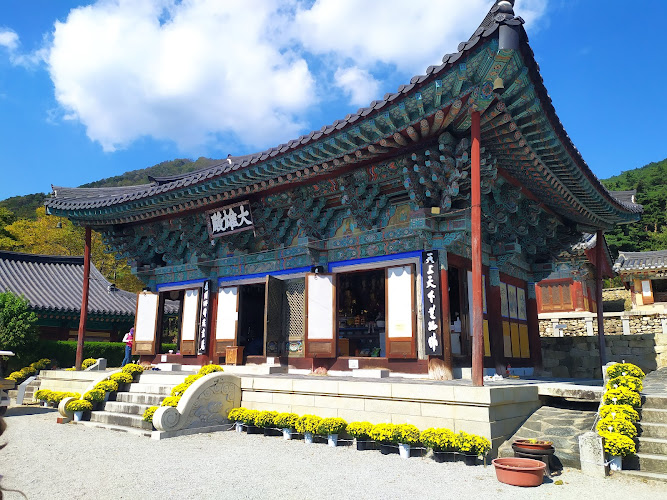
Built during Korea’s Three Kingdoms period, Bogyeongsa has survived through centuries of history, wars, and changes in religious practices throughout the peninsula. The monks here have maintained the temple’s traditions while also welcoming visitors from around the world who are seeking either spiritual enrichment or just a peaceful escape from the chaos of modern Korean cities. The temple’s architecture reflects classic Buddhist design principles with those characteristic curved roofs and painted wooden details that seem to glow in certain lighting conditions.
What really sets Bogyeongsa apart from other temple destinations is its integration with the natural landscape. The builders didn’t just plop a temple down and call it a day – they worked with the terrain, the water features, and the surrounding forest to create something that feels organic rather than imposed. You’ll find meditation halls positioned to overlook the waterfalls, walking paths that wind through old-growth trees, and stone steps worn smooth by countless pilgrims over the centuries.
The temple complex offers several distinctive elements that make it worth the journey:
• Multiple waterfalls cascading through the temple grounds, creating natural white noise that aids meditation and contemplation
• Seventh-century architectural elements that have been preserved and restored, giving visitors a genuine glimpse into Korea’s Buddhist heritage
• Full wheelchair accessibility throughout the main areas, including specialized restrooms and parking facilities – something surprisingly rare at historic temple sites
• Active monastery where visitors can observe (and sometimes participate in) authentic Buddhist ceremonies and daily rituals
• Walking trails that connect different parts of the temple complex while winding through pristine forest areas
• Ancient stone pagodas and Buddha statues positioned throughout the grounds, some dating back to the temple’s founding period
• Temple stay programs for those interested in immersing themselves more deeply in Buddhist practices and monastic life
• Quiet meditation halls open to visitors, offering spaces for personal reflection away from designated tourist areas
• Traditional Korean temple food served during certain times, prepared according to Buddhist dietary guidelines that have been followed for centuries
• Historical artifacts and relics housed within the main temple buildings, though photography is restricted in these areas
• Natural spring water that feeds the waterfalls, considered sacred by the monks and used in various temple ceremonies
Timing your visit to Bogyeongsa can really make or break your experience, so let me share what I’ve learned through both personal visits and conversations with locals who know this place inside out.
Spring months from April through early June bring absolutely stunning conditions. The surrounding forests burst into life with new growth, wildflowers start appearing along the walking paths, and the waterfalls run strong from spring rainfall without being overwhelming. Temperatures hover in that perfect range where you can comfortably walk around without sweating through your clothes. The monks celebrate Buddha’s Birthday in late April or early May depending on the lunar calendar, which transforms the entire temple with lanterns and special ceremonies worth witnessing if you can time it right.
Summer presents a bit of a mixed bag, honestly. July and August get hot and humid – we’re talking that sticky kind of heat that makes you question all your life choices. But here’s the thing: the waterfalls are at their most impressive during this season, and the sound of rushing water actually does help you forget about the temperature. Plus, summer is when you’ll find the lushest, greenest surroundings. Just bring a towel because you will sweat. The temple grounds offer plenty of shade though, which helps considerably.
Fall might just be the sweet spot for most travelers. September through November delivers Korea’s famous autumn foliage, and the mountains surrounding Bogyeongsa put on quite a show. The mix of red, orange, and gold leaves against the temple’s traditional architecture creates scenes that belong on postcards. The weather’s comfortable, the crowds are manageable (though bigger than spring or summer), and the waterfalls still have enough water flow to be impressive. I’d personally recommend late October if you’re trying to nail that perfect combination of weather and scenery.
Winter visits are for the hardcore travelers or those seeking serious solitude. December through February means cold temperatures, possible snow, and reduced water flow in the falls. But – and this is important – winter at Bogyeongsa offers an entirely different kind of beauty. Snow-covered temple roofs, frozen waterfall edges creating icicle formations, and absolute peace since tourist numbers drop dramatically. You’ll need warm clothes and good boots for potentially icy paths, but you might find yourself alone with the monks and the mountains.
Weekdays trump weekends regardless of season. Korean domestic tourism spikes on Saturdays and Sundays, bringing families and day-trippers from nearby cities. If your schedule allows, visiting Tuesday through Thursday typically provides the most peaceful experience.
Getting to Bogyeongsa requires some planning since it’s not located right in the heart of a major city, but the journey itself becomes part of the experience rather than just a commute.
Most international visitors will start from Seoul, Korea’s capital and main entry point. From Seoul, you’ve got options. The most straightforward approach involves taking a train or bus to the nearest major city, then connecting to local transportation that serves the temple area. Korea’s public transportation system is genuinely excellent, so don’t stress too much about logistics even if you don’t speak Korean.
Trains offer comfort and reliability, with Korea’s rail network connecting most destinations efficiently. You’ll want to check schedules in advance though, especially if you’re traveling during holidays when Korean families are also on the move. The train stations have English signage and announcements, making navigation pretty manageable for foreign visitors.
Buses provide another solid option and sometimes get you closer to the temple than trains do. Korea’s intercity buses are clean, punctual, and often cheaper than trains. The bus terminals can feel overwhelming at first with all the activity and Korean-only announcements, but station staff increasingly speak at least some English and are generally helpful to confused foreigners.
Local buses or taxis handle the final leg from whatever drop-off point you reach. Taxis in Korea are reasonably priced compared to Western countries, and splitting one among a few travelers can actually cost less than individual bus tickets while being more convenient. Just have the temple name written in Korean on your phone to show the driver, since English proficiency varies among taxi drivers.
Driving yourself is possible if you’ve secured an international driving permit and feel comfortable navigating Korean roads. GPS navigation apps work well in Korea, and parking facilities at Bogyeongsa accommodate vehicles including accessible parking spots near the entrance. The drive through the mountains can be really scenic, though mountain roads require attention and careful driving.
Allow more travel time than you think you’ll need. Korean traffic can be unpredictable, buses might run late, and you don’t want to arrive at the temple stressed and rushed. Better to get there early and spend extra time soaking in the atmosphere than to cut it close and miss out.
Real talk – visiting a functioning Buddhist temple isn’t quite the same as touring a museum or park, and knowing a few things beforehand will help you avoid awkward situations while getting more out of your visit.
Dress appropriately, which means covering your shoulders and knees at minimum. I’ve seen visitors turned away or asked to wrap themselves in borrowed shawls because they showed up in tank tops and short shorts. It’s a place of worship first and a tourist attraction second, so dress like you’re meeting someone’s traditional grandmother. Comfortable walking shoes are essential since you’ll be covering ground on stone paths and stairs that can get slippery near the waterfalls.
Photography is generally allowed in outdoor areas, but always check for signs and never photograph monks without explicit permission. The main prayer halls often prohibit cameras entirely to maintain sanctity and respect for worshippers. I learned this the hard way when a monk politely but firmly directed me to put my camera away. Just be observant and respectful, and you’ll figure out where photos are acceptable.
Speaking of respect – keep your voice down throughout the temple grounds. Even when you’re outside in the public areas, remember that monks are living and practicing here. Loud conversations, phone calls, and shouting to your travel companions disrupts both their practice and other visitors trying to experience the peaceful atmosphere. The whole point of visiting a place like this is to slow down and be present, not to treat it like an amusement park.
Temple food follows Buddhist principles, meaning no meat and often no strong-flavored vegetables like garlic or onions. If you’re planning to eat at the temple, go in with an open mind. The food might seem bland compared to Korea’s typically spicy and flavorful cuisine, but there’s something meditative about simple, carefully prepared vegetarian meals. Bring snacks if you’re picky or have dietary restrictions that might not be accommodated.
The accessible facilities at Bogyeongsa are legitimately good, but it’s worth contacting the temple in advance if you have specific accessibility needs beyond what standard facilities provide. The main paths are wheelchair-friendly, though some of the more remote waterfall viewing spots might be challenging to reach with mobility limitations.
Cash comes in handy for donation boxes, small purchases at any temple shops, and offerings if you want to participate in Buddhist practices like lighting incense or making offerings at shrines. Korea is increasingly cashless in cities, but temples often still operate on cash for small transactions.
Consider timing your visit to coincide with morning or evening prayer services if you’re interested in experiencing authentic Buddhist practice. The chanting and ceremony provide incredible insight into living Buddhist tradition, though arrive a few minutes early and sit quietly in designated visitor areas. Don’t walk around, leave during the service, or otherwise disrupt the monks and worshippers.
Weather preparation matters more than you might expect. The waterfalls create microclimates with higher humidity and cooler temperatures. Bring layers even if the weather forecast looks warm, and rain gear during spring and summer when mountain weather changes quickly. Waterproof bags or cases protect your electronics from spray near the falls.
Lastly, approach your visit with genuine openness rather than treating Bogyeongsa as just another checkbox on your Korea itinerary. This temple has survived thirteen centuries of history, wars, and massive social changes while maintaining its spiritual purpose. Take time to sit quietly, listen to the water and wind, maybe try meditating even if you’ve never done it before. The experience of just being present in a place like this often creates the memories that stick with you long after you’ve forgotten which palace or museum you visited where.

Last modified August 17, 2026
Bogyeongsa stands as one of Korea’s most captivating seventh-century Buddhist temples, though it doesn’t get nearly the attention it deserves compared to some of the more famous temple stays around the country. And honestly? That’s part of what makes visiting this place so special. You’re not going to be elbowing through massive tour groups or waiting in line to snap a photo without strangers photobombing your shot.
The temple complex sits in an area blessed with natural waterfalls that create this almost otherworldly atmosphere, especially during the rainy season when the water volume really picks up. I’ve visited quite a few Buddhist temples during my travels through Asia, but there’s something different about Bogyeongsa. Maybe it’s the way the sound of rushing water mixes with the temple bells, or how the mist from the falls creates these ethereal conditions in the early morning hours. Whatever it is, this place has a way of making you slow down and actually breathe for once.
Built during Korea’s Three Kingdoms period, Bogyeongsa has survived through centuries of history, wars, and changes in religious practices throughout the peninsula. The monks here have maintained the temple’s traditions while also welcoming visitors from around the world who are seeking either spiritual enrichment or just a peaceful escape from the chaos of modern Korean cities. The temple’s architecture reflects classic Buddhist design principles with those characteristic curved roofs and painted wooden details that seem to glow in certain lighting conditions.
What really sets Bogyeongsa apart from other temple destinations is its integration with the natural landscape. The builders didn’t just plop a temple down and call it a day – they worked with the terrain, the water features, and the surrounding forest to create something that feels organic rather than imposed. You’ll find meditation halls positioned to overlook the waterfalls, walking paths that wind through old-growth trees, and stone steps worn smooth by countless pilgrims over the centuries.
The temple complex offers several distinctive elements that make it worth the journey:
• Multiple waterfalls cascading through the temple grounds, creating natural white noise that aids meditation and contemplation
• Seventh-century architectural elements that have been preserved and restored, giving visitors a genuine glimpse into Korea’s Buddhist heritage
• Full wheelchair accessibility throughout the main areas, including specialized restrooms and parking facilities – something surprisingly rare at historic temple sites
• Active monastery where visitors can observe (and sometimes participate in) authentic Buddhist ceremonies and daily rituals
• Walking trails that connect different parts of the temple complex while winding through pristine forest areas
• Ancient stone pagodas and Buddha statues positioned throughout the grounds, some dating back to the temple’s founding period
• Temple stay programs for those interested in immersing themselves more deeply in Buddhist practices and monastic life
• Quiet meditation halls open to visitors, offering spaces for personal reflection away from designated tourist areas
• Traditional Korean temple food served during certain times, prepared according to Buddhist dietary guidelines that have been followed for centuries
• Historical artifacts and relics housed within the main temple buildings, though photography is restricted in these areas
• Natural spring water that feeds the waterfalls, considered sacred by the monks and used in various temple ceremonies
Timing your visit to Bogyeongsa can really make or break your experience, so let me share what I’ve learned through both personal visits and conversations with locals who know this place inside out.
Spring months from April through early June bring absolutely stunning conditions. The surrounding forests burst into life with new growth, wildflowers start appearing along the walking paths, and the waterfalls run strong from spring rainfall without being overwhelming. Temperatures hover in that perfect range where you can comfortably walk around without sweating through your clothes. The monks celebrate Buddha’s Birthday in late April or early May depending on the lunar calendar, which transforms the entire temple with lanterns and special ceremonies worth witnessing if you can time it right.
Summer presents a bit of a mixed bag, honestly. July and August get hot and humid – we’re talking that sticky kind of heat that makes you question all your life choices. But here’s the thing: the waterfalls are at their most impressive during this season, and the sound of rushing water actually does help you forget about the temperature. Plus, summer is when you’ll find the lushest, greenest surroundings. Just bring a towel because you will sweat. The temple grounds offer plenty of shade though, which helps considerably.
Fall might just be the sweet spot for most travelers. September through November delivers Korea’s famous autumn foliage, and the mountains surrounding Bogyeongsa put on quite a show. The mix of red, orange, and gold leaves against the temple’s traditional architecture creates scenes that belong on postcards. The weather’s comfortable, the crowds are manageable (though bigger than spring or summer), and the waterfalls still have enough water flow to be impressive. I’d personally recommend late October if you’re trying to nail that perfect combination of weather and scenery.
Winter visits are for the hardcore travelers or those seeking serious solitude. December through February means cold temperatures, possible snow, and reduced water flow in the falls. But – and this is important – winter at Bogyeongsa offers an entirely different kind of beauty. Snow-covered temple roofs, frozen waterfall edges creating icicle formations, and absolute peace since tourist numbers drop dramatically. You’ll need warm clothes and good boots for potentially icy paths, but you might find yourself alone with the monks and the mountains.
Weekdays trump weekends regardless of season. Korean domestic tourism spikes on Saturdays and Sundays, bringing families and day-trippers from nearby cities. If your schedule allows, visiting Tuesday through Thursday typically provides the most peaceful experience.
Getting to Bogyeongsa requires some planning since it’s not located right in the heart of a major city, but the journey itself becomes part of the experience rather than just a commute.
Most international visitors will start from Seoul, Korea’s capital and main entry point. From Seoul, you’ve got options. The most straightforward approach involves taking a train or bus to the nearest major city, then connecting to local transportation that serves the temple area. Korea’s public transportation system is genuinely excellent, so don’t stress too much about logistics even if you don’t speak Korean.
Trains offer comfort and reliability, with Korea’s rail network connecting most destinations efficiently. You’ll want to check schedules in advance though, especially if you’re traveling during holidays when Korean families are also on the move. The train stations have English signage and announcements, making navigation pretty manageable for foreign visitors.
Buses provide another solid option and sometimes get you closer to the temple than trains do. Korea’s intercity buses are clean, punctual, and often cheaper than trains. The bus terminals can feel overwhelming at first with all the activity and Korean-only announcements, but station staff increasingly speak at least some English and are generally helpful to confused foreigners.
Local buses or taxis handle the final leg from whatever drop-off point you reach. Taxis in Korea are reasonably priced compared to Western countries, and splitting one among a few travelers can actually cost less than individual bus tickets while being more convenient. Just have the temple name written in Korean on your phone to show the driver, since English proficiency varies among taxi drivers.
Driving yourself is possible if you’ve secured an international driving permit and feel comfortable navigating Korean roads. GPS navigation apps work well in Korea, and parking facilities at Bogyeongsa accommodate vehicles including accessible parking spots near the entrance. The drive through the mountains can be really scenic, though mountain roads require attention and careful driving.
Allow more travel time than you think you’ll need. Korean traffic can be unpredictable, buses might run late, and you don’t want to arrive at the temple stressed and rushed. Better to get there early and spend extra time soaking in the atmosphere than to cut it close and miss out.
Real talk – visiting a functioning Buddhist temple isn’t quite the same as touring a museum or park, and knowing a few things beforehand will help you avoid awkward situations while getting more out of your visit.
Dress appropriately, which means covering your shoulders and knees at minimum. I’ve seen visitors turned away or asked to wrap themselves in borrowed shawls because they showed up in tank tops and short shorts. It’s a place of worship first and a tourist attraction second, so dress like you’re meeting someone’s traditional grandmother. Comfortable walking shoes are essential since you’ll be covering ground on stone paths and stairs that can get slippery near the waterfalls.
Photography is generally allowed in outdoor areas, but always check for signs and never photograph monks without explicit permission. The main prayer halls often prohibit cameras entirely to maintain sanctity and respect for worshippers. I learned this the hard way when a monk politely but firmly directed me to put my camera away. Just be observant and respectful, and you’ll figure out where photos are acceptable.
Speaking of respect – keep your voice down throughout the temple grounds. Even when you’re outside in the public areas, remember that monks are living and practicing here. Loud conversations, phone calls, and shouting to your travel companions disrupts both their practice and other visitors trying to experience the peaceful atmosphere. The whole point of visiting a place like this is to slow down and be present, not to treat it like an amusement park.
Temple food follows Buddhist principles, meaning no meat and often no strong-flavored vegetables like garlic or onions. If you’re planning to eat at the temple, go in with an open mind. The food might seem bland compared to Korea’s typically spicy and flavorful cuisine, but there’s something meditative about simple, carefully prepared vegetarian meals. Bring snacks if you’re picky or have dietary restrictions that might not be accommodated.
The accessible facilities at Bogyeongsa are legitimately good, but it’s worth contacting the temple in advance if you have specific accessibility needs beyond what standard facilities provide. The main paths are wheelchair-friendly, though some of the more remote waterfall viewing spots might be challenging to reach with mobility limitations.
Cash comes in handy for donation boxes, small purchases at any temple shops, and offerings if you want to participate in Buddhist practices like lighting incense or making offerings at shrines. Korea is increasingly cashless in cities, but temples often still operate on cash for small transactions.
Consider timing your visit to coincide with morning or evening prayer services if you’re interested in experiencing authentic Buddhist practice. The chanting and ceremony provide incredible insight into living Buddhist tradition, though arrive a few minutes early and sit quietly in designated visitor areas. Don’t walk around, leave during the service, or otherwise disrupt the monks and worshippers.
Weather preparation matters more than you might expect. The waterfalls create microclimates with higher humidity and cooler temperatures. Bring layers even if the weather forecast looks warm, and rain gear during spring and summer when mountain weather changes quickly. Waterproof bags or cases protect your electronics from spray near the falls.
Lastly, approach your visit with genuine openness rather than treating Bogyeongsa as just another checkbox on your Korea itinerary. This temple has survived thirteen centuries of history, wars, and massive social changes while maintaining its spiritual purpose. Take time to sit quietly, listen to the water and wind, maybe try meditating even if you’ve never done it before. The experience of just being present in a place like this often creates the memories that stick with you long after you’ve forgotten which palace or museum you visited where.
No reviews found! Be the first to review!
Bogyeongsa is a prominent attractions located in Pohang-si.
Visit us at: 523 Bogyeong-ro, Songna-myeon, Buk-gu, Pohang-si, Gyeongsangbuk-do, South Korea.
Stay22 provides this accommodation search. We may earn a commission if you book through it; verify current prices and terms with the provider.
GetYourGuide provides this tour inventory. We may earn a commission if you book through it; verify current availability, prices, and terms with the provider.
We may earn a commission if you book through links on this page at no extra cost to you. All tours feature verified customer reviews and flexible cancellation options.
No traveler reviews yet. Share your experience below!
No traveler questions yet. Be the first to ask a local!