
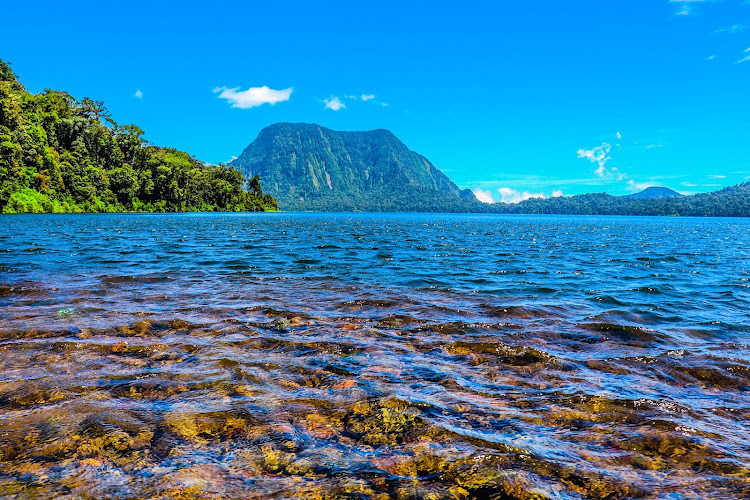
Gunung Tujuh
About Gunung Tujuh
Description
Gunung Tujuh stands as one of Indonesia’s most remarkable natural wonders, offering adventurers a chance to witness the country’s highest volcanic crater lake. Perched at 1,950 meters above sea level in the heart of Sumatra’s Kerinci Seblat National Park, this ancient volcanic formation creates a landscape that feels almost otherworldly. The name literally translates to “Seven Mountains,” referring to the seven distinct peaks that form the crater’s rim around the pristine lake waters.
What makes this destination truly special isn’t just its impressive altitude – though being Southeast Asia’s highest lake certainly adds to the appeal. It’s the way the morning mist rolls across the water’s surface, creating an ethereal atmosphere that photographers and nature lovers find absolutely captivating. The lake stretches 4.5 kilometers in length, formed when this massive extinct volcano erupted in ancient times, literally blowing apart the mountain’s top and leaving behind this incredible natural basin.
And honestly? The trek to reach Danau Gunung Tujuh (as locals call it) is half the adventure. You’re walking through some of the most biodiverse rainforest in the world, where the sounds of exotic birds and rustling leaves create nature’s own soundtrack. The surrounding peaks rise to 2,732 meters, creating a dramatic backdrop that makes every photo look like a professional landscape shot.
Key Features
Visitors to Gunung Tujuh can expect several distinctive features that set this destination apart from other Indonesian attractions:
- Highest crater lake in Southeast Asia – The bragging rights alone make the challenging hike worthwhile
- Seven surrounding peaks – Each offering different perspectives and photo opportunities of the central lake
- Ancient volcanic crater – A 4.5-kilometer-long lake formed by prehistoric eruptions
- Pristine mountain ecosystem – Home to rare wildlife including Sumatran tigers, elephants, and countless bird species
- Camping opportunities – Designated areas for overnight stays with stunning sunrise views over the water
- Cool mountain climate – A refreshing escape from Indonesia’s typical tropical heat
- Untouched wilderness – Part of the protected Kerinci Seblat National Park system
- Crystal-clear lake waters – Perfect for reflection photography and peaceful contemplation
- Challenging trekking routes – Multiple trail options catering to different fitness levels
- Cloud forest environment – Unique vegetation that thrives in the high-altitude mist
Best Time to Visit
Timing your visit to Gunung Tujuh can make the difference between a memorable adventure and a soggy, cloud-obscured disappointment. The dry season from May through September offers the most reliable weather conditions, though even then, you should expect some afternoon clouds – it’s a mountain lake after all!
June through August represents the peak hiking season, and for good reason. The trails are at their driest, visibility tends to be clearest in the early morning hours, and you’ll have the best chance of those Instagram-worthy sunrise shots reflecting off the lake’s surface. But here’s something most guides won’t tell you – this is also when you’ll encounter the most other hikers, which can somewhat diminish the wilderness experience.
For a more solitary adventure, consider visiting during the shoulder months of May or September. You might deal with occasional afternoon showers, but the trade-off is having this incredible landscape mostly to yourself. The vegetation is also more lush during these times, creating even more dramatic scenery.
Avoid the wet season from October through April if possible. While the rainforest comes alive during these months, the trails become treacherous muddy slopes, and cloud cover often obscures the lake completely. Plus, leeches become a serious issue – and trust me, nobody wants to spend their mountain adventure constantly checking for bloodsucking hitchhikers.
Early morning starts are essential regardless of when you visit. The best views typically occur before 10 AM, after which clouds begin rolling in from the valleys below. Many experienced hikers recommend starting the trek before dawn to catch the sunrise from the crater rim.
How to Get There
Getting to Gunung Tujuh requires some planning, but the journey is definitely manageable for most travelers. Your gateway is the town of Sungaipenuh in Jambi Province, which serves as the main access point for Kerinci Seblat National Park.
Most international visitors fly into Jakarta or Medan, then catch a domestic flight to Jambi Airport. From there, it’s about a 3-hour drive to Sungaipenuh through winding mountain roads that offer glimpses of what’s to come. Alternatively, adventurous travelers often take the overland route from Padang in West Sumatra, which involves a scenic but lengthy bus journey through some of Indonesia’s most beautiful highland scenery.
Once you reach Sungaipenuh, the real adventure begins. You’ll need to continue to the village of Pelompek, which sits at the base of the mountain and serves as the traditional starting point for treks. This final leg requires either a hired car or motorbike – public transportation doesn’t extend this far into the mountains.
The actual trek to the lake typically starts from Kersik Tua village, where you can arrange permits and hire local guides if desired. The trail head is clearly marked, though having a GPS device or smartphone with offline maps downloaded is strongly recommended. The main route takes about 4-6 hours depending on your fitness level and how often you stop for photos (which will be frequently!).
Four-wheel drive vehicles can get you closer to the trailhead during dry season, potentially cutting an hour or two off the hiking time. But honestly, walking the entire route gives you a better appreciation for the ecosystem’s gradual transition from lowland rainforest to high-altitude cloud forest.
Tips for Visiting
After hearing countless stories from fellow hikers who’ve tackled Gunung Tujuh, both successful expeditions and not-so-successful ones, certain preparation strategies definitely separate the prepared from the unprepared.
Physical fitness cannot be overstated – this isn’t a casual day hike. The elevation gain combined with often muddy, slippery conditions means you need to be in reasonably good shape. Start training at least a month before your visit with regular cardio and leg strengthening exercises. Your knees will thank you during the descent!
Waterproof everything. Seriously, everything. Even during dry season, morning dew and sudden weather changes can soak gear quickly. Pack clothes, electronics, and food in waterproof bags or containers. A quality rain jacket and pants are absolutely essential – cheap ponchos will fail you when you need them most.
Proper footwear makes or breaks this experience. Hiking boots with good ankle support and aggressive tread patterns are mandatory. The trails can be extremely slippery, especially on the steeper sections. Many experienced hikers recommend bringing trekking poles as well – they provide stability and reduce stress on your knees during the long descent.
Start early, like really early. Most successful hikers begin their ascent around 4 or 5 AM to reach the lake by sunrise. This timing gives you the best weather window and avoids the afternoon clouds that often roll in and obscure views. Plus, there’s something magical about watching the sun illuminate the crater walls as morning light hits the water.
Bring more water than you think you’ll need, but also pack water purification tablets or a reliable filter. There are stream crossings along the route where you can refill bottles, but treating the water is essential to avoid stomach issues that could ruin your trip.
Consider hiring a local guide, especially if this is your first time visiting. They know the trail conditions, weather patterns, and can provide fascinating insights about the area’s ecology and cultural significance. Plus, supporting local guide services helps the community economically.
Pack layers for temperature variations. The base of the mountain might be warm and humid, but temperatures at the lake can drop significantly, especially early morning and evening. A warm fleece or down jacket becomes invaluable when you’re sitting by the crater rim watching sunrise.
Don’t forget to secure proper permits from the national park authorities. These are usually available in Sungaipenuh or at the park entrance, but having them sorted in advance saves time and potential complications.
Finally, leave no trace. This pristine environment depends on visitors respecting its fragility. Pack out all trash, stay on designated trails, and resist the urge to collect souvenirs. The goal is preserving this incredible place for future adventurers to discover and enjoy.
Key Features
- High-altitude volcanic crater lake (~1,950–1,996 m asl)
- Encircling seven forested peaks (the namesake ‘Seven Mountain’ rim)
- Located within Kerinci Seblat National Park — rich biodiversity and endemic species
- Dramatic mist, cloud forest scenery and photographic viewpoints
- Trekking access with opportunities for multi-day hikes and wildlife watching
More Details
Updated September 15, 2025
Description
Gunung Tujuh stands as one of Indonesia’s most remarkable natural wonders, offering adventurers a chance to witness the country’s highest volcanic crater lake. Perched at 1,950 meters above sea level in the heart of Sumatra’s Kerinci Seblat National Park, this ancient volcanic formation creates a landscape that feels almost otherworldly. The name literally translates to “Seven Mountains,” referring to the seven distinct peaks that form the crater’s rim around the pristine lake waters.
What makes this destination truly special isn’t just its impressive altitude – though being Southeast Asia’s highest lake certainly adds to the appeal. It’s the way the morning mist rolls across the water’s surface, creating an ethereal atmosphere that photographers and nature lovers find absolutely captivating. The lake stretches 4.5 kilometers in length, formed when this massive extinct volcano erupted in ancient times, literally blowing apart the mountain’s top and leaving behind this incredible natural basin.
And honestly? The trek to reach Danau Gunung Tujuh (as locals call it) is half the adventure. You’re walking through some of the most biodiverse rainforest in the world, where the sounds of exotic birds and rustling leaves create nature’s own soundtrack. The surrounding peaks rise to 2,732 meters, creating a dramatic backdrop that makes every photo look like a professional landscape shot.
Key Features
Visitors to Gunung Tujuh can expect several distinctive features that set this destination apart from other Indonesian attractions:
- Highest crater lake in Southeast Asia – The bragging rights alone make the challenging hike worthwhile
- Seven surrounding peaks – Each offering different perspectives and photo opportunities of the central lake
- Ancient volcanic crater – A 4.5-kilometer-long lake formed by prehistoric eruptions
- Pristine mountain ecosystem – Home to rare wildlife including Sumatran tigers, elephants, and countless bird species
- Camping opportunities – Designated areas for overnight stays with stunning sunrise views over the water
- Cool mountain climate – A refreshing escape from Indonesia’s typical tropical heat
- Untouched wilderness – Part of the protected Kerinci Seblat National Park system
- Crystal-clear lake waters – Perfect for reflection photography and peaceful contemplation
- Challenging trekking routes – Multiple trail options catering to different fitness levels
- Cloud forest environment – Unique vegetation that thrives in the high-altitude mist
Best Time to Visit
Timing your visit to Gunung Tujuh can make the difference between a memorable adventure and a soggy, cloud-obscured disappointment. The dry season from May through September offers the most reliable weather conditions, though even then, you should expect some afternoon clouds – it’s a mountain lake after all!
June through August represents the peak hiking season, and for good reason. The trails are at their driest, visibility tends to be clearest in the early morning hours, and you’ll have the best chance of those Instagram-worthy sunrise shots reflecting off the lake’s surface. But here’s something most guides won’t tell you – this is also when you’ll encounter the most other hikers, which can somewhat diminish the wilderness experience.
For a more solitary adventure, consider visiting during the shoulder months of May or September. You might deal with occasional afternoon showers, but the trade-off is having this incredible landscape mostly to yourself. The vegetation is also more lush during these times, creating even more dramatic scenery.
Avoid the wet season from October through April if possible. While the rainforest comes alive during these months, the trails become treacherous muddy slopes, and cloud cover often obscures the lake completely. Plus, leeches become a serious issue – and trust me, nobody wants to spend their mountain adventure constantly checking for bloodsucking hitchhikers.
Early morning starts are essential regardless of when you visit. The best views typically occur before 10 AM, after which clouds begin rolling in from the valleys below. Many experienced hikers recommend starting the trek before dawn to catch the sunrise from the crater rim.
How to Get There
Getting to Gunung Tujuh requires some planning, but the journey is definitely manageable for most travelers. Your gateway is the town of Sungaipenuh in Jambi Province, which serves as the main access point for Kerinci Seblat National Park.
Most international visitors fly into Jakarta or Medan, then catch a domestic flight to Jambi Airport. From there, it’s about a 3-hour drive to Sungaipenuh through winding mountain roads that offer glimpses of what’s to come. Alternatively, adventurous travelers often take the overland route from Padang in West Sumatra, which involves a scenic but lengthy bus journey through some of Indonesia’s most beautiful highland scenery.
Once you reach Sungaipenuh, the real adventure begins. You’ll need to continue to the village of Pelompek, which sits at the base of the mountain and serves as the traditional starting point for treks. This final leg requires either a hired car or motorbike – public transportation doesn’t extend this far into the mountains.
The actual trek to the lake typically starts from Kersik Tua village, where you can arrange permits and hire local guides if desired. The trail head is clearly marked, though having a GPS device or smartphone with offline maps downloaded is strongly recommended. The main route takes about 4-6 hours depending on your fitness level and how often you stop for photos (which will be frequently!).
Four-wheel drive vehicles can get you closer to the trailhead during dry season, potentially cutting an hour or two off the hiking time. But honestly, walking the entire route gives you a better appreciation for the ecosystem’s gradual transition from lowland rainforest to high-altitude cloud forest.
Tips for Visiting
After hearing countless stories from fellow hikers who’ve tackled Gunung Tujuh, both successful expeditions and not-so-successful ones, certain preparation strategies definitely separate the prepared from the unprepared.
Physical fitness cannot be overstated – this isn’t a casual day hike. The elevation gain combined with often muddy, slippery conditions means you need to be in reasonably good shape. Start training at least a month before your visit with regular cardio and leg strengthening exercises. Your knees will thank you during the descent!
Waterproof everything. Seriously, everything. Even during dry season, morning dew and sudden weather changes can soak gear quickly. Pack clothes, electronics, and food in waterproof bags or containers. A quality rain jacket and pants are absolutely essential – cheap ponchos will fail you when you need them most.
Proper footwear makes or breaks this experience. Hiking boots with good ankle support and aggressive tread patterns are mandatory. The trails can be extremely slippery, especially on the steeper sections. Many experienced hikers recommend bringing trekking poles as well – they provide stability and reduce stress on your knees during the long descent.
Start early, like really early. Most successful hikers begin their ascent around 4 or 5 AM to reach the lake by sunrise. This timing gives you the best weather window and avoids the afternoon clouds that often roll in and obscure views. Plus, there’s something magical about watching the sun illuminate the crater walls as morning light hits the water.
Bring more water than you think you’ll need, but also pack water purification tablets or a reliable filter. There are stream crossings along the route where you can refill bottles, but treating the water is essential to avoid stomach issues that could ruin your trip.
Consider hiring a local guide, especially if this is your first time visiting. They know the trail conditions, weather patterns, and can provide fascinating insights about the area’s ecology and cultural significance. Plus, supporting local guide services helps the community economically.
Pack layers for temperature variations. The base of the mountain might be warm and humid, but temperatures at the lake can drop significantly, especially early morning and evening. A warm fleece or down jacket becomes invaluable when you’re sitting by the crater rim watching sunrise.
Don’t forget to secure proper permits from the national park authorities. These are usually available in Sungaipenuh or at the park entrance, but having them sorted in advance saves time and potential complications.
Finally, leave no trace. This pristine environment depends on visitors respecting its fragility. Pack out all trash, stay on designated trails, and resist the urge to collect souvenirs. The goal is preserving this incredible place for future adventurers to discover and enjoy.
Key Highlights
- High-altitude volcanic crater lake (~1,950–1,996 m asl)
- Encircling seven forested peaks (the namesake ‘Seven Mountain’ rim)
- Located within Kerinci Seblat National Park — rich biodiversity and endemic species
- Dramatic mist, cloud forest scenery and photographic viewpoints
- Trekking access with opportunities for multi-day hikes and wildlife watching
Location
Places to Stay Near Gunung Tujuh
Find and Book a Tour
Explore More Travel Guides
No reviews found! Be the first to review!
Traveler Reviews for Gunung Tujuh
There are no reviews yet. Be the first one to write one.
Have you visited Gunung Tujuh? Help other travelers by sharing your review.
Nearby Attractions
You Might Also Like

Air Panas Semurup
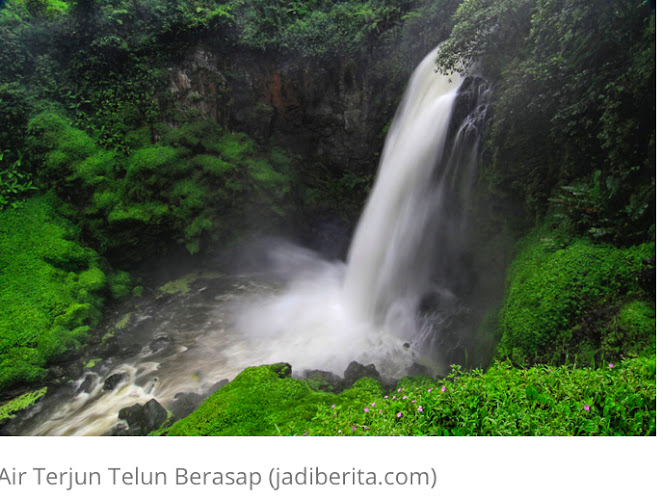
Air Terjun Telun Berasap
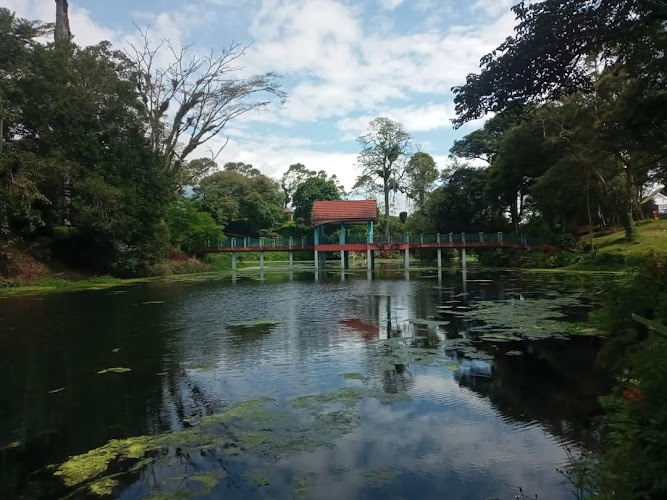
Aroma Pecco
Find Accommodations Nearby
Recommended Tours & Activities
Visitor Reviews
There are no reviews yet. Be the first one to write one.
Share Your Experience
Have you visited Gunung Tujuh? Help other travelers by leaving a review.