

Bukit Impian
About Bukit Impian
Description
Bukit Impian stands as one of Malaysia's more intriguing natural destinations, though it's definitely not your typical postcard-perfect attraction. This national reserve offers visitors a genuine slice of Malaysian wilderness, complete with winding trails that follow the gentle curves of Sungai Ramal through dense tropical vegetation.
The reserve presents an authentic outdoor experience that's become increasingly rare in Malaysia's rapidly developing landscape. And honestly, that's exactly what makes it special. You won't find manicured gardens or Instagram-worthy viewpoints here – instead, you'll discover raw nature in all its unpredictable glory.
What strikes most visitors first is the sound. The constant murmur of Sungai Ramal creates this natural soundtrack that follows you throughout your journey. It's surprisingly soothing, though I've noticed some people find the dense canopy cover a bit claustrophobic at first. The trail system winds through various elevations, giving hikers a proper workout while showcasing the incredible biodiversity that Malaysia is famous for.
The reserve attracts a mixed crowd – from serious nature photographers hoping to capture endemic species to families looking for an affordable weekend adventure. But here's the thing: Bukit Impian demands respect. This isn't a walk in the park (literally), and the wildlife here operates on its own terms. Monkeys are frequent trail companions, and wild dogs occasionally make appearances, which keeps things interesting but requires constant awareness.
Key Features
Bukit Impian's distinctive characteristics set it apart from Malaysia's more commercialized nature attractions:
- Sungai Ramal river system - The lifeblood of the reserve, providing both scenic beauty and essential habitat for local wildlife
- Diverse flora and fauna - Home to numerous indigenous species, including various bird species, primates, and tropical plant life
- Winding trail network - Multiple pathways of varying difficulty levels that accommodate different fitness levels and time constraints
- Natural swimming spots - Several river pools offer refreshing breaks during hikes, though water conditions vary seasonally
- Wildlife observation opportunities - Regular sightings of monkeys, exotic birds, and other native animals in their natural habitat
- Minimal commercial development - Maintains its authentic wilderness character without excessive tourist infrastructure
- Photography opportunities - Dense canopy cover creates dramatic lighting conditions perfect for nature photography
- Educational value - Living classroom for understanding Malaysia's tropical ecosystem and conservation efforts
Best Time to Visit
Timing your visit to Bukit Impian can make or break your experience. The reserve is accessible year-round, but conditions vary dramatically depending on Malaysia's monsoon patterns and seasonal weather changes.
The dry months between March and September offer the most predictable conditions. During this period, river levels remain manageable, and trails are less muddy – though "less muddy" is relative when you're dealing with tropical rainforest terrain. Early morning visits, starting around 7 AM, provide the best wildlife viewing opportunities. Animals are most active before the heat intensifies, and you'll avoid the afternoon thunderstorms that frequently roll through the area.
But here's something most guidebooks won't tell you: the rainy season has its own appeal. From October through February, the increased water flow transforms Sungai Ramal into a more dramatic waterway. The vegetation becomes incredibly lush, and the forest sounds are amplified. However, trail conditions become significantly more challenging, and some paths may be temporarily inaccessible due to flooding.
Weekday visits offer a completely different experience compared to weekends. You're likely to have large sections of the reserve to yourself, which enhances wildlife sightings and provides that genuine wilderness feel. Weekend crowds, while not overwhelming, can disturb the natural rhythm of the place.
Consider the lunar calendar too – seriously. Full moon nights create magical conditions for those brave enough to attempt night walks, though this requires proper preparation and local guidance.
How to Get There
Getting to Bukit Impian requires some planning, as it's not exactly accessible via public transportation. The reserve's location in Selangor means you'll need private transport or arranged transportation to reach the trailheads.
From Kuala Lumpur, the journey typically takes between 45 minutes to an hour, depending on traffic conditions and your exact starting point. The route involves a combination of highways and smaller roads, with the final approach requiring navigation through residential areas that can be confusing for first-time visitors.
Parking facilities are basic but functional. You'll find designated areas near the main trail entrances, though these fill up quickly during peak periods. The parking situation reflects the reserve's uncommercial nature – don't expect paved lots or attendants. It's essentially cleared ground that serves the purpose.
GPS coordinates work reasonably well for navigation, though cellular signal strength decreases as you approach the reserve boundaries. Download offline maps beforehand, and consider bringing a physical backup map. I've seen too many visitors struggling with dead phone batteries and no navigation options.
Public transportation options are extremely limited. While some bus routes serve the general area, they require additional walking or motorcycle taxi arrangements to reach the actual reserve entrances. This isn't impossible, but it significantly complicates the logistics, especially when carrying hiking equipment or planning for weather contingencies.
Tips for Visiting
Successful Bukit Impian experiences depend heavily on proper preparation and realistic expectations. This isn't a destination where you can wing it and hope for the best.
Footwear makes or breaks your visit. Proper hiking boots with good ankle support are essential – the trails include rocky sections, muddy patches, and occasional stream crossings. I've watched people attempt these trails in flip-flops or casual sneakers, and it never ends well. The terrain is unforgiving, and medical assistance isn't readily available.
Water requirements exceed what most people initially estimate. The combination of high humidity, physical exertion, and limited shade means dehydration happens faster than expected. Bring more water than you think you need, plus water purification tablets if you plan to refill from natural sources. The river water looks clean, but it's not worth the risk without proper treatment.
Wildlife encounters require a balanced approach. While animal sightings are highlights of any visit, maintaining appropriate distance is crucial for both safety and conservation. Monkeys can be aggressive if they associate humans with food, so never feed them or leave food accessible. Wild dogs, while generally avoiding humans, require extra caution, especially if you encounter them in groups.
Weather preparation goes beyond checking the forecast. Tropical weather changes rapidly, and the forest canopy can make conditions feel different than expected. Bring lightweight rain gear regardless of predictions, and pack layers for temperature regulation. The temperature difference between sunny clearings and dense forest areas is more significant than you'd expect.
Photography equipment needs protection from humidity, dust, and potential water exposure. Silica gel packets and waterproof bags are invaluable for protecting cameras and phones. Battery life decreases in high humidity conditions, so bring backup power sources.
Trail navigation requires attention even on marked paths. Some trail markers are weathered or overgrown, and side paths can be confusing. Stay on established trails both for safety and environmental protection. The reserve's ecosystem is fragile, and off-trail hiking causes lasting damage.
Emergency preparedness isn't paranoia – it's practical. Cell phone coverage is spotty throughout much of the reserve. Inform someone about your planned route and expected return time. Basic first aid supplies are essential, particularly items for treating cuts, insect bites, and minor sprains.
The reserve's facilities are minimal by design. Public restrooms are available at main entry points, but they're basic pit toilets without running water or supplies. Bring your own tissue, hand sanitizer, and any personal hygiene items you might need.
Timing your visit around local school holidays and public holidays can significantly impact your experience. Malaysian families frequently visit during these periods, which changes the atmosphere from wilderness solitude to family-friendly outdoor recreation. Neither approach is wrong, but they offer completely different experiences.
Finally, approach Bukit Impian with patience and flexibility. This isn't a destination that reveals its secrets quickly or easily. The best experiences often come from slowing down, observing carefully, and accepting that nature operates on its own schedule. Some days offer incredible wildlife sightings and perfect weather. Other days test your determination with challenging conditions and elusive animals. Both types of experiences contribute to understanding what makes this reserve genuinely special among Malaysia's natural attractions.
Key Features
- Key Features
- Best Time to Visit
- How to Get There
- Tips for Visiting
More Details
Updated September 14, 2025
Table of Contents
Description
Bukit Impian stands as one of Malaysia’s more intriguing natural destinations, though it’s definitely not your typical postcard-perfect attraction. This national reserve offers visitors a genuine slice of Malaysian wilderness, complete with winding trails that follow the gentle curves of Sungai Ramal through dense tropical vegetation.
The reserve presents an authentic outdoor experience that’s become increasingly rare in Malaysia’s rapidly developing landscape. And honestly, that’s exactly what makes it special. You won’t find manicured gardens or Instagram-worthy viewpoints here – instead, you’ll discover raw nature in all its unpredictable glory.
What strikes most visitors first is the sound. The constant murmur of Sungai Ramal creates this natural soundtrack that follows you throughout your journey. It’s surprisingly soothing, though I’ve noticed some people find the dense canopy cover a bit claustrophobic at first. The trail system winds through various elevations, giving hikers a proper workout while showcasing the incredible biodiversity that Malaysia is famous for.
The reserve attracts a mixed crowd – from serious nature photographers hoping to capture endemic species to families looking for an affordable weekend adventure. But here’s the thing: Bukit Impian demands respect. This isn’t a walk in the park (literally), and the wildlife here operates on its own terms. Monkeys are frequent trail companions, and wild dogs occasionally make appearances, which keeps things interesting but requires constant awareness.
Key Features
Bukit Impian’s distinctive characteristics set it apart from Malaysia’s more commercialized nature attractions:
- Sungai Ramal river system – The lifeblood of the reserve, providing both scenic beauty and essential habitat for local wildlife
- Diverse flora and fauna – Home to numerous indigenous species, including various bird species, primates, and tropical plant life
- Winding trail network – Multiple pathways of varying difficulty levels that accommodate different fitness levels and time constraints
- Natural swimming spots – Several river pools offer refreshing breaks during hikes, though water conditions vary seasonally
- Wildlife observation opportunities – Regular sightings of monkeys, exotic birds, and other native animals in their natural habitat
- Minimal commercial development – Maintains its authentic wilderness character without excessive tourist infrastructure
- Photography opportunities – Dense canopy cover creates dramatic lighting conditions perfect for nature photography
- Educational value – Living classroom for understanding Malaysia’s tropical ecosystem and conservation efforts
Best Time to Visit
Timing your visit to Bukit Impian can make or break your experience. The reserve is accessible year-round, but conditions vary dramatically depending on Malaysia’s monsoon patterns and seasonal weather changes.
The dry months between March and September offer the most predictable conditions. During this period, river levels remain manageable, and trails are less muddy – though “less muddy” is relative when you’re dealing with tropical rainforest terrain. Early morning visits, starting around 7 AM, provide the best wildlife viewing opportunities. Animals are most active before the heat intensifies, and you’ll avoid the afternoon thunderstorms that frequently roll through the area.
But here’s something most guidebooks won’t tell you: the rainy season has its own appeal. From October through February, the increased water flow transforms Sungai Ramal into a more dramatic waterway. The vegetation becomes incredibly lush, and the forest sounds are amplified. However, trail conditions become significantly more challenging, and some paths may be temporarily inaccessible due to flooding.
Weekday visits offer a completely different experience compared to weekends. You’re likely to have large sections of the reserve to yourself, which enhances wildlife sightings and provides that genuine wilderness feel. Weekend crowds, while not overwhelming, can disturb the natural rhythm of the place.
Consider the lunar calendar too – seriously. Full moon nights create magical conditions for those brave enough to attempt night walks, though this requires proper preparation and local guidance.
How to Get There
Getting to Bukit Impian requires some planning, as it’s not exactly accessible via public transportation. The reserve’s location in Selangor means you’ll need private transport or arranged transportation to reach the trailheads.
From Kuala Lumpur, the journey typically takes between 45 minutes to an hour, depending on traffic conditions and your exact starting point. The route involves a combination of highways and smaller roads, with the final approach requiring navigation through residential areas that can be confusing for first-time visitors.
Parking facilities are basic but functional. You’ll find designated areas near the main trail entrances, though these fill up quickly during peak periods. The parking situation reflects the reserve’s uncommercial nature – don’t expect paved lots or attendants. It’s essentially cleared ground that serves the purpose.
GPS coordinates work reasonably well for navigation, though cellular signal strength decreases as you approach the reserve boundaries. Download offline maps beforehand, and consider bringing a physical backup map. I’ve seen too many visitors struggling with dead phone batteries and no navigation options.
Public transportation options are extremely limited. While some bus routes serve the general area, they require additional walking or motorcycle taxi arrangements to reach the actual reserve entrances. This isn’t impossible, but it significantly complicates the logistics, especially when carrying hiking equipment or planning for weather contingencies.
Tips for Visiting
Successful Bukit Impian experiences depend heavily on proper preparation and realistic expectations. This isn’t a destination where you can wing it and hope for the best.
Footwear makes or breaks your visit. Proper hiking boots with good ankle support are essential – the trails include rocky sections, muddy patches, and occasional stream crossings. I’ve watched people attempt these trails in flip-flops or casual sneakers, and it never ends well. The terrain is unforgiving, and medical assistance isn’t readily available.
Water requirements exceed what most people initially estimate. The combination of high humidity, physical exertion, and limited shade means dehydration happens faster than expected. Bring more water than you think you need, plus water purification tablets if you plan to refill from natural sources. The river water looks clean, but it’s not worth the risk without proper treatment.
Wildlife encounters require a balanced approach. While animal sightings are highlights of any visit, maintaining appropriate distance is crucial for both safety and conservation. Monkeys can be aggressive if they associate humans with food, so never feed them or leave food accessible. Wild dogs, while generally avoiding humans, require extra caution, especially if you encounter them in groups.
Weather preparation goes beyond checking the forecast. Tropical weather changes rapidly, and the forest canopy can make conditions feel different than expected. Bring lightweight rain gear regardless of predictions, and pack layers for temperature regulation. The temperature difference between sunny clearings and dense forest areas is more significant than you’d expect.
Photography equipment needs protection from humidity, dust, and potential water exposure. Silica gel packets and waterproof bags are invaluable for protecting cameras and phones. Battery life decreases in high humidity conditions, so bring backup power sources.
Trail navigation requires attention even on marked paths. Some trail markers are weathered or overgrown, and side paths can be confusing. Stay on established trails both for safety and environmental protection. The reserve’s ecosystem is fragile, and off-trail hiking causes lasting damage.
Emergency preparedness isn’t paranoia – it’s practical. Cell phone coverage is spotty throughout much of the reserve. Inform someone about your planned route and expected return time. Basic first aid supplies are essential, particularly items for treating cuts, insect bites, and minor sprains.
The reserve’s facilities are minimal by design. Public restrooms are available at main entry points, but they’re basic pit toilets without running water or supplies. Bring your own tissue, hand sanitizer, and any personal hygiene items you might need.
Timing your visit around local school holidays and public holidays can significantly impact your experience. Malaysian families frequently visit during these periods, which changes the atmosphere from wilderness solitude to family-friendly outdoor recreation. Neither approach is wrong, but they offer completely different experiences.
Finally, approach Bukit Impian with patience and flexibility. This isn’t a destination that reveals its secrets quickly or easily. The best experiences often come from slowing down, observing carefully, and accepting that nature operates on its own schedule. Some days offer incredible wildlife sightings and perfect weather. Other days test your determination with challenging conditions and elusive animals. Both types of experiences contribute to understanding what makes this reserve genuinely special among Malaysia’s natural attractions.
Key Highlights
- Key Features
- Best Time to Visit
- How to Get There
- Tips for Visiting
Location
Places to Stay Near Bukit Impian
Find and Book a Tour
Explore More Travel Guides
No reviews found! Be the first to review!
Traveler Reviews for Bukit Impian
There are no reviews yet. Be the first one to write one.
Have you visited Bukit Impian? Help other travelers by sharing your review.
Nearby Attractions
You Might Also Like

Dusun Baru
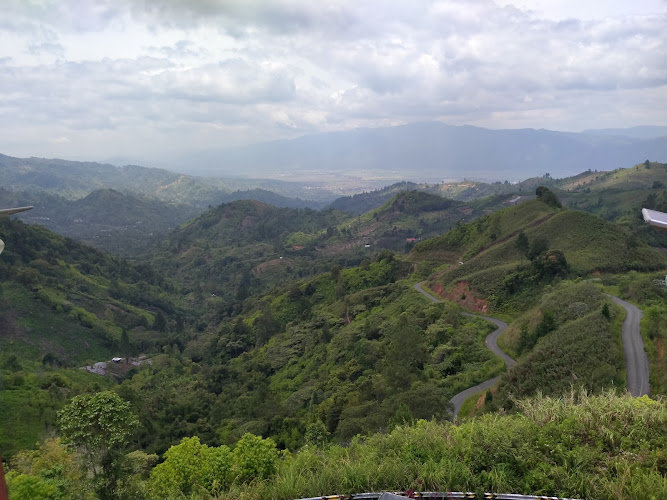
Sungai Penuh
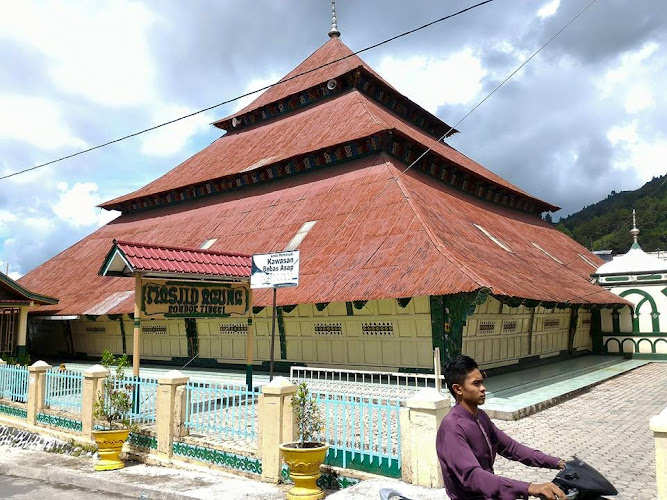
Pondok Tinggi Grand Mosque
Find Accommodations Nearby
Recommended Tours & Activities
Visitor Reviews
There are no reviews yet. Be the first one to write one.
Share Your Experience
Have you visited Bukit Impian? Help other travelers by leaving a review.