
Sungai Penuh
About Sungai Penuh
Description
Sungai Penuh stands as Indonesia’s highest city, perched at an impressive 1,400 meters above sea level in the heart of Sumatra’s mountain ranges. And honestly? That elevation makes all the difference when you’re escaping the tropical heat that blankets most of Indonesia. The city, which translates to “Full River” in English, earned its administrative independence from Kerinci Regency back in 2008, though locals still affectionately call it Siulak.
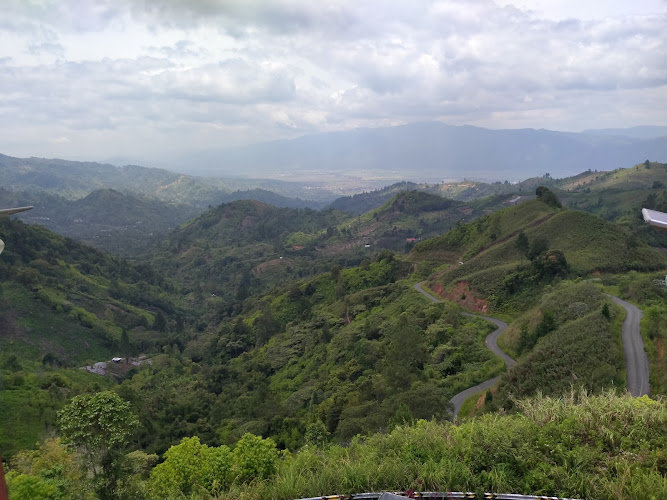
What strikes visitors most about Sungai Penuh is how it defies expectations of what an Indonesian city should feel like. The cool mountain air, the backdrop of towering peaks, and the gateway location to one of the country’s most pristine national parks create an atmosphere that’s distinctly different from coastal Indonesian destinations. You won’t find beaches here, but you’ll discover something arguably more rare – a city that serves as your launching pad into some of Southeast Asia’s most untouched wilderness.
The city functions as the primary access point to Kerinci Seblat National Park, home to Mount Kerinci – Indonesia’s highest volcano at 3,805 meters. But Sungai Penuh isn’t just a transit hub; it’s developed its own character as a mountain town where traditional Minangkabau culture meets modern Indonesian city life. The result is a place where you can grab a decent coffee in the morning before heading out to spot Sumatran tigers in the afternoon.
Key Features
Travelers choosing Sungai Penuh as their destination will encounter several distinctive characteristics that set this mountain city apart from typical Indonesian tourism hotspots:
- Gateway to Kerinci Seblat National Park – Direct access to UNESCO World Heritage biodiversity and Indonesia’s highest volcano
- Cool mountain climate – Year-round temperatures averaging 15-25°C, providing relief from tropical heat
- Elevation advantage – At 1,400 meters above sea level, it’s Indonesia’s highest city
- Cultural authenticity – Strong preservation of indigenous Kerinci traditions and customs
- Trekking base camp – Primary departure point for Mount Kerinci summit attempts
- Wildlife spotting opportunities – Access to habitats of Sumatran tigers, elephants, and rhinoceros
- Shopping infrastructure – Modern facilities including Kincai Plaza alongside traditional markets
- Agricultural landscapes – Surrounding tea plantations and terraced farming creating scenic vistas
- Minimal tourist crowds – Relatively undiscovered compared to mainstream Indonesian destinations
- Administrative center status – Well-developed urban infrastructure despite mountain location
Best Time to Visit
Here’s where Sungai Penuh gets interesting from a timing perspective – the city’s elevated position means it doesn’t follow the same weather patterns as lowland Indonesia. I’ve always found that the best months for visiting fall between April and September, when rainfall decreases significantly and you get those crisp, clear mountain mornings that make photography absolutely spectacular.
The dry season, particularly June through August, offers the most reliable weather for Mount Kerinci attempts. But here’s something most guidebooks won’t tell you: even during the “wet” season from October to March, Sungai Penuh receives less rainfall than many coastal Indonesian cities. The mountain location creates its own microclimate that tends to be more predictable than you’d expect.
Temperature-wise, you’re looking at consistent comfort year-round. Daytime highs rarely exceed 25°C, while nighttime temperatures can drop to around 15°C. Pack layers, because that temperature swing catches many visitors off guard. I’ve seen plenty of travelers shivering in their tropical vacation clothes during evening walks around the city.
If you’re planning wildlife spotting in Kerinci Seblat National Park, the transitional months of April-May and September-October often provide the best balance of decent weather and active animal behavior. The animals haven’t retreated due to extreme dry conditions, but trails remain accessible.
How to Get There
Getting to Sungai Penuh requires some planning, but it’s not as complicated as some remote Indonesian destinations. The city doesn’t have its own airport, so your journey typically begins with a flight to either Padang in West Sumatra or Jambi City in Jambi Province.
From Padang, you’re looking at approximately a 7-8 hour overland journey through some genuinely stunning mountain scenery. The route takes you through winding mountain roads that climb steadily toward Sungai Penuh’s elevated position. Most travelers opt for either private car hire or the intercity bus services that run this route daily. The bus journey costs significantly less but takes longer due to multiple stops along the way.
The alternative route from Jambi City involves roughly 5-6 hours of travel, though road conditions can vary depending on recent weather. This route tends to be less scenic but more direct. Many visitors actually prefer combining both routes – flying into one city and departing from the other to experience different landscapes.
Once you arrive in Sungai Penuh, local transportation includes ojek (motorcycle taxis), becak (cycle rickshaws), and rental motorbikes for those comfortable navigating Indonesian traffic. The city center is compact enough for walking, though you’ll want motorized transport for reaching trailheads and surrounding attractions.
Tips for Visiting
Pack for temperature variation – this cannot be emphasized enough. While Indonesia’s coastal areas maintain consistent warmth, Sungai Penuh’s mountain location means you’ll experience genuine cool weather, especially at night and early morning. Bring a proper jacket and long pants, even if everywhere else in your Indonesia itinerary requires only shorts and t-shirts.
Stock up on supplies in the city before heading into Kerinci Seblat National Park. While Sungai Penuh has decent shopping infrastructure including modern malls and traditional markets, once you’re in the wilderness areas, resupply options become extremely limited. This includes everything from snacks and water to batteries and basic medical supplies.
Consider hiring local guides through official channels rather than informal arrangements. The cultural knowledge and safety expertise that certified local guides provide becomes invaluable when you’re dealing with serious wilderness areas that contain large predators. Plus, supporting official guide services helps ensure that tourism benefits reach local communities appropriately.
ATM availability in Sungai Penuh is reasonable within the city center, but cash remains king for most transactions, especially when dealing with local guides, transportation, and smaller establishments. Withdraw sufficient rupiah before venturing into surrounding areas where banking facilities become scarce.
Respect local customs and dress codes, particularly when visiting traditional villages or religious sites in the surrounding area. The Kerinci people maintain strong cultural traditions, and demonstrating cultural sensitivity enhances your experience while building positive relationships with local communities.
Photography permissions matter here more than in tourist-heavy Indonesian destinations. Ask before photographing people, particularly in traditional settings, and be mindful that some locations within the national park have specific photography regulations designed to protect both wildlife and sensitive ecosystems.
Language preparation helps significantly since English proficiency varies widely outside of official tourism channels. Learning basic Indonesian phrases or downloading translation apps improves communication and demonstrates respect for local culture. This becomes particularly important when arranging complex services like multi-day trekking expeditions.
Key Features
- Key Features
- Best Time to Visit
- How to Get There
- Tips for Visiting
More Details
Updated September 13, 2025
Description
Sungai Penuh stands as Indonesia’s highest city, perched at an impressive 1,400 meters above sea level in the heart of Sumatra’s mountain ranges. And honestly? That elevation makes all the difference when you’re escaping the tropical heat that blankets most of Indonesia. The city, which translates to “Full River” in English, earned its administrative independence from Kerinci Regency back in 2008, though locals still affectionately call it Siulak.
What strikes visitors most about Sungai Penuh is how it defies expectations of what an Indonesian city should feel like. The cool mountain air, the backdrop of towering peaks, and the gateway location to one of the country’s most pristine national parks create an atmosphere that’s distinctly different from coastal Indonesian destinations. You won’t find beaches here, but you’ll discover something arguably more rare – a city that serves as your launching pad into some of Southeast Asia’s most untouched wilderness.
The city functions as the primary access point to Kerinci Seblat National Park, home to Mount Kerinci – Indonesia’s highest volcano at 3,805 meters. But Sungai Penuh isn’t just a transit hub; it’s developed its own character as a mountain town where traditional Minangkabau culture meets modern Indonesian city life. The result is a place where you can grab a decent coffee in the morning before heading out to spot Sumatran tigers in the afternoon.
Key Features
Travelers choosing Sungai Penuh as their destination will encounter several distinctive characteristics that set this mountain city apart from typical Indonesian tourism hotspots:
- Gateway to Kerinci Seblat National Park – Direct access to UNESCO World Heritage biodiversity and Indonesia’s highest volcano
- Cool mountain climate – Year-round temperatures averaging 15-25°C, providing relief from tropical heat
- Elevation advantage – At 1,400 meters above sea level, it’s Indonesia’s highest city
- Cultural authenticity – Strong preservation of indigenous Kerinci traditions and customs
- Trekking base camp – Primary departure point for Mount Kerinci summit attempts
- Wildlife spotting opportunities – Access to habitats of Sumatran tigers, elephants, and rhinoceros
- Shopping infrastructure – Modern facilities including Kincai Plaza alongside traditional markets
- Agricultural landscapes – Surrounding tea plantations and terraced farming creating scenic vistas
- Minimal tourist crowds – Relatively undiscovered compared to mainstream Indonesian destinations
- Administrative center status – Well-developed urban infrastructure despite mountain location
Best Time to Visit
Here’s where Sungai Penuh gets interesting from a timing perspective – the city’s elevated position means it doesn’t follow the same weather patterns as lowland Indonesia. I’ve always found that the best months for visiting fall between April and September, when rainfall decreases significantly and you get those crisp, clear mountain mornings that make photography absolutely spectacular.
The dry season, particularly June through August, offers the most reliable weather for Mount Kerinci attempts. But here’s something most guidebooks won’t tell you: even during the “wet” season from October to March, Sungai Penuh receives less rainfall than many coastal Indonesian cities. The mountain location creates its own microclimate that tends to be more predictable than you’d expect.
Temperature-wise, you’re looking at consistent comfort year-round. Daytime highs rarely exceed 25°C, while nighttime temperatures can drop to around 15°C. Pack layers, because that temperature swing catches many visitors off guard. I’ve seen plenty of travelers shivering in their tropical vacation clothes during evening walks around the city.
If you’re planning wildlife spotting in Kerinci Seblat National Park, the transitional months of April-May and September-October often provide the best balance of decent weather and active animal behavior. The animals haven’t retreated due to extreme dry conditions, but trails remain accessible.
How to Get There
Getting to Sungai Penuh requires some planning, but it’s not as complicated as some remote Indonesian destinations. The city doesn’t have its own airport, so your journey typically begins with a flight to either Padang in West Sumatra or Jambi City in Jambi Province.
From Padang, you’re looking at approximately a 7-8 hour overland journey through some genuinely stunning mountain scenery. The route takes you through winding mountain roads that climb steadily toward Sungai Penuh’s elevated position. Most travelers opt for either private car hire or the intercity bus services that run this route daily. The bus journey costs significantly less but takes longer due to multiple stops along the way.
The alternative route from Jambi City involves roughly 5-6 hours of travel, though road conditions can vary depending on recent weather. This route tends to be less scenic but more direct. Many visitors actually prefer combining both routes – flying into one city and departing from the other to experience different landscapes.
Once you arrive in Sungai Penuh, local transportation includes ojek (motorcycle taxis), becak (cycle rickshaws), and rental motorbikes for those comfortable navigating Indonesian traffic. The city center is compact enough for walking, though you’ll want motorized transport for reaching trailheads and surrounding attractions.
Tips for Visiting
Pack for temperature variation – this cannot be emphasized enough. While Indonesia’s coastal areas maintain consistent warmth, Sungai Penuh’s mountain location means you’ll experience genuine cool weather, especially at night and early morning. Bring a proper jacket and long pants, even if everywhere else in your Indonesia itinerary requires only shorts and t-shirts.
Stock up on supplies in the city before heading into Kerinci Seblat National Park. While Sungai Penuh has decent shopping infrastructure including modern malls and traditional markets, once you’re in the wilderness areas, resupply options become extremely limited. This includes everything from snacks and water to batteries and basic medical supplies.
Consider hiring local guides through official channels rather than informal arrangements. The cultural knowledge and safety expertise that certified local guides provide becomes invaluable when you’re dealing with serious wilderness areas that contain large predators. Plus, supporting official guide services helps ensure that tourism benefits reach local communities appropriately.
ATM availability in Sungai Penuh is reasonable within the city center, but cash remains king for most transactions, especially when dealing with local guides, transportation, and smaller establishments. Withdraw sufficient rupiah before venturing into surrounding areas where banking facilities become scarce.
Respect local customs and dress codes, particularly when visiting traditional villages or religious sites in the surrounding area. The Kerinci people maintain strong cultural traditions, and demonstrating cultural sensitivity enhances your experience while building positive relationships with local communities.
Photography permissions matter here more than in tourist-heavy Indonesian destinations. Ask before photographing people, particularly in traditional settings, and be mindful that some locations within the national park have specific photography regulations designed to protect both wildlife and sensitive ecosystems.
Language preparation helps significantly since English proficiency varies widely outside of official tourism channels. Learning basic Indonesian phrases or downloading translation apps improves communication and demonstrates respect for local culture. This becomes particularly important when arranging complex services like multi-day trekking expeditions.
Key Highlights
- Key Features
- Best Time to Visit
- How to Get There
- Tips for Visiting
Location
Places to Stay Near Sungai Penuh
Find and Book a Tour
Explore More Travel Guides
No reviews found! Be the first to review!
Traveler Reviews for Sungai Penuh
There are no reviews yet. Be the first one to write one.
Have you visited Sungai Penuh? Help other travelers by sharing your review.
You Might Also Like

Bukit Impian
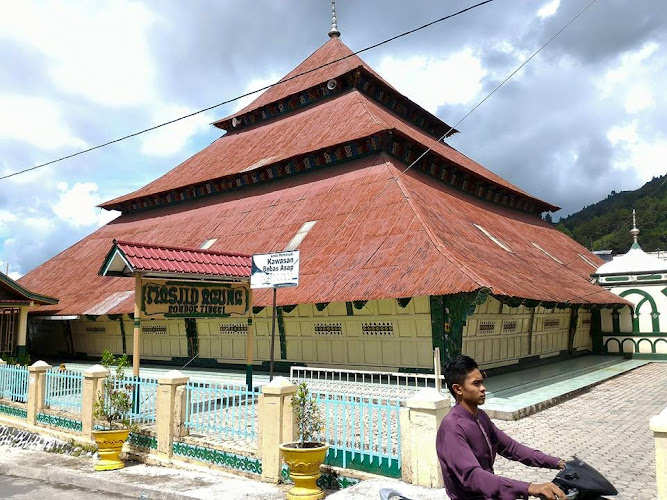
Pondok Tinggi Grand Mosque

Taman Bunga
Find Accommodations Nearby
Recommended Tours & Activities
Visitor Reviews
There are no reviews yet. Be the first one to write one.
Share Your Experience
Have you visited Sungai Penuh? Help other travelers by leaving a review.