

Kerinci Seblat National Park
About Kerinci Seblat National Park
Description
Kerinci Seblat National Park stands as one of Southeast Asia's most remarkable wilderness areas, stretching across nearly 14,000 square kilometers of pristine Sumatran landscape. This massive protected area encompasses parts of four provinces and protects some of the world's most biodiverse tropical rainforest ecosystems. The park serves as the crown jewel of Indonesia's conservation efforts and forms part of the UNESCO World Heritage-listed Tropical Rainforest Heritage of Sumatra.
What makes this place truly special isn't just its size - though at almost 14,000 km², it's larger than all of Costa Rica's national parks combined. It's the incredible diversity of landscapes that'll take your breath away. From steamy lowland forests where tigers still roam to the cloud-kissed peak of Mount Kerinci at 3,805 meters, this park offers terrain that changes dramatically as you explore deeper into its boundaries.
The park runs along the Barisan mountain range, which forms Sumatra's western backbone. And here's something that always amazes visitors - you're not just looking at one impressive peak, but more than five active volcanoes within the park boundaries. Mount Kerinci itself holds the distinction of being Sumatra's highest mountain and Indonesia's second-highest peak, making it a magnet for serious trekkers and mountaineers.
Wildlife enthusiasts will find themselves in paradise here. The park protects critical habitat for Sumatran tigers, elephants, and rhinoceros - three of the world's most endangered large mammals. But it's not just about the big animals; the forest teems with over 4,000 plant species and hundreds of bird species that make this a world-class destination for nature photography and wildlife watching.
Key Features
Kerinci Seblat National Park offers an impressive array of natural attractions and experiences that set it apart from other Indonesian destinations:
- Mount Kerinci Summit Trek - The challenging but rewarding climb to Sumatra's highest peak offers panoramic views across the island's mountainous spine
- Active Volcanic Landscape - More than five active volcanoes create a dynamic geological environment with hot springs and unique mineral formations
- Tiger Spotting Opportunities - One of the few places in the world where visitors have realistic chances of encountering wild Sumatran tigers
- Pristine Rainforest Ecosystems - Multiple forest types from lowland dipterocarp forests to montane cloud forests
- Extensive Trail Network - Hundreds of kilometers of established hiking trails suitable for various skill levels
- Birdwatching Paradise - Over 370 bird species including many endemic Sumatran species
- Traditional Village Experiences - Authentic interactions with local Kerinci communities who maintain traditional lifestyles
- Waterfalls and Natural Pools - Numerous hidden waterfalls perfect for cooling off after long hikes
- Photography Opportunities - Incredible biodiversity and landscapes provide endless subjects for nature photographers
- Scientific Research Stations - Opportunities to learn about ongoing conservation and research efforts
Best Time to Visit
Timing your visit to Kerinci Seblat National Park can make the difference between an incredible adventure and a soggy, frustrating experience. The park experiences a tropical rainforest climate, which means it's warm and humid year-round, but the rainfall patterns vary significantly throughout the year.
The dry season, running from June through September, offers the best conditions for most activities. During these months, you'll encounter less rainfall, clearer skies for mountain views, and more manageable trail conditions. This is particularly important if you're planning to tackle Mount Kerinci, as the summit trek becomes significantly more challenging and dangerous during heavy rains.
July and August represent the peak dry season and are ideal for serious trekking and wildlife spotting. However, these months also see the highest visitor numbers, so you'll want to book accommodations and permits well in advance. The weather during this period is still humid - this is a tropical rainforest after all - but you'll have the best chances of clear summit views and dry camping conditions.
The shoulder months of May and October can offer excellent value for visitors who don't mind occasional afternoon showers. Wildlife activity often increases during these transitional periods, and you'll encounter fewer crowds on popular trails. But be prepared for muddy conditions and pack appropriate rain gear.
I wouldn't recommend visiting during the peak wet season (November through March) unless you're specifically interested in studying rainforest ecology during monsoon conditions. The combination of heavy rains, leeches, and extremely muddy trails makes hiking challenging and potentially unsafe. Many local guides refuse to take visitors to higher elevations during this period.
For birdwatchers, the early dry season (June-July) often provides the best opportunities as many species are more active and visible before the peak tourist season begins.
How to Get There
Getting to Kerinci Seblat National Park requires some planning, but the journey is part of the adventure. The most practical approach involves flying into Jakarta or Padang, then making your way overland to one of several entry points around the park's massive perimeter.
Most visitors find that Sungai Penuh serves as the best base for exploring the park. This small town sits right at the park's edge and offers the most developed tourist infrastructure, including guesthouses, restaurants, and the main National Park office where you'll need to arrange permits and guides. From Jakarta, you can fly to Sultan Syarif Kasim II Airport in Pekanbaru, then take a bus or hire a driver for the roughly 6-hour journey to Sungai Penuh.
Alternatively, flying into Minangkabau International Airport near Padang provides another route, though it involves a longer overland journey of about 8-10 hours depending on road conditions. The roads through central Sumatra can be challenging, with winding mountain passes and occasional delays, so factor in extra travel time.
From Sungai Penuh, you'll need to arrange local transportation to specific trailheads and entry points. Most visitors hire local guides who provide transportation as part of their services. This is actually preferable since navigating to remote trailheads requires local knowledge, and having a guide is mandatory for most park activities anyway.
Public transportation exists but requires patience and flexibility. Local buses connect major towns around the park's perimeter, but services can be infrequent and schedules unreliable. If you're comfortable with basic Indonesian and have plenty of time, this can be an authentic way to experience local life.
For those seeking more comfort, private drivers can be arranged through hotels or tour agencies in Padang or Pekanbaru. This option costs more but provides flexibility to stop at interesting sites along the way and ensures you arrive at your destination without the stress of navigating unfamiliar roads.
Tips for Visiting
Visiting Kerinci Seblat National Park successfully requires preparation and local knowledge that can make or break your experience. After talking with numerous guides and park rangers, here are the insider tips that most visitors wish they'd known before arriving.
First and foremost, arrange your permits before heading into the field. The National Park office in Sungai Penuh processes permits, but this can take time, especially during peak season. Bring multiple passport photos and copies of your passport, and be prepared to provide detailed itineraries. The staff are helpful but bureaucracy moves slowly, so patience pays off.
Hiring a local guide isn't just recommended - it's mandatory for most activities and absolutely essential for safety. The park's vast size and complex trail network make it easy to become lost, and local guides provide invaluable knowledge about wildlife behavior, weather patterns, and cultural sensitivities. Good guides also handle logistics like arranging porters, meals, and camping equipment.
Pack for multiple climates within a single trip. You might start your day in humid lowland conditions and end it in cool mountain weather above 3,000 meters. Layered clothing systems work best, with moisture-wicking base layers, insulating mid-layers, and waterproof outer shells. Don't forget that temperatures can drop significantly at night on mountain treks.
Leeches are a reality in this environment, particularly during and after rains. Bring salt or tobacco to remove them safely, and consider leech socks or gaiters for added protection. Most visitors find that lightweight, long-sleeved clothing provides better protection than constantly applying insect repellent.
Water purification is crucial since you'll be drinking from streams and springs. Bring multiple methods - water purification tablets, a reliable filter, and backup purification options. Dehydration happens quickly in this climate, but waterborne illnesses can end your trip prematurely.
Photography enthusiasts should prepare for high humidity that can fog lenses and damage equipment. Silica gel packets, waterproof camera bags, and extra batteries (which drain faster in tropical conditions) are essential. The incredible wildlife and landscape opportunities make the extra preparation worthwhile.
Respect local customs and environmental regulations strictly. Many areas within the park hold cultural significance for local communities, and conservation efforts depend on maintaining positive relationships between tourists and residents. Follow Leave No Trace principles religiously - this pristine environment depends on every visitor's commitment to conservation.
Finally, maintain realistic expectations about wildlife sightings. While the park protects incredible biodiversity, animals are wild and sightings aren't guaranteed. The experience of being in one of the world's most intact rainforest ecosystems is remarkable even when the tigers stay hidden. Sometimes the most memorable moments come from unexpected encounters rather than planned objectives.
Key Features
- Access to Mount Kerinci approaches and highland volcanic landscapes
- Rich biodiversity including Sumatran tiger habitat and endemic plants (e.g., rafflesia)
- Cloud and montane forests with excellent birdwatching opportunities
- Traditional Minangkabau villages and cultural experiences near park entrances
- Multi-day trekking routes, waterfalls, and remote river valleys
More Details
Updated September 14, 2025
Description
Kerinci Seblat National Park stands as one of Southeast Asia’s most remarkable wilderness areas, stretching across nearly 14,000 square kilometers of pristine Sumatran landscape. This massive protected area encompasses parts of four provinces and protects some of the world’s most biodiverse tropical rainforest ecosystems. The park serves as the crown jewel of Indonesia’s conservation efforts and forms part of the UNESCO World Heritage-listed Tropical Rainforest Heritage of Sumatra.
What makes this place truly special isn’t just its size – though at almost 14,000 km², it’s larger than all of Costa Rica’s national parks combined. It’s the incredible diversity of landscapes that’ll take your breath away. From steamy lowland forests where tigers still roam to the cloud-kissed peak of Mount Kerinci at 3,805 meters, this park offers terrain that changes dramatically as you explore deeper into its boundaries.
The park runs along the Barisan mountain range, which forms Sumatra’s western backbone. And here’s something that always amazes visitors – you’re not just looking at one impressive peak, but more than five active volcanoes within the park boundaries. Mount Kerinci itself holds the distinction of being Sumatra’s highest mountain and Indonesia’s second-highest peak, making it a magnet for serious trekkers and mountaineers.
Wildlife enthusiasts will find themselves in paradise here. The park protects critical habitat for Sumatran tigers, elephants, and rhinoceros – three of the world’s most endangered large mammals. But it’s not just about the big animals; the forest teems with over 4,000 plant species and hundreds of bird species that make this a world-class destination for nature photography and wildlife watching.
Key Features
Kerinci Seblat National Park offers an impressive array of natural attractions and experiences that set it apart from other Indonesian destinations:
- Mount Kerinci Summit Trek – The challenging but rewarding climb to Sumatra’s highest peak offers panoramic views across the island’s mountainous spine
- Active Volcanic Landscape – More than five active volcanoes create a dynamic geological environment with hot springs and unique mineral formations
- Tiger Spotting Opportunities – One of the few places in the world where visitors have realistic chances of encountering wild Sumatran tigers
- Pristine Rainforest Ecosystems – Multiple forest types from lowland dipterocarp forests to montane cloud forests
- Extensive Trail Network – Hundreds of kilometers of established hiking trails suitable for various skill levels
- Birdwatching Paradise – Over 370 bird species including many endemic Sumatran species
- Traditional Village Experiences – Authentic interactions with local Kerinci communities who maintain traditional lifestyles
- Waterfalls and Natural Pools – Numerous hidden waterfalls perfect for cooling off after long hikes
- Photography Opportunities – Incredible biodiversity and landscapes provide endless subjects for nature photographers
- Scientific Research Stations – Opportunities to learn about ongoing conservation and research efforts
Best Time to Visit
Timing your visit to Kerinci Seblat National Park can make the difference between an incredible adventure and a soggy, frustrating experience. The park experiences a tropical rainforest climate, which means it’s warm and humid year-round, but the rainfall patterns vary significantly throughout the year.
The dry season, running from June through September, offers the best conditions for most activities. During these months, you’ll encounter less rainfall, clearer skies for mountain views, and more manageable trail conditions. This is particularly important if you’re planning to tackle Mount Kerinci, as the summit trek becomes significantly more challenging and dangerous during heavy rains.
July and August represent the peak dry season and are ideal for serious trekking and wildlife spotting. However, these months also see the highest visitor numbers, so you’ll want to book accommodations and permits well in advance. The weather during this period is still humid – this is a tropical rainforest after all – but you’ll have the best chances of clear summit views and dry camping conditions.
The shoulder months of May and October can offer excellent value for visitors who don’t mind occasional afternoon showers. Wildlife activity often increases during these transitional periods, and you’ll encounter fewer crowds on popular trails. But be prepared for muddy conditions and pack appropriate rain gear.
I wouldn’t recommend visiting during the peak wet season (November through March) unless you’re specifically interested in studying rainforest ecology during monsoon conditions. The combination of heavy rains, leeches, and extremely muddy trails makes hiking challenging and potentially unsafe. Many local guides refuse to take visitors to higher elevations during this period.
For birdwatchers, the early dry season (June-July) often provides the best opportunities as many species are more active and visible before the peak tourist season begins.
How to Get There
Getting to Kerinci Seblat National Park requires some planning, but the journey is part of the adventure. The most practical approach involves flying into Jakarta or Padang, then making your way overland to one of several entry points around the park’s massive perimeter.
Most visitors find that Sungai Penuh serves as the best base for exploring the park. This small town sits right at the park’s edge and offers the most developed tourist infrastructure, including guesthouses, restaurants, and the main National Park office where you’ll need to arrange permits and guides. From Jakarta, you can fly to Sultan Syarif Kasim II Airport in Pekanbaru, then take a bus or hire a driver for the roughly 6-hour journey to Sungai Penuh.
Alternatively, flying into Minangkabau International Airport near Padang provides another route, though it involves a longer overland journey of about 8-10 hours depending on road conditions. The roads through central Sumatra can be challenging, with winding mountain passes and occasional delays, so factor in extra travel time.
From Sungai Penuh, you’ll need to arrange local transportation to specific trailheads and entry points. Most visitors hire local guides who provide transportation as part of their services. This is actually preferable since navigating to remote trailheads requires local knowledge, and having a guide is mandatory for most park activities anyway.
Public transportation exists but requires patience and flexibility. Local buses connect major towns around the park’s perimeter, but services can be infrequent and schedules unreliable. If you’re comfortable with basic Indonesian and have plenty of time, this can be an authentic way to experience local life.
For those seeking more comfort, private drivers can be arranged through hotels or tour agencies in Padang or Pekanbaru. This option costs more but provides flexibility to stop at interesting sites along the way and ensures you arrive at your destination without the stress of navigating unfamiliar roads.
Tips for Visiting
Visiting Kerinci Seblat National Park successfully requires preparation and local knowledge that can make or break your experience. After talking with numerous guides and park rangers, here are the insider tips that most visitors wish they’d known before arriving.
First and foremost, arrange your permits before heading into the field. The National Park office in Sungai Penuh processes permits, but this can take time, especially during peak season. Bring multiple passport photos and copies of your passport, and be prepared to provide detailed itineraries. The staff are helpful but bureaucracy moves slowly, so patience pays off.
Hiring a local guide isn’t just recommended – it’s mandatory for most activities and absolutely essential for safety. The park’s vast size and complex trail network make it easy to become lost, and local guides provide invaluable knowledge about wildlife behavior, weather patterns, and cultural sensitivities. Good guides also handle logistics like arranging porters, meals, and camping equipment.
Pack for multiple climates within a single trip. You might start your day in humid lowland conditions and end it in cool mountain weather above 3,000 meters. Layered clothing systems work best, with moisture-wicking base layers, insulating mid-layers, and waterproof outer shells. Don’t forget that temperatures can drop significantly at night on mountain treks.
Leeches are a reality in this environment, particularly during and after rains. Bring salt or tobacco to remove them safely, and consider leech socks or gaiters for added protection. Most visitors find that lightweight, long-sleeved clothing provides better protection than constantly applying insect repellent.
Water purification is crucial since you’ll be drinking from streams and springs. Bring multiple methods – water purification tablets, a reliable filter, and backup purification options. Dehydration happens quickly in this climate, but waterborne illnesses can end your trip prematurely.
Photography enthusiasts should prepare for high humidity that can fog lenses and damage equipment. Silica gel packets, waterproof camera bags, and extra batteries (which drain faster in tropical conditions) are essential. The incredible wildlife and landscape opportunities make the extra preparation worthwhile.
Respect local customs and environmental regulations strictly. Many areas within the park hold cultural significance for local communities, and conservation efforts depend on maintaining positive relationships between tourists and residents. Follow Leave No Trace principles religiously – this pristine environment depends on every visitor’s commitment to conservation.
Finally, maintain realistic expectations about wildlife sightings. While the park protects incredible biodiversity, animals are wild and sightings aren’t guaranteed. The experience of being in one of the world’s most intact rainforest ecosystems is remarkable even when the tigers stay hidden. Sometimes the most memorable moments come from unexpected encounters rather than planned objectives.
Key Highlights
- Access to Mount Kerinci approaches and highland volcanic landscapes
- Rich biodiversity including Sumatran tiger habitat and endemic plants (e.g., rafflesia)
- Cloud and montane forests with excellent birdwatching opportunities
- Traditional Minangkabau villages and cultural experiences near park entrances
- Multi-day trekking routes, waterfalls, and remote river valleys
Location
Places to Stay Near Kerinci Seblat National Park
Find and Book a Tour
Explore More Travel Guides
No reviews found! Be the first to review!
Traveler Reviews for Kerinci Seblat National Park
There are no reviews yet. Be the first one to write one.
Have you visited Kerinci Seblat National Park? Help other travelers by sharing your review.
Nearby Attractions
You Might Also Like

Taman Bunga

lubuk pelayang
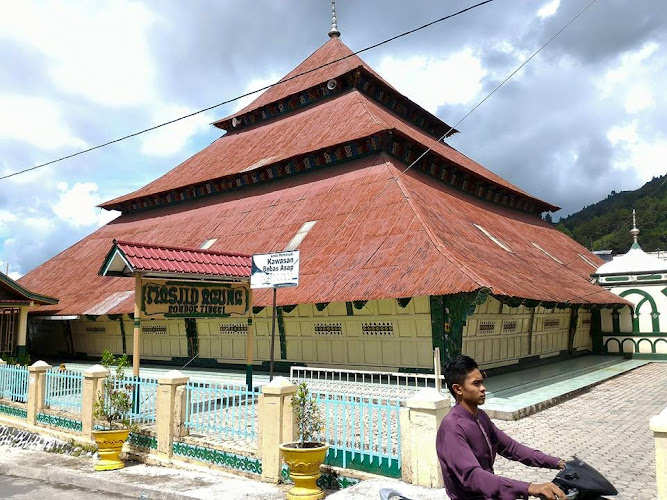
Pondok Tinggi Grand Mosque
Find Accommodations Nearby
Recommended Tours & Activities
Visitor Reviews
There are no reviews yet. Be the first one to write one.
Share Your Experience
Have you visited Kerinci Seblat National Park? Help other travelers by leaving a review.