
Erhai
About Erhai
Description
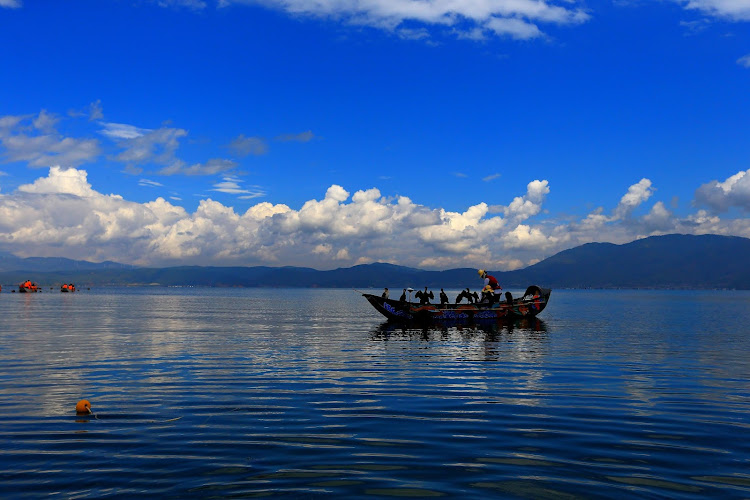
Erhai, often called the “Ear-shaped Sea” because of its unique outline, is one of those places in China that quietly steals your heart. Sitting just east of Dali in Yunnan Province, this freshwater lake stretches out like a shimmering mirror, reflecting both the Cangshan Mountains and the ever-changing skies. It’s not the kind of lake that screams for attention with flashy attractions; instead, it draws you in with its calm, meditative beauty. Travelers often describe it as a place where time slows down—where you can actually hear yourself think while watching fishermen row their wooden boats or water birds glide across the surface.
Of course, not every visitor falls head over heels. Some people find the lake a bit too touristy in certain areas, especially near the more developed towns along its shores. And yes, on a cloudy or hazy day, the scenery might not live up to the postcard-perfect images you’ve seen online. But when the light hits right, when the water turns silver-blue and the mountains look like they’ve been painted in watercolor, it’s pure magic. For me, it’s the kind of spot where you sit down with a cup of tea, breathe in the crisp air, and suddenly realize you’ve been staring at the horizon for an hour without even noticing.
The charm of Erhai isn’t just in its natural beauty—it’s also in the life that pulses around it. Bai minority villages dot the shoreline, each with their own traditions, markets, and rhythms. If you’re curious about local culture, wandering into one of these villages can be as memorable as the lake views themselves. And then there’s the food: fresh fish pulled from the lake, grilled or steamed with local spices, is a treat you shouldn’t skip. It’s a place that feels both grand in scale and intimate in experience, depending on how you choose to explore it.
Key Features
- A freshwater lake shaped like a human ear, stretching about 40 kilometers long.
- Surrounded by the dramatic Cangshan Mountain range, offering stunning reflections on clear days.
- Home to several islands, islets, and peninsulas that can be explored by boat or bike.
- Rich biodiversity, including migratory birds and native fish species.
- Bai ethnic villages along the shoreline, known for traditional architecture and cultural experiences.
- Popular activities include cycling, photography, boat cruises, and sampling fresh lake fish.
- Several famous scenic spots, such as “Erhai Moon” where the moonlight dances on the water.
Best Time to Visit
If you’re wondering when to plan your trip, the sweet spot is usually from March to May or September to November. Spring brings blooming flowers around the lake, and the weather is comfortably mild—not too hot, not too chilly. Autumn, on the other hand, is crisp and clear, which makes for those jaw-dropping mountain reflections in the water. Summer can get a bit humid, and winter, while quieter, sometimes hides the mountains behind a curtain of mist. Personally, I love visiting in late October; the skies are often a deep, endless blue, and the air feels fresh without being biting cold.
That said, don’t stress too much if your timing doesn’t line up perfectly. Even on a cloudy day, there’s something moody and atmospheric about the lake. It’s the kind of place that changes personality with the weather, and that unpredictability is part of its charm.
How to Get There
Reaching Erhai is fairly straightforward once you’re in Dali. The lake sits just a couple of kilometers east of Dali Old Town, so you can hop on a local bus, rent a bike, or even grab a taxi. If you’re the adventurous type, cycling around the lake is a popular option—it’s about 120 kilometers to circle the entire shoreline, so most travelers just pick a section that appeals to them. The western side near Dali Old Town is lively, while the eastern shore feels more rural and untouched.
For those who prefer a more relaxed approach, boat cruises are available from several piers. These cruises often stop at small islands and villages, giving you a taste of both the scenery and the culture. And if you’re coming from further away, Dali is well connected by high-speed train and flights, making Erhai an easy addition to a broader Yunnan itinerary.
Tips for Visiting
Here’s where a little insider advice comes in handy. First, if you’re planning to cycle, pace yourself. The distances can be deceptively long, and the sun can be stronger than you expect at this altitude. I once underestimated the ride and ended up with a sunburn that lasted a week—don’t make my mistake, pack sunscreen and water. Renting an e-bike is a great alternative if you want to cover more ground without exhausting yourself.
Second, try to explore beyond the main tourist hubs. The small Bai villages like Xizhou or Shuanglang offer a more authentic feel, with traditional courtyards, morning markets, and friendly locals who might invite you in for tea. These are the moments that stick with you long after you’ve left. And don’t forget to taste the local specialties—grilled lake fish, rice noodles, and even the famous “three-course tea” ceremony are all part of the experience.
Lastly, be mindful of the environment. Erhai has faced pollution challenges in recent years, and while efforts have been made to clean it up, it’s still a fragile ecosystem. Avoid littering, stick to designated paths when possible, and support local businesses that prioritize sustainability. The lake has been here for centuries, and with a little care, it will continue enchanting travelers for many more to come.
At the end of the day, Erhai isn’t just another pretty lake—it’s a place that invites you to slow down, connect with nature, and maybe even with yourself. Whether you’re here for the scenery, the culture, or just a quiet escape, chances are you’ll leave with memories that feel a little bit like poetry.
Key Features
- A freshwater lake shaped like a human ear, stretching about 40 kilometers long.
- Surrounded by the dramatic Cangshan Mountain range, offering stunning reflections on clear days.
- Home to several islands, islets, and peninsulas that can be explored by boat or bike.
- Rich biodiversity, including migratory birds and native fish species.
- Bai ethnic villages along the shoreline, known for traditional architecture and cultural experiences.
- Popular activities include cycling, photography, boat cruises, and sampling fresh lake fish.
- Several famous scenic spots, such as “Erhai Moon” where the moonlight dances on the water.
More Details
Updated September 23, 2025
Table of Contents
Description
Erhai, often called the “Ear-shaped Sea” because of its unique outline, is one of those places in China that quietly steals your heart. Sitting just east of Dali in Yunnan Province, this freshwater lake stretches out like a shimmering mirror, reflecting both the Cangshan Mountains and the ever-changing skies. It’s not the kind of lake that screams for attention with flashy attractions; instead, it draws you in with its calm, meditative beauty. Travelers often describe it as a place where time slows down—where you can actually hear yourself think while watching fishermen row their wooden boats or water birds glide across the surface.
Of course, not every visitor falls head over heels. Some people find the lake a bit too touristy in certain areas, especially near the more developed towns along its shores. And yes, on a cloudy or hazy day, the scenery might not live up to the postcard-perfect images you’ve seen online. But when the light hits right, when the water turns silver-blue and the mountains look like they’ve been painted in watercolor, it’s pure magic. For me, it’s the kind of spot where you sit down with a cup of tea, breathe in the crisp air, and suddenly realize you’ve been staring at the horizon for an hour without even noticing.
The charm of Erhai isn’t just in its natural beauty—it’s also in the life that pulses around it. Bai minority villages dot the shoreline, each with their own traditions, markets, and rhythms. If you’re curious about local culture, wandering into one of these villages can be as memorable as the lake views themselves. And then there’s the food: fresh fish pulled from the lake, grilled or steamed with local spices, is a treat you shouldn’t skip. It’s a place that feels both grand in scale and intimate in experience, depending on how you choose to explore it.
Key Features
- A freshwater lake shaped like a human ear, stretching about 40 kilometers long.
- Surrounded by the dramatic Cangshan Mountain range, offering stunning reflections on clear days.
- Home to several islands, islets, and peninsulas that can be explored by boat or bike.
- Rich biodiversity, including migratory birds and native fish species.
- Bai ethnic villages along the shoreline, known for traditional architecture and cultural experiences.
- Popular activities include cycling, photography, boat cruises, and sampling fresh lake fish.
- Several famous scenic spots, such as “Erhai Moon” where the moonlight dances on the water.
Best Time to Visit
If you’re wondering when to plan your trip, the sweet spot is usually from March to May or September to November. Spring brings blooming flowers around the lake, and the weather is comfortably mild—not too hot, not too chilly. Autumn, on the other hand, is crisp and clear, which makes for those jaw-dropping mountain reflections in the water. Summer can get a bit humid, and winter, while quieter, sometimes hides the mountains behind a curtain of mist. Personally, I love visiting in late October; the skies are often a deep, endless blue, and the air feels fresh without being biting cold.
That said, don’t stress too much if your timing doesn’t line up perfectly. Even on a cloudy day, there’s something moody and atmospheric about the lake. It’s the kind of place that changes personality with the weather, and that unpredictability is part of its charm.
How to Get There
Reaching Erhai is fairly straightforward once you’re in Dali. The lake sits just a couple of kilometers east of Dali Old Town, so you can hop on a local bus, rent a bike, or even grab a taxi. If you’re the adventurous type, cycling around the lake is a popular option—it’s about 120 kilometers to circle the entire shoreline, so most travelers just pick a section that appeals to them. The western side near Dali Old Town is lively, while the eastern shore feels more rural and untouched.
For those who prefer a more relaxed approach, boat cruises are available from several piers. These cruises often stop at small islands and villages, giving you a taste of both the scenery and the culture. And if you’re coming from further away, Dali is well connected by high-speed train and flights, making Erhai an easy addition to a broader Yunnan itinerary.
Tips for Visiting
Here’s where a little insider advice comes in handy. First, if you’re planning to cycle, pace yourself. The distances can be deceptively long, and the sun can be stronger than you expect at this altitude. I once underestimated the ride and ended up with a sunburn that lasted a week—don’t make my mistake, pack sunscreen and water. Renting an e-bike is a great alternative if you want to cover more ground without exhausting yourself.
Second, try to explore beyond the main tourist hubs. The small Bai villages like Xizhou or Shuanglang offer a more authentic feel, with traditional courtyards, morning markets, and friendly locals who might invite you in for tea. These are the moments that stick with you long after you’ve left. And don’t forget to taste the local specialties—grilled lake fish, rice noodles, and even the famous “three-course tea” ceremony are all part of the experience.
Lastly, be mindful of the environment. Erhai has faced pollution challenges in recent years, and while efforts have been made to clean it up, it’s still a fragile ecosystem. Avoid littering, stick to designated paths when possible, and support local businesses that prioritize sustainability. The lake has been here for centuries, and with a little care, it will continue enchanting travelers for many more to come.
At the end of the day, Erhai isn’t just another pretty lake—it’s a place that invites you to slow down, connect with nature, and maybe even with yourself. Whether you’re here for the scenery, the culture, or just a quiet escape, chances are you’ll leave with memories that feel a little bit like poetry.
Key Highlights
- A freshwater lake shaped like a human ear, stretching about 40 kilometers long.
- Surrounded by the dramatic Cangshan Mountain range, offering stunning reflections on clear days.
- Home to several islands, islets, and peninsulas that can be explored by boat or bike.
- Rich biodiversity, including migratory birds and native fish species.
- Bai ethnic villages along the shoreline, known for traditional architecture and cultural experiences.
- Popular activities include cycling, photography, boat cruises, and sampling fresh lake fish.
- Several famous scenic spots, such as “Erhai Moon” where the moonlight dances on the water.
Location
Places to Stay Near Erhai
Find and Book a Tour
Explore More Travel Guides
No reviews found! Be the first to review!
Traveler Reviews for Erhai
There are no reviews yet. Be the first one to write one.
Have you visited Erhai? Help other travelers by sharing your review.
You Might Also Like
Dali Bai Autonomous Prefecture Museum

Dali Culture Park
Dali Butterfly Spring Park
Find Accommodations Nearby
Recommended Tours & Activities
Visitor Reviews
There are no reviews yet. Be the first one to write one.
Share Your Experience
Have you visited Erhai? Help other travelers by leaving a review.