
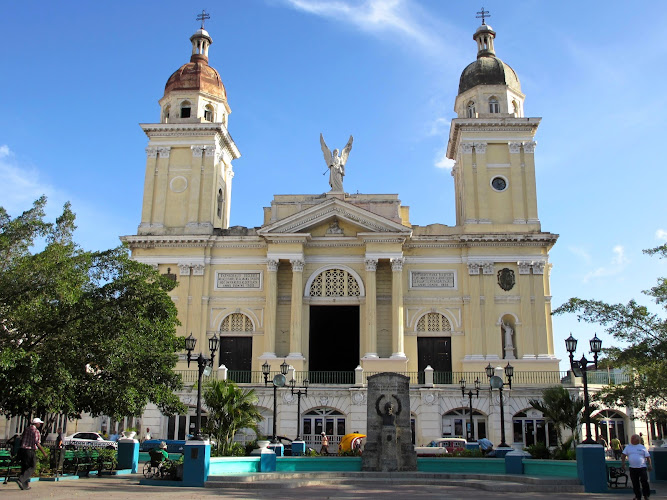
Catedral de Nuestra Señora de la Asunción
About Catedral de Nuestra Señora de la Asunción
Description
The Catedral de Nuestra Señora de la Asunción stands as one of those magnificent structures that makes you stop mid-stride and just stare upward. This Catholic cathedral represents centuries of faith, architectural ambition, and community dedication. When you first approach it, there's this immediate sense that you're about to step into something far bigger than just another tourist stop on your itinerary. I remember the first time I visited a historic cathedral—the way the temperature seemed to drop several degrees as I crossed the threshold, how my footsteps echoed against ancient stone floors. That's the kind of experience awaiting travelers here. This isn't just a building; it's a living monument where generations have gathered for worship, celebration, and reflection. The cathedral serves as both an active place of worship and a cultural landmark, which means you're getting an authentic glimpse into the spiritual life of the community rather than walking through some preserved museum piece. Real people still come here for mass, for weddings, for baptisms. And that ongoing vitality gives the space an energy that's hard to replicate in structures that exist solely for tourism. What makes the Catedral de Nuestra Señora de la Asunción particularly special is how it embodies the architectural and religious heritage of its region. The craftsmanship visible in every corner tells stories about the artisans who dedicated years—sometimes their entire lives—to creating something that would outlast them by centuries. That kind of devotion leaves a mark you can actually feel when you're standing there.Key Features
The cathedral offers numerous elements that deserve your attention during a visit: • Architectural grandeur that showcases the building techniques and aesthetic sensibilities of its era, with details that reveal themselves gradually the longer you spend observing • Religious artwork and iconography that provides insight into Catholic traditions and the specific devotional practices of the local community throughout different historical periods • Impressive altar spaces designed to inspire awe and facilitate worship, often featuring intricate carvings, precious materials, and symbolic representations • Structural elements like columns, arches, and vaulted ceilings that demonstrate remarkable engineering achievements accomplished without modern technology • Sacred art collections that may include paintings, sculptures, and decorative elements created by skilled artists over multiple generations • Bell towers or similar architectural features that have marked time and called the faithful to worship for countless years • Atmospheric lighting conditions that change throughout the day, creating different moods and highlighting various architectural details at different hours • Historical artifacts or relics that connect visitors to the cathedral's past and the broader history of Catholicism in the region • Chapels or side altars dedicated to specific saints, offering quieter spaces for personal reflection within the larger structure • Confessionals and other traditional Catholic architectural elements that illustrate the practical aspects of religious practice But honestly, the most striking feature is often something you can't quite put your finger on—that intangible quality of sacred space that transcends the physical materials.Best Time to Visit
Timing your visit to the Catedral de Nuestra Señora de la Asunción can significantly impact your experience, and there's actually more strategy involved than you might think. Early morning visits offer something truly special. The cathedral often has fewer tourists at this hour, and there's a particular quality to the morning light as it filters through windows and illuminates the interior. You might even witness daily mass, which provides cultural context you simply can't get by wandering through an empty building. The local faithful attending morning services aren't there for show—they're going about their genuine spiritual practices, and observing that (respectfully, of course) adds tremendous depth to your understanding of the space. Mid-morning through early afternoon tends to be busiest with tour groups and individual travelers. This isn't necessarily bad; sometimes there's energy in seeing others also marvel at the architecture. But if you're sensitive to crowds or hoping to photograph the interior without people in every shot, you'll want to plan accordingly. Late afternoon can be magical, particularly in the hour or two before sunset. The changing light creates dramatic effects on the interior stonework and any stained glass elements. Plus, the cathedral often becomes quieter again as tour groups depart. Regarding seasons, many travelers don't realize that visiting during major Catholic feast days offers extraordinary experiences. The Feast of the Assumption (August 15th) holds particular significance given the cathedral's dedication to Nuestra Señora de la Asunción. During these celebrations, you'll witness the building being used exactly as intended—filled with music, ceremony, and community. Just be prepared for very limited access to certain areas during actual services. Weather considerations matter too. Rainy days can actually enhance the atmospheric quality inside, with the sound of rain creating a contemplative backdrop. However, exterior photography obviously suffers in poor weather. Weekdays generally see fewer visitors than weekends, though this varies by location and tourist season. And here's something many guidebooks won't tell you: sometimes the absolute best moment to visit is right after a service has concluded, when the space still holds that lingering energy of communal worship but has emptied enough for quiet exploration.How to Get There
Getting to the Catedral de Nuestra Señora de la Asunción typically proves straightforward, as cathedrals traditionally occupy central locations in their communities. These structures were intentionally built to be accessible to the faithful, which conveniently works in favor of modern travelers too. Most visitors will find the cathedral within walking distance of the main plaza or historical center. In many Spanish colonial and Latin American cities, the cathedral anchors the urban layout—everything radiates outward from this religious and civic heart. So if you're already exploring the historic district, you're probably closer than you think. Public transportation usually offers convenient options. Local buses frequently have stops near the cathedral, and taxi or rideshare services can drop you at nearby streets. The cathedral's prominence means that drivers—even those who don't speak your language—will almost certainly recognize the landmark name. For those staying in accommodations outside the city center, checking with your hotel concierge about the most efficient route makes sense. They can provide current information about bus lines, walking routes, or whether certain streets are temporarily closed for events or construction. Walking to the cathedral often proves most rewarding because you'll experience the neighborhood context. You'll pass local shops, observe daily life, and get a feel for how the cathedral fits into the broader community fabric. I've found that some of my best travel discoveries happen during these transition moments between destinations. Parking can be challenging if you're driving, as historic centers rarely accommodate modern vehicle traffic well. Street parking near major cathedrals is typically limited and often restricted. If you must drive, look for parking facilities on the periphery of the historic zone and plan to walk the final distance. Accessibility considerations deserve mention. While the cathedral itself may have stairs or uneven historic flooring, most have made accommodations for visitors with mobility challenges. Checking ahead about specific access points and available assistance ensures a smoother visit.Tips for Visiting
Visiting the Catedral de Nuestra Señora de la Asunción requires more consideration than just showing up. A few thoughtful preparations will significantly enhance your experience. Dress codes matter at Catholic cathedrals. This isn't just stuffy tradition—it's basic respect for an active religious site. Shoulders should be covered, and shorts or skirts should reach at least to the knee. Some cathedrals provide shawls or wraps for visitors who arrive underdressed, but don't count on it. And honestly, dressing appropriately shows you understand the difference between a tourist attraction and a sacred space that holds deep meaning for the local community. Photography policies vary considerably. Some cathedrals welcome photography without flash; others prohibit it entirely during services or in certain areas. Look for posted signs, and when in doubt, ask. Nothing marks you as a disrespectful tourist faster than snapping photos when you shouldn't. I've seen visitors asked to leave for ignoring these rules, which is embarrassing for everyone involved. Silence and reverence make your visit better for yourself and others. Even if you're not Catholic or religious at all, remember that people come here for spiritual reasons. Loud conversations, laughing, or treating the space like a casual hangout shows poor judgment. You don't need to whisper constantly, but moderate your voice and behavior. Timing around services requires attention. While attending a service can be culturally enlightening, understand that you're observing something meaningful rather than entertainment staged for tourists. Arrive before it begins, stay until it concludes, and follow along respectfully even if you don't participate. Wandering in halfway through or leaving early is disruptive. Donations are typically appreciated and appropriate. Many cathedrals depend partly on visitor contributions for maintenance and preservation. Even a small amount acknowledges the privilege of accessing this historic and spiritual space. Guided tours offer value if available. Knowledgeable guides can point out architectural details, explain symbolic elements, and share historical context you'd otherwise miss. The difference between seeing carved stone and understanding what those carvings represent is substantial. Security measures might include bag checks or restrictions on large backpacks. Plan accordingly and be patient with these procedures—they exist to protect irreplaceable historical and religious treasures. Take your time. Rushing through defeats the purpose. Find a pew, sit quietly for ten minutes, and just observe. Notice how the light changes, how sounds echo, how the space feels. These cathedrals were designed to inspire reflection, and you cheat yourself by treating them as checkbox items on an itinerary. Local customs around the cathedral area often include vendors, beggars, or people offering services. Handle these interactions with courtesy but firmness according to your comfort level. Finally, remember that visiting the Catedral de Nuestra Señora de la Asunción connects you to something much larger than your individual travel experience. Generations of people have passed through these same spaces, experienced the same sense of wonder at the architecture, and sought meaning within these walls. That continuity across time represents something genuinely profound in our increasingly disposable culture. Approaching your visit with that awareness transforms it from sightseeing into something more meaningful.Key Features
- Neoclassical façade with twin towers and marble sculptures
- Location facing Céspedes Park in central Santiago de Cuba
- Interior reflecting centuries of religious art and architecture
- Contains the tomb of Diego Velázquez (founder of Santiago)
- Functioning cathedral and minor basilica with regular services
More Details
Updated January 17, 2026
Table of Contents
- Description
- Key Features
- Best Time to Visit
- How to Get There
- Tips for Visiting
- Key Highlights
- Location
- Places to Stay Near Catedral de Nuestra Señora de la Asunción
- Find and Book a Tour
- Explore More Travel Guides
- Nearby Places You Might Like
- Traveler Reviews for Catedral de Nuestra Señora de la Asunción
- Share Your Experience
Description
The Catedral de Nuestra Señora de la Asunción stands as one of those magnificent structures that makes you stop mid-stride and just stare upward. This Catholic cathedral represents centuries of faith, architectural ambition, and community dedication. When you first approach it, there’s this immediate sense that you’re about to step into something far bigger than just another tourist stop on your itinerary.
I remember the first time I visited a historic cathedral—the way the temperature seemed to drop several degrees as I crossed the threshold, how my footsteps echoed against ancient stone floors. That’s the kind of experience awaiting travelers here. This isn’t just a building; it’s a living monument where generations have gathered for worship, celebration, and reflection.
The cathedral serves as both an active place of worship and a cultural landmark, which means you’re getting an authentic glimpse into the spiritual life of the community rather than walking through some preserved museum piece. Real people still come here for mass, for weddings, for baptisms. And that ongoing vitality gives the space an energy that’s hard to replicate in structures that exist solely for tourism.
What makes the Catedral de Nuestra Señora de la Asunción particularly special is how it embodies the architectural and religious heritage of its region. The craftsmanship visible in every corner tells stories about the artisans who dedicated years—sometimes their entire lives—to creating something that would outlast them by centuries. That kind of devotion leaves a mark you can actually feel when you’re standing there.
Key Features
The cathedral offers numerous elements that deserve your attention during a visit:
• Architectural grandeur that showcases the building techniques and aesthetic sensibilities of its era, with details that reveal themselves gradually the longer you spend observing
• Religious artwork and iconography that provides insight into Catholic traditions and the specific devotional practices of the local community throughout different historical periods
• Impressive altar spaces designed to inspire awe and facilitate worship, often featuring intricate carvings, precious materials, and symbolic representations
• Structural elements like columns, arches, and vaulted ceilings that demonstrate remarkable engineering achievements accomplished without modern technology
• Sacred art collections that may include paintings, sculptures, and decorative elements created by skilled artists over multiple generations
• Bell towers or similar architectural features that have marked time and called the faithful to worship for countless years
• Atmospheric lighting conditions that change throughout the day, creating different moods and highlighting various architectural details at different hours
• Historical artifacts or relics that connect visitors to the cathedral’s past and the broader history of Catholicism in the region
• Chapels or side altars dedicated to specific saints, offering quieter spaces for personal reflection within the larger structure
• Confessionals and other traditional Catholic architectural elements that illustrate the practical aspects of religious practice
But honestly, the most striking feature is often something you can’t quite put your finger on—that intangible quality of sacred space that transcends the physical materials.
Best Time to Visit
Timing your visit to the Catedral de Nuestra Señora de la Asunción can significantly impact your experience, and there’s actually more strategy involved than you might think.
Early morning visits offer something truly special. The cathedral often has fewer tourists at this hour, and there’s a particular quality to the morning light as it filters through windows and illuminates the interior. You might even witness daily mass, which provides cultural context you simply can’t get by wandering through an empty building. The local faithful attending morning services aren’t there for show—they’re going about their genuine spiritual practices, and observing that (respectfully, of course) adds tremendous depth to your understanding of the space.
Mid-morning through early afternoon tends to be busiest with tour groups and individual travelers. This isn’t necessarily bad; sometimes there’s energy in seeing others also marvel at the architecture. But if you’re sensitive to crowds or hoping to photograph the interior without people in every shot, you’ll want to plan accordingly.
Late afternoon can be magical, particularly in the hour or two before sunset. The changing light creates dramatic effects on the interior stonework and any stained glass elements. Plus, the cathedral often becomes quieter again as tour groups depart.
Regarding seasons, many travelers don’t realize that visiting during major Catholic feast days offers extraordinary experiences. The Feast of the Assumption (August 15th) holds particular significance given the cathedral’s dedication to Nuestra Señora de la Asunción. During these celebrations, you’ll witness the building being used exactly as intended—filled with music, ceremony, and community. Just be prepared for very limited access to certain areas during actual services.
Weather considerations matter too. Rainy days can actually enhance the atmospheric quality inside, with the sound of rain creating a contemplative backdrop. However, exterior photography obviously suffers in poor weather.
Weekdays generally see fewer visitors than weekends, though this varies by location and tourist season. And here’s something many guidebooks won’t tell you: sometimes the absolute best moment to visit is right after a service has concluded, when the space still holds that lingering energy of communal worship but has emptied enough for quiet exploration.
How to Get There
Getting to the Catedral de Nuestra Señora de la Asunción typically proves straightforward, as cathedrals traditionally occupy central locations in their communities. These structures were intentionally built to be accessible to the faithful, which conveniently works in favor of modern travelers too.
Most visitors will find the cathedral within walking distance of the main plaza or historical center. In many Spanish colonial and Latin American cities, the cathedral anchors the urban layout—everything radiates outward from this religious and civic heart. So if you’re already exploring the historic district, you’re probably closer than you think.
Public transportation usually offers convenient options. Local buses frequently have stops near the cathedral, and taxi or rideshare services can drop you at nearby streets. The cathedral’s prominence means that drivers—even those who don’t speak your language—will almost certainly recognize the landmark name.
For those staying in accommodations outside the city center, checking with your hotel concierge about the most efficient route makes sense. They can provide current information about bus lines, walking routes, or whether certain streets are temporarily closed for events or construction.
Walking to the cathedral often proves most rewarding because you’ll experience the neighborhood context. You’ll pass local shops, observe daily life, and get a feel for how the cathedral fits into the broader community fabric. I’ve found that some of my best travel discoveries happen during these transition moments between destinations.
Parking can be challenging if you’re driving, as historic centers rarely accommodate modern vehicle traffic well. Street parking near major cathedrals is typically limited and often restricted. If you must drive, look for parking facilities on the periphery of the historic zone and plan to walk the final distance.
Accessibility considerations deserve mention. While the cathedral itself may have stairs or uneven historic flooring, most have made accommodations for visitors with mobility challenges. Checking ahead about specific access points and available assistance ensures a smoother visit.
Tips for Visiting
Visiting the Catedral de Nuestra Señora de la Asunción requires more consideration than just showing up. A few thoughtful preparations will significantly enhance your experience.
Dress codes matter at Catholic cathedrals. This isn’t just stuffy tradition—it’s basic respect for an active religious site. Shoulders should be covered, and shorts or skirts should reach at least to the knee. Some cathedrals provide shawls or wraps for visitors who arrive underdressed, but don’t count on it. And honestly, dressing appropriately shows you understand the difference between a tourist attraction and a sacred space that holds deep meaning for the local community.
Photography policies vary considerably. Some cathedrals welcome photography without flash; others prohibit it entirely during services or in certain areas. Look for posted signs, and when in doubt, ask. Nothing marks you as a disrespectful tourist faster than snapping photos when you shouldn’t. I’ve seen visitors asked to leave for ignoring these rules, which is embarrassing for everyone involved.
Silence and reverence make your visit better for yourself and others. Even if you’re not Catholic or religious at all, remember that people come here for spiritual reasons. Loud conversations, laughing, or treating the space like a casual hangout shows poor judgment. You don’t need to whisper constantly, but moderate your voice and behavior.
Timing around services requires attention. While attending a service can be culturally enlightening, understand that you’re observing something meaningful rather than entertainment staged for tourists. Arrive before it begins, stay until it concludes, and follow along respectfully even if you don’t participate. Wandering in halfway through or leaving early is disruptive.
Donations are typically appreciated and appropriate. Many cathedrals depend partly on visitor contributions for maintenance and preservation. Even a small amount acknowledges the privilege of accessing this historic and spiritual space.
Guided tours offer value if available. Knowledgeable guides can point out architectural details, explain symbolic elements, and share historical context you’d otherwise miss. The difference between seeing carved stone and understanding what those carvings represent is substantial.
Security measures might include bag checks or restrictions on large backpacks. Plan accordingly and be patient with these procedures—they exist to protect irreplaceable historical and religious treasures.
Take your time. Rushing through defeats the purpose. Find a pew, sit quietly for ten minutes, and just observe. Notice how the light changes, how sounds echo, how the space feels. These cathedrals were designed to inspire reflection, and you cheat yourself by treating them as checkbox items on an itinerary.
Local customs around the cathedral area often include vendors, beggars, or people offering services. Handle these interactions with courtesy but firmness according to your comfort level.
Finally, remember that visiting the Catedral de Nuestra Señora de la Asunción connects you to something much larger than your individual travel experience. Generations of people have passed through these same spaces, experienced the same sense of wonder at the architecture, and sought meaning within these walls. That continuity across time represents something genuinely profound in our increasingly disposable culture. Approaching your visit with that awareness transforms it from sightseeing into something more meaningful.
Key Highlights
- Neoclassical façade with twin towers and marble sculptures
- Location facing Céspedes Park in central Santiago de Cuba
- Interior reflecting centuries of religious art and architecture
- Contains the tomb of Diego Velázquez (founder of Santiago)
- Functioning cathedral and minor basilica with regular services
Location
Places to Stay Near Catedral de Nuestra Señora de la Asunción
Find and Book a Tour
Explore More Travel Guides
No reviews found! Be the first to review!
Traveler Reviews for Catedral de Nuestra Señora de la Asunción
There are no reviews yet. Be the first one to write one.
Have you visited Catedral de Nuestra Señora de la Asunción? Help other travelers by sharing your review.
Nearby Attractions
You Might Also Like
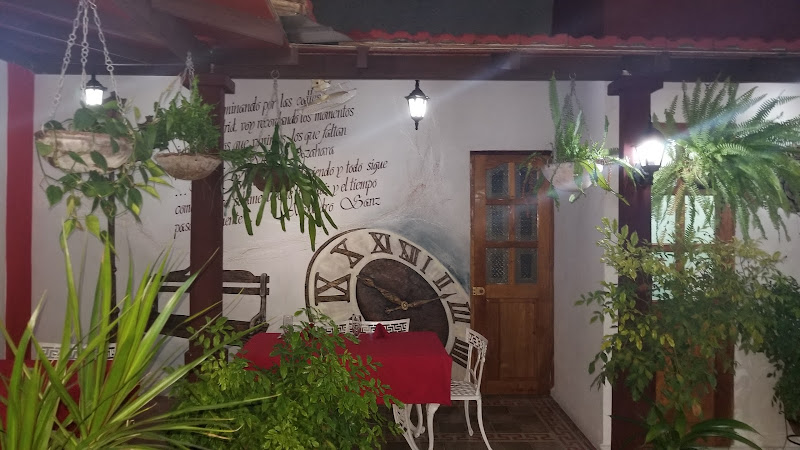
Museo de La Imagen

Museo Provincial Bacardí Moreau
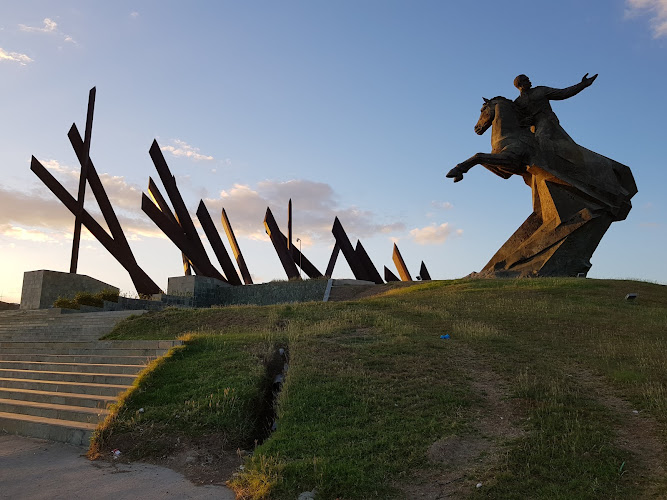
Monumental Complex Antonio Maceo
Find Accommodations Nearby
Recommended Tours & Activities
Visitor Reviews
There are no reviews yet. Be the first one to write one.
Share Your Experience
Have you visited Catedral de Nuestra Señora de la Asunción? Help other travelers by leaving a review.