
Castillo del Morro
About Castillo del Morro
Description
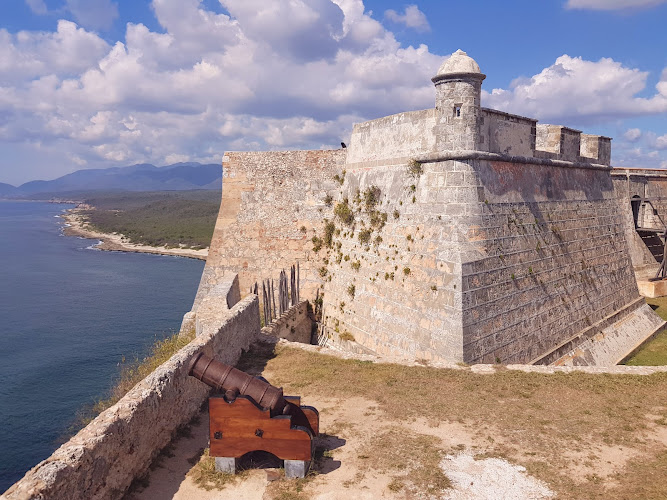
The Castillo del Morro stands as a formidable guardian over the coastline, its weathered stone walls telling stories that span more than three centuries. Built in the 1600s, this fortress has witnessed pirate attacks, colonial battles, and the ebb and flow of Caribbean history. And honestly, there's something almost magical about standing within those massive walls and imagining all the drama that unfolded here. I remember the first time I approached the fortress – the sheer size of it took my breath away. This isn't some delicate castle you'd find in a European fairy tale. No, the Castillo del Morro is all business, built with thick limestone blocks designed to withstand cannon fire and tropical storms alike. The structure perches dramatically on a rocky promontory, and the views it commands are absolutely stunning. What makes this place really special is how well-preserved everything is. You're not just looking at ruins or reconstructed walls – you're walking through authentic history. The cannons still point out toward the sea, ready to defend against invaders that will never come. The pirate museum housed within the fortress walls brings the golden age of piracy to life in ways that history books simply can't match. The fortress has become one of the most photographed landmarks in the region, and for good reason. Whether you're a history buff, a photography enthusiast, or just someone who appreciates incredible architecture, this place delivers. Kids seem to love it too, running along the ramparts and pretending to be pirates or soldiers – which, let's be honest, is exactly what adults want to do but are usually too self-conscious to admit.Key Features
The Castillo del Morro offers visitors an impressive array of historical and architectural elements that make it worth every minute of exploration:- Massive stone fortifications – The walls reach impressive heights and thickness, showcasing 17th-century military engineering at its finest
- Original artillery cannons – These authentic period pieces still occupy their defensive positions, offering fantastic photo opportunities and a tangible connection to the past
- Pirate museum – A dedicated exhibition space that dives deep into the Caribbean's pirate history, complete with artifacts, weapons, and fascinating stories of notorious buccaneers
- Panoramic coastal views – The strategic position provides sweeping vistas of the bay and coastline that are absolutely breathtaking, especially during golden hour
- Historic battlements and ramparts – Visitors can walk along the same defensive positions once manned by Spanish soldiers
- Underground tunnels and chambers – Explore the fortress's interior passages that once served as storage areas and troop quarters
- Lighthouse structure – The iconic lighthouse addition helps orient ships even today, blending practical function with historical charm
- Archaeological significance – Ongoing preservation efforts have uncovered various artifacts that provide insight into daily life within the fortress
- Kid-friendly exploration areas – The layout naturally encourages adventure and imagination, making it an excellent destination for families
- Educational displays – Informative plaques and exhibits throughout help visitors understand the fortress's role in regional history
Best Time to Visit
Timing your visit to Castillo del Morro can make a significant difference in your experience, and I've learned this through trial and error over multiple visits. The early morning hours, right when the fortress opens, offer the best conditions for exploration. You'll beat the heat and the crowds – two things that can really impact your enjoyment. There's something special about having those ancient walls mostly to yourself, hearing your footsteps echo through the stone corridors. Plus, the morning light creates incredible shadows and highlights that photographers absolutely adore. Weather-wise, the dry season typically provides the most comfortable conditions for exploring an outdoor historical site like this. But don't completely write off the shoulder seasons either. Sure, you might encounter a brief rain shower, but the fortress has plenty of covered areas, and sometimes those dramatic clouds rolling over the bay create an atmosphere that's even more evocative of the fortress's stormy history. Weekdays tend to be less crowded than weekends, which makes sense when you think about it. If you can swing a Tuesday or Wednesday visit, you'll likely have more breathing room to explore at your own pace. The fortress can get pretty packed during holiday periods and school vacation times, so plan accordingly if you prefer a more contemplative visit. Sunset visits have their own appeal, I won't lie. The way the fading light hits those stone walls creates a golden glow that's absolutely gorgeous. And the views over the bay as the sun dips below the horizon? Pretty spectacular. Just be aware that the fortress usually closes before it gets too dark, so check the current hours before planning a sunset expedition. The temperature inside those thick stone walls stays surprisingly moderate even on hot days, which is a nice bonus. The Spanish engineers really knew what they were doing when they designed this place.How to Get There
Getting to Castillo del Morro is relatively straightforward, though you've got several options depending on your travel style and budget. Taxis remain the most convenient option for many travelers, especially if you're staying in the main tourist areas. Just make sure the driver understands exactly which fortress you want to visit – there are other historical sites in the region with similar names, and you don't want to end up at the wrong location. Agree on a fare before you set off, or ensure the meter is running if that's how things work in the area. Rideshare services have become increasingly available in many Caribbean destinations, and they often provide a good balance of convenience and cost-effectiveness. The apps make it easy to communicate your destination even if there's a language barrier. For the more adventurous traveler, local buses serve the area, though routes and schedules can be a bit confusing if you're not familiar with the system. I've taken the bus a couple times, and while it definitely saves money, it also adds time and a certain level of uncertainty to your journey. But hey, that's part of the adventure, right? Many visitors opt for organized tours that include transportation along with a guide. This takes all the logistical stress off your shoulders and you get the added benefit of expert commentary. The downside? You're on someone else's schedule, and you might not get as much time to explore as you'd like. If you're renting a car, the fortress is well-signposted, and there's parking available nearby. Just be prepared for parking fees and remember that roads in historic areas can be narrow and winding. Not for the faint of heart if you're not comfortable with that kind of driving. Walking is possible from certain nearby neighborhoods, and the approach on foot actually gives you a great sense of how imposing the fortress must have looked to approaching ships. The walk can be steep in places though, so wear appropriate shoes and bring water.Tips for Visiting
After spending considerable time at the Castillo del Morro, I've picked up some practical wisdom that'll help make your visit smoother and more enjoyable. First off, wear comfortable, closed-toe shoes. I can't stress this enough. Those stone surfaces can be uneven, and there are stairs – lots of stairs. I once saw someone attempting to explore in flip-flops, and it just looked miserable. Save the sandals for the beach. Bring water. Yes, there might be vendors nearby, but having your own supply means you can stay hydrated while exploring the ramparts without having to cut your visit short. The combination of sun exposure and physical activity can dehydrate you faster than you'd expect. Sunscreen and a hat are basically mandatory unless you're visiting on an overcast day. There's limited shade within the fortress grounds, and that Caribbean sun is no joke. I learned this the hard way during my first visit – let's just say I resembled a lobster by evening. The pirate museum deserves more time than most people give it. Don't just breeze through – there's genuinely interesting information about the region's maritime history, and some of the artifacts are pretty remarkable. Give yourself at least 30-45 minutes just for the museum portion. Photography enthusiasts should bring wide-angle lenses if possible. The architecture and views really benefit from being able to capture the full scope of the scenes. And please, take a moment to experience the place with your own eyes instead of only through your phone screen. I know it's tempting to document everything, but sometimes you gotta just be present in the moment. If you're visiting with kids, let them lead the exploration a bit. The fortress naturally lends itself to imaginative play, and children often notice details that adults overlook in our rush to hit all the "important" spots. Plus, they'll burn off energy running along those ramparts. Check whether guided tours are available in your preferred language. Even if you're generally fine navigating on your own, a knowledgeable guide can provide context and stories that really bring the fortress to life. Some of the most interesting facts I learned came from guides, not from plaques or brochures. Bring some cash in local currency. While many places accept cards these days, you might want to buy something from a vendor or tip a guide, and cash makes that easier. Plan for at least two to three hours to really appreciate the fortress properly. You could rush through in an hour, but why would you? This place has stood for centuries – it deserves more than a quick photo stop. The fortress can be windy, especially up on the ramparts. A light jacket or sweater isn't a bad idea, even on warm days. The breeze off the ocean feels great when you're hot, but it can get chilly if you're standing still taking photos. Finally, respect the historical significance of the site. These walls have survived hurricanes, battles, and centuries of weathering. Don't climb on areas that are marked as off-limits, and resist the urge to carve your initials or otherwise deface the stonework. Future generations deserve to experience this place just as you have. The Castillo del Morro offers something that's increasingly rare in our modern world – a genuine connection to the past. It's not a theme park recreation or a polished museum exhibit. It's the real deal, and that authenticity is what makes it such a compelling destination for travelers seeking experiences that resonate long after vacation photos fade.Key Features
- 17th-century bastion-style fortress designed by Giovanni Battista Antonelli
- UNESCO World Heritage Site with well-preserved military architecture
- Tiered gun batteries, dungeons, and defensive walls with original stonework
- Spectacular panoramic views of Santiago de Cuba bay and Caribbean Sea
- On-site interpretive exhibits and opportunities for guided tours
More Details
Updated January 17, 2026
Table of Contents
Description
The Castillo del Morro stands as a formidable guardian over the coastline, its weathered stone walls telling stories that span more than three centuries. Built in the 1600s, this fortress has witnessed pirate attacks, colonial battles, and the ebb and flow of Caribbean history. And honestly, there’s something almost magical about standing within those massive walls and imagining all the drama that unfolded here.
I remember the first time I approached the fortress – the sheer size of it took my breath away. This isn’t some delicate castle you’d find in a European fairy tale. No, the Castillo del Morro is all business, built with thick limestone blocks designed to withstand cannon fire and tropical storms alike. The structure perches dramatically on a rocky promontory, and the views it commands are absolutely stunning.
What makes this place really special is how well-preserved everything is. You’re not just looking at ruins or reconstructed walls – you’re walking through authentic history. The cannons still point out toward the sea, ready to defend against invaders that will never come. The pirate museum housed within the fortress walls brings the golden age of piracy to life in ways that history books simply can’t match.
The fortress has become one of the most photographed landmarks in the region, and for good reason. Whether you’re a history buff, a photography enthusiast, or just someone who appreciates incredible architecture, this place delivers. Kids seem to love it too, running along the ramparts and pretending to be pirates or soldiers – which, let’s be honest, is exactly what adults want to do but are usually too self-conscious to admit.
Key Features
The Castillo del Morro offers visitors an impressive array of historical and architectural elements that make it worth every minute of exploration:
- Massive stone fortifications – The walls reach impressive heights and thickness, showcasing 17th-century military engineering at its finest
- Original artillery cannons – These authentic period pieces still occupy their defensive positions, offering fantastic photo opportunities and a tangible connection to the past
- Pirate museum – A dedicated exhibition space that dives deep into the Caribbean’s pirate history, complete with artifacts, weapons, and fascinating stories of notorious buccaneers
- Panoramic coastal views – The strategic position provides sweeping vistas of the bay and coastline that are absolutely breathtaking, especially during golden hour
- Historic battlements and ramparts – Visitors can walk along the same defensive positions once manned by Spanish soldiers
- Underground tunnels and chambers – Explore the fortress’s interior passages that once served as storage areas and troop quarters
- Lighthouse structure – The iconic lighthouse addition helps orient ships even today, blending practical function with historical charm
- Archaeological significance – Ongoing preservation efforts have uncovered various artifacts that provide insight into daily life within the fortress
- Kid-friendly exploration areas – The layout naturally encourages adventure and imagination, making it an excellent destination for families
- Educational displays – Informative plaques and exhibits throughout help visitors understand the fortress’s role in regional history
Best Time to Visit
Timing your visit to Castillo del Morro can make a significant difference in your experience, and I’ve learned this through trial and error over multiple visits.
The early morning hours, right when the fortress opens, offer the best conditions for exploration. You’ll beat the heat and the crowds – two things that can really impact your enjoyment. There’s something special about having those ancient walls mostly to yourself, hearing your footsteps echo through the stone corridors. Plus, the morning light creates incredible shadows and highlights that photographers absolutely adore.
Weather-wise, the dry season typically provides the most comfortable conditions for exploring an outdoor historical site like this. But don’t completely write off the shoulder seasons either. Sure, you might encounter a brief rain shower, but the fortress has plenty of covered areas, and sometimes those dramatic clouds rolling over the bay create an atmosphere that’s even more evocative of the fortress’s stormy history.
Weekdays tend to be less crowded than weekends, which makes sense when you think about it. If you can swing a Tuesday or Wednesday visit, you’ll likely have more breathing room to explore at your own pace. The fortress can get pretty packed during holiday periods and school vacation times, so plan accordingly if you prefer a more contemplative visit.
Sunset visits have their own appeal, I won’t lie. The way the fading light hits those stone walls creates a golden glow that’s absolutely gorgeous. And the views over the bay as the sun dips below the horizon? Pretty spectacular. Just be aware that the fortress usually closes before it gets too dark, so check the current hours before planning a sunset expedition.
The temperature inside those thick stone walls stays surprisingly moderate even on hot days, which is a nice bonus. The Spanish engineers really knew what they were doing when they designed this place.
How to Get There
Getting to Castillo del Morro is relatively straightforward, though you’ve got several options depending on your travel style and budget.
Taxis remain the most convenient option for many travelers, especially if you’re staying in the main tourist areas. Just make sure the driver understands exactly which fortress you want to visit – there are other historical sites in the region with similar names, and you don’t want to end up at the wrong location. Agree on a fare before you set off, or ensure the meter is running if that’s how things work in the area.
Rideshare services have become increasingly available in many Caribbean destinations, and they often provide a good balance of convenience and cost-effectiveness. The apps make it easy to communicate your destination even if there’s a language barrier.
For the more adventurous traveler, local buses serve the area, though routes and schedules can be a bit confusing if you’re not familiar with the system. I’ve taken the bus a couple times, and while it definitely saves money, it also adds time and a certain level of uncertainty to your journey. But hey, that’s part of the adventure, right?
Many visitors opt for organized tours that include transportation along with a guide. This takes all the logistical stress off your shoulders and you get the added benefit of expert commentary. The downside? You’re on someone else’s schedule, and you might not get as much time to explore as you’d like.
If you’re renting a car, the fortress is well-signposted, and there’s parking available nearby. Just be prepared for parking fees and remember that roads in historic areas can be narrow and winding. Not for the faint of heart if you’re not comfortable with that kind of driving.
Walking is possible from certain nearby neighborhoods, and the approach on foot actually gives you a great sense of how imposing the fortress must have looked to approaching ships. The walk can be steep in places though, so wear appropriate shoes and bring water.
Tips for Visiting
After spending considerable time at the Castillo del Morro, I’ve picked up some practical wisdom that’ll help make your visit smoother and more enjoyable.
First off, wear comfortable, closed-toe shoes. I can’t stress this enough. Those stone surfaces can be uneven, and there are stairs – lots of stairs. I once saw someone attempting to explore in flip-flops, and it just looked miserable. Save the sandals for the beach.
Bring water. Yes, there might be vendors nearby, but having your own supply means you can stay hydrated while exploring the ramparts without having to cut your visit short. The combination of sun exposure and physical activity can dehydrate you faster than you’d expect.
Sunscreen and a hat are basically mandatory unless you’re visiting on an overcast day. There’s limited shade within the fortress grounds, and that Caribbean sun is no joke. I learned this the hard way during my first visit – let’s just say I resembled a lobster by evening.
The pirate museum deserves more time than most people give it. Don’t just breeze through – there’s genuinely interesting information about the region’s maritime history, and some of the artifacts are pretty remarkable. Give yourself at least 30-45 minutes just for the museum portion.
Photography enthusiasts should bring wide-angle lenses if possible. The architecture and views really benefit from being able to capture the full scope of the scenes. And please, take a moment to experience the place with your own eyes instead of only through your phone screen. I know it’s tempting to document everything, but sometimes you gotta just be present in the moment.
If you’re visiting with kids, let them lead the exploration a bit. The fortress naturally lends itself to imaginative play, and children often notice details that adults overlook in our rush to hit all the “important” spots. Plus, they’ll burn off energy running along those ramparts.
Check whether guided tours are available in your preferred language. Even if you’re generally fine navigating on your own, a knowledgeable guide can provide context and stories that really bring the fortress to life. Some of the most interesting facts I learned came from guides, not from plaques or brochures.
Bring some cash in local currency. While many places accept cards these days, you might want to buy something from a vendor or tip a guide, and cash makes that easier.
Plan for at least two to three hours to really appreciate the fortress properly. You could rush through in an hour, but why would you? This place has stood for centuries – it deserves more than a quick photo stop.
The fortress can be windy, especially up on the ramparts. A light jacket or sweater isn’t a bad idea, even on warm days. The breeze off the ocean feels great when you’re hot, but it can get chilly if you’re standing still taking photos.
Finally, respect the historical significance of the site. These walls have survived hurricanes, battles, and centuries of weathering. Don’t climb on areas that are marked as off-limits, and resist the urge to carve your initials or otherwise deface the stonework. Future generations deserve to experience this place just as you have.
The Castillo del Morro offers something that’s increasingly rare in our modern world – a genuine connection to the past. It’s not a theme park recreation or a polished museum exhibit. It’s the real deal, and that authenticity is what makes it such a compelling destination for travelers seeking experiences that resonate long after vacation photos fade.
Key Highlights
- 17th-century bastion-style fortress designed by Giovanni Battista Antonelli
- UNESCO World Heritage Site with well-preserved military architecture
- Tiered gun batteries, dungeons, and defensive walls with original stonework
- Spectacular panoramic views of Santiago de Cuba bay and Caribbean Sea
- On-site interpretive exhibits and opportunities for guided tours
Location
Places to Stay Near Castillo del Morro
Find and Book a Tour
Explore More Travel Guides
No reviews found! Be the first to review!
Traveler Reviews for Castillo del Morro
There are no reviews yet. Be the first one to write one.
Have you visited Castillo del Morro? Help other travelers by sharing your review.
Nearby Attractions
You Might Also Like
Helechos Garden

Histórico Abel Santamaría Park
flores Park
Find Accommodations Nearby
Recommended Tours & Activities
Visitor Reviews
There are no reviews yet. Be the first one to write one.
Share Your Experience
Have you visited Castillo del Morro? Help other travelers by leaving a review.