
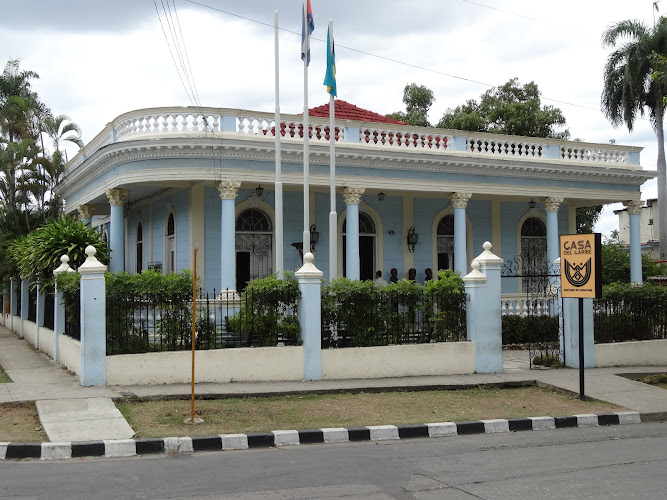
Casa Del Caribe
About Casa Del Caribe
Description
Casa Del Caribe stands as one of those places that genuinely captures the soul of Caribbean culture without trying too hard to impress tourists. And honestly, that's what makes it special. This cultural center operates as both a museum and a living celebration of Caribbean heritage, focusing particularly on the traditions, music, and artistic expressions that have shaped the region over generations. The institution serves as a gathering point for anyone who wants to understand the deeper layers of Caribbean identity beyond the beaches and resorts. It's the kind of place where you'll find yourself learning about religious practices, folkloric traditions, and the complex history that connects African, European, and Indigenous influences into something uniquely Caribbean. I've always believed that the best travel experiences happen when you stop being a spectator and start being a participant, and Casa Del Caribe creates exactly that opportunity. What sets this cultural center apart from your typical tourist attraction is its authentic approach to preservation and education. The exhibits rotate regularly, showcasing everything from traditional costume displays to contemporary art installations that challenge your understanding of what Caribbean culture means in the modern world. You're not walking through some dusty, forgotten museum here – this is an active center where cultural events happen, where researchers gather, and where the community actually engages with their own history. The facility also plays host to festivals throughout the year that draw both locals and visitors into experiences that feel genuine rather than manufactured for tourism. When a celebration happens here, it's because it matters to the cultural calendar, not because someone thought it would make a good Instagram moment (though you'll definitely want those photos anyway).Key Features
Casa Del Caribe offers visitors a comprehensive cultural experience through several distinctive elements: • Extensive collections documenting Caribbean folklore and religious traditions, including displays on Santería and other Afro-Caribbean spiritual practices that most mainstream museums shy away from • Regular exhibitions featuring both historical artifacts and contemporary Caribbean art that challenge conventional narratives about the region • Festival programming throughout the year that brings traditional music, dance, and cultural celebrations to life in ways that feel participatory rather than performative • Research facilities and archives that serious students of Caribbean culture can access, making it more than just a tourist stop • Clean, well-maintained restroom facilities for visitor comfort during extended visits • Educational programs and workshops that dive deep into specific aspects of Caribbean heritage, from drum-making to traditional dance forms • A physical space that balances preservation with accessibility, allowing visitors to engage meaningfully with exhibits without feeling like they're intruding on something sacred • Staff and guides who actually know their subject matter and can answer questions beyond the basic script (this matters more than you'd think) • Documentation of the Caribbean's complex history of migration, resistance, and cultural fusion that doesn't sugar-coat the difficult partsBest Time to Visit
Timing your visit to Casa Del Caribe can make the difference between a good experience and an unforgettable one. The center operates year-round, but certain periods offer enhanced experiences that shouldn't be missed. Festival season brings Casa Del Caribe to life in ways that regular visiting hours simply can't match. If you can coordinate your trip with one of the major cultural celebrations hosted here, you'll witness traditions that have been passed down for generations. The energy during these events is completely different from a standard museum visit – expect music, dance, traditional foods, and crowds of locals who come to celebrate their heritage alongside curious visitors. The weather considerations matter less here than at outdoor attractions since much of your time will be spent indoors, but the dry season from November through April generally provides more comfortable conditions for exploring the surrounding area before or after your visit. That said, I've found that visiting during the shoulder seasons in May or October means fewer tourists competing for your attention and more opportunities for meaningful conversations with staff members who have more time to share their knowledge. Weekday mornings typically offer quieter visiting conditions if you prefer a more contemplative experience with the exhibits. You'll have more space to absorb the information without feeling rushed or crowded. But weekend afternoons sometimes feature impromptu performances or discussions that add layers to your understanding of what you're seeing. Honestly though, there's no bad time to visit Casa Del Caribe. Even during peak tourist season, this place maintains its authentic character because it serves the local community first and tourists second. That priority shows in the best possible way.How to Get There
Getting to Casa Del Caribe requires a bit of navigation, but it's absolutely worth the effort. The cultural center sits within reasonable distance from most accommodation areas, making it accessible whether you're staying nearby or coming from further out. Taxis represent the most straightforward option for visitors unfamiliar with the area. Most local taxi drivers know the location well, and the ride shouldn't break your budget. Just make sure you agree on the fare before departing, or insist on the meter if you're more comfortable with that arrangement. And don't be afraid to ask your hotel or accommodation host to write down the destination in Spanish if language barriers concern you. Public transportation works if you're comfortable navigating local bus systems and want to save some money while experiencing how residents actually get around. Ask locals for the specific routes – they're usually happy to help, and you might make some friends along the way. This option takes longer and requires more patience, but it's perfectly doable and adds its own adventure to your day. Walking from certain nearby neighborhoods is possible if you enjoy exploring on foot and the weather cooperates. I'm a big believer in walking when you can because you discover things that zip past when you're in a vehicle. Just bring water, wear comfortable shoes, and give yourself extra time so you're not arriving stressed and sweaty. Rental cars or scooters give you maximum flexibility if you're comfortable driving in unfamiliar places. Parking near the center is generally available, though spaces can fill up during major events. The freedom to explore other nearby attractions on the same day makes this option appealing for efficient travelers. Whatever transportation method you choose, build in extra time for your first visit. Getting slightly lost is part of the travel experience, and arriving flustered means you won't be in the right mindset to appreciate what you're about to see.Tips for Visiting
Making the most of your Casa Del Caribe experience requires some preparation and the right mindset. First things first – bring cash for any admission fees, donations, or purchases from the gift shop if they have one. Not all cultural institutions in the region have reliable card processing, and you don't want to miss out because you assumed everywhere takes plastic. Dress respectfully since you're entering a space dedicated to cultural and religious traditions. This doesn't mean you need formal attire, but skimpy beach clothes feel out of place here. Comfortable, modest clothing that you could wear into a church or temple strikes the right balance. And bring a light jacket because air conditioning in exhibit spaces can run cold. Take your time with the exhibits instead of rushing through for a quick photo op. The stories and artifacts here deserve your attention and thought. I've noticed that travelers who spend at least two hours here leave with a fundamentally different understanding of Caribbean culture than those who breeze through in thirty minutes. Ask questions when staff members or guides are available. The people working here genuinely care about the subject matter and often have personal connections to the traditions being displayed. Their insights add context that signs and placards can't provide. Don't be that person who's too shy to engage – you're missing half the value. Photography policies vary depending on current exhibits, so always check before you start snapping pictures. Some religious items or sacred objects shouldn't be photographed, and respecting those boundaries shows basic cultural awareness. When photography is allowed, take meaningful shots instead of just collecting images to prove you were there. Consider visiting twice if your schedule allows – once during regular hours for the permanent collections, and again during a festival or special event. The contrast between these experiences reveals how living culture differs from preserved culture, both valuable in their own ways. Restroom facilities are available, which matters when you're planning to spend several hours exploring. Don't let practical concerns cut your visit short when they've thoughtfully provided these amenities. Finally, approach your visit with openness to having your assumptions challenged. Casa Del Caribe presents aspects of Caribbean culture that don't fit the resort-and-rum stereotypes many travelers carry. Being willing to learn something that contradicts your preconceptions makes you a better traveler and frankly, a more interesting person.Key Features
- Center for research and preservation of Afro-Caribbean culture and popular religion
- Regular live performances by local musical groups and folkloric dance troupes
- Academic colloquiums, workshops and seasonal festivals (notably a summer festival)
- Collections and exhibitions related to music, religion and oral traditions (some spaces may be under repair)
- Library and archive resources for scholars and visitors (availability may vary)
More Details
Updated January 17, 2026
Table of Contents
Description
Casa Del Caribe stands as one of those places that genuinely captures the soul of Caribbean culture without trying too hard to impress tourists. And honestly, that’s what makes it special. This cultural center operates as both a museum and a living celebration of Caribbean heritage, focusing particularly on the traditions, music, and artistic expressions that have shaped the region over generations.
The institution serves as a gathering point for anyone who wants to understand the deeper layers of Caribbean identity beyond the beaches and resorts. It’s the kind of place where you’ll find yourself learning about religious practices, folkloric traditions, and the complex history that connects African, European, and Indigenous influences into something uniquely Caribbean. I’ve always believed that the best travel experiences happen when you stop being a spectator and start being a participant, and Casa Del Caribe creates exactly that opportunity.
What sets this cultural center apart from your typical tourist attraction is its authentic approach to preservation and education. The exhibits rotate regularly, showcasing everything from traditional costume displays to contemporary art installations that challenge your understanding of what Caribbean culture means in the modern world. You’re not walking through some dusty, forgotten museum here – this is an active center where cultural events happen, where researchers gather, and where the community actually engages with their own history.
The facility also plays host to festivals throughout the year that draw both locals and visitors into experiences that feel genuine rather than manufactured for tourism. When a celebration happens here, it’s because it matters to the cultural calendar, not because someone thought it would make a good Instagram moment (though you’ll definitely want those photos anyway).
Key Features
Casa Del Caribe offers visitors a comprehensive cultural experience through several distinctive elements:
• Extensive collections documenting Caribbean folklore and religious traditions, including displays on Santería and other Afro-Caribbean spiritual practices that most mainstream museums shy away from
• Regular exhibitions featuring both historical artifacts and contemporary Caribbean art that challenge conventional narratives about the region
• Festival programming throughout the year that brings traditional music, dance, and cultural celebrations to life in ways that feel participatory rather than performative
• Research facilities and archives that serious students of Caribbean culture can access, making it more than just a tourist stop
• Clean, well-maintained restroom facilities for visitor comfort during extended visits
• Educational programs and workshops that dive deep into specific aspects of Caribbean heritage, from drum-making to traditional dance forms
• A physical space that balances preservation with accessibility, allowing visitors to engage meaningfully with exhibits without feeling like they’re intruding on something sacred
• Staff and guides who actually know their subject matter and can answer questions beyond the basic script (this matters more than you’d think)
• Documentation of the Caribbean’s complex history of migration, resistance, and cultural fusion that doesn’t sugar-coat the difficult parts
Best Time to Visit
Timing your visit to Casa Del Caribe can make the difference between a good experience and an unforgettable one. The center operates year-round, but certain periods offer enhanced experiences that shouldn’t be missed.
Festival season brings Casa Del Caribe to life in ways that regular visiting hours simply can’t match. If you can coordinate your trip with one of the major cultural celebrations hosted here, you’ll witness traditions that have been passed down for generations. The energy during these events is completely different from a standard museum visit – expect music, dance, traditional foods, and crowds of locals who come to celebrate their heritage alongside curious visitors.
The weather considerations matter less here than at outdoor attractions since much of your time will be spent indoors, but the dry season from November through April generally provides more comfortable conditions for exploring the surrounding area before or after your visit. That said, I’ve found that visiting during the shoulder seasons in May or October means fewer tourists competing for your attention and more opportunities for meaningful conversations with staff members who have more time to share their knowledge.
Weekday mornings typically offer quieter visiting conditions if you prefer a more contemplative experience with the exhibits. You’ll have more space to absorb the information without feeling rushed or crowded. But weekend afternoons sometimes feature impromptu performances or discussions that add layers to your understanding of what you’re seeing.
Honestly though, there’s no bad time to visit Casa Del Caribe. Even during peak tourist season, this place maintains its authentic character because it serves the local community first and tourists second. That priority shows in the best possible way.
How to Get There
Getting to Casa Del Caribe requires a bit of navigation, but it’s absolutely worth the effort. The cultural center sits within reasonable distance from most accommodation areas, making it accessible whether you’re staying nearby or coming from further out.
Taxis represent the most straightforward option for visitors unfamiliar with the area. Most local taxi drivers know the location well, and the ride shouldn’t break your budget. Just make sure you agree on the fare before departing, or insist on the meter if you’re more comfortable with that arrangement. And don’t be afraid to ask your hotel or accommodation host to write down the destination in Spanish if language barriers concern you.
Public transportation works if you’re comfortable navigating local bus systems and want to save some money while experiencing how residents actually get around. Ask locals for the specific routes – they’re usually happy to help, and you might make some friends along the way. This option takes longer and requires more patience, but it’s perfectly doable and adds its own adventure to your day.
Walking from certain nearby neighborhoods is possible if you enjoy exploring on foot and the weather cooperates. I’m a big believer in walking when you can because you discover things that zip past when you’re in a vehicle. Just bring water, wear comfortable shoes, and give yourself extra time so you’re not arriving stressed and sweaty.
Rental cars or scooters give you maximum flexibility if you’re comfortable driving in unfamiliar places. Parking near the center is generally available, though spaces can fill up during major events. The freedom to explore other nearby attractions on the same day makes this option appealing for efficient travelers.
Whatever transportation method you choose, build in extra time for your first visit. Getting slightly lost is part of the travel experience, and arriving flustered means you won’t be in the right mindset to appreciate what you’re about to see.
Tips for Visiting
Making the most of your Casa Del Caribe experience requires some preparation and the right mindset. First things first – bring cash for any admission fees, donations, or purchases from the gift shop if they have one. Not all cultural institutions in the region have reliable card processing, and you don’t want to miss out because you assumed everywhere takes plastic.
Dress respectfully since you’re entering a space dedicated to cultural and religious traditions. This doesn’t mean you need formal attire, but skimpy beach clothes feel out of place here. Comfortable, modest clothing that you could wear into a church or temple strikes the right balance. And bring a light jacket because air conditioning in exhibit spaces can run cold.
Take your time with the exhibits instead of rushing through for a quick photo op. The stories and artifacts here deserve your attention and thought. I’ve noticed that travelers who spend at least two hours here leave with a fundamentally different understanding of Caribbean culture than those who breeze through in thirty minutes.
Ask questions when staff members or guides are available. The people working here genuinely care about the subject matter and often have personal connections to the traditions being displayed. Their insights add context that signs and placards can’t provide. Don’t be that person who’s too shy to engage – you’re missing half the value.
Photography policies vary depending on current exhibits, so always check before you start snapping pictures. Some religious items or sacred objects shouldn’t be photographed, and respecting those boundaries shows basic cultural awareness. When photography is allowed, take meaningful shots instead of just collecting images to prove you were there.
Consider visiting twice if your schedule allows – once during regular hours for the permanent collections, and again during a festival or special event. The contrast between these experiences reveals how living culture differs from preserved culture, both valuable in their own ways.
Restroom facilities are available, which matters when you’re planning to spend several hours exploring. Don’t let practical concerns cut your visit short when they’ve thoughtfully provided these amenities.
Finally, approach your visit with openness to having your assumptions challenged. Casa Del Caribe presents aspects of Caribbean culture that don’t fit the resort-and-rum stereotypes many travelers carry. Being willing to learn something that contradicts your preconceptions makes you a better traveler and frankly, a more interesting person.
Key Highlights
- Center for research and preservation of Afro-Caribbean culture and popular religion
- Regular live performances by local musical groups and folkloric dance troupes
- Academic colloquiums, workshops and seasonal festivals (notably a summer festival)
- Collections and exhibitions related to music, religion and oral traditions (some spaces may be under repair)
- Library and archive resources for scholars and visitors (availability may vary)
Location
Places to Stay Near Casa Del Caribe
Find and Book a Tour
Explore More Travel Guides
No reviews found! Be the first to review!
Traveler Reviews for Casa Del Caribe
There are no reviews yet. Be the first one to write one.
Have you visited Casa Del Caribe? Help other travelers by sharing your review.
Nearby Attractions
You Might Also Like
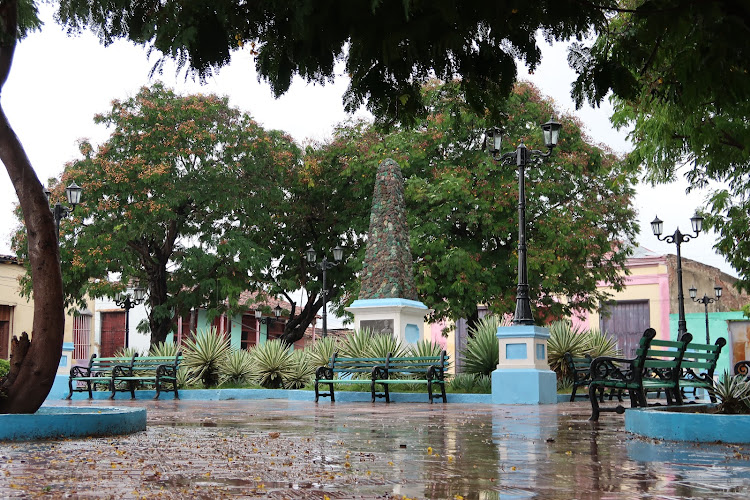
La Placita
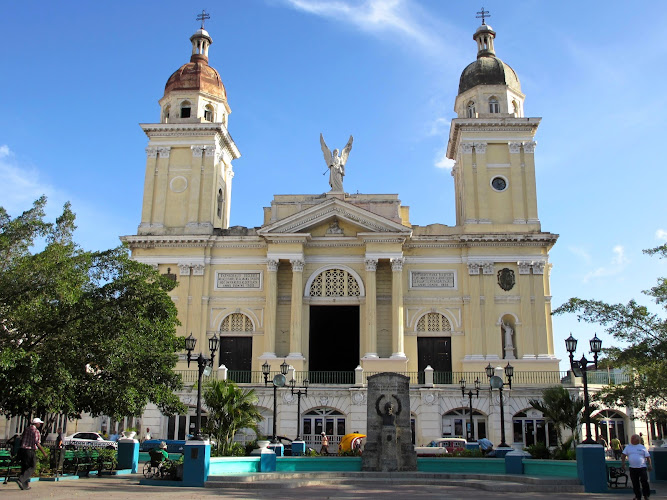
Catedral de Nuestra Señora de la Asunción

Museo de Historia 26 de Julio
Find Accommodations Nearby
Recommended Tours & Activities
Visitor Reviews
There are no reviews yet. Be the first one to write one.
Share Your Experience
Have you visited Casa Del Caribe? Help other travelers by leaving a review.