

Museo de Historia 26 de Julio
About Museo de Historia 26 de Julio
Description
The Museo de Historia 26 de Julio stands as a powerful testament to one of the most defining moments in Cuban history. Housed within the former Moncada Barracks, this museum tells the story of the failed 1953 attack that sparked the Cuban Revolution. Walking through these historic walls feels like stepping directly into the pages of Cuba's tumultuous mid-20th century narrative, and honestly, there's something incredibly moving about standing in the exact spot where such pivotal events unfolded. The museum takes its name from the date of the attack itself - July 26, 1953 - when a young Fidel Castro and about 160 rebels attempted to seize the military barracks in what was then considered the second-most important military installation in Cuba. While the attack failed militarily, it became the symbolic starting point of the revolution that would eventually succeed in 1959. The building itself bears the scars of that fateful day, with bullet holes still visible on the outer walls serving as silent witnesses to the violence that occurred here. Inside, visitors will find a carefully curated collection of photographs, documents, personal belongings of the revolutionaries, and weapons used during the attack and subsequent revolutionary struggle. The exhibits are arranged chronologically, guiding visitors through the events leading up to the attack, the assault itself, the aftermath including the famous "History Will Absolve Me" speech by Castro during his trial, and the broader revolutionary movement that followed. It's not a massive museum by any means - you can thoroughly explore it in about an hour or two - but what it lacks in size it makes up for in historical significance and emotional impact.Key Features
- The original Moncada Barracks building itself, complete with preserved bullet holes from the 1953 attack visible on exterior walls
- Extensive photographic documentation showing the revolutionaries, the barracks before and after the attack, and key figures involved in the Cuban Revolution
- Original weapons, uniforms, and personal items belonging to the rebels who participated in the July 26 attack
- Documents and manuscripts related to Fidel Castro's "History Will Absolve Me" defense speech, considered a foundational text of the revolution
- Detailed exhibits explaining the political and social conditions in Cuba during the Batista dictatorship that led to revolutionary sentiment
- Scale models and diagrams showing the layout of the attack and military positions during the assault
- Multimedia presentations offering context about the revolutionary period and its lasting impact on Cuban society
- Memorial spaces dedicated to those who lost their lives during the attack and subsequent revolutionary struggle
- Accessible facilities including wheelchair-friendly restrooms, making the museum welcoming to all visitors
- Educational materials and displays that provide historical context for international visitors who may be unfamiliar with Cuban history
Best Time to Visit
Timing your visit to the Museo de Historia 26 de Julio requires thinking about both weather considerations and crowd levels. The museum is open year-round, but your experience can vary significantly depending on when you choose to go. Generally speaking, the cooler months from November through April offer the most comfortable conditions for exploring Santiago de Cuba. The summer months can be brutally hot and humid, and trudging through historical exhibits when you're already sweating through your clothes isn't exactly ideal. Plus, hurricane season runs from June through November, with September and October being particularly risky months for Caribbean travel. But here's the thing - if you really want to experience the museum with added significance, consider planning your visit around July 26th. This is when Santiago de Cuba hosts massive celebrations commemorating the attack, with parades, concerts, and various cultural events throughout the city. The energy is palpable, and you'll get a real sense of how important this date remains in Cuban consciousness. However, be prepared for much larger crowds both in the city and at the museum during this time. Hotels book up months in advance too, so early planning is essential. For a more relaxed visit where you can take your time examining exhibits without navigating through tour groups, weekday mornings tend to be quietest. Many organized tours arrive in the afternoons, so getting there when the museum opens gives you the best chance of having galleries more to yourself. I've found that Tuesday and Wednesday mornings are particularly peaceful. Avoid visiting during Cuban school holiday periods if possible, as local school groups frequently visit the museum as part of their history curriculum. While it's actually pretty interesting to see young Cubans learning about their own history, it does mean certain areas can get quite crowded and noisy.How to Get There
Getting to the Museo de Historia 26 de Julio in Santiago de Cuba requires a bit of planning, but it's definitely manageable for travelers. The museum sits in the northern part of Santiago de Cuba, making it accessible by various means of transportation. If you're staying in central Santiago de Cuba, the museum is actually close enough to reach on foot from many accommodations, though the walk can take 20-30 minutes depending on where exactly you're starting from. The walk itself offers glimpses into daily Cuban life, which can be just as interesting as the museum visit itself. Just be prepared for the heat and bring water because Santiago de Cuba doesn't mess around with its temperatures. Taxis are readily available throughout Santiago and represent the easiest option for most visitors. The classic American cars that serve as taxis throughout Cuba make for a fun experience, though negotiate your fare before getting in since most don't use meters. From central Santiago, expect to pay somewhere in the 3-5 CUC range (or the current equivalent in Cuban pesos, depending on when you visit and recent currency changes). Make sure your driver understands you want the Moncada Museum or Museo 26 de Julio - these names are universally recognized. Bici-taxis, those bicycle-powered rickshaws you see throughout Cuban cities, also service this area and cost less than regular taxis. They're slower and less comfortable in the heat, but they offer an authentic local experience. And honestly, there's something charming about arriving at a revolutionary museum in such a decidedly non-revolutionary mode of transport. For the more adventurous travelers, local buses do run routes that pass near the museum, but navigating Cuba's bus system requires patience, flexibility, and ideally some Spanish language skills. Routes aren't always clearly marked, schedules are more like suggestions than actual timetables, and buses can be extremely crowded. But if you're up for the challenge and want to travel like locals do, it's certainly possible. If you're coming from other parts of Cuba, Santiago de Cuba is served by domestic flights, long-distance buses via Viazul, and the occasional train service (though Cuban trains are notoriously unreliable). Once you've arrived in Santiago, any of the above local transportation options will get you to the museum.Tips for Visiting
Having spent time at the Museo de Historia 26 de Julio myself, I've picked up some practical advice that can really enhance your visit and help you avoid common pitfalls that travelers encounter. First off, bring cash in the correct currency. While Cuba's dual currency system has undergone changes in recent years, you'll still need Cuban pesos for the modest entrance fee. Credit cards from most countries aren't accepted, and there's no ATM at the museum itself. Stock up on small bills beforehand because change can sometimes be an issue. Photography policies at the museum can be a bit inconsistent, so ask about current rules when you arrive. Sometimes flash photography is prohibited, other times all photography inside the galleries is restricted. The exterior of the building with its iconic bullet holes is always fair game though, and that's honestly one of the most powerful images you'll capture anyway. Consider hiring a guide or at least grabbing an English-language information sheet if available. While some exhibits have English translations, many are Spanish-only, and without context, you might miss important historical nuances. Even with my decent Spanish, I found having a guide really brought the exhibits to life in ways I wouldn't have grasped otherwise. The guides here are typically knowledgeable and passionate about the subject matter. Dress respectfully but comfortably. This is a memorial site where people died, so while there's no strict dress code, beachwear or overly revealing clothing feels inappropriate. That said, Santiago de Cuba is hot, so lightweight, breathable fabrics are your friend. Good walking shoes matter too since you'll be on your feet for at least an hour or two. Give yourself enough time to properly absorb everything. Rushing through in 30 minutes means you'll miss important details and context. Plan for at least 90 minutes to two hours if you want to read the exhibits thoughtfully and perhaps watch any multimedia presentations. And if you're a history buff like me, you could easily spend three hours here. The museum shop, while small, offers some interesting books and materials about the revolution that you won't find as easily elsewhere. If you're interested in Cuban history beyond the basics, it's worth browsing. Just remember that perspectives presented here reflect the official Cuban government narrative of events, which may differ from accounts you'd read elsewhere. Restroom facilities are available and are actually maintained better than at many Cuban museums, so take advantage before leaving since public facilities elsewhere in Santiago can be hit or miss. Try to visit the museum as part of a broader exploration of revolutionary sites in Santiago de Cuba. The Cementerio Santa Ifigenia where many revolutionary figures are buried, including Fidel Castro, sits nearby and provides additional historical context. Together, these sites offer a comprehensive look at this period of Cuban history. Finally, approach your visit with an open mind. Whatever your political views on the Cuban Revolution might be, the Museo de Historia 26 de Julio presents history from a particular perspective that's fundamental to understanding modern Cuba. You don't have to agree with everything presented to appreciate the historical significance and the courage it took for those rebels to attack a heavily fortified military barracks, knowing they were likely heading toward death or imprisonment.Key Features
- Exhibits dedicated to the 26 July 1953 assault on Moncada Barracks
- Original artifacts, period photographs and personal testimony
- Restored Moncada Barracks architecture and preserved battle damage
- Modern museographic design across multiple themed galleries
- Educational displays contextualizing Santiago de Cuba’s revolutionary role
More Details
Updated January 17, 2026
Table of Contents
Description
The Museo de Historia 26 de Julio stands as a powerful testament to one of the most defining moments in Cuban history. Housed within the former Moncada Barracks, this museum tells the story of the failed 1953 attack that sparked the Cuban Revolution. Walking through these historic walls feels like stepping directly into the pages of Cuba’s tumultuous mid-20th century narrative, and honestly, there’s something incredibly moving about standing in the exact spot where such pivotal events unfolded.
The museum takes its name from the date of the attack itself – July 26, 1953 – when a young Fidel Castro and about 160 rebels attempted to seize the military barracks in what was then considered the second-most important military installation in Cuba. While the attack failed militarily, it became the symbolic starting point of the revolution that would eventually succeed in 1959. The building itself bears the scars of that fateful day, with bullet holes still visible on the outer walls serving as silent witnesses to the violence that occurred here.
Inside, visitors will find a carefully curated collection of photographs, documents, personal belongings of the revolutionaries, and weapons used during the attack and subsequent revolutionary struggle. The exhibits are arranged chronologically, guiding visitors through the events leading up to the attack, the assault itself, the aftermath including the famous “History Will Absolve Me” speech by Castro during his trial, and the broader revolutionary movement that followed. It’s not a massive museum by any means – you can thoroughly explore it in about an hour or two – but what it lacks in size it makes up for in historical significance and emotional impact.
Key Features
- The original Moncada Barracks building itself, complete with preserved bullet holes from the 1953 attack visible on exterior walls
- Extensive photographic documentation showing the revolutionaries, the barracks before and after the attack, and key figures involved in the Cuban Revolution
- Original weapons, uniforms, and personal items belonging to the rebels who participated in the July 26 attack
- Documents and manuscripts related to Fidel Castro’s “History Will Absolve Me” defense speech, considered a foundational text of the revolution
- Detailed exhibits explaining the political and social conditions in Cuba during the Batista dictatorship that led to revolutionary sentiment
- Scale models and diagrams showing the layout of the attack and military positions during the assault
- Multimedia presentations offering context about the revolutionary period and its lasting impact on Cuban society
- Memorial spaces dedicated to those who lost their lives during the attack and subsequent revolutionary struggle
- Accessible facilities including wheelchair-friendly restrooms, making the museum welcoming to all visitors
- Educational materials and displays that provide historical context for international visitors who may be unfamiliar with Cuban history
Best Time to Visit
Timing your visit to the Museo de Historia 26 de Julio requires thinking about both weather considerations and crowd levels. The museum is open year-round, but your experience can vary significantly depending on when you choose to go.
Generally speaking, the cooler months from November through April offer the most comfortable conditions for exploring Santiago de Cuba. The summer months can be brutally hot and humid, and trudging through historical exhibits when you’re already sweating through your clothes isn’t exactly ideal. Plus, hurricane season runs from June through November, with September and October being particularly risky months for Caribbean travel.
But here’s the thing – if you really want to experience the museum with added significance, consider planning your visit around July 26th. This is when Santiago de Cuba hosts massive celebrations commemorating the attack, with parades, concerts, and various cultural events throughout the city. The energy is palpable, and you’ll get a real sense of how important this date remains in Cuban consciousness. However, be prepared for much larger crowds both in the city and at the museum during this time. Hotels book up months in advance too, so early planning is essential.
For a more relaxed visit where you can take your time examining exhibits without navigating through tour groups, weekday mornings tend to be quietest. Many organized tours arrive in the afternoons, so getting there when the museum opens gives you the best chance of having galleries more to yourself. I’ve found that Tuesday and Wednesday mornings are particularly peaceful.
Avoid visiting during Cuban school holiday periods if possible, as local school groups frequently visit the museum as part of their history curriculum. While it’s actually pretty interesting to see young Cubans learning about their own history, it does mean certain areas can get quite crowded and noisy.
How to Get There
Getting to the Museo de Historia 26 de Julio in Santiago de Cuba requires a bit of planning, but it’s definitely manageable for travelers. The museum sits in the northern part of Santiago de Cuba, making it accessible by various means of transportation.
If you’re staying in central Santiago de Cuba, the museum is actually close enough to reach on foot from many accommodations, though the walk can take 20-30 minutes depending on where exactly you’re starting from. The walk itself offers glimpses into daily Cuban life, which can be just as interesting as the museum visit itself. Just be prepared for the heat and bring water because Santiago de Cuba doesn’t mess around with its temperatures.
Taxis are readily available throughout Santiago and represent the easiest option for most visitors. The classic American cars that serve as taxis throughout Cuba make for a fun experience, though negotiate your fare before getting in since most don’t use meters. From central Santiago, expect to pay somewhere in the 3-5 CUC range (or the current equivalent in Cuban pesos, depending on when you visit and recent currency changes). Make sure your driver understands you want the Moncada Museum or Museo 26 de Julio – these names are universally recognized.
Bici-taxis, those bicycle-powered rickshaws you see throughout Cuban cities, also service this area and cost less than regular taxis. They’re slower and less comfortable in the heat, but they offer an authentic local experience. And honestly, there’s something charming about arriving at a revolutionary museum in such a decidedly non-revolutionary mode of transport.
For the more adventurous travelers, local buses do run routes that pass near the museum, but navigating Cuba’s bus system requires patience, flexibility, and ideally some Spanish language skills. Routes aren’t always clearly marked, schedules are more like suggestions than actual timetables, and buses can be extremely crowded. But if you’re up for the challenge and want to travel like locals do, it’s certainly possible.
If you’re coming from other parts of Cuba, Santiago de Cuba is served by domestic flights, long-distance buses via Viazul, and the occasional train service (though Cuban trains are notoriously unreliable). Once you’ve arrived in Santiago, any of the above local transportation options will get you to the museum.
Tips for Visiting
Having spent time at the Museo de Historia 26 de Julio myself, I’ve picked up some practical advice that can really enhance your visit and help you avoid common pitfalls that travelers encounter.
First off, bring cash in the correct currency. While Cuba’s dual currency system has undergone changes in recent years, you’ll still need Cuban pesos for the modest entrance fee. Credit cards from most countries aren’t accepted, and there’s no ATM at the museum itself. Stock up on small bills beforehand because change can sometimes be an issue.
Photography policies at the museum can be a bit inconsistent, so ask about current rules when you arrive. Sometimes flash photography is prohibited, other times all photography inside the galleries is restricted. The exterior of the building with its iconic bullet holes is always fair game though, and that’s honestly one of the most powerful images you’ll capture anyway.
Consider hiring a guide or at least grabbing an English-language information sheet if available. While some exhibits have English translations, many are Spanish-only, and without context, you might miss important historical nuances. Even with my decent Spanish, I found having a guide really brought the exhibits to life in ways I wouldn’t have grasped otherwise. The guides here are typically knowledgeable and passionate about the subject matter.
Dress respectfully but comfortably. This is a memorial site where people died, so while there’s no strict dress code, beachwear or overly revealing clothing feels inappropriate. That said, Santiago de Cuba is hot, so lightweight, breathable fabrics are your friend. Good walking shoes matter too since you’ll be on your feet for at least an hour or two.
Give yourself enough time to properly absorb everything. Rushing through in 30 minutes means you’ll miss important details and context. Plan for at least 90 minutes to two hours if you want to read the exhibits thoughtfully and perhaps watch any multimedia presentations. And if you’re a history buff like me, you could easily spend three hours here.
The museum shop, while small, offers some interesting books and materials about the revolution that you won’t find as easily elsewhere. If you’re interested in Cuban history beyond the basics, it’s worth browsing. Just remember that perspectives presented here reflect the official Cuban government narrative of events, which may differ from accounts you’d read elsewhere.
Restroom facilities are available and are actually maintained better than at many Cuban museums, so take advantage before leaving since public facilities elsewhere in Santiago can be hit or miss.
Try to visit the museum as part of a broader exploration of revolutionary sites in Santiago de Cuba. The Cementerio Santa Ifigenia where many revolutionary figures are buried, including Fidel Castro, sits nearby and provides additional historical context. Together, these sites offer a comprehensive look at this period of Cuban history.
Finally, approach your visit with an open mind. Whatever your political views on the Cuban Revolution might be, the Museo de Historia 26 de Julio presents history from a particular perspective that’s fundamental to understanding modern Cuba. You don’t have to agree with everything presented to appreciate the historical significance and the courage it took for those rebels to attack a heavily fortified military barracks, knowing they were likely heading toward death or imprisonment.
Key Highlights
- Exhibits dedicated to the 26 July 1953 assault on Moncada Barracks
- Original artifacts, period photographs and personal testimony
- Restored Moncada Barracks architecture and preserved battle damage
- Modern museographic design across multiple themed galleries
- Educational displays contextualizing Santiago de Cuba’s revolutionary role
Location
Places to Stay Near Museo de Historia 26 de Julio
Find and Book a Tour
Explore More Travel Guides
No reviews found! Be the first to review!
Traveler Reviews for Museo de Historia 26 de Julio
There are no reviews yet. Be the first one to write one.
Have you visited Museo de Historia 26 de Julio? Help other travelers by sharing your review.
Nearby Attractions
You Might Also Like

Plaza de Dolores
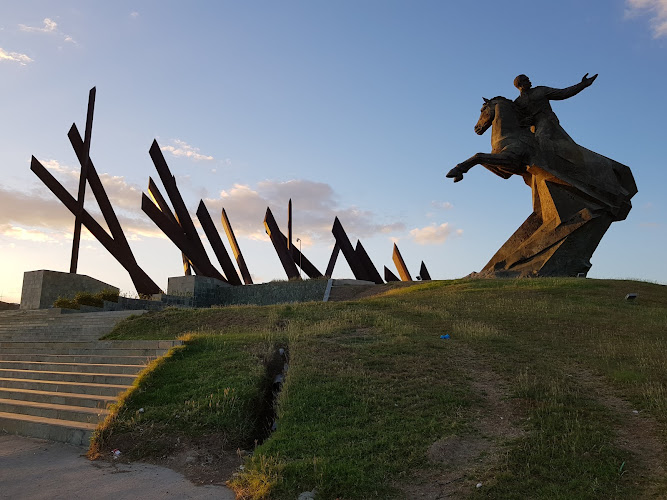
Monumental Complex Antonio Maceo
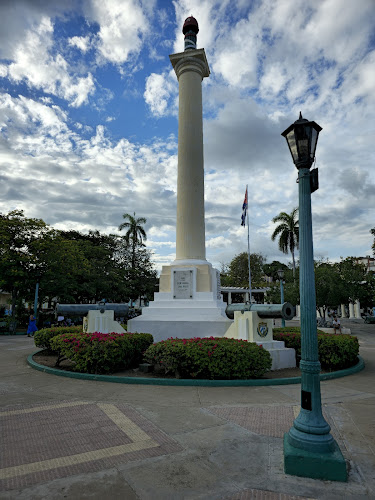
Plaza de Marte
Find Accommodations Nearby
Recommended Tours & Activities
Visitor Reviews
There are no reviews yet. Be the first one to write one.
Share Your Experience
Have you visited Museo de Historia 26 de Julio? Help other travelers by leaving a review.