
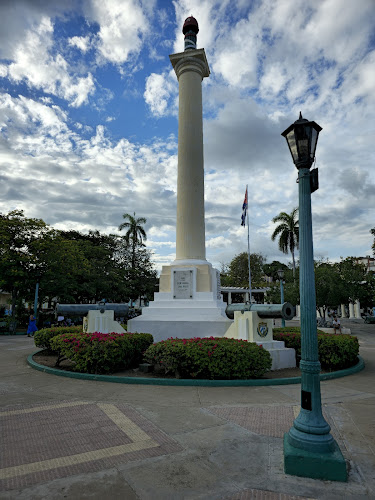
Plaza de Marte
About Plaza de Marte
Description
Plaza de Marte represents one of those authentic Cuban spaces where locals and travelers intersect in a way that feels completely unforced. When someone visits this historic square, they're not just checking off another landmark from their itinerary—they're stepping into a living, breathing piece of daily life that's been unfolding here for well over a century. The plaza has this fascinating dual personality that I've always found captivating. During the day, it transforms into an outdoor living room for Santiago de Cuba residents. You'll see families spread out on the open spaces, kids kicking soccer balls around while their parents chat in small groups, and street vendors offering everything from fresh fruit to homemade ice cream. But what really sets this place apart is its historical weight—this isn't just a pretty park that someone designed fifty years ago. Plaza de Marte has witnessed everything from military parades during colonial times to revolutionary gatherings, and somehow you can still feel that energy when you walk across its grounds. The layout itself might surprise first-time visitors. It's more expansive than most expect, with wide pathways that actually make it wheelchair accessible—something that's honestly refreshing in a city where navigating historic sites can sometimes feel like an obstacle course. The square opens up in a way that gives everyone their own space, whether you're there to people-watch from a bench, let your dog run around (yes, dogs are welcome here), or supervise energetic kids who need to burn off some energy. What strikes me most about Plaza de Marte is how it refuses to be just one thing. It's a tourist attraction, sure, but it's also where local teenagers meet up after school, where older gentlemen gather for their daily games of chess or dominoes, and where impromptu music sessions break out on weekend evenings. That authenticity is something you can't manufacture, and it's precisely what makes this square worth visiting.Key Features
The features that make Plaza de Marte genuinely special include:- Wheelchair accessible entrances and pathways throughout the park, making it one of the more inclusive historic sites in Santiago de Cuba
- Wide open spaces perfect for families traveling with children who need room to play and explore safely
- Dog-friendly policies that welcome four-legged travel companions, which is surprisingly uncommon for major tourist areas
- Historic architecture surrounding the square that dates back to various periods of Cuban history, creating an open-air museum effect
- Shaded areas with mature trees that provide essential relief from the Caribbean sun during midday hours
- Local vendor presence offering authentic Cuban snacks, beverages, and occasional crafts without the touristy markup you'd find elsewhere
- Free wifi availability in certain areas of the plaza, though connectivity can be spotty depending on the time of day
- Active community gatherings including pickup basketball games, chess matches, and informal music performances
- Proximity to other cultural landmarks, making it an ideal starting point or midpoint rest stop during walking tours
- Benches and seating areas strategically placed for observation and rest, perfect for travelers who prefer a slower pace
- Evening atmosphere that shifts from family-oriented to more social as locals gather after work hours
- Photography opportunities that capture both architectural details and candid street life moments
Best Time to Visit
Timing your visit to Plaza de Marte really depends on what kind of experience you're after, and I'll be honest—there's no single "perfect" time that works for everyone. Early mornings, particularly between 7 and 9 AM, offer something special for travelers who appreciate quieter moments. The square hasn't fully woken up yet, the temperature is still manageable, and you'll mostly encounter locals starting their day. It's when street sweepers make their rounds, when the first vendors set up shop, and when older residents take their morning walks. If you're a photographer, this golden hour light against the colonial architecture surrounding the plaza is absolutely worth setting an alarm for. Late afternoons from around 4 to 6 PM present the plaza at its most energetic. School's out, work is winding down, and suddenly the space fills with activity. This is when you'll see kids playing soccer, teenagers socializing in groups, and families claiming their favorite spots. The heat has typically backed off a bit by then, making it comfortable to spend an extended period just observing and soaking in the atmosphere. Evenings bring yet another transformation, especially on weekends. The plaza becomes more of a social hub where music sometimes erupts spontaneously and where you'll get a genuine feel for Santiago's cultural pulse. But fair warning—it can get quite crowded, and if you're someone who values personal space, this might not be your preferred time slot. Seasonally speaking, November through April offers the most pleasant weather conditions. Santiago de Cuba gets seriously hot and humid from May through October, and while the plaza does have shaded areas, you'll still be dealing with temperatures that can feel oppressive, especially if you're not accustomed to tropical climates. The summer months also coincide with hurricane season, which can mean sudden downpours that, while brief, will definitely interrupt your visit. Weekdays generally see lighter tourist traffic compared to weekends, though the local presence remains fairly consistent throughout the week. If you're trying to avoid crowds while still experiencing the authentic daily life of the plaza, a Tuesday or Wednesday afternoon might hit that sweet spot.How to Get There
Getting to Plaza de Marte is refreshingly straightforward compared to reaching some of Cuba's more remote attractions. The plaza sits right in the heart of Santiago de Cuba, which actually works in your favor whether you're staying nearby or coming from elsewhere in the city. Walking remains the most practical option for anyone staying in the city center. From most downtown hotels or casas particulares, you're looking at a 10 to 20-minute walk depending on your starting point. The route itself passes through interesting neighborhoods where you'll encounter everyday Cuban life—street vendors, small shops, residential buildings with people hanging out on balconies. I've always felt that these walks to destinations teach you more about a place than the destinations themselves sometimes. Taxis in Santiago come in several varieties, and they'll all get you to Plaza de Marte without much fuss. The classic yellow cabs with meters exist but aren't always easy to flag down. More common are the collective taxis—vintage American cars from the 1950s that follow set routes and pick up multiple passengers. These cost just a few Cuban pesos if you're heading in the right direction. Private taxi rides can be negotiated, usually for a handful of CUC or convertible pesos, though prices have shifted with Cuba's ongoing currency changes. Bicycle taxis and bicitaxis offer another transportation option that's both economical and gives you an open-air view during your journey. These work well for short distances and the drivers typically know the city inside and out, though you'll want to agree on a price before setting off. If you're the type who prefers organized transportation, many tour operators in Santiago include Plaza de Marte as part of city walking tours. While this lacks spontaneity, it does provide historical context and eliminates any navigation concerns. For travelers arriving from other Cuban cities, Santiago's main bus terminal sits a few kilometers from the plaza. A short taxi ride bridges that gap easily. Same goes for visitors arriving at the airport—you're looking at roughly a 20 to 30-minute drive into the city center. One practical tip that saved me some confusion: Plaza de Marte is well-known enough that simply saying the name to any taxi driver or local will get you pointed in the right direction. You don't need elaborate directions or addresses written down, which is fortunate because street signage in Cuba can be... inconsistent.Tips for Visiting
Bring cash in small denominations. While Plaza de Marte itself doesn't charge admission, you'll want money for vendors selling drinks, snacks, or crafts. Credit cards won't help you here, and breaking a large bill for a one-peso item creates unnecessary awkwardness. Sunscreen and a hat aren't optional suggestions—they're essential equipment. Even on days that don't feel brutally hot, the Caribbean sun at this latitude will absolutely burn unprepared skin. The plaza has shade, yes, but you'll inevitably spend time in direct sunlight, and Cuban pharmacies don't stock the sunscreen brands most travelers are accustomed to using. The wifi situation deserves realistic expectations. While the plaza does have internet access points, connectivity is often slow and unreliable. Don't plan on video calling home or uploading a dozen photos to social media. Checking messages and light browsing might work, but think of internet access as a bonus rather than a guarantee. Comfortable walking shoes matter more than looking fashionable. The plaza's pathways are generally well-maintained, but you'll likely be on your feet longer than anticipated, especially if you get caught up in the atmosphere and start exploring the surrounding streets. Water is your friend. Bring a refillable bottle because staying hydrated in Santiago's climate isn't negotiable. Local vendors sell bottled water and fresh juices, but having your own supply means you're not constantly hunting for refreshments. If you're traveling with kids, Plaza de Marte genuinely works as a family destination. The open space lets children run around safely, and there's enough activity to keep them entertained. That said, keep an eye on belongings and maintain normal urban awareness—this is a public space in a busy city. Photography is generally welcomed, but I'd encourage asking permission before photographing people directly, especially in close-up shots. Most Cubans are friendly about it, but showing respect costs nothing and often leads to better interactions. Plus, you might end up in a conversation that becomes the highlight of your visit. The dog-friendly policy is genuine, so if you're traveling with a pet, this is one of the few tourist-oriented spaces where they're truly welcome. Just maintain basic courtesy—clean up after your animal and respect others' personal space. Dress comfortably and modestly. While Santiago isn't conservative by strict standards, extremely revealing clothing tends to draw unwanted attention. Light, breathable fabrics work best in the tropical climate anyway. Language considerations are real. English isn't widely spoken, especially among older residents and vendors. Learning basic Spanish phrases—greetings, numbers, simple questions—transforms your experience from tourist to traveler. Even butchered Spanish delivered with a smile gets positive responses. Security-wise, Plaza de Marte is generally safe, but standard precautions apply. Don't flash expensive electronics unnecessarily, keep bags zipped and in front of you, and maintain awareness of your surroundings. Pickpocketing can happen in crowded areas, though violent crime against tourists is rare. Bathrooms aren't readily available directly at the plaza. Plan accordingly and know where nearby cafes or restaurants are located if nature calls. This is honestly one of the more frustrating aspects of visiting, but it's the reality. Finally, give yourself permission to just sit and observe. Plaza de Marte isn't a destination where you race around checking boxes. Its value lies in soaking up atmosphere, watching how people interact, feeling the rhythm of daily life. Some of my best travel memories involve doing absolutely nothing productive beyond occupying a bench and paying attention to the world unfolding around me.Key Features
- Historic origins as a colonial military training ground and later civic meeting place
- Central location acting as a gateway to Santiago's Historic Center and main pedestrian streets
- Shaded green spaces and benches ideal for resting and people-watching
- Regular informal gatherings, small festivals and occasional street food vendors
- Monuments and architectural context that reflect the city's layered past
More Details
Updated January 17, 2026
Table of Contents
Description
Plaza de Marte represents one of those authentic Cuban spaces where locals and travelers intersect in a way that feels completely unforced. When someone visits this historic square, they’re not just checking off another landmark from their itinerary—they’re stepping into a living, breathing piece of daily life that’s been unfolding here for well over a century.
The plaza has this fascinating dual personality that I’ve always found captivating. During the day, it transforms into an outdoor living room for Santiago de Cuba residents. You’ll see families spread out on the open spaces, kids kicking soccer balls around while their parents chat in small groups, and street vendors offering everything from fresh fruit to homemade ice cream. But what really sets this place apart is its historical weight—this isn’t just a pretty park that someone designed fifty years ago. Plaza de Marte has witnessed everything from military parades during colonial times to revolutionary gatherings, and somehow you can still feel that energy when you walk across its grounds.
The layout itself might surprise first-time visitors. It’s more expansive than most expect, with wide pathways that actually make it wheelchair accessible—something that’s honestly refreshing in a city where navigating historic sites can sometimes feel like an obstacle course. The square opens up in a way that gives everyone their own space, whether you’re there to people-watch from a bench, let your dog run around (yes, dogs are welcome here), or supervise energetic kids who need to burn off some energy.
What strikes me most about Plaza de Marte is how it refuses to be just one thing. It’s a tourist attraction, sure, but it’s also where local teenagers meet up after school, where older gentlemen gather for their daily games of chess or dominoes, and where impromptu music sessions break out on weekend evenings. That authenticity is something you can’t manufacture, and it’s precisely what makes this square worth visiting.
Key Features
The features that make Plaza de Marte genuinely special include:
- Wheelchair accessible entrances and pathways throughout the park, making it one of the more inclusive historic sites in Santiago de Cuba
- Wide open spaces perfect for families traveling with children who need room to play and explore safely
- Dog-friendly policies that welcome four-legged travel companions, which is surprisingly uncommon for major tourist areas
- Historic architecture surrounding the square that dates back to various periods of Cuban history, creating an open-air museum effect
- Shaded areas with mature trees that provide essential relief from the Caribbean sun during midday hours
- Local vendor presence offering authentic Cuban snacks, beverages, and occasional crafts without the touristy markup you’d find elsewhere
- Free wifi availability in certain areas of the plaza, though connectivity can be spotty depending on the time of day
- Active community gatherings including pickup basketball games, chess matches, and informal music performances
- Proximity to other cultural landmarks, making it an ideal starting point or midpoint rest stop during walking tours
- Benches and seating areas strategically placed for observation and rest, perfect for travelers who prefer a slower pace
- Evening atmosphere that shifts from family-oriented to more social as locals gather after work hours
- Photography opportunities that capture both architectural details and candid street life moments
Best Time to Visit
Timing your visit to Plaza de Marte really depends on what kind of experience you’re after, and I’ll be honest—there’s no single “perfect” time that works for everyone.
Early mornings, particularly between 7 and 9 AM, offer something special for travelers who appreciate quieter moments. The square hasn’t fully woken up yet, the temperature is still manageable, and you’ll mostly encounter locals starting their day. It’s when street sweepers make their rounds, when the first vendors set up shop, and when older residents take their morning walks. If you’re a photographer, this golden hour light against the colonial architecture surrounding the plaza is absolutely worth setting an alarm for.
Late afternoons from around 4 to 6 PM present the plaza at its most energetic. School’s out, work is winding down, and suddenly the space fills with activity. This is when you’ll see kids playing soccer, teenagers socializing in groups, and families claiming their favorite spots. The heat has typically backed off a bit by then, making it comfortable to spend an extended period just observing and soaking in the atmosphere.
Evenings bring yet another transformation, especially on weekends. The plaza becomes more of a social hub where music sometimes erupts spontaneously and where you’ll get a genuine feel for Santiago’s cultural pulse. But fair warning—it can get quite crowded, and if you’re someone who values personal space, this might not be your preferred time slot.
Seasonally speaking, November through April offers the most pleasant weather conditions. Santiago de Cuba gets seriously hot and humid from May through October, and while the plaza does have shaded areas, you’ll still be dealing with temperatures that can feel oppressive, especially if you’re not accustomed to tropical climates. The summer months also coincide with hurricane season, which can mean sudden downpours that, while brief, will definitely interrupt your visit.
Weekdays generally see lighter tourist traffic compared to weekends, though the local presence remains fairly consistent throughout the week. If you’re trying to avoid crowds while still experiencing the authentic daily life of the plaza, a Tuesday or Wednesday afternoon might hit that sweet spot.
How to Get There
Getting to Plaza de Marte is refreshingly straightforward compared to reaching some of Cuba’s more remote attractions. The plaza sits right in the heart of Santiago de Cuba, which actually works in your favor whether you’re staying nearby or coming from elsewhere in the city.
Walking remains the most practical option for anyone staying in the city center. From most downtown hotels or casas particulares, you’re looking at a 10 to 20-minute walk depending on your starting point. The route itself passes through interesting neighborhoods where you’ll encounter everyday Cuban life—street vendors, small shops, residential buildings with people hanging out on balconies. I’ve always felt that these walks to destinations teach you more about a place than the destinations themselves sometimes.
Taxis in Santiago come in several varieties, and they’ll all get you to Plaza de Marte without much fuss. The classic yellow cabs with meters exist but aren’t always easy to flag down. More common are the collective taxis—vintage American cars from the 1950s that follow set routes and pick up multiple passengers. These cost just a few Cuban pesos if you’re heading in the right direction. Private taxi rides can be negotiated, usually for a handful of CUC or convertible pesos, though prices have shifted with Cuba’s ongoing currency changes.
Bicycle taxis and bicitaxis offer another transportation option that’s both economical and gives you an open-air view during your journey. These work well for short distances and the drivers typically know the city inside and out, though you’ll want to agree on a price before setting off.
If you’re the type who prefers organized transportation, many tour operators in Santiago include Plaza de Marte as part of city walking tours. While this lacks spontaneity, it does provide historical context and eliminates any navigation concerns.
For travelers arriving from other Cuban cities, Santiago’s main bus terminal sits a few kilometers from the plaza. A short taxi ride bridges that gap easily. Same goes for visitors arriving at the airport—you’re looking at roughly a 20 to 30-minute drive into the city center.
One practical tip that saved me some confusion: Plaza de Marte is well-known enough that simply saying the name to any taxi driver or local will get you pointed in the right direction. You don’t need elaborate directions or addresses written down, which is fortunate because street signage in Cuba can be… inconsistent.
Tips for Visiting
Bring cash in small denominations. While Plaza de Marte itself doesn’t charge admission, you’ll want money for vendors selling drinks, snacks, or crafts. Credit cards won’t help you here, and breaking a large bill for a one-peso item creates unnecessary awkwardness.
Sunscreen and a hat aren’t optional suggestions—they’re essential equipment. Even on days that don’t feel brutally hot, the Caribbean sun at this latitude will absolutely burn unprepared skin. The plaza has shade, yes, but you’ll inevitably spend time in direct sunlight, and Cuban pharmacies don’t stock the sunscreen brands most travelers are accustomed to using.
The wifi situation deserves realistic expectations. While the plaza does have internet access points, connectivity is often slow and unreliable. Don’t plan on video calling home or uploading a dozen photos to social media. Checking messages and light browsing might work, but think of internet access as a bonus rather than a guarantee.
Comfortable walking shoes matter more than looking fashionable. The plaza’s pathways are generally well-maintained, but you’ll likely be on your feet longer than anticipated, especially if you get caught up in the atmosphere and start exploring the surrounding streets.
Water is your friend. Bring a refillable bottle because staying hydrated in Santiago’s climate isn’t negotiable. Local vendors sell bottled water and fresh juices, but having your own supply means you’re not constantly hunting for refreshments.
If you’re traveling with kids, Plaza de Marte genuinely works as a family destination. The open space lets children run around safely, and there’s enough activity to keep them entertained. That said, keep an eye on belongings and maintain normal urban awareness—this is a public space in a busy city.
Photography is generally welcomed, but I’d encourage asking permission before photographing people directly, especially in close-up shots. Most Cubans are friendly about it, but showing respect costs nothing and often leads to better interactions. Plus, you might end up in a conversation that becomes the highlight of your visit.
The dog-friendly policy is genuine, so if you’re traveling with a pet, this is one of the few tourist-oriented spaces where they’re truly welcome. Just maintain basic courtesy—clean up after your animal and respect others’ personal space.
Dress comfortably and modestly. While Santiago isn’t conservative by strict standards, extremely revealing clothing tends to draw unwanted attention. Light, breathable fabrics work best in the tropical climate anyway.
Language considerations are real. English isn’t widely spoken, especially among older residents and vendors. Learning basic Spanish phrases—greetings, numbers, simple questions—transforms your experience from tourist to traveler. Even butchered Spanish delivered with a smile gets positive responses.
Security-wise, Plaza de Marte is generally safe, but standard precautions apply. Don’t flash expensive electronics unnecessarily, keep bags zipped and in front of you, and maintain awareness of your surroundings. Pickpocketing can happen in crowded areas, though violent crime against tourists is rare.
Bathrooms aren’t readily available directly at the plaza. Plan accordingly and know where nearby cafes or restaurants are located if nature calls. This is honestly one of the more frustrating aspects of visiting, but it’s the reality.
Finally, give yourself permission to just sit and observe. Plaza de Marte isn’t a destination where you race around checking boxes. Its value lies in soaking up atmosphere, watching how people interact, feeling the rhythm of daily life. Some of my best travel memories involve doing absolutely nothing productive beyond occupying a bench and paying attention to the world unfolding around me.
Key Highlights
- Historic origins as a colonial military training ground and later civic meeting place
- Central location acting as a gateway to Santiago’s Historic Center and main pedestrian streets
- Shaded green spaces and benches ideal for resting and people-watching
- Regular informal gatherings, small festivals and occasional street food vendors
- Monuments and architectural context that reflect the city’s layered past
Location
Places to Stay Near Plaza de Marte
Find and Book a Tour
Explore More Travel Guides
No reviews found! Be the first to review!
Traveler Reviews for Plaza de Marte
There are no reviews yet. Be the first one to write one.
Have you visited Plaza de Marte? Help other travelers by sharing your review.
Nearby Attractions
You Might Also Like
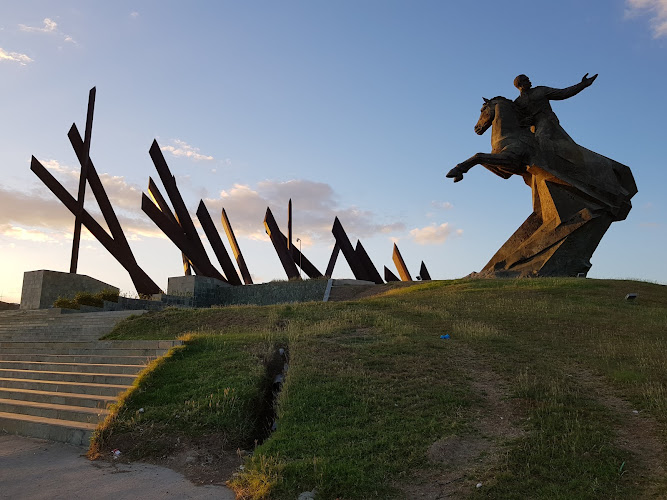
Monumental Complex Antonio Maceo
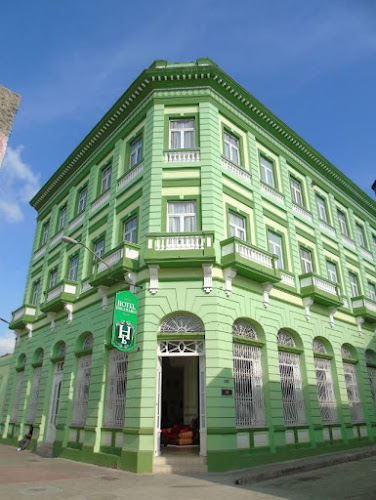
Columpios Park
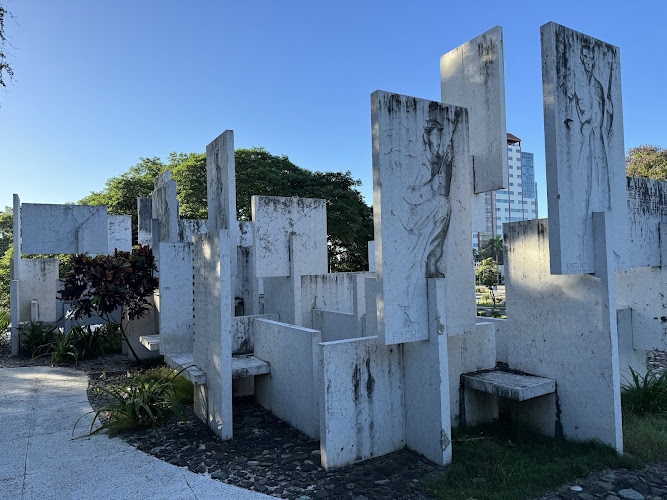
Monumento a Che Guevara
Find Accommodations Nearby
Recommended Tours & Activities
Visitor Reviews
There are no reviews yet. Be the first one to write one.
Share Your Experience
Have you visited Plaza de Marte? Help other travelers by leaving a review.