Monumental Complex Antonio Maceo
About Monumental Complex Antonio Maceo
Description
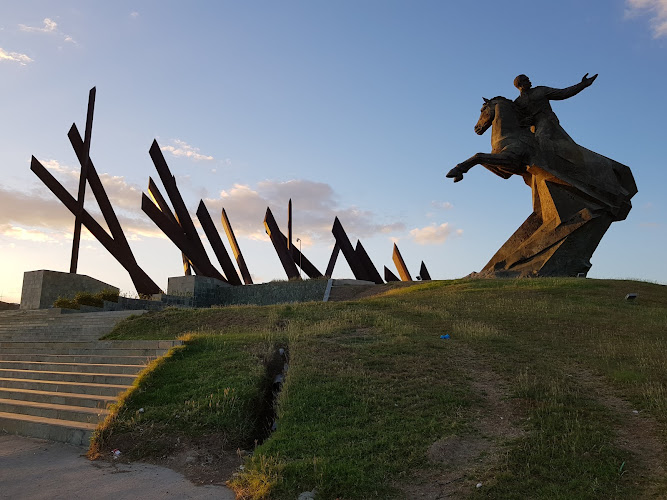
The Monumental Complex Antonio Maceo stands as a powerful tribute to one of Cuba's most celebrated revolutionary heroes. When travelers visit Santiago de Cuba, they often discover this impressive memorial complex dedicated to General Antonio Maceo Grajales, known affectionately as the "Bronze Titan" for his unwavering courage during Cuba's fight for independence. The monument itself rises dramatically against the Caribbean sky, making it impossible to miss as you approach the area. What strikes most visitors first is the sheer scale of this tribute. The centerpiece features a towering statue of Maceo on horseback, rendered in bronze and positioned atop a massive stone base. The general sits proud and resolute, captured in a moment that seems to embody the determination that made him legendary. Around this central figure, the complex spreads out with carefully manicured grounds, pathways, and additional sculptural elements that tell the story of Cuba's independence struggle. But here's what really makes this place special - it's not just about looking at a statue from a distance. The complex invites you to walk around, explore different angles, and really spend time understanding the historical context. There's something almost cinematic about how the monument interacts with its surroundings, particularly during golden hour when the light hits the bronze just right. The complex serves multiple purposes for both locals and tourists. For Cubans, it's a place of national pride and remembrance. For international visitors, it offers a window into understanding Cuba's complex history and the figures who shaped the nation. The grounds around the monument are well-maintained, though they carry that distinct character you find throughout Cuba - impressive and meaningful, if not always polished to Western theme-park standards.Key Features
- The massive equestrian statue of General Antonio Maceo dominates the complex, showcasing exceptional bronze craftsmanship that has weathered decades while maintaining its striking presence
- Comprehensive wheelchair accessibility throughout the complex, including specially designed parking areas and entrance ramps that make this historical site genuinely inclusive for all visitors
- Educational plaques and displays scattered throughout the grounds provide context about Maceo's life, his military campaigns, and his ultimate sacrifice for Cuban independence
- Spacious grounds perfect for families with children who need room to move around while adults take in the historical significance
- Photography opportunities from multiple vantage points, allowing visitors to capture the monument against different backdrops including the surrounding Santiago landscape
- A reflective atmosphere that encourages contemplation about Cuba's revolutionary history without feeling overly formal or restrictive
- Nearby viewing areas where you can see how the monument relates to other significant landmarks in Santiago de Cuba
- Well-maintained pathways that make walking around the entire complex comfortable even during warmer weather
- Periodic ceremonial events and commemorations that add cultural depth to visits, particularly around significant dates in Cuban history
- Local vendors sometimes gather near the complex, offering refreshments and souvenirs that connect to the monument's themes
Best Time to Visit
Timing your visit to the Monumental Complex Antonio Maceo can really make a difference in your experience. Santiago de Cuba gets hot - I'm talking seriously hot during summer months, and standing around looking at monuments in 95-degree heat with Caribbean humidity isn't everyone's idea of a good time. The sweet spot for visiting runs from November through March. During these months, temperatures hover in the much more manageable 70s and low 80s, and you'll find yourself actually enjoying the walk around the complex rather than just rushing through to get back to air conditioning. Early morning visits, particularly between 8 and 10 AM, offer the best combination of comfortable temperatures and beautiful lighting for photographs. December and January attract fewer tourists compared to the peak season months in many other Caribbean destinations, which means you might have more space to explore without crowds. But honestly, this monument rarely gets overwhelmingly packed regardless of when you visit - it's not Havana's tourist circuit, which works in your favor. If you're visiting during July, you'll coincide with Santiago's famous Carnival celebrations. While the monument itself doesn't host carnival activities, the city's festive energy spills over into every corner, and you might catch impromptu gatherings or celebrations near the complex. The 26th of July holds particular significance in Cuban revolutionary history, so visiting around this date adds another layer of cultural context. Avoid mid-afternoon visits between 1 and 3 PM year-round if possible. The Caribbean sun at its peak doesn't just make things uncomfortable - it also creates harsh shadows that don't do justice to the monument's features in photographs. Late afternoon around 4 or 5 PM brings that golden hour magic that photographers dream about, casting the bronze statue in warm, dramatic light. Weekday mornings tend to be quieter than weekends when local families often visit. And there's something special about experiencing the monument without a lot of other people around - it lets you really sit with the history and significance of the place.How to Get There
Getting to the Monumental Complex Antonio Maceo requires a bit of planning, but it's definitely doable regardless of your travel style. The monument sits in a relatively accessible part of Santiago de Cuba, though like many things in Cuba, getting around takes a bit more patience and flexibility than travelers from other destinations might be used to. Taxis remain the most straightforward option for most tourists. If you're staying in central Santiago de Cuba, a taxi ride typically takes about 15-20 minutes depending on traffic and your starting point. Cuban taxis come in various forms - classic American cars from the 1950s, modern vehicles, and the yellow "turistaxis" that specifically cater to international visitors. Negotiate your fare before getting in, or ensure the meter is running if the taxi has one. Most rides to the monument shouldn't cost more than a few CUC (Cuban Convertible Pesos) or CUP (Cuban Pesos), depending on which currency system is in use during your visit - Cuban currency can be complicated, so asking your hotel for current guidance helps. Rental cars work well if you're comfortable navigating Cuban roads and have a good sense of direction. The parking lot at the complex accommodates various vehicles and includes designated accessible parking spaces. Just remember that GPS doesn't always work reliably in Cuba, so having a physical map or very clear directions written down proves useful. Public transportation exists, but it requires more local knowledge and Spanish language skills to navigate effectively. Buses do run routes that pass near the monument, but schedules can be irregular and routes aren't always clearly marked for non-Spanish speakers. Many travelers find that arranging transportation through their casa particular or hotel works best. Your hosts can typically call a trusted taxi driver or even arrange for someone to drive you directly. This approach costs slightly more but removes the stress of figuring out Cuban transportation systems on your own. Organized tours of Santiago de Cuba often include the Monumental Complex Antonio Maceo as part of their itinerary, combined with other historical sites around the city. This option suits travelers who prefer structured experiences and value having a guide provide historical context.Tips for Visiting
Let me share some practical advice that'll make your visit smoother and more enjoyable. First off, bring water - seriously, don't skip this. Santiago's heat is no joke, and there isn't always a convenient place to buy drinks right at the monument. A reusable water bottle keeps you hydrated while you explore. Wear comfortable walking shoes with good support. The grounds are paved and generally well-maintained, but you'll be doing more walking than you might expect as you circle the monument and explore different viewpoints. Those cute sandals or dressy shoes can wait for dinner. Sun protection matters more than you might think. A hat with a brim, sunglasses, and sunscreen should be non-negotiable items in your bag. The Caribbean sun doesn't mess around, and there's limited shade around the complex. I learned this the hard way during my travels in similar climates - a sunburned scalp isn't fun. Bring Cuban currency in smaller denominations. If you plan to buy anything from vendors near the complex or tip anyone helping you, having exact change makes transactions much easier. Many places in Cuba still operate primarily in cash, and change isn't always readily available. Photography is generally welcome, but be respectful about it. This is a memorial to a national hero, so treat it with appropriate reverence. Some locals come here for quiet reflection, so being mindful of others around you shows good travel etiquette. Consider hiring a local guide if history really interests you. While the monument itself is self-explanatory visually, understanding the deeper context of Maceo's life, his military strategies, and his role in Cuban independence adds tremendous depth to the experience. Guides usually gather near popular sites, or your accommodation can arrange one in advance. The complex's accessibility features make it genuinely welcoming for visitors with mobility challenges. The wheelchair-accessible entrance and parking aren't just token gestures - they're properly implemented, which isn't always the case at historical sites. Combining your visit with other nearby attractions makes sense logistically. Santiago de Cuba has numerous historical sites within reasonable distance, so planning a route that hits several spots in one outing maximizes your time and transportation costs. Respect local customs and dress codes. While there isn't a strict dress code for the monument, wearing extremely revealing clothing might draw unwanted attention or seem inappropriate at a memorial site. Comfortable, modest clothing strikes the right balance. Finally, take your time. This isn't a quick photo-op stop - allow at least 45 minutes to an hour to really experience the place. Sit on one of the benches, watch how the light changes, and think about the history represented here. The best travel experiences come when we slow down enough to actually absorb where we are rather than just checking boxes on an itinerary.Key Features
- Central monument honoring Antonio Maceo with evocative sculpture and reliefs
- On-site museum exhibiting artifacts, documents and elements transferred from earlier memorials
- Landscaped memorial grounds suitable for reflective walks and photography
- Interpretive plaques and historical panels that contextualize Maceo’s role in Cuba’s independence
- Accessible urban location in Santiago de Cuba, often included on city history itineraries
More Details
Updated January 17, 2026
Table of Contents
Description
The Monumental Complex Antonio Maceo stands as a powerful tribute to one of Cuba’s most celebrated revolutionary heroes. When travelers visit Santiago de Cuba, they often discover this impressive memorial complex dedicated to General Antonio Maceo Grajales, known affectionately as the “Bronze Titan” for his unwavering courage during Cuba’s fight for independence. The monument itself rises dramatically against the Caribbean sky, making it impossible to miss as you approach the area.
What strikes most visitors first is the sheer scale of this tribute. The centerpiece features a towering statue of Maceo on horseback, rendered in bronze and positioned atop a massive stone base. The general sits proud and resolute, captured in a moment that seems to embody the determination that made him legendary. Around this central figure, the complex spreads out with carefully manicured grounds, pathways, and additional sculptural elements that tell the story of Cuba’s independence struggle.
But here’s what really makes this place special – it’s not just about looking at a statue from a distance. The complex invites you to walk around, explore different angles, and really spend time understanding the historical context. There’s something almost cinematic about how the monument interacts with its surroundings, particularly during golden hour when the light hits the bronze just right.
The complex serves multiple purposes for both locals and tourists. For Cubans, it’s a place of national pride and remembrance. For international visitors, it offers a window into understanding Cuba’s complex history and the figures who shaped the nation. The grounds around the monument are well-maintained, though they carry that distinct character you find throughout Cuba – impressive and meaningful, if not always polished to Western theme-park standards.
Key Features
- The massive equestrian statue of General Antonio Maceo dominates the complex, showcasing exceptional bronze craftsmanship that has weathered decades while maintaining its striking presence
- Comprehensive wheelchair accessibility throughout the complex, including specially designed parking areas and entrance ramps that make this historical site genuinely inclusive for all visitors
- Educational plaques and displays scattered throughout the grounds provide context about Maceo’s life, his military campaigns, and his ultimate sacrifice for Cuban independence
- Spacious grounds perfect for families with children who need room to move around while adults take in the historical significance
- Photography opportunities from multiple vantage points, allowing visitors to capture the monument against different backdrops including the surrounding Santiago landscape
- A reflective atmosphere that encourages contemplation about Cuba’s revolutionary history without feeling overly formal or restrictive
- Nearby viewing areas where you can see how the monument relates to other significant landmarks in Santiago de Cuba
- Well-maintained pathways that make walking around the entire complex comfortable even during warmer weather
- Periodic ceremonial events and commemorations that add cultural depth to visits, particularly around significant dates in Cuban history
- Local vendors sometimes gather near the complex, offering refreshments and souvenirs that connect to the monument’s themes
Best Time to Visit
Timing your visit to the Monumental Complex Antonio Maceo can really make a difference in your experience. Santiago de Cuba gets hot – I’m talking seriously hot during summer months, and standing around looking at monuments in 95-degree heat with Caribbean humidity isn’t everyone’s idea of a good time.
The sweet spot for visiting runs from November through March. During these months, temperatures hover in the much more manageable 70s and low 80s, and you’ll find yourself actually enjoying the walk around the complex rather than just rushing through to get back to air conditioning. Early morning visits, particularly between 8 and 10 AM, offer the best combination of comfortable temperatures and beautiful lighting for photographs.
December and January attract fewer tourists compared to the peak season months in many other Caribbean destinations, which means you might have more space to explore without crowds. But honestly, this monument rarely gets overwhelmingly packed regardless of when you visit – it’s not Havana’s tourist circuit, which works in your favor.
If you’re visiting during July, you’ll coincide with Santiago’s famous Carnival celebrations. While the monument itself doesn’t host carnival activities, the city’s festive energy spills over into every corner, and you might catch impromptu gatherings or celebrations near the complex. The 26th of July holds particular significance in Cuban revolutionary history, so visiting around this date adds another layer of cultural context.
Avoid mid-afternoon visits between 1 and 3 PM year-round if possible. The Caribbean sun at its peak doesn’t just make things uncomfortable – it also creates harsh shadows that don’t do justice to the monument’s features in photographs. Late afternoon around 4 or 5 PM brings that golden hour magic that photographers dream about, casting the bronze statue in warm, dramatic light.
Weekday mornings tend to be quieter than weekends when local families often visit. And there’s something special about experiencing the monument without a lot of other people around – it lets you really sit with the history and significance of the place.
How to Get There
Getting to the Monumental Complex Antonio Maceo requires a bit of planning, but it’s definitely doable regardless of your travel style. The monument sits in a relatively accessible part of Santiago de Cuba, though like many things in Cuba, getting around takes a bit more patience and flexibility than travelers from other destinations might be used to.
Taxis remain the most straightforward option for most tourists. If you’re staying in central Santiago de Cuba, a taxi ride typically takes about 15-20 minutes depending on traffic and your starting point. Cuban taxis come in various forms – classic American cars from the 1950s, modern vehicles, and the yellow “turistaxis” that specifically cater to international visitors. Negotiate your fare before getting in, or ensure the meter is running if the taxi has one. Most rides to the monument shouldn’t cost more than a few CUC (Cuban Convertible Pesos) or CUP (Cuban Pesos), depending on which currency system is in use during your visit – Cuban currency can be complicated, so asking your hotel for current guidance helps.
Rental cars work well if you’re comfortable navigating Cuban roads and have a good sense of direction. The parking lot at the complex accommodates various vehicles and includes designated accessible parking spaces. Just remember that GPS doesn’t always work reliably in Cuba, so having a physical map or very clear directions written down proves useful.
Public transportation exists, but it requires more local knowledge and Spanish language skills to navigate effectively. Buses do run routes that pass near the monument, but schedules can be irregular and routes aren’t always clearly marked for non-Spanish speakers.
Many travelers find that arranging transportation through their casa particular or hotel works best. Your hosts can typically call a trusted taxi driver or even arrange for someone to drive you directly. This approach costs slightly more but removes the stress of figuring out Cuban transportation systems on your own.
Organized tours of Santiago de Cuba often include the Monumental Complex Antonio Maceo as part of their itinerary, combined with other historical sites around the city. This option suits travelers who prefer structured experiences and value having a guide provide historical context.
Tips for Visiting
Let me share some practical advice that’ll make your visit smoother and more enjoyable. First off, bring water – seriously, don’t skip this. Santiago’s heat is no joke, and there isn’t always a convenient place to buy drinks right at the monument. A reusable water bottle keeps you hydrated while you explore.
Wear comfortable walking shoes with good support. The grounds are paved and generally well-maintained, but you’ll be doing more walking than you might expect as you circle the monument and explore different viewpoints. Those cute sandals or dressy shoes can wait for dinner.
Sun protection matters more than you might think. A hat with a brim, sunglasses, and sunscreen should be non-negotiable items in your bag. The Caribbean sun doesn’t mess around, and there’s limited shade around the complex. I learned this the hard way during my travels in similar climates – a sunburned scalp isn’t fun.
Bring Cuban currency in smaller denominations. If you plan to buy anything from vendors near the complex or tip anyone helping you, having exact change makes transactions much easier. Many places in Cuba still operate primarily in cash, and change isn’t always readily available.
Photography is generally welcome, but be respectful about it. This is a memorial to a national hero, so treat it with appropriate reverence. Some locals come here for quiet reflection, so being mindful of others around you shows good travel etiquette.
Consider hiring a local guide if history really interests you. While the monument itself is self-explanatory visually, understanding the deeper context of Maceo’s life, his military strategies, and his role in Cuban independence adds tremendous depth to the experience. Guides usually gather near popular sites, or your accommodation can arrange one in advance.
The complex’s accessibility features make it genuinely welcoming for visitors with mobility challenges. The wheelchair-accessible entrance and parking aren’t just token gestures – they’re properly implemented, which isn’t always the case at historical sites.
Combining your visit with other nearby attractions makes sense logistically. Santiago de Cuba has numerous historical sites within reasonable distance, so planning a route that hits several spots in one outing maximizes your time and transportation costs.
Respect local customs and dress codes. While there isn’t a strict dress code for the monument, wearing extremely revealing clothing might draw unwanted attention or seem inappropriate at a memorial site. Comfortable, modest clothing strikes the right balance.
Finally, take your time. This isn’t a quick photo-op stop – allow at least 45 minutes to an hour to really experience the place. Sit on one of the benches, watch how the light changes, and think about the history represented here. The best travel experiences come when we slow down enough to actually absorb where we are rather than just checking boxes on an itinerary.
Key Highlights
- Central monument honoring Antonio Maceo with evocative sculpture and reliefs
- On-site museum exhibiting artifacts, documents and elements transferred from earlier memorials
- Landscaped memorial grounds suitable for reflective walks and photography
- Interpretive plaques and historical panels that contextualize Maceo’s role in Cuba’s independence
- Accessible urban location in Santiago de Cuba, often included on city history itineraries
Location
Places to Stay Near Monumental Complex Antonio Maceo
Find and Book a Tour
Explore More Travel Guides
No reviews found! Be the first to review!
Traveler Reviews for Monumental Complex Antonio Maceo
There are no reviews yet. Be the first one to write one.
Have you visited Monumental Complex Antonio Maceo? Help other travelers by sharing your review.
Nearby Attractions
Find Accommodations Nearby
Recommended Tours & Activities
Visitor Reviews
There are no reviews yet. Be the first one to write one.
Share Your Experience
Have you visited Monumental Complex Antonio Maceo? Help other travelers by leaving a review.
