
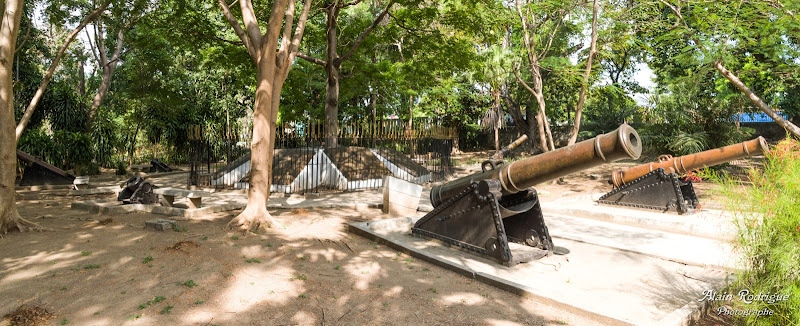
Spains troops on Santiago de Cuba Surrender Tree Memorial
About Spains troops on Santiago de Cuba Surrender Tree Memorial
Description
The Spain's Troops on Santiago de Cuba Surrender Tree Memorial stands as a poignant reminder of one of the most significant moments in Cuban and Spanish history. This memorial park commemorates the site where Spanish forces formally surrendered to American troops on July 17, 1898, effectively ending Spain's colonial rule over Cuba after nearly four centuries. I've always found it fascinating how certain places can capture such monumental shifts in global power, and this particular spot does exactly that. The memorial itself centers around what's believed to be the actual ceiba tree under which Spanish General José Toral signed the surrender documents that transferred control of Santiago de Cuba. Though the original tree may no longer stand, the area has been carefully preserved and marked to honor both the Spanish soldiers who fought far from home and the end of an era that reshaped the Caribbean forever. It's one of those places where you can almost feel the weight of history pressing down on you. What makes this memorial particularly interesting is its perspective. Rather than celebrating victory in a triumphant way, it acknowledges the human cost and dignity of the Spanish troops who found themselves on the losing side of the Spanish-American War. There's something deeply respectful about that approach, and it gives visitors a chance to reflect on how war affects everyone involved, regardless of which flag they fought under. The memorial park occupies a relatively quiet space in Santiago de Cuba, away from the busier tourist circuits. And honestly, that's part of its appeal. You won't find massive crowds here or souvenir stands lining the pathways. Instead, what you'll discover is a contemplative space that invites genuine historical reflection. The grounds are modest but well-maintained, offering a glimpse into a turning point that changed not just Cuba, but the entire geopolitical landscape of the Americas.Key Features
The memorial park offers several distinctive elements that make it worth including in your Santiago de Cuba itinerary: • The commemorative marker indicating the approximate location where the surrender ceremony took place, providing a tangible connection to this pivotal historical moment • Interpretive plaques and monuments that detail the events of July 1898 and the broader context of the Spanish-American War's conclusion • A peaceful park setting that allows for quiet contemplation of the human stories behind the historical facts • Unique perspective focusing on the Spanish military experience rather than solely the American victory narrative • Well-preserved grounds that respect the solemnity of the site while remaining accessible to curious travelers • Limited commercialization, which helps maintain the authentic historical atmosphere that makes this place special • Proximity to other significant Santiago de Cuba historical sites, making it easy to incorporate into a broader historical tour of the region • Shaded areas perfect for escaping Cuba's intense midday heat while absorbing the historical significance • Opportunity to photograph a lesser-known memorial that tells an important chapter of Cuban independence and Spanish imperial declineBest Time to Visit
Timing your visit to the Spain's Troops Surrender Tree Memorial can significantly impact your experience. The dry season, running from November through April, generally offers the most comfortable weather conditions for exploring outdoor memorials in Santiago de Cuba. During these months, you'll encounter less humidity and fewer sudden downpours that can interrupt your visit. But here's the thing - if you're really into historical commemoration, planning your visit around July 17th adds another layer of meaning. That's the actual anniversary of the 1898 surrender, and while there aren't always massive ceremonies, the date itself carries special significance. I've heard from travelers who visited during this time that there's sometimes a small gathering of history enthusiasts and local residents who come to pay their respects. The early morning hours, roughly between 8 and 10 AM, tend to be the most pleasant time of day to visit. The temperature hasn't yet reached its peak, and the light has that beautiful quality that photographers love. Plus, you're likely to have the memorial largely to yourself during these hours, which really enhances the contemplative atmosphere. Weekdays generally see fewer visitors than weekends, though this memorial never really gets crowded by typical tourist destination standards. If you prefer solitude for your historical explorations, aiming for a Tuesday or Wednesday morning would be your best bet. The rainy season from May through October doesn't necessarily mean you should avoid the memorial, but you'll want to check the forecast and perhaps carry an umbrella. Afternoon thunderstorms are common during these months, and there's limited covered areas within the memorial park itself.How to Get There
Getting to the Spain's Troops Surrender Tree Memorial requires a bit of local knowledge since it's not situated on the main tourist routes through Santiago de Cuba. The memorial is located within the city limits, making it accessible by several transportation methods depending on your comfort level and budget. Taxis remain the most straightforward option for most travelers. Cuban taxi drivers in Santiago generally know the memorial's location, though you might need to specify "el árbol de la rendición" or show them the name written down. Negotiate your fare before departing, as meters aren't always used. Expect to pay reasonable rates for a trip from central Santiago, and consider arranging for the driver to wait if you're planning a brief visit. For the more adventurous souls, Cuba's collective taxis or "almendrones" - those gorgeous vintage American cars that function as shared transportation - can get you relatively close to the memorial. You'll need to ask locals for the nearest drop-off point and be prepared for a short walk. And honestly, wandering through Santiago's neighborhoods gives you authentic glimpses of daily Cuban life that you'd miss in a private taxi. Bicycle rentals have become increasingly popular in Santiago, and cycling to the memorial is definitely feasible if you're comfortable navigating Cuban traffic. The relatively flat terrain in this part of the city makes it manageable for most fitness levels. If you're staying in certain areas of Santiago, walking might even be an option, though the tropical heat means you'll want to bring water and sun protection. Cuban streets don't always have the sidewalks we're accustomed to in other places, so watch your step. Your hotel concierge or casa particular hosts can provide specific directions based on your starting point. Don't be shy about asking locals for help along the way - Cubans are generally friendly and willing to point lost travelers in the right direction, even if there's a language barrier.Tips for Visiting
Making the most of your visit to this memorial requires some practical preparation and cultural awareness. First off, bring cash in Cuban currency. There aren't entrance fees at the memorial itself, but you'll need money for transportation and perhaps a small tip if someone provides helpful information or assistance. Dress respectfully but comfortably. This is a memorial honoring soldiers and a significant historical event, so beach attire wouldn't be appropriate. But Cuba's heat means you don't want to overdress either. Lightweight long pants or a modest skirt with a breathable shirt strikes the right balance. Good walking shoes are essential since you'll be standing and potentially walking on uneven ground. Sun protection cannot be overstated. Bring sunscreen, a hat, and sunglasses. The Caribbean sun is no joke, and there may be limited shade depending on which areas of the memorial you're exploring. I learned this lesson the hard way during my own travels through the region - sunburn ruins the next few days of any trip. Photography is generally permitted, but approach it with sensitivity. This isn't a selfie spot or an Instagram backdrop - it's a place of historical significance and somber reflection. Take photos that capture the memorial's meaning rather than just using it as scenery for tourist snapshots. Bring water, especially if you're visiting during warmer months. There likely won't be vendors nearby, and staying hydrated in Cuba's climate is crucial for enjoying your experience rather than just enduring it. Learning some basic Spanish phrases will enhance your visit tremendously. While you might encounter other travelers or guides who speak English, many local visitors and caretakers may only speak Spanish. Even simple phrases showing respect and interest go a long way. Consider combining your visit with other nearby historical sites to create a comprehensive understanding of Santiago's role in Cuban independence. The city played a crucial part in multiple conflicts and revolutionary movements, and seeing these sites together creates a richer narrative. Allow more time than you think you'll need. Rushing through a memorial defeats its purpose. Even though the physical space might not be enormous, sitting quietly and reflecting on what happened here in 1898 - the end of an empire, the birth of new possibilities, the soldiers far from home - that contemplation takes time. Respect any posted rules or guidance from caretakers. Some areas might have restrictions to preserve the historical integrity of the site. And if there's ever a ceremony or gathering taking place when you arrive, be respectful of participants even if you're not part of the organized event. Finally, manage your expectations. This isn't Disneyland or a polished museum with interactive displays. It's a quiet memorial marking where real people experienced a genuine historical moment. The power comes from its authenticity and the stories it represents, not from elaborate presentations or modern amenities.Key Features
- Site of the 1898 Spanish surrender featuring commemorative markers and a historically significant 'surrender tree' location
- Shaded memorial park with pathways and benches for reflective visits
- Interpretive plaques and inscriptions detailing the surrender and terms
- Close urban setting offering easy access from central Santiago de Cuba
- Photogenic, low-traffic spot ideal for history photography and quiet contemplation
More Details
Updated January 17, 2026
Table of Contents
- Description
- Key Features
- Best Time to Visit
- How to Get There
- Tips for Visiting
- Key Highlights
- Location
- Places to Stay Near Spains troops on Santiago de Cuba Surrender Tree Memorial
- Find and Book a Tour
- Explore More Travel Guides
- Nearby Places You Might Like
- Traveler Reviews for Spains troops on Santiago de Cuba Surrender Tree Memorial
- Share Your Experience
Description
The Spain’s Troops on Santiago de Cuba Surrender Tree Memorial stands as a poignant reminder of one of the most significant moments in Cuban and Spanish history. This memorial park commemorates the site where Spanish forces formally surrendered to American troops on July 17, 1898, effectively ending Spain’s colonial rule over Cuba after nearly four centuries. I’ve always found it fascinating how certain places can capture such monumental shifts in global power, and this particular spot does exactly that.
The memorial itself centers around what’s believed to be the actual ceiba tree under which Spanish General José Toral signed the surrender documents that transferred control of Santiago de Cuba. Though the original tree may no longer stand, the area has been carefully preserved and marked to honor both the Spanish soldiers who fought far from home and the end of an era that reshaped the Caribbean forever. It’s one of those places where you can almost feel the weight of history pressing down on you.
What makes this memorial particularly interesting is its perspective. Rather than celebrating victory in a triumphant way, it acknowledges the human cost and dignity of the Spanish troops who found themselves on the losing side of the Spanish-American War. There’s something deeply respectful about that approach, and it gives visitors a chance to reflect on how war affects everyone involved, regardless of which flag they fought under.
The memorial park occupies a relatively quiet space in Santiago de Cuba, away from the busier tourist circuits. And honestly, that’s part of its appeal. You won’t find massive crowds here or souvenir stands lining the pathways. Instead, what you’ll discover is a contemplative space that invites genuine historical reflection. The grounds are modest but well-maintained, offering a glimpse into a turning point that changed not just Cuba, but the entire geopolitical landscape of the Americas.
Key Features
The memorial park offers several distinctive elements that make it worth including in your Santiago de Cuba itinerary:
• The commemorative marker indicating the approximate location where the surrender ceremony took place, providing a tangible connection to this pivotal historical moment
• Interpretive plaques and monuments that detail the events of July 1898 and the broader context of the Spanish-American War’s conclusion
• A peaceful park setting that allows for quiet contemplation of the human stories behind the historical facts
• Unique perspective focusing on the Spanish military experience rather than solely the American victory narrative
• Well-preserved grounds that respect the solemnity of the site while remaining accessible to curious travelers
• Limited commercialization, which helps maintain the authentic historical atmosphere that makes this place special
• Proximity to other significant Santiago de Cuba historical sites, making it easy to incorporate into a broader historical tour of the region
• Shaded areas perfect for escaping Cuba’s intense midday heat while absorbing the historical significance
• Opportunity to photograph a lesser-known memorial that tells an important chapter of Cuban independence and Spanish imperial decline
Best Time to Visit
Timing your visit to the Spain’s Troops Surrender Tree Memorial can significantly impact your experience. The dry season, running from November through April, generally offers the most comfortable weather conditions for exploring outdoor memorials in Santiago de Cuba. During these months, you’ll encounter less humidity and fewer sudden downpours that can interrupt your visit.
But here’s the thing – if you’re really into historical commemoration, planning your visit around July 17th adds another layer of meaning. That’s the actual anniversary of the 1898 surrender, and while there aren’t always massive ceremonies, the date itself carries special significance. I’ve heard from travelers who visited during this time that there’s sometimes a small gathering of history enthusiasts and local residents who come to pay their respects.
The early morning hours, roughly between 8 and 10 AM, tend to be the most pleasant time of day to visit. The temperature hasn’t yet reached its peak, and the light has that beautiful quality that photographers love. Plus, you’re likely to have the memorial largely to yourself during these hours, which really enhances the contemplative atmosphere.
Weekdays generally see fewer visitors than weekends, though this memorial never really gets crowded by typical tourist destination standards. If you prefer solitude for your historical explorations, aiming for a Tuesday or Wednesday morning would be your best bet.
The rainy season from May through October doesn’t necessarily mean you should avoid the memorial, but you’ll want to check the forecast and perhaps carry an umbrella. Afternoon thunderstorms are common during these months, and there’s limited covered areas within the memorial park itself.
How to Get There
Getting to the Spain’s Troops Surrender Tree Memorial requires a bit of local knowledge since it’s not situated on the main tourist routes through Santiago de Cuba. The memorial is located within the city limits, making it accessible by several transportation methods depending on your comfort level and budget.
Taxis remain the most straightforward option for most travelers. Cuban taxi drivers in Santiago generally know the memorial’s location, though you might need to specify “el árbol de la rendición” or show them the name written down. Negotiate your fare before departing, as meters aren’t always used. Expect to pay reasonable rates for a trip from central Santiago, and consider arranging for the driver to wait if you’re planning a brief visit.
For the more adventurous souls, Cuba’s collective taxis or “almendrones” – those gorgeous vintage American cars that function as shared transportation – can get you relatively close to the memorial. You’ll need to ask locals for the nearest drop-off point and be prepared for a short walk. And honestly, wandering through Santiago’s neighborhoods gives you authentic glimpses of daily Cuban life that you’d miss in a private taxi.
Bicycle rentals have become increasingly popular in Santiago, and cycling to the memorial is definitely feasible if you’re comfortable navigating Cuban traffic. The relatively flat terrain in this part of the city makes it manageable for most fitness levels.
If you’re staying in certain areas of Santiago, walking might even be an option, though the tropical heat means you’ll want to bring water and sun protection. Cuban streets don’t always have the sidewalks we’re accustomed to in other places, so watch your step.
Your hotel concierge or casa particular hosts can provide specific directions based on your starting point. Don’t be shy about asking locals for help along the way – Cubans are generally friendly and willing to point lost travelers in the right direction, even if there’s a language barrier.
Tips for Visiting
Making the most of your visit to this memorial requires some practical preparation and cultural awareness. First off, bring cash in Cuban currency. There aren’t entrance fees at the memorial itself, but you’ll need money for transportation and perhaps a small tip if someone provides helpful information or assistance.
Dress respectfully but comfortably. This is a memorial honoring soldiers and a significant historical event, so beach attire wouldn’t be appropriate. But Cuba’s heat means you don’t want to overdress either. Lightweight long pants or a modest skirt with a breathable shirt strikes the right balance. Good walking shoes are essential since you’ll be standing and potentially walking on uneven ground.
Sun protection cannot be overstated. Bring sunscreen, a hat, and sunglasses. The Caribbean sun is no joke, and there may be limited shade depending on which areas of the memorial you’re exploring. I learned this lesson the hard way during my own travels through the region – sunburn ruins the next few days of any trip.
Photography is generally permitted, but approach it with sensitivity. This isn’t a selfie spot or an Instagram backdrop – it’s a place of historical significance and somber reflection. Take photos that capture the memorial’s meaning rather than just using it as scenery for tourist snapshots.
Bring water, especially if you’re visiting during warmer months. There likely won’t be vendors nearby, and staying hydrated in Cuba’s climate is crucial for enjoying your experience rather than just enduring it.
Learning some basic Spanish phrases will enhance your visit tremendously. While you might encounter other travelers or guides who speak English, many local visitors and caretakers may only speak Spanish. Even simple phrases showing respect and interest go a long way.
Consider combining your visit with other nearby historical sites to create a comprehensive understanding of Santiago’s role in Cuban independence. The city played a crucial part in multiple conflicts and revolutionary movements, and seeing these sites together creates a richer narrative.
Allow more time than you think you’ll need. Rushing through a memorial defeats its purpose. Even though the physical space might not be enormous, sitting quietly and reflecting on what happened here in 1898 – the end of an empire, the birth of new possibilities, the soldiers far from home – that contemplation takes time.
Respect any posted rules or guidance from caretakers. Some areas might have restrictions to preserve the historical integrity of the site. And if there’s ever a ceremony or gathering taking place when you arrive, be respectful of participants even if you’re not part of the organized event.
Finally, manage your expectations. This isn’t Disneyland or a polished museum with interactive displays. It’s a quiet memorial marking where real people experienced a genuine historical moment. The power comes from its authenticity and the stories it represents, not from elaborate presentations or modern amenities.
Key Highlights
- Site of the 1898 Spanish surrender featuring commemorative markers and a historically significant ‘surrender tree’ location
- Shaded memorial park with pathways and benches for reflective visits
- Interpretive plaques and inscriptions detailing the surrender and terms
- Close urban setting offering easy access from central Santiago de Cuba
- Photogenic, low-traffic spot ideal for history photography and quiet contemplation
Location
Places to Stay Near Spains troops on Santiago de Cuba Surrender Tree Memorial
Find and Book a Tour
Explore More Travel Guides
No reviews found! Be the first to review!
Traveler Reviews for Spains troops on Santiago de Cuba Surrender Tree Memorial
There are no reviews yet. Be the first one to write one.
Have you visited Spains troops on Santiago de Cuba Surrender Tree Memorial? Help other travelers by sharing your review.
Nearby Attractions
You Might Also Like
sueños Park
Santiago de Cuba

Museo Provincial Bacardí Moreau
Find Accommodations Nearby
Recommended Tours & Activities
Visitor Reviews
There are no reviews yet. Be the first one to write one.
Share Your Experience
Have you visited Spains troops on Santiago de Cuba Surrender Tree Memorial? Help other travelers by leaving a review.