
Santiago de Cuba
About Santiago de Cuba
Description
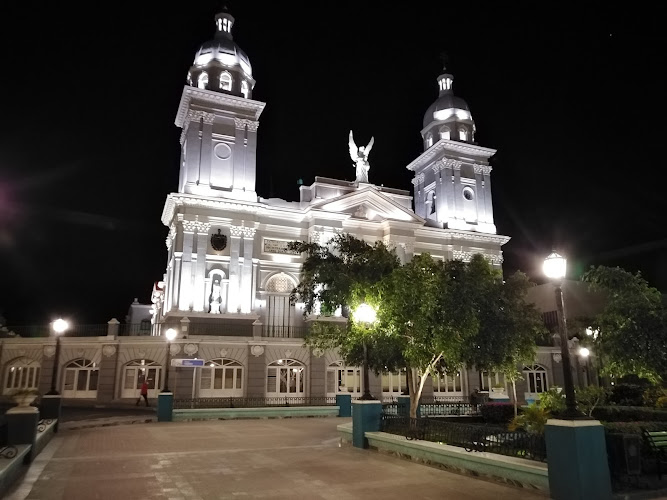
Santiago de Cuba hits different than anywhere else on the island. This is Cuba's second-largest city, but honestly, it feels like the cultural heart of the whole country. Founded way back in 1515 by Spanish colonizers, Santiago has this incredible weight of history that you can practically feel in the air when you're walking through the streets. And I'm not just talking about old buildings—though there are plenty of those—but the lived history that still pulses through every neighborhood. The city sprawls along the southeastern coast, overlooking a protected bay that opens up to the Caribbean Sea. Mountains rise up behind the city, creating this dramatic backdrop that makes for some seriously stunning sunsets. But what really sets Santiago apart from Havana and other Cuban destinations is its deep Afro-Cuban identity. While Havana definitely has African influences, Santiago wears them front and center, unapologetically proud of the cultural fusion that happened here over centuries. Walking through Santiago, you'll notice the architecture tells a thousand stories. Colonial-era buildings with their characteristic wooden balconies and terracotta roofs stand alongside structures from the republican period, and yes, some Soviet-style blocks too. The city's been through a lot—pirate attacks, earthquakes, revolutions—and somehow each era left its mark without completely erasing what came before. What surprised me most when I first learned about Santiago was how central it's been to Cuba's revolutionary movements. This isn't just a place where history happened once—it's been the birthplace of multiple uprisings and revolutionary fervor. Fidel Castro launched his revolution from the mountains nearby, and that revolutionary spirit still informs the city's identity today. You can see it in the museums, the monuments, and honestly just in conversations with locals who are incredibly proud of their city's role in shaping modern Cuba. The music scene here deserves its own paragraph because it's that important. Santiago is where son music was born—the genre that eventually evolved into salsa. Even now, you can't walk more than a few blocks without hearing live music spilling out from a casa de la trova or someone's front porch. The rhythms are different here, more African in their complexity, and the dancing reflects generations of cultural blending.Key Features
• Carnaval de Santiago – Held every July, this is hands-down one of the Caribbean's most authentic street festivals, with conga lines, elaborate costumes, and dance troupes that have been perfecting their routines for generations • Castillo del Morro – A 17th-century fortress perched on a rocky promontory overlooking the bay, offering incredible views and a fascinating glimpse into Santiago's defensive history against pirates and foreign invasions • Parque Céspedes – The main plaza and social center of the city, surrounded by significant buildings including the cathedral and the house where Diego Velázquez, the Spanish conquistador, once lived • Casa de la Trova – Multiple venues throughout the city where traditional Cuban music is performed live, but the main one on Heredia Street is absolutely legendary among music lovers • Cementerio Santa Ifigenia – Not your typical cemetery visit—this is where Cuban heroes are buried, including José Martí, with an elaborate monument and changing of the guard ceremony every 30 minutes • Museo de la Lucha Clandestina – Housed in a beautiful colonial building that was once the police headquarters, detailing Santiago's role in the revolutionary struggle • Calle Heredia – A pedestrian street that's the cultural artery of downtown, lined with galleries, music venues, and street performers • Bacardi Museum – Yes, that Bacardi family started here before leaving Cuba, and the mansion now serves as a museum of decorative arts with stunning architecture • Sierra Maestra views – The mountain range that frames the city and holds enormous historical significance as the base of Castro's guerrilla movement • Afro-Cuban cultural houses – Organizations preserving and celebrating Santería, rumba, and other African-derived traditions that are more visible here than anywhere else in CubaBest Time to Visit
Okay, so here's the thing about timing your Santiago visit—there's no perfect answer because each season offers something completely different. But let me break it down based on what you're actually looking for. If you want to experience Santiago at its absolute most energetic and culturally rich, July is your month. That's when Carnaval takes over the entire city. The streets become rivers of people, the music never stops, and you'll witness traditions that go back centuries. But—and this is a big but—it's also blazing hot and incredibly crowded. Santiago sits in one of the hottest parts of Cuba, and July temperatures regularly hit 90°F or higher with humidity that makes you feel like you're wearing a wet blanket. I've talked to travelers who absolutely loved the intensity of July, and others who found it overwhelming. Know yourself before committing to Carnaval season. November through March is probably the most comfortable time weather-wise. Temperatures hover in the pleasant 70s to low 80s, rainfall is minimal, and you can actually walk around during midday without feeling like you're melting. This is technically high season, so hotels and casas particulares (private homestays) fill up quicker, especially around Christmas and New Year's. Book ahead if you're planning a winter visit. April through June offers a sweet spot that many experienced travelers prefer. The weather's warming up but not yet oppressive, there are fewer tourists than winter, and prices are sometimes a bit lower. You might catch some rain in late May or June, but it usually comes in quick afternoon showers rather than day-long drenches. September and October? That's hurricane season, and Santiago's coastal location makes it vulnerable. While you might score great deals and have attractions practically to yourself, there's always that risk. Plus, many places do repairs and maintenance during these slower months, so some attractions might be closed or limited. One more consideration—Cuban holidays. If you're visiting around May 1st (Labor Day) or July 26th (Revolution Day), expect everything to be closed and locals focused on celebrations rather than tourism. Can be fascinating to witness, but plan accordingly.How to Get There
Getting to Santiago requires a bit more effort than reaching Havana, but that's part of what keeps it authentic and less overrun with tourists. Antonio Maceo International Airport serves the city and receives some direct international flights from Canada, Europe, and other Caribbean islands. If you're coming from the United States, the situation's complicated—depending on current regulations, you might need to fly through a third country or demonstrate you're traveling under one of the approved categories. Many travelers actually fly into Havana first because there are more international connections, then either take a domestic flight or make the overland journey. The domestic flight from Havana to Santiago takes about 90 minutes on Cubana de Aviación. Fair warning though—Cuban domestic flights have a reputation for delays and occasional cancellations, so don't schedule tight connections. I've heard stories of people waiting hours at the airport, but also stories of smooth, on-time departures. It's Cuba—flexibility is essential. The overland option is an adventure in itself. The Víazul bus company runs daily services from Havana to Santiago, taking roughly 15 hours overnight. It's not luxurious, but the buses are air-conditioned (sometimes too much) and relatively reliable. You'll cross practically the entire length of Cuba, passing through Camagüey and other cities. Some travelers love this journey as a way to see the country; others find it exhausting. Tickets should be booked online in advance because they do sell out. If you've got more time and less concern about comfort, the train from Havana to Santiago is a classic experience—emphasis on "experience." The journey officially takes about 14 hours but delays are common. The trains are old, sometimes overcrowded, and breakdowns happen. But you'll be traveling with Cubans going about their daily lives, and the scenery through central Cuba is beautiful. Just make sure you have snacks, water, and patience. For those already in eastern Cuba, Santiago is well-connected by bus to cities like Baracoa, Holguín, and Guantánamo. Shared taxis called colectivos are faster and not much more expensive if you can find others heading the same direction. Once you arrive, getting around Santiago itself is manageable. The city has local buses called guaguas, but they're crowded and confusing for visitors. Most tourists rely on taxis—either official taxis or the informal ones that locals use. Bicycle taxis called bicitaxis work well for shorter distances in the center. And honestly, much of the historic core is walkable, though those hills will give your legs a workout.Tips for Visiting
Santiago operates on Caribbean time mixed with Cuban particular circumstances, so adjusting your expectations will make everything smoother. First thing—cash is king here, even more so than in Havana. Credit cards issued by U.S. banks don't work anywhere in Cuba due to the embargo, and even non-U.S. cards are accepted in very limited places. Bring enough euros or Canadian dollars to exchange, and change money at official CADECAs (exchange houses) rather than on the street where scams are more common. Water is something you need to think about constantly in Santiago's heat. Don't drink tap water—stick to bottled water which is available at hotels and some stores, though supplies can be inconsistent. I always recommend bringing water purification tablets as backup. Dehydration sneaks up on you in this climate, especially if you're walking around sightseeing or dancing at Carnaval. The food situation in Santiago differs from tourist-heavy Havana. While paladares (private restaurants) exist and serve good food, many locals eat at home or in no-frills comedores. Don't expect extensive menus or lots of variety—Cuban cuisine relies heavily on rice, beans, pork, and chicken. Fresh produce can be scarce. That said, the seafood here is generally excellent since you're right on the coast. Ask locals for recommendations rather than just hitting the places in guidebooks. Spanish is essential in Santiago. English is spoken far less here than in Havana or Varadero. Learn basic phrases, download an offline translation app, and don't be shy about using gestures and smiles. Santiagueros are generally warm and helpful, but language barriers are real. Also, the local accent is quite different from standard Spanish—influenced by African linguistic patterns and Caribbean Spanish variations. Internet access remains limited and expensive throughout Cuba, including Santiago. WiFi is available in some public parks and plazas where you'll see people clustered around staring at their phones. You need to buy ETECSA cards (scratch-off codes) to access WiFi, sold at ETECSA offices and by street vendors for a markup. Each card gives you an hour of access. Consider disconnecting and embracing the experience—it's actually refreshing. Safety-wise, Santiago is generally quite safe for tourists. Violent crime is rare, though petty theft and pickpocketing happen, especially in crowded areas like markets or during festivals. The bigger annoyance is jineteros—hustlers who approach tourists offering everything from cigars to tour services, often overpriced or outright scams. A firm "no, gracias" usually works. Don't follow strangers to "authentic" restaurants or cigar factories. Photography is mostly fine, but ask permission before photographing individuals, and absolutely don't photograph anything military, police, or airport-related. Cubans are proud people and don't appreciate being treated as exotic subjects without consent. Accommodation ranges from government-run hotels to casas particulares—private homes where families rent rooms. The casas give you a much more authentic experience and support regular Cubans directly rather than the government tourism apparatus. They're also usually better value, cleaner, and serve superior breakfasts. Book ahead when possible, especially during high season. One last thing—Santiago moves slower than you probably expect. Banks have long lines. Restaurants might run out of items on the menu. Buses arrive late. This isn't inefficiency for its own sake; it's a reality of a country with limited resources and a different relationship with time. Getting frustrated won't change anything. Embrace the pace, build in buffer time, and focus on the incredible culture and history surrounding you. Santiago rewards patience and open-mindedness in ways that rigidly planned, time-obsessed travel never can.Key Features
- Rich Afro-Cuban musical traditions and live music venues
- Historic sites including Castillo de San Pedro de la Roca and Moncada Barracks
- Colonial-era architecture and atmospheric plazas (Plaza de Céspedes)
- Vibrant street life and annual Carnival celebrations
- Proximity to mountains, beaches and rural eastern Cuban culture
More Details
Updated January 17, 2026
Table of Contents
Description
Santiago de Cuba hits different than anywhere else on the island. This is Cuba’s second-largest city, but honestly, it feels like the cultural heart of the whole country. Founded way back in 1515 by Spanish colonizers, Santiago has this incredible weight of history that you can practically feel in the air when you’re walking through the streets. And I’m not just talking about old buildings—though there are plenty of those—but the lived history that still pulses through every neighborhood.
The city sprawls along the southeastern coast, overlooking a protected bay that opens up to the Caribbean Sea. Mountains rise up behind the city, creating this dramatic backdrop that makes for some seriously stunning sunsets. But what really sets Santiago apart from Havana and other Cuban destinations is its deep Afro-Cuban identity. While Havana definitely has African influences, Santiago wears them front and center, unapologetically proud of the cultural fusion that happened here over centuries.
Walking through Santiago, you’ll notice the architecture tells a thousand stories. Colonial-era buildings with their characteristic wooden balconies and terracotta roofs stand alongside structures from the republican period, and yes, some Soviet-style blocks too. The city’s been through a lot—pirate attacks, earthquakes, revolutions—and somehow each era left its mark without completely erasing what came before.
What surprised me most when I first learned about Santiago was how central it’s been to Cuba’s revolutionary movements. This isn’t just a place where history happened once—it’s been the birthplace of multiple uprisings and revolutionary fervor. Fidel Castro launched his revolution from the mountains nearby, and that revolutionary spirit still informs the city’s identity today. You can see it in the museums, the monuments, and honestly just in conversations with locals who are incredibly proud of their city’s role in shaping modern Cuba.
The music scene here deserves its own paragraph because it’s that important. Santiago is where son music was born—the genre that eventually evolved into salsa. Even now, you can’t walk more than a few blocks without hearing live music spilling out from a casa de la trova or someone’s front porch. The rhythms are different here, more African in their complexity, and the dancing reflects generations of cultural blending.
Key Features
• Carnaval de Santiago – Held every July, this is hands-down one of the Caribbean’s most authentic street festivals, with conga lines, elaborate costumes, and dance troupes that have been perfecting their routines for generations
• Castillo del Morro – A 17th-century fortress perched on a rocky promontory overlooking the bay, offering incredible views and a fascinating glimpse into Santiago’s defensive history against pirates and foreign invasions
• Parque Céspedes – The main plaza and social center of the city, surrounded by significant buildings including the cathedral and the house where Diego Velázquez, the Spanish conquistador, once lived
• Casa de la Trova – Multiple venues throughout the city where traditional Cuban music is performed live, but the main one on Heredia Street is absolutely legendary among music lovers
• Cementerio Santa Ifigenia – Not your typical cemetery visit—this is where Cuban heroes are buried, including José Martí, with an elaborate monument and changing of the guard ceremony every 30 minutes
• Museo de la Lucha Clandestina – Housed in a beautiful colonial building that was once the police headquarters, detailing Santiago’s role in the revolutionary struggle
• Calle Heredia – A pedestrian street that’s the cultural artery of downtown, lined with galleries, music venues, and street performers
• Bacardi Museum – Yes, that Bacardi family started here before leaving Cuba, and the mansion now serves as a museum of decorative arts with stunning architecture
• Sierra Maestra views – The mountain range that frames the city and holds enormous historical significance as the base of Castro’s guerrilla movement
• Afro-Cuban cultural houses – Organizations preserving and celebrating Santería, rumba, and other African-derived traditions that are more visible here than anywhere else in Cuba
Best Time to Visit
Okay, so here’s the thing about timing your Santiago visit—there’s no perfect answer because each season offers something completely different. But let me break it down based on what you’re actually looking for.
If you want to experience Santiago at its absolute most energetic and culturally rich, July is your month. That’s when Carnaval takes over the entire city. The streets become rivers of people, the music never stops, and you’ll witness traditions that go back centuries. But—and this is a big but—it’s also blazing hot and incredibly crowded. Santiago sits in one of the hottest parts of Cuba, and July temperatures regularly hit 90°F or higher with humidity that makes you feel like you’re wearing a wet blanket. I’ve talked to travelers who absolutely loved the intensity of July, and others who found it overwhelming. Know yourself before committing to Carnaval season.
November through March is probably the most comfortable time weather-wise. Temperatures hover in the pleasant 70s to low 80s, rainfall is minimal, and you can actually walk around during midday without feeling like you’re melting. This is technically high season, so hotels and casas particulares (private homestays) fill up quicker, especially around Christmas and New Year’s. Book ahead if you’re planning a winter visit.
April through June offers a sweet spot that many experienced travelers prefer. The weather’s warming up but not yet oppressive, there are fewer tourists than winter, and prices are sometimes a bit lower. You might catch some rain in late May or June, but it usually comes in quick afternoon showers rather than day-long drenches.
September and October? That’s hurricane season, and Santiago’s coastal location makes it vulnerable. While you might score great deals and have attractions practically to yourself, there’s always that risk. Plus, many places do repairs and maintenance during these slower months, so some attractions might be closed or limited.
One more consideration—Cuban holidays. If you’re visiting around May 1st (Labor Day) or July 26th (Revolution Day), expect everything to be closed and locals focused on celebrations rather than tourism. Can be fascinating to witness, but plan accordingly.
How to Get There
Getting to Santiago requires a bit more effort than reaching Havana, but that’s part of what keeps it authentic and less overrun with tourists. Antonio Maceo International Airport serves the city and receives some direct international flights from Canada, Europe, and other Caribbean islands. If you’re coming from the United States, the situation’s complicated—depending on current regulations, you might need to fly through a third country or demonstrate you’re traveling under one of the approved categories.
Many travelers actually fly into Havana first because there are more international connections, then either take a domestic flight or make the overland journey. The domestic flight from Havana to Santiago takes about 90 minutes on Cubana de Aviación. Fair warning though—Cuban domestic flights have a reputation for delays and occasional cancellations, so don’t schedule tight connections. I’ve heard stories of people waiting hours at the airport, but also stories of smooth, on-time departures. It’s Cuba—flexibility is essential.
The overland option is an adventure in itself. The Víazul bus company runs daily services from Havana to Santiago, taking roughly 15 hours overnight. It’s not luxurious, but the buses are air-conditioned (sometimes too much) and relatively reliable. You’ll cross practically the entire length of Cuba, passing through Camagüey and other cities. Some travelers love this journey as a way to see the country; others find it exhausting. Tickets should be booked online in advance because they do sell out.
If you’ve got more time and less concern about comfort, the train from Havana to Santiago is a classic experience—emphasis on “experience.” The journey officially takes about 14 hours but delays are common. The trains are old, sometimes overcrowded, and breakdowns happen. But you’ll be traveling with Cubans going about their daily lives, and the scenery through central Cuba is beautiful. Just make sure you have snacks, water, and patience.
For those already in eastern Cuba, Santiago is well-connected by bus to cities like Baracoa, Holguín, and Guantánamo. Shared taxis called colectivos are faster and not much more expensive if you can find others heading the same direction.
Once you arrive, getting around Santiago itself is manageable. The city has local buses called guaguas, but they’re crowded and confusing for visitors. Most tourists rely on taxis—either official taxis or the informal ones that locals use. Bicycle taxis called bicitaxis work well for shorter distances in the center. And honestly, much of the historic core is walkable, though those hills will give your legs a workout.
Tips for Visiting
Santiago operates on Caribbean time mixed with Cuban particular circumstances, so adjusting your expectations will make everything smoother. First thing—cash is king here, even more so than in Havana. Credit cards issued by U.S. banks don’t work anywhere in Cuba due to the embargo, and even non-U.S. cards are accepted in very limited places. Bring enough euros or Canadian dollars to exchange, and change money at official CADECAs (exchange houses) rather than on the street where scams are more common.
Water is something you need to think about constantly in Santiago’s heat. Don’t drink tap water—stick to bottled water which is available at hotels and some stores, though supplies can be inconsistent. I always recommend bringing water purification tablets as backup. Dehydration sneaks up on you in this climate, especially if you’re walking around sightseeing or dancing at Carnaval.
The food situation in Santiago differs from tourist-heavy Havana. While paladares (private restaurants) exist and serve good food, many locals eat at home or in no-frills comedores. Don’t expect extensive menus or lots of variety—Cuban cuisine relies heavily on rice, beans, pork, and chicken. Fresh produce can be scarce. That said, the seafood here is generally excellent since you’re right on the coast. Ask locals for recommendations rather than just hitting the places in guidebooks.
Spanish is essential in Santiago. English is spoken far less here than in Havana or Varadero. Learn basic phrases, download an offline translation app, and don’t be shy about using gestures and smiles. Santiagueros are generally warm and helpful, but language barriers are real. Also, the local accent is quite different from standard Spanish—influenced by African linguistic patterns and Caribbean Spanish variations.
Internet access remains limited and expensive throughout Cuba, including Santiago. WiFi is available in some public parks and plazas where you’ll see people clustered around staring at their phones. You need to buy ETECSA cards (scratch-off codes) to access WiFi, sold at ETECSA offices and by street vendors for a markup. Each card gives you an hour of access. Consider disconnecting and embracing the experience—it’s actually refreshing.
Safety-wise, Santiago is generally quite safe for tourists. Violent crime is rare, though petty theft and pickpocketing happen, especially in crowded areas like markets or during festivals. The bigger annoyance is jineteros—hustlers who approach tourists offering everything from cigars to tour services, often overpriced or outright scams. A firm “no, gracias” usually works. Don’t follow strangers to “authentic” restaurants or cigar factories.
Photography is mostly fine, but ask permission before photographing individuals, and absolutely don’t photograph anything military, police, or airport-related. Cubans are proud people and don’t appreciate being treated as exotic subjects without consent.
Accommodation ranges from government-run hotels to casas particulares—private homes where families rent rooms. The casas give you a much more authentic experience and support regular Cubans directly rather than the government tourism apparatus. They’re also usually better value, cleaner, and serve superior breakfasts. Book ahead when possible, especially during high season.
One last thing—Santiago moves slower than you probably expect. Banks have long lines. Restaurants might run out of items on the menu. Buses arrive late. This isn’t inefficiency for its own sake; it’s a reality of a country with limited resources and a different relationship with time. Getting frustrated won’t change anything. Embrace the pace, build in buffer time, and focus on the incredible culture and history surrounding you. Santiago rewards patience and open-mindedness in ways that rigidly planned, time-obsessed travel never can.
Key Highlights
- Rich Afro-Cuban musical traditions and live music venues
- Historic sites including Castillo de San Pedro de la Roca and Moncada Barracks
- Colonial-era architecture and atmospheric plazas (Plaza de Céspedes)
- Vibrant street life and annual Carnival celebrations
- Proximity to mountains, beaches and rural eastern Cuban culture
Location
Places to Stay Near Santiago de Cuba
Find and Book a Tour
Explore More Travel Guides
No reviews found! Be the first to review!
Traveler Reviews for Santiago de Cuba
There are no reviews yet. Be the first one to write one.
Have you visited Santiago de Cuba? Help other travelers by sharing your review.
Nearby Attractions
You Might Also Like
La Placita
Museo de La Imagen
sueños Park
Find Accommodations Nearby
Recommended Tours & Activities
Visitor Reviews
There are no reviews yet. Be the first one to write one.
Share Your Experience
Have you visited Santiago de Cuba? Help other travelers by leaving a review.