
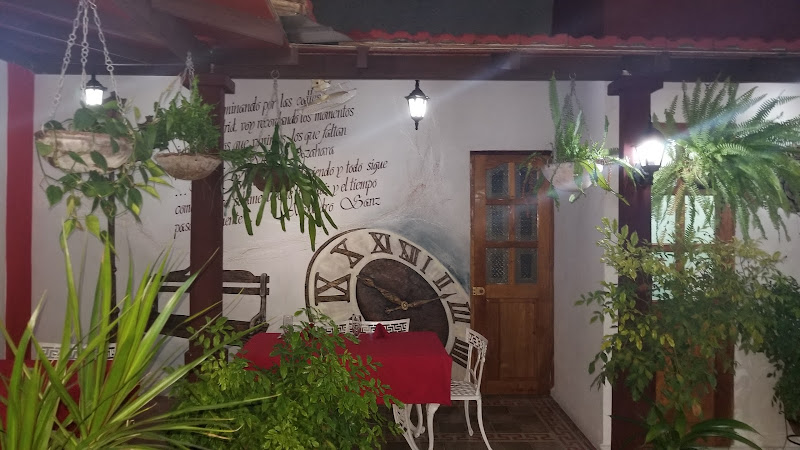
Museo de La Imagen
About Museo de La Imagen
Description
The Museo de La Imagen offers visitors a fascinating journey into the world of visual storytelling and photographic history. This museum stands as a dedicated space where photography enthusiasts and casual travelers alike can explore the evolution of image-making and its profound impact on how we document and remember our world. Unlike the more commonly visited art museums that tourists typically flock to, this particular institution focuses specifically on the medium of photography and visual imagery, making it a somewhat specialized but incredibly rewarding destination for those who appreciate the art form. When I first heard about a museum dedicated entirely to images, I'll admit I was skeptical. How much can you really say about photographs? But that's exactly the kind of thinking that this museum challenges. The collections here demonstrate that photography isn't just about capturing moments—it's about preserving culture, documenting social change, and creating art that speaks across generations. The curators have done an impressive job of presenting imagery in ways that feel relevant whether you're a professional photographer or someone who just likes taking pictures on your phone. What makes this museum particularly appealing for families is its welcoming approach to younger visitors. The space has been thoughtfully designed to accommodate children, making it an excellent option for travelers who want cultural experiences that won't bore the kids to tears. And honestly, that's not always easy to find when you're dealing with art museums. The visual nature of the exhibits naturally engages younger minds in ways that paintings or sculptures sometimes don't. The museum's focus on imagery as a medium means you'll encounter everything from historical photography equipment to contemporary digital art installations. It's this range that keeps things interesting throughout your visit. You might find yourself looking at daguerreotypes from the 1800s one moment and interactive digital displays the next. This chronological and technological journey through image-making really puts into perspective how much our relationship with visual media has changed over the past century and a half.Key Features
The Museo de La Imagen brings together several distinctive elements that set it apart from your typical museum experience:- Specialized collections focusing exclusively on photography and image-based art, offering a depth of coverage you won't find in general art museums
- Historical photography equipment displays that show the evolution of cameras and image-capturing technology over time
- Family-friendly exhibitions designed to engage children and make photography accessible to all age groups
- Rotating temporary exhibitions that showcase both established and emerging photographers from various backgrounds and styles
- Educational displays explaining photographic techniques, from early chemical processes to modern digital manipulation
- Archival collections that document local and regional history through the lens of photography
- Interactive elements that allow visitors to understand photographic principles hands-on rather than just observing from a distance
- Compact size that makes for a manageable visit without the overwhelming exhaustion that can come from spending hours in massive institutions
- Curated selections that change periodically, giving repeat visitors new reasons to return
Best Time to Visit
Timing your visit to the Museo de La Imagen can really enhance your experience, and there's a few factors worth considering before you go. Weekday mornings tend to be quieter than weekends, which is something I've learned the hard way at museums around the world. There's nothing quite like trying to appreciate delicate photographic prints while navigating through crowds of people. If you're traveling with children, mid-morning visits around 10 or 11 AM work particularly well. The kids aren't tired yet, and you've got the whole day ahead of you if they get restless and you need to move on to other activities. But if they're genuinely engaged—which many young visitors are with visual displays—you can stay longer without feeling rushed. Weather doesn't impact your museum visit much since you'll be indoors, but consider the climate when planning your overall day. On particularly hot afternoons, the museum offers a comfortable respite from the heat. Similarly, rainy days make perfect museum days when outdoor activities aren't as appealing. The museum sometimes hosts special exhibitions or events, so checking their calendar before your trip can help you catch something particularly interesting. Photography exhibitions often coincide with cultural festivals or significant anniversaries, adding extra context and excitement to your visit. I've found that visiting during these special programming periods can transform a good museum visit into a memorable one. Avoiding peak tourist season, if your schedule allows, means you'll have more space to yourself and won't feel rushed through the galleries. Photography really deserves contemplation and time to study the details, which becomes difficult when you're jostling for position in front of popular pieces.How to Get There
Getting to the Museo de La Imagen is generally straightforward for travelers, though the specifics depend on where you're staying in the city. Public transportation typically offers the most convenient and cost-effective option for most visitors. Local buses serve the area, and if you're not familiar with the bus system, don't let that intimidate you—locals are usually happy to help point you in the right direction. Taxis and ride-sharing services provide door-to-door convenience, which is particularly useful if you're traveling with small children or have mobility concerns. The relatively affordable cost of these services in many cities makes them a practical choice even for budget-conscious travelers. Just make sure your driver knows exactly where you're headed, as smaller museums sometimes get confused with other cultural institutions. If you're the type who likes to explore on foot, walking to the museum can be a great way to see the surrounding neighborhood and get a feel for local life. I've always believed that the journey to a destination teaches you as much about a place as the destination itself. Just wear comfortable shoes and bring water, especially during warmer months. For those renting cars, parking availability varies depending on the area and time of day. Street parking might be your only option, so factor in extra time to find a spot and feed the meter. Personally, I tend to avoid driving in unfamiliar cities when good public transit exists, but that's just me. The museum's location makes it relatively accessible for most travelers, though it's worth mapping out your route the night before rather than trying to figure it out on the fly. Download offline maps on your phone just in case you lose signal—learned that lesson the hard way wandering around trying to find a different museum years ago.Tips for Visiting
Making the most of your visit to the Museo de La Imagen requires just a bit of planning and some insider knowledge. First off, admission fees are typically modest compared to larger institutions, but always carry cash just in case card payments aren't accepted. Some smaller museums still operate on cash-only systems, and nothing's more frustrating than finding an ATM when you just want to start exploring. Photography policies vary by museum, so check before you start snapping pictures of the exhibits. It seems ironic that a museum about images might restrict photography, but copyright issues and preservation concerns are real. When photos are allowed, skip the flash—it damages delicate materials and annoys other visitors. Give yourself at least 90 minutes for a thorough visit, though photography enthusiasts might want to budget two hours or more. The beauty of a focused museum like this is that you won't feel rushed, but you also won't need an entire day like you might at massive institutions. It's actually kind of refreshing. Bring a small notebook if you're into photography yourself. I've found that jotting down techniques, photographers' names, or even just quick impressions helps me remember what I've seen and gives me ideas to explore later. Your phone works too, but there's something about handwriting notes that makes them stick better in my memory. The museum shop, if there is one, often carries unique photography books and prints you won't find elsewhere. These make excellent souvenirs that actually mean something beyond typical tourist merchandise. A photography book can continue educating and inspiring you long after your trip ends. Wear comfortable clothing and shoes since you'll be standing and walking for extended periods. Museum floors can be surprisingly tiring, even in smaller institutions. And here's a tip nobody tells you—bringing a light sweater is smart since museum climate control often runs cool to protect the collections. If you're visiting with children, have a conversation beforehand about museum etiquette and what they'll see. Setting expectations helps prevent disappointment or behavior issues. Maybe even show them some famous photographs online first to build excitement and give them context for what photography can achieve. Consider visiting the museum as part of a broader cultural day rather than making it your only stop. Its manageable size means you'll have energy left for exploring the surrounding area, trying local restaurants, or visiting complementary attractions nearby. Balance is key to avoiding museum fatigue that can make even interesting exhibitions feel like a slog. Finally, approach your visit with an open mind. Photography museums might not sound as exciting as other attractions, but they offer windows into how we see ourselves and our world. The Museo de La Imagen provides that perspective in ways that can genuinely shift how you think about the images that surround us every single day.Key Features
- Collection of historic Cuban photographs spanning studio portraits to photojournalism
- Exhibits of vintage photographic and television equipment
- Archive of rare films and documentary footage
- Intimate guided tours with local curators (mostly in Spanish)
- Located in the former home of noted cameraman Bernabé Muñiz Guiberneau
More Details
Updated January 17, 2026
Table of Contents
Description
The Museo de La Imagen offers visitors a fascinating journey into the world of visual storytelling and photographic history. This museum stands as a dedicated space where photography enthusiasts and casual travelers alike can explore the evolution of image-making and its profound impact on how we document and remember our world. Unlike the more commonly visited art museums that tourists typically flock to, this particular institution focuses specifically on the medium of photography and visual imagery, making it a somewhat specialized but incredibly rewarding destination for those who appreciate the art form.
When I first heard about a museum dedicated entirely to images, I’ll admit I was skeptical. How much can you really say about photographs? But that’s exactly the kind of thinking that this museum challenges. The collections here demonstrate that photography isn’t just about capturing moments—it’s about preserving culture, documenting social change, and creating art that speaks across generations. The curators have done an impressive job of presenting imagery in ways that feel relevant whether you’re a professional photographer or someone who just likes taking pictures on your phone.
What makes this museum particularly appealing for families is its welcoming approach to younger visitors. The space has been thoughtfully designed to accommodate children, making it an excellent option for travelers who want cultural experiences that won’t bore the kids to tears. And honestly, that’s not always easy to find when you’re dealing with art museums. The visual nature of the exhibits naturally engages younger minds in ways that paintings or sculptures sometimes don’t.
The museum’s focus on imagery as a medium means you’ll encounter everything from historical photography equipment to contemporary digital art installations. It’s this range that keeps things interesting throughout your visit. You might find yourself looking at daguerreotypes from the 1800s one moment and interactive digital displays the next. This chronological and technological journey through image-making really puts into perspective how much our relationship with visual media has changed over the past century and a half.
Key Features
The Museo de La Imagen brings together several distinctive elements that set it apart from your typical museum experience:
- Specialized collections focusing exclusively on photography and image-based art, offering a depth of coverage you won’t find in general art museums
- Historical photography equipment displays that show the evolution of cameras and image-capturing technology over time
- Family-friendly exhibitions designed to engage children and make photography accessible to all age groups
- Rotating temporary exhibitions that showcase both established and emerging photographers from various backgrounds and styles
- Educational displays explaining photographic techniques, from early chemical processes to modern digital manipulation
- Archival collections that document local and regional history through the lens of photography
- Interactive elements that allow visitors to understand photographic principles hands-on rather than just observing from a distance
- Compact size that makes for a manageable visit without the overwhelming exhaustion that can come from spending hours in massive institutions
- Curated selections that change periodically, giving repeat visitors new reasons to return
Best Time to Visit
Timing your visit to the Museo de La Imagen can really enhance your experience, and there’s a few factors worth considering before you go. Weekday mornings tend to be quieter than weekends, which is something I’ve learned the hard way at museums around the world. There’s nothing quite like trying to appreciate delicate photographic prints while navigating through crowds of people.
If you’re traveling with children, mid-morning visits around 10 or 11 AM work particularly well. The kids aren’t tired yet, and you’ve got the whole day ahead of you if they get restless and you need to move on to other activities. But if they’re genuinely engaged—which many young visitors are with visual displays—you can stay longer without feeling rushed.
Weather doesn’t impact your museum visit much since you’ll be indoors, but consider the climate when planning your overall day. On particularly hot afternoons, the museum offers a comfortable respite from the heat. Similarly, rainy days make perfect museum days when outdoor activities aren’t as appealing.
The museum sometimes hosts special exhibitions or events, so checking their calendar before your trip can help you catch something particularly interesting. Photography exhibitions often coincide with cultural festivals or significant anniversaries, adding extra context and excitement to your visit. I’ve found that visiting during these special programming periods can transform a good museum visit into a memorable one.
Avoiding peak tourist season, if your schedule allows, means you’ll have more space to yourself and won’t feel rushed through the galleries. Photography really deserves contemplation and time to study the details, which becomes difficult when you’re jostling for position in front of popular pieces.
How to Get There
Getting to the Museo de La Imagen is generally straightforward for travelers, though the specifics depend on where you’re staying in the city. Public transportation typically offers the most convenient and cost-effective option for most visitors. Local buses serve the area, and if you’re not familiar with the bus system, don’t let that intimidate you—locals are usually happy to help point you in the right direction.
Taxis and ride-sharing services provide door-to-door convenience, which is particularly useful if you’re traveling with small children or have mobility concerns. The relatively affordable cost of these services in many cities makes them a practical choice even for budget-conscious travelers. Just make sure your driver knows exactly where you’re headed, as smaller museums sometimes get confused with other cultural institutions.
If you’re the type who likes to explore on foot, walking to the museum can be a great way to see the surrounding neighborhood and get a feel for local life. I’ve always believed that the journey to a destination teaches you as much about a place as the destination itself. Just wear comfortable shoes and bring water, especially during warmer months.
For those renting cars, parking availability varies depending on the area and time of day. Street parking might be your only option, so factor in extra time to find a spot and feed the meter. Personally, I tend to avoid driving in unfamiliar cities when good public transit exists, but that’s just me.
The museum’s location makes it relatively accessible for most travelers, though it’s worth mapping out your route the night before rather than trying to figure it out on the fly. Download offline maps on your phone just in case you lose signal—learned that lesson the hard way wandering around trying to find a different museum years ago.
Tips for Visiting
Making the most of your visit to the Museo de La Imagen requires just a bit of planning and some insider knowledge. First off, admission fees are typically modest compared to larger institutions, but always carry cash just in case card payments aren’t accepted. Some smaller museums still operate on cash-only systems, and nothing’s more frustrating than finding an ATM when you just want to start exploring.
Photography policies vary by museum, so check before you start snapping pictures of the exhibits. It seems ironic that a museum about images might restrict photography, but copyright issues and preservation concerns are real. When photos are allowed, skip the flash—it damages delicate materials and annoys other visitors.
Give yourself at least 90 minutes for a thorough visit, though photography enthusiasts might want to budget two hours or more. The beauty of a focused museum like this is that you won’t feel rushed, but you also won’t need an entire day like you might at massive institutions. It’s actually kind of refreshing.
Bring a small notebook if you’re into photography yourself. I’ve found that jotting down techniques, photographers’ names, or even just quick impressions helps me remember what I’ve seen and gives me ideas to explore later. Your phone works too, but there’s something about handwriting notes that makes them stick better in my memory.
The museum shop, if there is one, often carries unique photography books and prints you won’t find elsewhere. These make excellent souvenirs that actually mean something beyond typical tourist merchandise. A photography book can continue educating and inspiring you long after your trip ends.
Wear comfortable clothing and shoes since you’ll be standing and walking for extended periods. Museum floors can be surprisingly tiring, even in smaller institutions. And here’s a tip nobody tells you—bringing a light sweater is smart since museum climate control often runs cool to protect the collections.
If you’re visiting with children, have a conversation beforehand about museum etiquette and what they’ll see. Setting expectations helps prevent disappointment or behavior issues. Maybe even show them some famous photographs online first to build excitement and give them context for what photography can achieve.
Consider visiting the museum as part of a broader cultural day rather than making it your only stop. Its manageable size means you’ll have energy left for exploring the surrounding area, trying local restaurants, or visiting complementary attractions nearby. Balance is key to avoiding museum fatigue that can make even interesting exhibitions feel like a slog.
Finally, approach your visit with an open mind. Photography museums might not sound as exciting as other attractions, but they offer windows into how we see ourselves and our world. The Museo de La Imagen provides that perspective in ways that can genuinely shift how you think about the images that surround us every single day.
Key Highlights
- Collection of historic Cuban photographs spanning studio portraits to photojournalism
- Exhibits of vintage photographic and television equipment
- Archive of rare films and documentary footage
- Intimate guided tours with local curators (mostly in Spanish)
- Located in the former home of noted cameraman Bernabé Muñiz Guiberneau
Location
Places to Stay Near Museo de La Imagen
Find and Book a Tour
Explore More Travel Guides
No reviews found! Be the first to review!
Traveler Reviews for Museo de La Imagen
There are no reviews yet. Be the first one to write one.
Have you visited Museo de La Imagen? Help other travelers by sharing your review.
Nearby Attractions
You Might Also Like
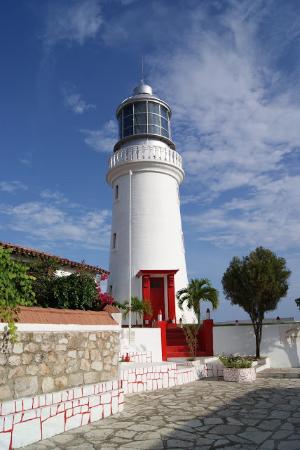
Faro del Morro
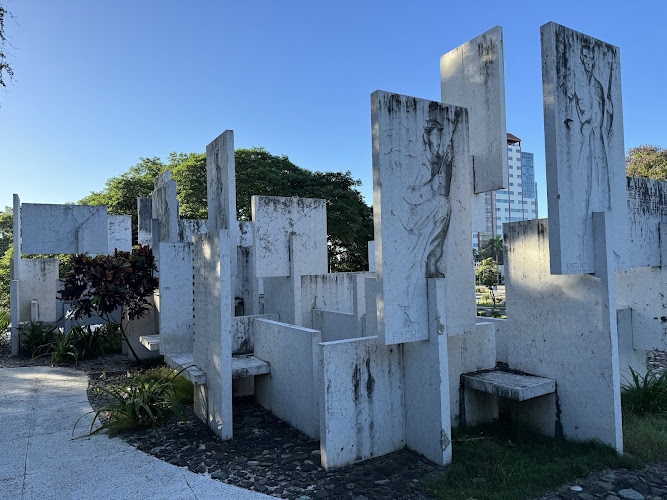
Monumento a Che Guevara
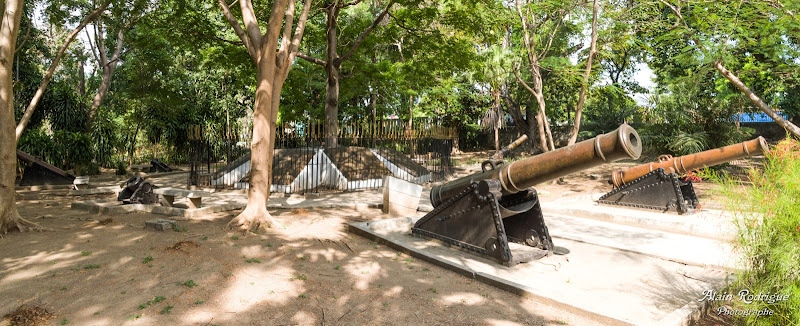
Spains troops on Santiago de Cuba Surrender Tree Memorial
Find Accommodations Nearby
Recommended Tours & Activities
Visitor Reviews
There are no reviews yet. Be the first one to write one.
Share Your Experience
Have you visited Museo de La Imagen? Help other travelers by leaving a review.